Post by : Zayd Kamal
Throughout history, human civilization has undergone profound transformations, shaping the way we live, work, and interact. From the Dark Ages to today, every era has brought significant advancements, from medieval struggles to modern innovations. The progress in technology, medicine, communication, and lifestyle has been nothing short of extraordinary. Let’s explore how human life has evolved over time and how these changes have shaped the world we live in today.
The period known as the Dark Ages, roughly spanning from the fall of the Roman Empire (5th century) to the early Middle Ages (10th century), was marked by political instability, economic decline, and limited technological progress. Society was largely feudal, with kings, nobles, and peasants following a rigid class structure. The lack of centralized governance led to frequent wars, invasions, and social turmoil.
Healthcare was primitive, with many diseases spreading unchecked due to poor hygiene and a lack of medical knowledge. Superstitions and religious beliefs dictated many aspects of life, including medicine, where treatments were often ineffective or even dangerous. Education was limited to the clergy and the elite, while the majority of people lived in ignorance and poverty.
The Renaissance (14th–17th centuries) marked a turning point in human history. This era saw incredible progress in art, science, and philosophy, breaking away from the restrictions of the Dark Ages. Innovations like the printing press (invented by Johannes Gutenberg) allowed knowledge to spread more widely, leading to increased literacy and education.
Scientific discoveries by figures like Galileo Galilei and Isaac Newton challenged old beliefs, paving the way for modern physics and astronomy. Meanwhile, explorers like Christopher Columbus and Vasco da Gama expanded global connections, leading to the Age of Exploration. The Renaissance was a period of enlightenment that laid the foundation for the modern world.
The 18th and 19th centuries saw the Industrial Revolution, a period of rapid technological and economic growth that transformed human life dramatically. Societies shifted from agrarian lifestyles to urban, factory-based economies. Innovations such as the steam engine, railways, and mechanized production made goods more accessible and improved transportation.
Life expectancy increased as medical advancements, including vaccines and sanitation improvements, reduced mortality rates. Education became more widespread, and new political movements, including democracy and workers' rights, started shaping governments. The Industrial Revolution propelled humanity toward modernity, laying the groundwork for the technological era we live in today.
The 20th century saw some of the most rapid and impactful changes in human history. Electricity, automobiles, airplanes, and communication technologies such as the telephone and radio revolutionized daily life. The invention of antibiotics and vaccines eradicated deadly diseases, significantly improving public health.
Wars and political struggles shaped the century, leading to the formation of international organizations like the United Nations, promoting global peace and cooperation. The civil rights movements fought for equality, ensuring social justice and human rights. By the end of the 20th century, computers and the internet began to reshape industries, paving the way for the digital age.
From the Dark Ages to today, human civilization has evolved beyond imagination. The 21st century is defined by digital technology, artificial intelligence, and globalization. The internet connects people across the world instantly, while smartphones, social media, and e-commerce have transformed the way we communicate, shop, and work.
Advancements in healthcare, such as gene editing and robotic surgeries, continue to improve quality of life. Space exploration has reached new heights, with missions to Mars and beyond. Renewable energy sources, electric vehicles, and environmental consciousness are driving sustainable solutions for the future.
Despite these advancements, modern society faces new challenges, including climate change, cybersecurity threats, and mental health issues. However, innovation and scientific progress continue to push humanity forward, ensuring a better future.
Human civilization has undergone remarkable transformations from the Dark Ages to today. The Dark Ages were marked by war, disease, and limited knowledge, but the Renaissance sparked enlightenment through art, science, and exploration. The Industrial Revolution revolutionized economies with factories, steam engines, and medical advancements. The 20th century saw rapid technological and social progress, including the rise of automobiles, electricity, and global communication. Today, in the Digital Age, we live in a world shaped by artificial intelligence, space exploration, and sustainable innovations. Despite new challenges, humanity continues to evolve, shaping a future driven by progress and knowledge.
This article is for informational purposes only and reflects historical perspectives on human development. While every effort has been made to ensure accuracy, interpretations of historical events may vary. DXB News Network does not endorse any political, scientific, or social viewpoints discussed.
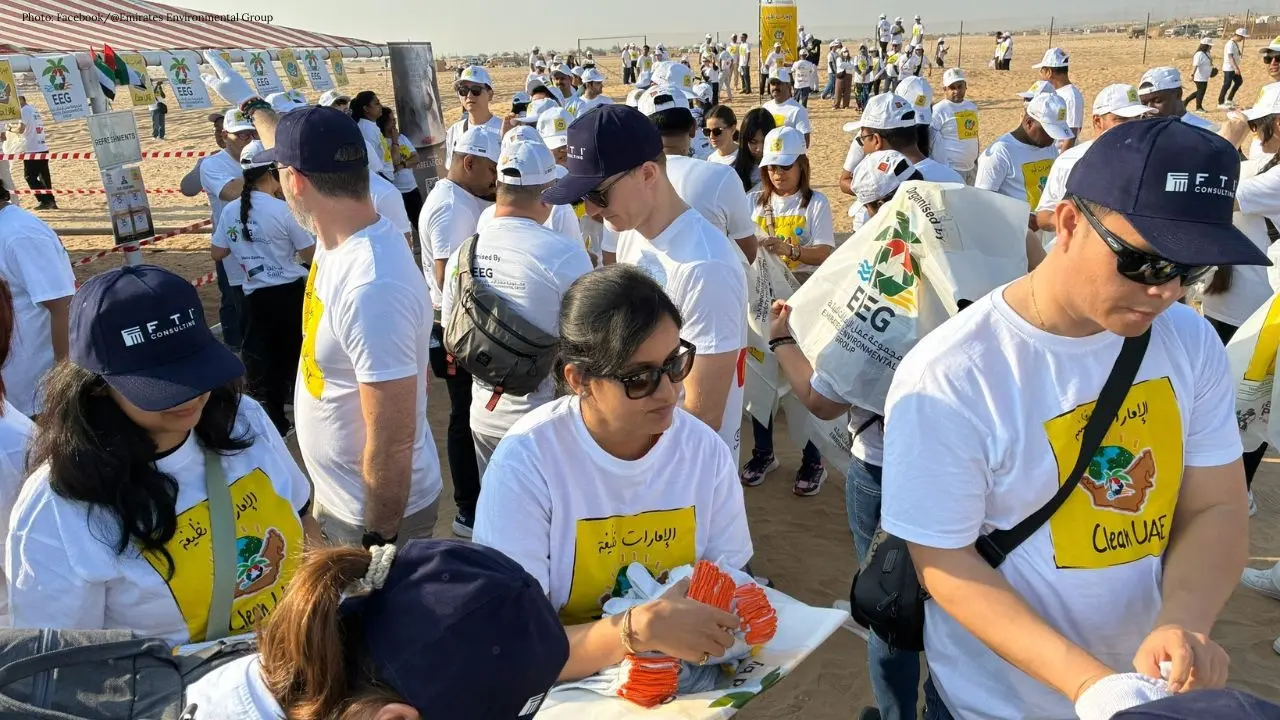
UAE Celebrates Sustainability Champions at EEG Gala
Dubai's EEG gala honored 52 organizations for their sustainability efforts, highlighting the pivotal

Iranian Crude Tanker Shifts Course from India to China
Ping Shun, under US sanctions, changes its destination from India's Vadinar Port to China amid payme
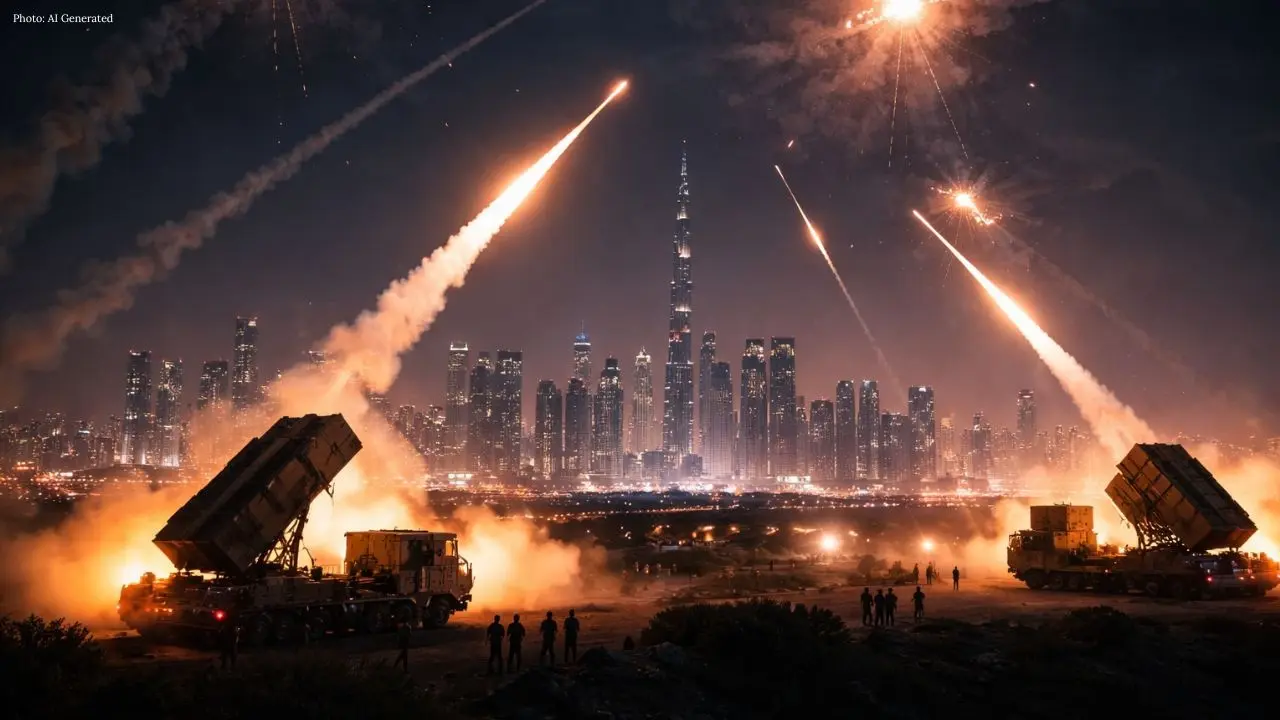
UAE Foils Missile, Drone Attacks from Iran
United Arab Emirates intercepts Iranian missiles and drones; authorities confirm safety and urge res

Bahrain Thwarts Drone and Missile Assaults Amid Iranian Hostilities
Bahrain's defense thwarted 188 missiles and 445 drones from Iran, underscoring heightened regional s
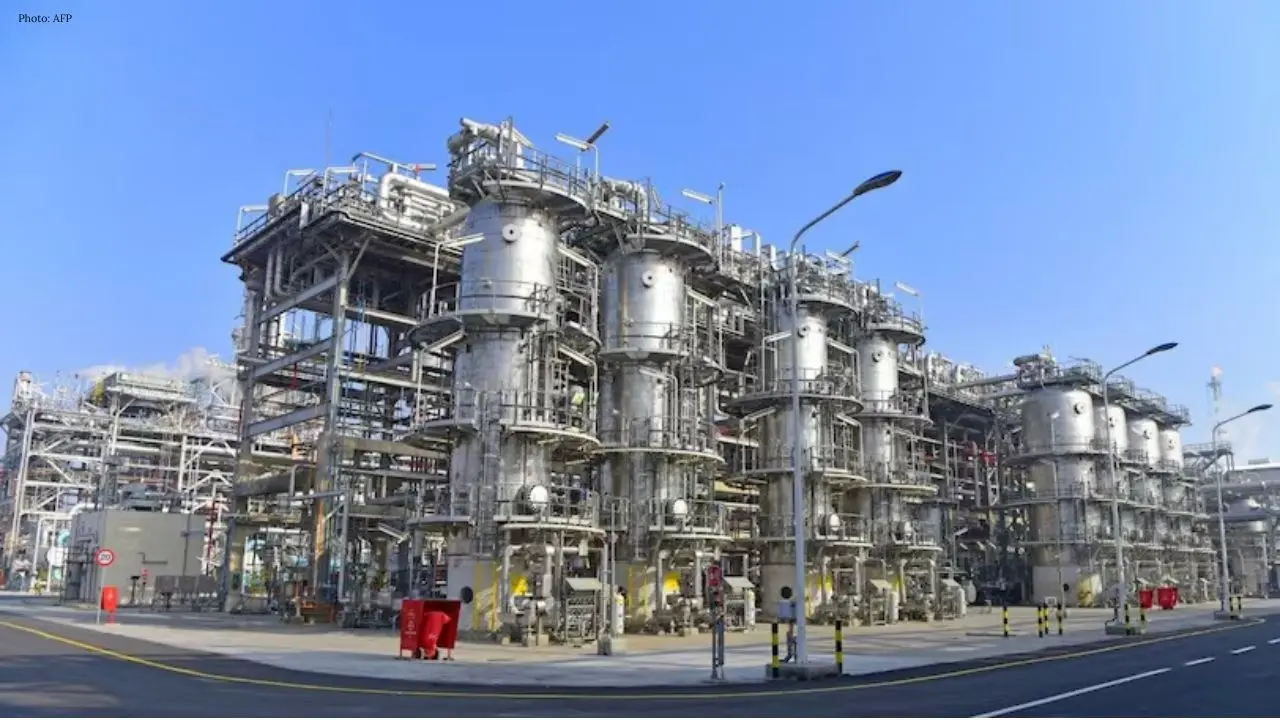
Drone Assault Targets Major Kuwait Oil Refinery
A drone attack on Mina al-Ahmadi Refinery triggered fires, but no injuries reported, according to Ku
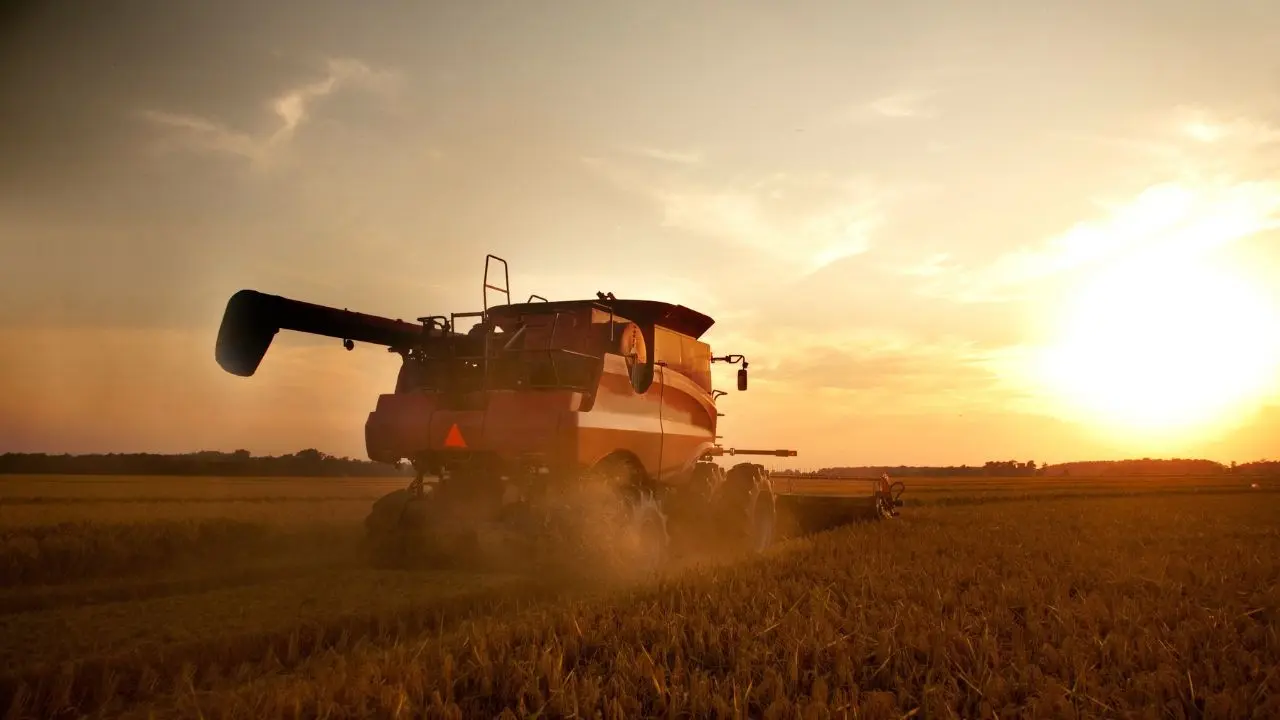
Al Najd Farmers Kick Off Wheat Harvest Season
Wheat harvesting begins in Al Najd, with anticipated production of 8,000 tons thanks to government b

Oman Celebrates World Autism Awareness Day 2026
Dubai’s Ministry emphasizes empowerment and understanding for autism during a lively community event

UAE Art Show in Seoul Challenges Stereotypes
Exhibition in Seoul highlights diverse UAE art, moving beyond luxury stereotypes to explore identity

Starbucks Strikes Major Partnership for China Growth
Starbucks teams with Boyu Capital, selling a majority stake in China unit to ramp up store growth an

Couple Among Three Charged in Massive Meth Trafficking Case in Malaysia
Three charged in Malaysia for trafficking 510kg of meth; if convicted, they could face severe penalt
Murder Suspect Returns to Geylang Crime Scene for Investigation
Singapore police revisit Geylang as a 48-year-old suspect faces charges in the fatal stabbing of a 7
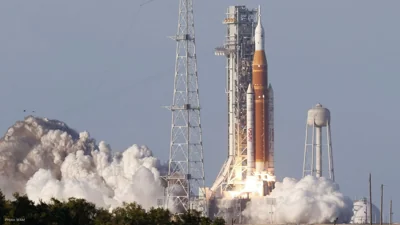
NASA Launches Artemis II Crew for 10-Day Lunar Mission
NASA launches Artemis II with four astronauts for a 10-day Moon mission, marking the first crewed lu

Dubai RTA, Ministry Partner for Family First Programme
Dubai RTA and Ministry of Family partner to enhance transport, urban spaces, and services under Fami

Bank of Baroda Faces Abu Dhabi Legal Battle over NMC Collapse
Bank of Baroda’s involvement in Abu Dhabi litigation tied to the NMC Healthcare collapse raises repu
Top Museum Openings of 2026 Set to Transform Global Tourism
From Los Angeles to Abu Dhabi and Brussels, 2026 brings major museum launches—Lucas Museum, Guggenhe