Post by : Zayd Kamal
The mysteries of the past continue to intrigue and baffle us, especially when it comes to ancient technologies. From massive stone structures to intricate tools, the technologies of ancient civilizations often surpass what many believe was possible for their time. Despite numerous scientific advancements, there are still many technologies from ancient cultures that scientists cannot fully explain. These inventions, crafted with ingenuity and skill, remain a testament to human creativity and mystery. In this article, we will explore 12 ancient technologies scientists can't explain, each of which challenges our understanding of the past.
Often referred to as the world’s first analog computer, the Antikythera Mechanism was discovered in 1901 off the coast of the Greek island Antikythera. This device, made of bronze, was used to predict astronomical positions and eclipses. Its intricate gears and wheels suggest a level of technological advancement far beyond the understanding of scientists at the time. Even with modern technology, the full purpose and functioning of the mechanism remain a mystery.
One of the most iconic structures of ancient Egypt, the Great Pyramid of Giza, has puzzled scientists and archaeologists for centuries. The sheer scale of the pyramid, along with the precision in its construction, raises questions about how the ancient Egyptians were able to build such a massive structure using basic tools. Theories range from advanced lost technologies to the possibility of extraterrestrial assistance.
Located in the UK, Stonehenge is an ancient stone circle whose purpose has long been debated. The precision with which the stones were arranged, particularly considering the technology available to the builders, is mind-boggling. How these massive stones, some weighing several tons, were transported and arranged so perfectly remains an enduring mystery.
The Baghdad Battery, discovered in modern-day Iraq, consists of a clay jar, a copper cylinder, and an iron rod. When filled with acid or vinegar, the jar is believed to have been able to generate a small electric current. The use of this technology remains a subject of debate, with some suggesting it could have been a primitive form of a battery, while others believe it was used for other purposes, such as electroplating.
In the deserts of southern Peru, the Nazca Lines are a series of massive geoglyphs etched into the ground, some spanning over 1,200 feet. These lines form complex patterns, including animals, geometric shapes, and even a humanoid figure. The purpose behind these lines and how they were created without the ability to view them from the air is still unknown. Some believe they could have had astronomical or religious significance, while others suggest extraterrestrial involvement.

The Olmec civilization, considered one of the first major Mesoamerican cultures, left behind large stone heads, some weighing over 40 tons. These colossal heads are so finely carved that they raise questions about how the Olmec people were able to transport and carve such large stones using primitive tools. The techniques used to create these heads remain unexplained.
Damascus steel was a form of metal used in swordmaking during the medieval period, known for its strength and distinctive patterns. The method for creating Damascus steel was lost by the 18th century, and despite modern advances in metallurgy, scientists have been unable to replicate the process. The steel was highly valued for its ability to maintain a sharp edge, yet its precise manufacturing process remains a mystery.
Spanning over 13,000 miles, the Great Wall of China is a colossal feat of ancient engineering. While its construction is credited to various Chinese dynasties, the precise techniques used to build such an expansive structure with limited tools and resources is still not fully understood. The question of how workers managed to transport the immense stones over such long distances is a mystery that continues to intrigue archaeologists.
Located in Malta, the Hypogeum of Ħal-Saflieni is an ancient underground temple complex that dates back to around 4000 BCE. This structure, built entirely underground, includes chambers, murals, and intricate carvings. The most perplexing part is the sound acoustics in the temple, where a person's voice can echo in a manner that suggests advanced knowledge of sound engineering, a concept that wasn’t thought to be known at that time.
The Moai statues of Easter Island are among the most famous remnants of an ancient civilization. These stone statues, some weighing several tons, were carved and transported across the island. The technology behind how these statues were moved, especially considering the island’s remote location, remains a puzzle. Some theories suggest that the statues were “walked” to their positions using ropes and manpower, but the precise techniques used are still unclear.
The Inca civilization built an advanced network of roads and suspension bridges that spanned the rugged terrain of the Andes Mountains. The quality and durability of these roads, many of which were constructed without the use of mortar, suggest an advanced understanding of engineering. The suspension bridges, often made from grass, were able to withstand extreme weather conditions, and their construction methods are still not fully understood.
This Roman artifact, dating back to the 4th century AD, is a glass cup that changes color when viewed in different lights. The cup is made from a special glass known as dichroic glass, which contains nanoparticles of gold and silver. The technique used to create this cup is unknown, and despite modern advancements in materials science, the precise method of making the dichroic glass remains a mystery.
The article delves into 12 Ancient Technologies Scientists Can't Explain, exploring mysterious inventions from ancient civilizations that continue to perplex modern science. From the precision of the Egyptian pyramids and Stonehenge to the enigmatic Antikythera Mechanism, each of these technologies defies our understanding of the past. Other wonders, like the Baghdad Battery, Moai statues, and the Inca road system, challenge the notion of what was possible for ancient cultures. Despite modern advancements, these inventions remain unexplained, continuing to captivate researchers and history enthusiasts alike.
The information provided in this article is for general informational purposes only. While every effort is made to ensure accuracy, the content may not always reflect the most up-to-date scientific findings. Readers are encouraged to consult expert sources and conduct their own research for further details. Content by dxb news network.

Trump Hints at Ending Military Ops as US Eases Iran Oil Sanctions
Trump may soon end US military action in the Middle East as Iran attacks continue. US temporarily ea

Aryna Sabalenka Survives Tough Battle at Miami Open
World No.1 Aryna Sabalenka wins a tight match vs Ann Li at Miami Open. Top seeds Alcaraz, Rybakina,
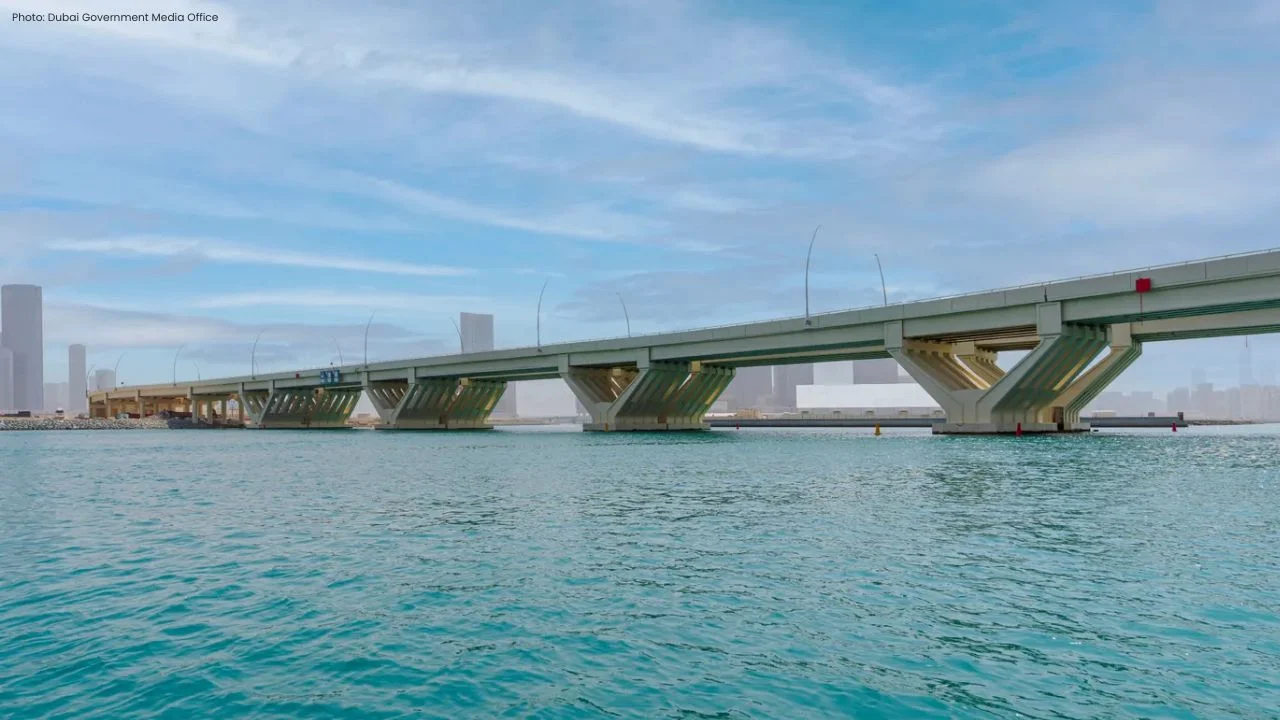
Abu Dhabi Opens Two New Bridges to Cut Traffic by 60%
DMT launches two high-capacity bridges linking Al Reem Island to E‑12, reducing travel time by 15 mi

Family Wins “Family of the Year 2026” at Noor Al Quran Event in Ras Al Khaimah
A family honored at the Noor Al Quran initiative in Ras Al Khaimah for Quran memorization and strong

US Approves $16.5B Arms Deal Amid Iran War Escalation
US approves $16.5B arms sale to Gulf allies and $7B to UAE, boosting defence amid Iran tensions whil

UAE Busts Hezbollah-Iran Terror Network, Members Held
UAE authorities have broken a terror network linked to Hezbollah and Iran, arresting members accused

Swiatek Stunned by Linette in Miami Open Upset Shock
Iga Swiatek suffered a shocking defeat to Magda Linette at the Miami Open, marking her first opening


Bank of Baroda Faces Abu Dhabi Legal Battle over NMC Collapse
Bank of Baroda’s involvement in Abu Dhabi litigation tied to the NMC Healthcare collapse raises repu
Top Museum Openings of 2026 Set to Transform Global Tourism
From Los Angeles to Abu Dhabi and Brussels, 2026 brings major museum launches—Lucas Museum, Guggenhe

UAE Tour Highlights UAE’s Strength in Hosting Global Sports Events
Abu Dhabi Sports Council says the successful UAE Tour reflects the UAE’s leading role in hosting maj

EU Seeks Clarity from US After Supreme Court IEEPA Ruling
European Commission urges full transparency from the US on steps after Supreme Court ruling, emphasi
SpaceX Launches 53 New Satellites for Expanding Starlink Network
SpaceX launches 53 Starlink satellites in two Falcon 9 missions, breaking reuse records and expandin

RTA Awards Contract for Phase II of Hessa Street Upgrade in Dubai
Phase II of Hessa Street Development to add bridges, tunnel, and upgraded intersections, doubling ca

UAE Gold Prices Today, Monday 16 February 2026: Dubai & Abu Dhabi Updated Rates
Gold prices in UAE on 16 Feb 2026 updated: 24K around AED 599.75/gm, 22K AED 555.25/gm, and 18K AED

Over 25 Ahmedabad Schools Receive Bomb Threat Email, Authorities Investigate
More than 25 schools in Ahmedabad evacuated after bomb threat emails mentioning Khalistan. Authoriti