Post by : Anis Karim
Winter has always been a high-risk season for respiratory illnesses, but this year’s landscape is more complex. Several regions have reported increased cases of influenza, RSV, viral sore throats, and gastrointestinal infections. These outbreaks began earlier than usual and have spread faster due to fluctuating weather patterns, crowded travel hubs, and increased mobility during the holiday period.
For travellers, this creates a unique challenge. Airports, rail stations, local transport networks, and hotels become high-touch, high-exposure environments. Even short-distance travellers face elevated risks. A thoughtfully assembled health kit helps prevent infections, manage symptoms, and reduce disruptions during travel.
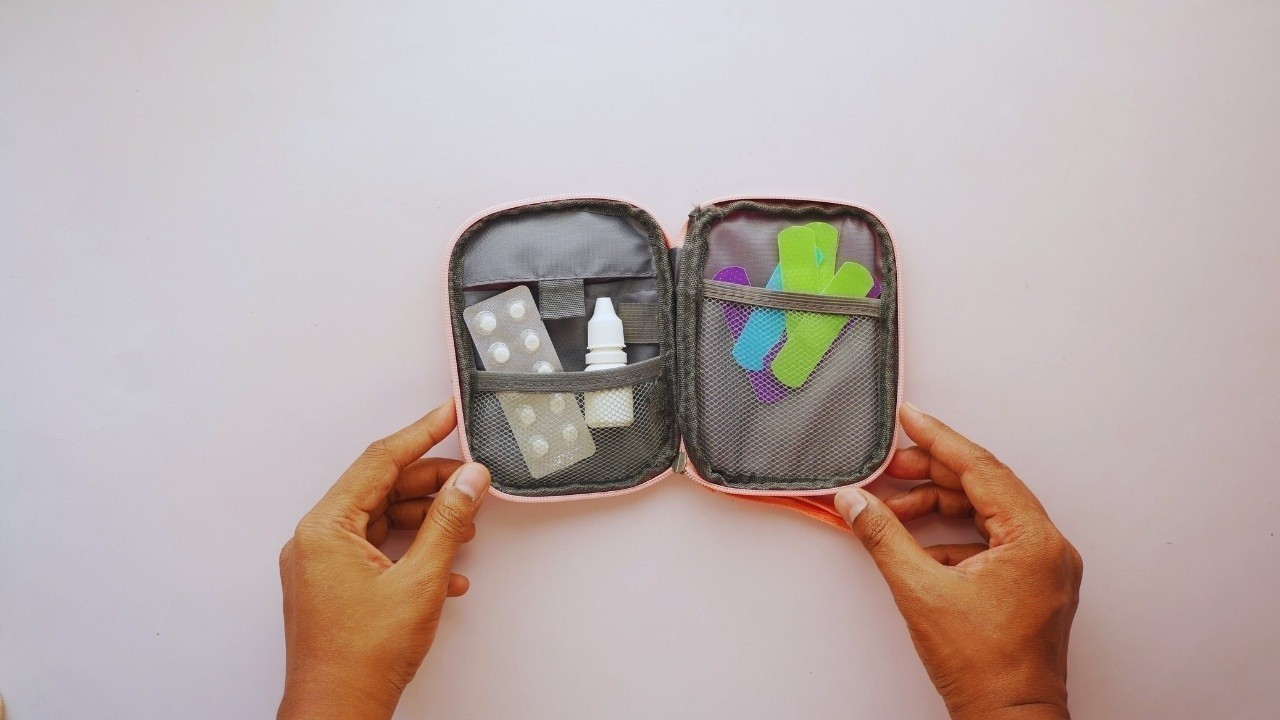
A winter travel health kit is more than a first-aid box — it’s a personalised safety tool designed to keep travellers healthy, comfortable, and prepared for unexpected situations.
Before building a health kit, it’s important to understand the risk spectrum of winter travel:
Respiratory infections rise due to dry air, indoor crowding, and active viral transmission.
Cold weather weakens immunity, making travellers more vulnerable.
Sudden temperature changes from warm interiors to cold exteriors trigger throat irritation and breathing difficulties.
Fatigue and dehydration during travel reduce the body's natural defences.
Contaminated surfaces and shared spaces increase the chance of catching illnesses.
By packing a well-equipped health kit, travellers can protect themselves from these common but preventable problems.
A travel health kit must be compact yet comprehensive. Below is a complete guide to essential items, why they matter, and how they help in real travel situations.
Every traveller should pack the medications they use regularly. These include:
daily prescription medicines
medications for chronic conditions
supplements recommended by health professionals
inhalers, if needed
allergy medications
Travellers should always keep these in cabin luggage to avoid disruption if checked bags are delayed. A small organiser helps maintain easy access.
With respiratory illnesses on the rise, these items are crucial:
Helps keep nasal passages moist during dry winter air and improves comfort in dusty or cold environments.
Soothe irritation from cold air or early symptoms of infection.
Provides relief from nasal congestion or mild breathing discomfort.
Useful in crowded spaces, flights, and enclosed transport. They also protect travellers with low immunity.
Helpful in extremely dry destinations or long flights.
It’s essential to pack medications for common winter symptoms:
fever reducers
pain relievers
medications for body aches
heat patches for shoulder or back stiffness
Winter travel often triggers muscle stiffness due to cold weather, long seating hours, and reduced movement. These essentials ensure comfort throughout the journey.
Travellers should include:
cough syrup in a travel-size bottle
decongestant tablets
cold-relief capsules
herbal teas or sachets that help with throat irritation
These items help manage early cold symptoms before they worsen.
Winter outbreaks often include gastrointestinal infections due to food contamination or sudden dietary changes while travelling.
Important items include:
oral rehydration salts
probiotics
antacids
anti-diarrhoeal tablets
a compact electrolytes pack
These items are especially helpful on long journeys, road trips, and international travel where unfamiliar foods may upset digestion.
Travellers often face exhaustion, exposure, and inconsistent meals, which impact immunity. Helpful additions include:
vitamin C tablets
zinc supplements
vitamin D
immune-support herbal blends
warm beverages like ginger or cinnamon sachets
These maintain strength through fluctuating travel conditions.
A basic wound-care section prevents minor injuries from turning problematic.
Include:
small bandages
antiseptic wipes
cotton pads
a mild antiseptic cream
gauze
medical tape
tweezers
These are vital for outdoor activities, trekking, or simply navigating unfamiliar environments.
These items remain the first line of defence against infections:
hand sanitiser
disinfectant wipes
tissue packs
surface disinfectant spray
biodegradable soap sheets
reusable cloth mask
Travellers frequently touch public surfaces where viruses and bacteria survive for hours. Regular sanitising significantly reduces infection risk.
Winter travel often results in dehydration, which weakens immunity. Include:
insulated water bottle
compact thermometer
hydration sachets
lip balm
moisturiser
hand-cream for dry skin
These tools protect against dryness, cracked skin, and temperature-related discomfort.
Depending on the region, travellers may need additional items such as:
thermal wear
warm socks
gloves
heat pads
scarves and neck warmers
insulated face coverings
warmers for hands and feet
compact blankets for long journeys
These items help travellers adapt to sudden temperature drops and reduce the risk of colds.
Health-related documents ensure safe, hassle-free travel:
prescriptions
physician notes
health-insurance details
emergency contact list
list of medical conditions
digital backups on phone or cloud
In case of emergencies, these documents help medical professionals respond quickly.
Compact travel-friendly devices can be extremely helpful:
smart thermometer
pulse oximeter (for vulnerable travellers)
travel-size air purifier
UV-C portable sanitation wand (optional)
These offer peace of mind during unexpected health issues.
Healthy snacks help maintain energy levels:
protein bars
dry fruits
herbal tea bags
ginger candy
sugar-free mints
Winter travel often results in irregular meals and long waiting hours — these items help travellers stay energised.
It’s easy to overpack, but travellers should avoid:
medications without need
expired tablets
large liquid bottles
unnecessary supplements
items requiring refrigeration
A good kit should be practical, lightweight, and easy to access.
This winter’s rise in respiratory and stomach infections has reshaped travel behaviour. A comprehensive health kit helps travellers:
prevent infections
respond quickly to symptoms
avoid emergency purchases in unfamiliar places
reduce travel disruptions
maintain immunity through harsh conditions
With fluctuating viral activity, being prepared matters more than ever.
Travellers can personalise their health kits based on travel type.
Focus on sanitisation, immunity support, and fatigue relief.
Include child-safe medicines, syrups, and extra sanitisation wipes.
Lightweight wound care, hydration tools, and basic medicines.
Compression socks, moisturisers, eye masks, and cough relief.
Stronger wound-care kits, blister patches, and insect-repellent creams.
A reliable winter health kit should be:
kept in a waterproof pouch
stored in carry-on luggage
checked for refills after each trip
updated every season
labelled clearly for quick access
Good organisation ensures travellers can act quickly in emergencies.
Travelling during winter invites unique health challenges — from respiratory flare-ups and viral outbreaks to sudden weather shifts and fatigue. A well-prepared winter travel health kit is the traveller’s best defence. It ensures comfort, confidence, and safety in unfamiliar environments and crowded travel hubs. By packing the right essentials, staying aware of evolving risks, and prioritising personal wellness, travellers can enjoy their journeys while staying protected throughout the season.
A winter health kit is not just a precaution — it is a modern travel necessity.
This article offers general guidance for winter travel preparation. Travellers with chronic conditions, allergies, or special medical needs should consult their healthcare professionals for personalised advice.

UAE Celebrates Sustainability Champions at EEG Gala
Dubai's EEG gala honored 52 organizations for their sustainability efforts, highlighting the pivotal

Iranian Crude Tanker Shifts Course from India to China
Ping Shun, under US sanctions, changes its destination from India's Vadinar Port to China amid payme

UAE Foils Missile, Drone Attacks from Iran
United Arab Emirates intercepts Iranian missiles and drones; authorities confirm safety and urge res
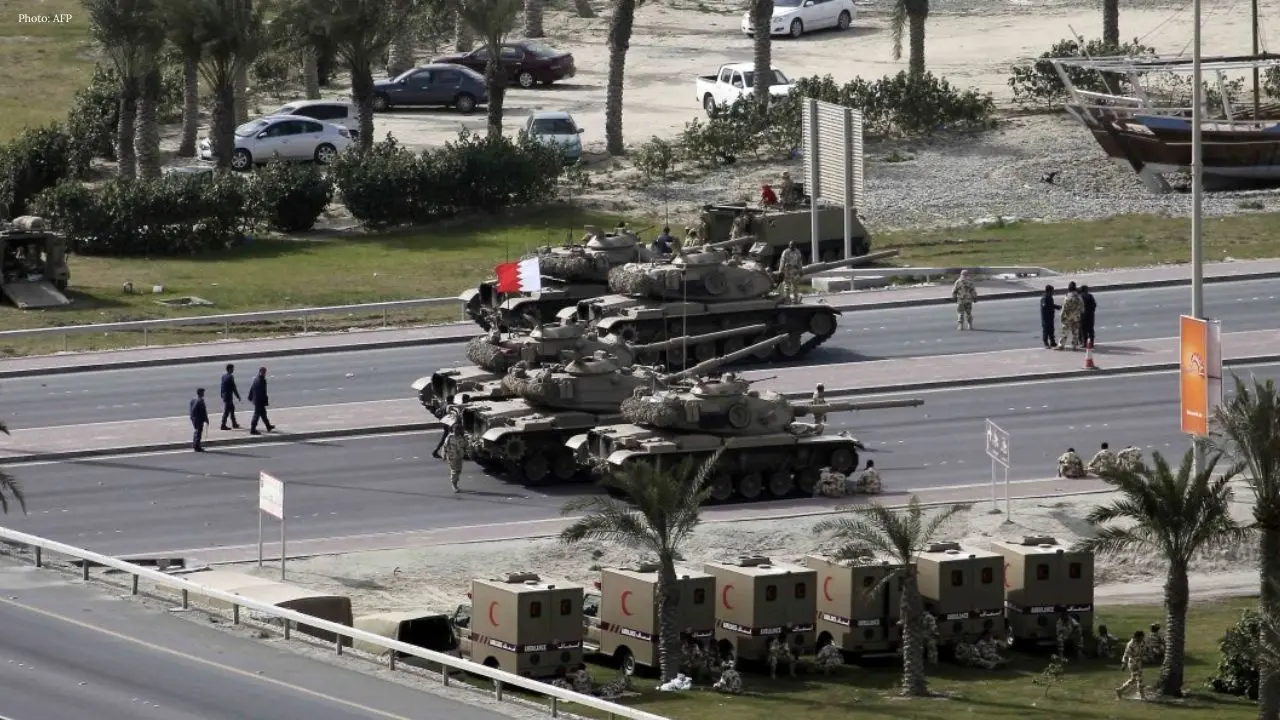
Bahrain Thwarts Drone and Missile Assaults Amid Iranian Hostilities
Bahrain's defense thwarted 188 missiles and 445 drones from Iran, underscoring heightened regional s

Drone Assault Targets Major Kuwait Oil Refinery
A drone attack on Mina al-Ahmadi Refinery triggered fires, but no injuries reported, according to Ku

Al Najd Farmers Kick Off Wheat Harvest Season
Wheat harvesting begins in Al Najd, with anticipated production of 8,000 tons thanks to government b

Oman Celebrates World Autism Awareness Day 2026
Dubai’s Ministry emphasizes empowerment and understanding for autism during a lively community event


UAE Art Show in Seoul Challenges Stereotypes
Exhibition in Seoul highlights diverse UAE art, moving beyond luxury stereotypes to explore identity

Starbucks Strikes Major Partnership for China Growth
Starbucks teams with Boyu Capital, selling a majority stake in China unit to ramp up store growth an

Couple Among Three Charged in Massive Meth Trafficking Case in Malaysia
Three charged in Malaysia for trafficking 510kg of meth; if convicted, they could face severe penalt

Murder Suspect Returns to Geylang Crime Scene for Investigation
Singapore police revisit Geylang as a 48-year-old suspect faces charges in the fatal stabbing of a 7

NASA Launches Artemis II Crew for 10-Day Lunar Mission
NASA launches Artemis II with four astronauts for a 10-day Moon mission, marking the first crewed lu

Dubai RTA, Ministry Partner for Family First Programme
Dubai RTA and Ministry of Family partner to enhance transport, urban spaces, and services under Fami

Bank of Baroda Faces Abu Dhabi Legal Battle over NMC Collapse
Bank of Baroda’s involvement in Abu Dhabi litigation tied to the NMC Healthcare collapse raises repu

Top Museum Openings of 2026 Set to Transform Global Tourism
From Los Angeles to Abu Dhabi and Brussels, 2026 brings major museum launches—Lucas Museum, Guggenhe