Post by : Anis Karim
Modern cities are expanding at unprecedented rates, bringing economic opportunities but also challenges to public health. Urban life often comes with stress, noise, pollution, and a lack of natural spaces—all factors that can negatively impact mental health.
Recognizing these issues, urban planners and policymakers are increasingly investing in green infrastructure. Parks, gardens, urban forests, and green rooftops are not merely aesthetic additions; they are essential components of city design aimed at improving quality of life.
Studies show that access to nature in urban environments reduces stress, alleviates anxiety, and fosters social cohesion. As mental health concerns rise globally, urban green spaces are emerging as a practical, cost-effective strategy to enhance wellbeing.
Green spaces provide numerous psychological benefits. Exposure to nature can lower cortisol levels, reduce blood pressure, and improve mood. Even short walks in parks or time spent in community gardens can boost concentration, creativity, and emotional resilience.
Urban green spaces also offer restorative experiences, allowing individuals to escape from the hustle and sensory overload of city life. The presence of trees, water features, and open lawns encourages relaxation and mindfulness, fostering both short-term and long-term mental health benefits.
Moreover, green spaces support social interaction. Parks and recreational areas encourage group activities, sports, and informal gatherings, which help combat loneliness and foster community wellbeing.
Chronic stress is a widespread issue in urban environments, exacerbated by traffic congestion, long work hours, and noise pollution. Research shows that exposure to natural settings reduces physiological and psychological stress markers.
Natural light, fresh air, and greenery trigger calming neural pathways, promoting relaxation and reducing anxiety. Cities that integrate nature into urban planning create spaces that serve as natural buffers against the pressures of modern life.
Workplace proximity to parks or urban greenery has also been linked to lower employee burnout and increased productivity, emphasizing that green spaces are not only a public health intervention but also an economic asset.
Urban green spaces contribute to both physical and mental health. Parks and trails encourage walking, jogging, cycling, and other physical activities, which are essential for maintaining cardiovascular health, mobility, and weight management.
Physical activity outdoors is associated with improved mood, reduced depression, and enhanced cognitive function. By creating safe and accessible green areas, cities promote active lifestyles, which directly benefit mental health and overall wellbeing.
Green infrastructure also improves air quality, reduces urban heat, and mitigates environmental hazards, creating healthier living conditions that indirectly support psychological health.
Green spaces play a crucial role in fostering social cohesion. Community gardens, playgrounds, and local parks serve as gathering points where residents from diverse backgrounds interact, build relationships, and participate in communal activities.
Social connectivity is a key determinant of mental health. People who feel connected to their communities are less prone to anxiety, depression, and social isolation. Urban green spaces encourage informal socialization, volunteerism, and group fitness activities, strengthening communal ties.
These areas also provide inclusive environments where people of all ages, abilities, and backgrounds can participate, fostering a sense of belonging and shared responsibility for public spaces.
Cities are employing innovative strategies to increase green spaces despite limited land availability. Vertical gardens, green rooftops, pocket parks, and tree-lined streets are effective methods of integrating nature into dense urban landscapes.
Planning policies now often mandate a minimum percentage of green cover in residential and commercial developments. Multi-use parks that combine recreational, ecological, and aesthetic functions are becoming increasingly popular.
Urban planners are also using data-driven approaches to identify underserved neighborhoods lacking green spaces, ensuring equitable access to nature for all residents. These efforts reflect a growing understanding that mental health benefits must be inclusive, accessible, and strategically distributed.
Technology is enhancing how cities design and maintain green spaces. Smart irrigation systems, sensor-driven lighting, and environmental monitoring ensure that parks remain sustainable, safe, and vibrant.
Digital mapping and community apps allow residents to engage with green spaces, track usage, and provide feedback. Some cities have introduced interactive features, such as augmented reality trails, nature-based educational experiences, and fitness challenges, making green spaces more engaging and user-friendly.
By combining nature and technology, urban environments can maximize the mental health benefits of green spaces while maintaining operational efficiency.
Investing in urban green spaces yields economic and environmental returns. Properties near parks and gardens typically have higher real estate value, and neighborhoods with accessible green areas attract tourism and commercial activity.
Environmentally, green infrastructure mitigates urban heat islands, reduces flood risks, and improves biodiversity. Trees and vegetation act as natural air filters, reducing pollution and contributing to cleaner, healthier urban atmospheres.
These benefits create a virtuous cycle: healthier, happier residents support stronger local economies, while environmentally resilient cities remain attractive for investment and long-term development.
Cities worldwide are embracing green urban planning to promote mental wellbeing. Singapore’s “City in a Garden” initiative integrates lush greenery throughout urban landscapes, from rooftop gardens to extensive park networks.
In Copenhagen, bicycle-friendly streets are lined with trees and connected to parks, promoting active lifestyles and community engagement. New York City’s High Line transforms a disused railway into a linear park, providing urban residents with accessible green space and cultural experiences.
Even smaller cities are adopting green strategies, such as community forests, urban wetlands, and pocket parks, demonstrating that mental health-focused urban planning can be implemented at various scales.
Despite their benefits, expanding urban green spaces faces challenges. Limited land availability, high real estate costs, and competing development priorities can restrict new park creation.
Maintenance and funding are ongoing concerns. Parks require regular upkeep, landscaping, security, and infrastructure support to remain functional and safe. Climate change introduces additional complexities, including extreme weather events that threaten plant health and park accessibility.
Addressing these challenges requires collaboration between governments, urban planners, local communities, and private stakeholders to create sustainable, inclusive, and resilient green infrastructure.
The future of urban green spaces lies in multi-functional, adaptive, and community-oriented designs. Planners are exploring nature corridors, green belts, and eco-friendly public transport integration to create holistic urban ecosystems.
Emerging concepts like “biophilic cities” prioritize human-nature connections throughout urban development, promoting mental health, sustainability, and social cohesion. These cities view green spaces not as optional amenities but as core infrastructure essential for resilient, healthy urban life.
As global urbanization continues, integrating green spaces thoughtfully and equitably will remain a priority for enhancing the mental wellbeing of millions of city dwellers.
Urban green spaces are more than recreational areas; they are vital for mental health, social cohesion, and environmental sustainability. Parks, gardens, and urban forests provide respite from city stress, encourage physical activity, foster social connections, and improve overall wellbeing.
Cities investing in nature are recognizing that public health extends beyond hospitals and clinics—it begins with accessible, well-designed natural environments that support emotional and psychological health.
By prioritizing green infrastructure, incorporating technology, and promoting community engagement, urban areas can create inclusive spaces where nature and city life coexist harmoniously. Ultimately, these initiatives underscore the timeless truth that access to nature is essential for human flourishing, even amidst the concrete and steel of modern cities.
This article is for informational purposes only. It does not provide medical, psychological, or legal advice. The content reflects current global trends in urban green spaces and mental health, which may evolve with new research, city planning practices, and environmental considerations.
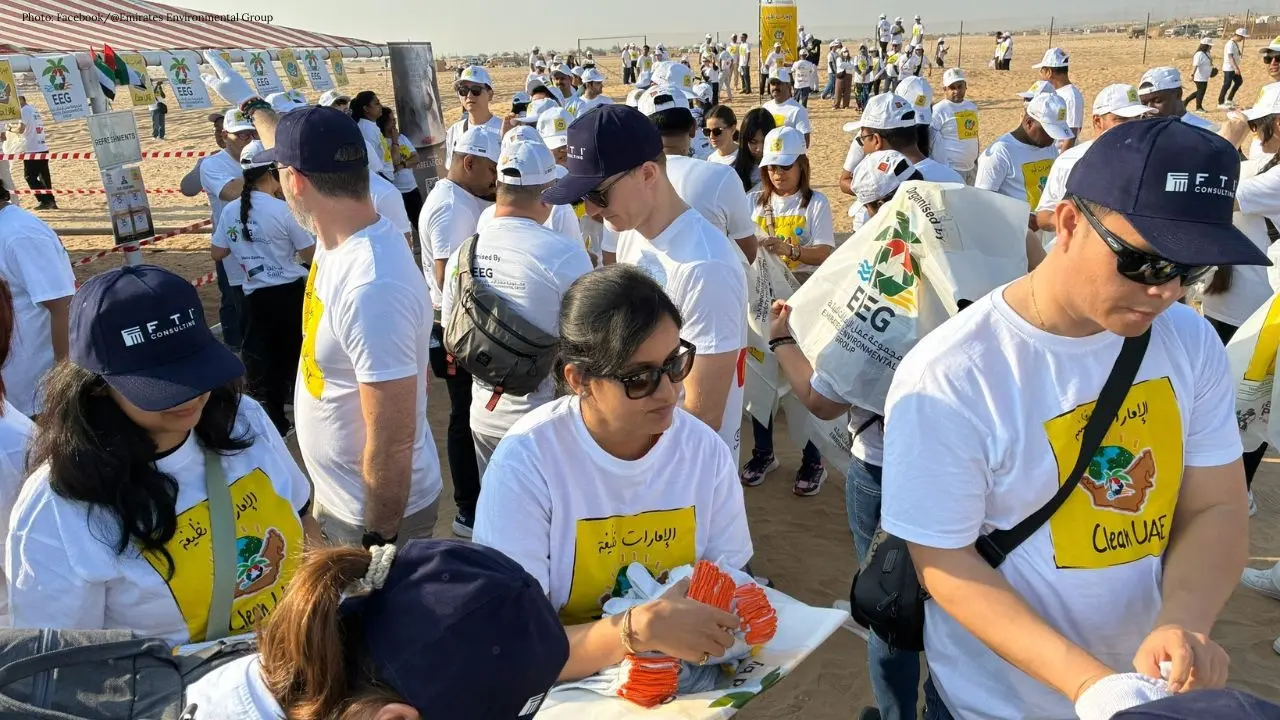
UAE Celebrates Sustainability Champions at EEG Gala
Dubai's EEG gala honored 52 organizations for their sustainability efforts, highlighting the pivotal

Iranian Crude Tanker Shifts Course from India to China
Ping Shun, under US sanctions, changes its destination from India's Vadinar Port to China amid payme

UAE Foils Missile, Drone Attacks from Iran
United Arab Emirates intercepts Iranian missiles and drones; authorities confirm safety and urge res

Bahrain Thwarts Drone and Missile Assaults Amid Iranian Hostilities
Bahrain's defense thwarted 188 missiles and 445 drones from Iran, underscoring heightened regional s
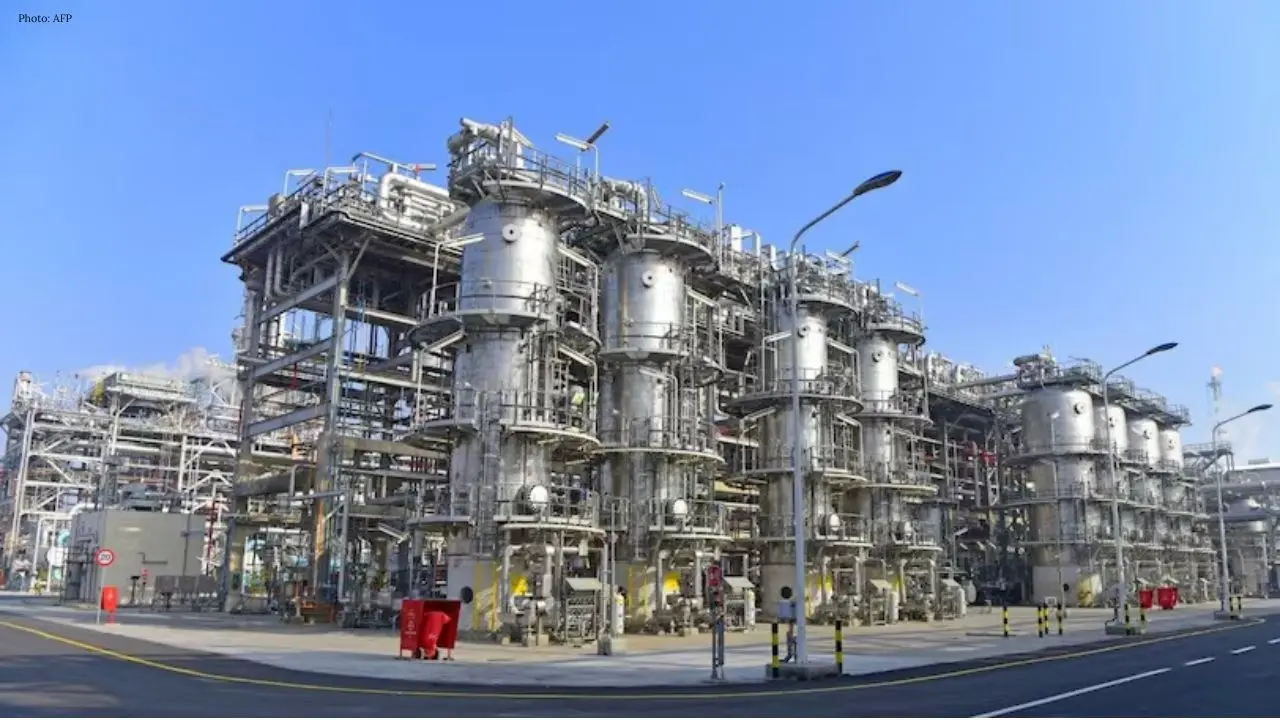
Drone Assault Targets Major Kuwait Oil Refinery
A drone attack on Mina al-Ahmadi Refinery triggered fires, but no injuries reported, according to Ku

Al Najd Farmers Kick Off Wheat Harvest Season
Wheat harvesting begins in Al Najd, with anticipated production of 8,000 tons thanks to government b

Oman Celebrates World Autism Awareness Day 2026
Dubai’s Ministry emphasizes empowerment and understanding for autism during a lively community event

UAE Art Show in Seoul Challenges Stereotypes
Exhibition in Seoul highlights diverse UAE art, moving beyond luxury stereotypes to explore identity

Starbucks Strikes Major Partnership for China Growth
Starbucks teams with Boyu Capital, selling a majority stake in China unit to ramp up store growth an

Couple Among Three Charged in Massive Meth Trafficking Case in Malaysia
Three charged in Malaysia for trafficking 510kg of meth; if convicted, they could face severe penalt
Murder Suspect Returns to Geylang Crime Scene for Investigation
Singapore police revisit Geylang as a 48-year-old suspect faces charges in the fatal stabbing of a 7
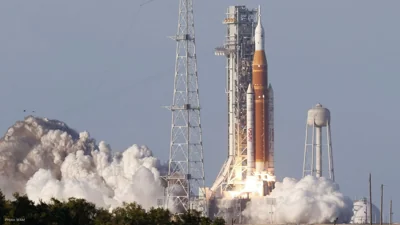
NASA Launches Artemis II Crew for 10-Day Lunar Mission
NASA launches Artemis II with four astronauts for a 10-day Moon mission, marking the first crewed lu

Dubai RTA, Ministry Partner for Family First Programme
Dubai RTA and Ministry of Family partner to enhance transport, urban spaces, and services under Fami

Bank of Baroda Faces Abu Dhabi Legal Battle over NMC Collapse
Bank of Baroda’s involvement in Abu Dhabi litigation tied to the NMC Healthcare collapse raises repu
Top Museum Openings of 2026 Set to Transform Global Tourism
From Los Angeles to Abu Dhabi and Brussels, 2026 brings major museum launches—Lucas Museum, Guggenhe