Post by : Sam Jeet Rahman
Dubai’s real estate market has grown exponentially over the past decade, attracting both residents and international investors. With its thriving economy, world-class infrastructure, and luxury lifestyle, the demand for rentals in Dubai remains consistently high. However, this high demand has also led to an increase in rental scams, affecting unsuspecting tenants every year.
In 2025, rental scams continue to evolve, becoming more sophisticated and harder to detect. Whether you are a first-time tenant or a seasoned expat, understanding these scams, learning from real cases, and following practical prevention strategies is essential to safeguard your finances and well-being.
A rental scam occurs when a fraudulent landlord, agent, or third-party misleads tenants with fake property listings, deceptive offers, or false documentation to obtain money or personal information. Common scams in Dubai include:
Fake Listings: Properties that do not exist or are already rented out.
Upfront Payment Scams: Demanding large security deposits or rent before any legal agreement.
Identity Theft: Using fake documents to steal tenants’ personal or financial information.
Duplicate Listings: Listing the same property multiple times on different platforms to trap several tenants.
Fraudsters often exploit the high rental demand and limited availability of popular areas like Dubai Marina, Downtown Dubai, Jumeirah, and Palm Jumeirah, making vigilance critical.
A tenant found a luxury villa listing online at a surprisingly low rent in Jumeirah. The “landlord” requested a full 12-month advance and provided a fake contract. Upon transfer, the tenant discovered that the villa was already occupied, and the person was a fraudster.
Two tenants attempted to rent the same apartment in Dubai Marina through different online portals. Both paid deposits, but only one could legally occupy the property. The fraud was discovered when the legitimate landlord reported the unauthorized payments.
A group posing as a property management company asked multiple tenants to submit rent and security deposits for a newly constructed apartment. The building was still under construction, and the company did not exist legally. Several victims lost tens of thousands of dirhams before authorities intervened.
These cases highlight that rental scams can happen to anyone, even experienced tenants, if proper precautions are not taken.
Too-Good-to-Be-True Prices: Extremely low rent compared to market rates is often a trap.
Pressure to Pay Quickly: Scammers often insist on fast payment to prevent you from double-checking.
Requests for Payment Outside Legal Channels: Avoid paying cash or via unofficial bank accounts.
Lack of Proper Documentation: Genuine landlords provide valid Ejari contracts, title deeds, or proof of ownership.
Unverifiable Landlord or Agent: If the person cannot be confirmed through official channels, it is a red flag.
Always confirm ownership through the Dubai Land Department (DLD) or Ejari system. The Ejari registration ensures the contract is recognized legally and protects both the tenant and landlord.
Always work with RERA-certified brokers. Licensed agents have identification numbers and follow government regulations, reducing the risk of scams.
Never pay the full year’s rent upfront without a verified contract and receipt. Typically, rent is paid through post-dated cheques or secure bank transfers.
Fraudsters often use stock images or photos of other properties. Visit the property in person to verify its existence and condition.
Research landlords, agents, and property management companies online. Past tenants’ experiences can help detect red flags.
A valid Ejari-registered rental contract protects you legally. Avoid verbal agreements or hand-written contracts without official recognition.
If you encounter a potential scam, report it immediately to Dubai Police and DLD. Early reporting prevents others from falling victim.
Scammers have increasingly moved online, posting fake listings on social media, classifieds, and property portals. In response, property platforms in Dubai are implementing:
Verified Listings: Only registered landlords or brokers can list properties.
Digital Contracts and Ejari Integration: Streamlined online registration reduces fake agreements.
AI-Based Fraud Detection: Identifies duplicate or suspicious listings.
Tenants must remain vigilant, verify listings, and cross-check with official channels, even as technology evolves.
Always cross-check listings on multiple official portals.
Confirm landlord or agent registration with RERA.
Use official bank transfers rather than cash or third-party apps.
Be cautious of listings with unusually high-quality photos and low prices—they may be stolen from legitimate listings.
Maintain a paper trail and keep copies of all communications and agreements.
Q1. How can I verify a landlord in Dubai?
Check the property ownership through the Dubai Land Department or request proof of title deed. RERA-licensed brokers can also confirm ownership.
Q2. What is an Ejari contract, and why is it important?
Ejari is a government-registered tenancy contract that legally records rental agreements in Dubai, protecting both tenants and landlords.
Q3. Can I recover money lost in a rental scam?
Yes, by reporting the case to Dubai Police and the DLD, although recovery depends on the situation and legal proceedings.
Q4. Are online property portals safe to use?
Official portals are generally safe, but always verify listings through Ejari and direct landlord contact before making payments.
Q5. What is the typical deposit for renting in Dubai?
Security deposits usually range from 5% to 10% of annual rent, payable to the landlord or property management company and documented in the Ejari contract.
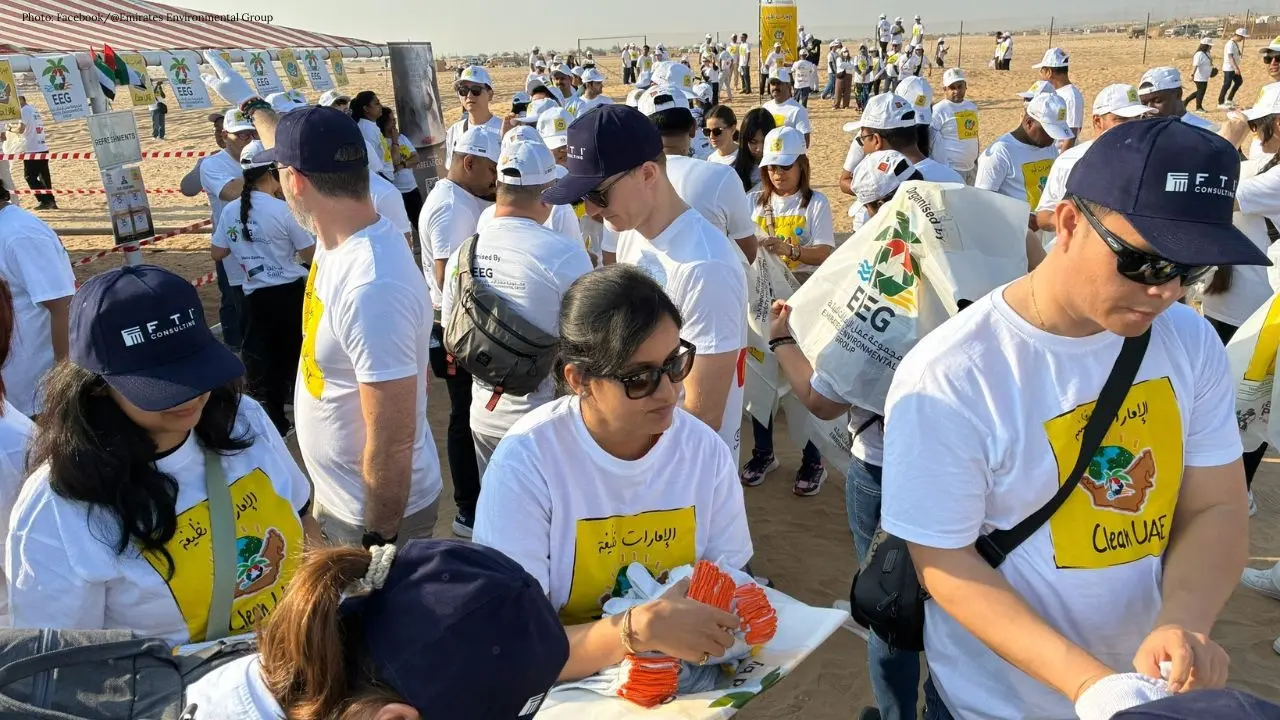
UAE Celebrates Sustainability Champions at EEG Gala
Dubai's EEG gala honored 52 organizations for their sustainability efforts, highlighting the pivotal

Iranian Crude Tanker Shifts Course from India to China
Ping Shun, under US sanctions, changes its destination from India's Vadinar Port to China amid payme

UAE Foils Missile, Drone Attacks from Iran
United Arab Emirates intercepts Iranian missiles and drones; authorities confirm safety and urge res

Bahrain Thwarts Drone and Missile Assaults Amid Iranian Hostilities
Bahrain's defense thwarted 188 missiles and 445 drones from Iran, underscoring heightened regional s
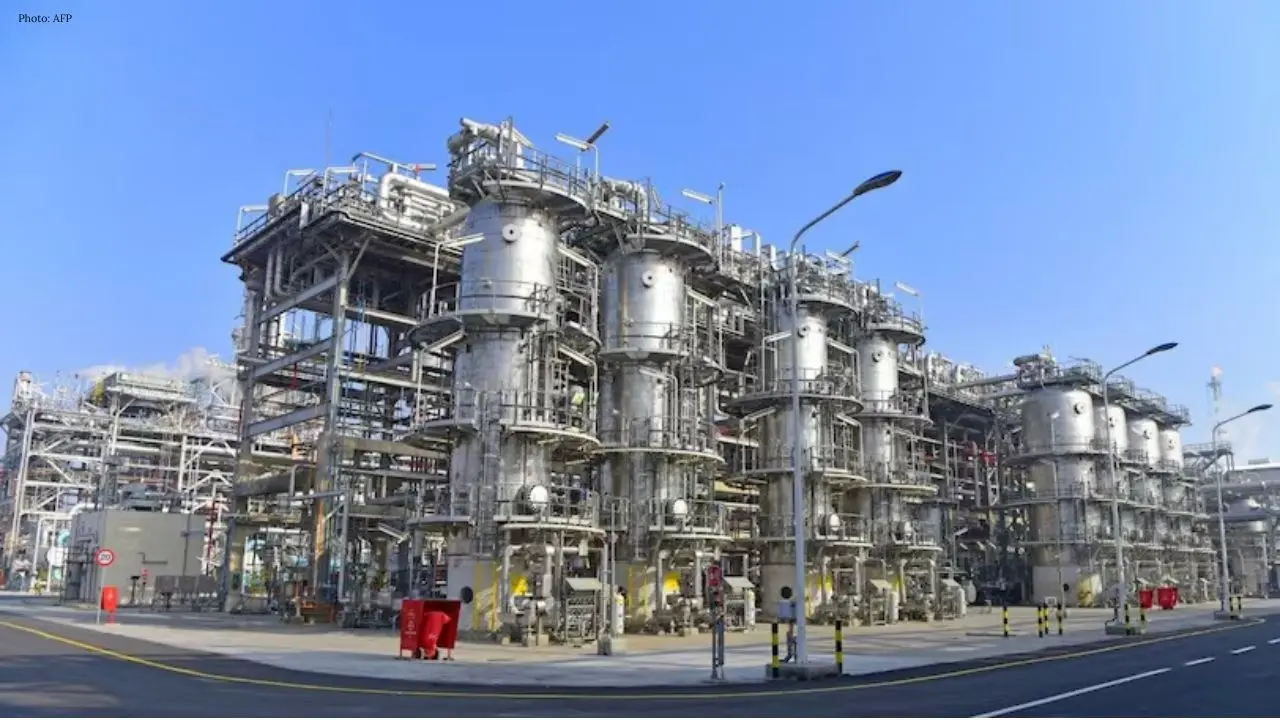
Drone Assault Targets Major Kuwait Oil Refinery
A drone attack on Mina al-Ahmadi Refinery triggered fires, but no injuries reported, according to Ku

Al Najd Farmers Kick Off Wheat Harvest Season
Wheat harvesting begins in Al Najd, with anticipated production of 8,000 tons thanks to government b

Oman Celebrates World Autism Awareness Day 2026
Dubai’s Ministry emphasizes empowerment and understanding for autism during a lively community event


UAE Art Show in Seoul Challenges Stereotypes
Exhibition in Seoul highlights diverse UAE art, moving beyond luxury stereotypes to explore identity

Starbucks Strikes Major Partnership for China Growth
Starbucks teams with Boyu Capital, selling a majority stake in China unit to ramp up store growth an

Couple Among Three Charged in Massive Meth Trafficking Case in Malaysia
Three charged in Malaysia for trafficking 510kg of meth; if convicted, they could face severe penalt

Murder Suspect Returns to Geylang Crime Scene for Investigation
Singapore police revisit Geylang as a 48-year-old suspect faces charges in the fatal stabbing of a 7

NASA Launches Artemis II Crew for 10-Day Lunar Mission
NASA launches Artemis II with four astronauts for a 10-day Moon mission, marking the first crewed lu
Dubai RTA, Ministry Partner for Family First Programme
Dubai RTA and Ministry of Family partner to enhance transport, urban spaces, and services under Fami
Bank of Baroda Faces Abu Dhabi Legal Battle over NMC Collapse
Bank of Baroda’s involvement in Abu Dhabi litigation tied to the NMC Healthcare collapse raises repu
Top Museum Openings of 2026 Set to Transform Global Tourism
From Los Angeles to Abu Dhabi and Brussels, 2026 brings major museum launches—Lucas Museum, Guggenhe