Post by : Aaryan Singh
In boardrooms across the world, conversations about growth, resilience, and national competitiveness increasingly revolve around one critical function that was once considered operational: supply chain management.
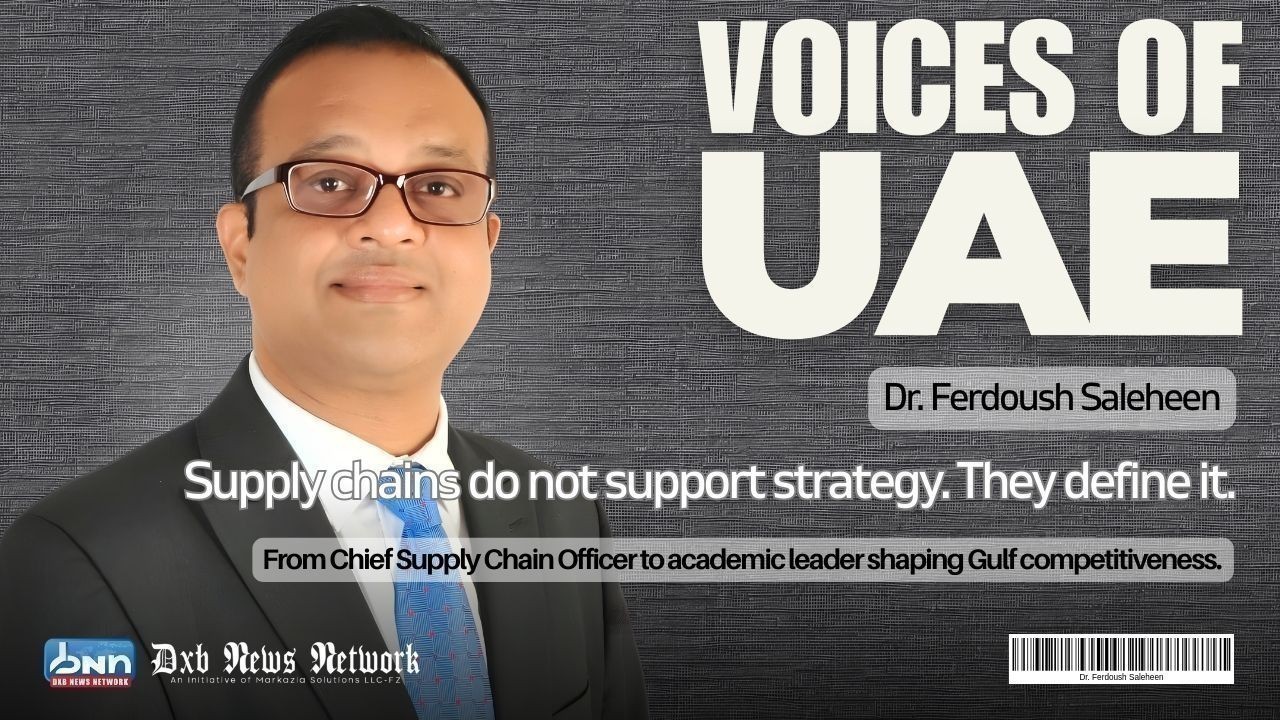
For Dr. Saleheen, this realization did not arrive in theory. It emerged from nearly two decades of executive leadership across multinational corporations and national conglomerates, where every procurement decision, inventory movement, and logistics realignment carried financial consequences at scale.
Today, based in Fujairah and serving as Assistant Professor of Supply Chain Management at Sharjah Maritime Academy, Dr. Saleheen stands at the intersection of industry transformation and academic leadership. His journey reflects how supply chain management has evolved from back-office coordination into a boardroom mandate that defines long-term competitiveness.
When Operations Became Strategy
Before entering academia, Dr. Saleheen led end-to-end supply chain transformations across fast-moving consumer goods, retail, and household electronics sectors in Bangladesh. Over the course of his executive career, he oversaw integrated operations spanning procurement, manufacturing, warehousing, logistics, systems integration, and governance frameworks, contributing to the expansion of operations from thirty million dollars to four hundred fifty million dollars.
His turning point came while serving as Head of Supply Chain at Meena Bazar Retail under Gemcon Group. In retail, margins are narrow and inefficiencies surface immediately. Inventory imbalances quickly become financial strain. Later, at LG Butterfly Bangladesh, he led enterprise-wide transformation initiatives, including SAP HANA implementation, nationwide logistics restructuring, world-class warehousing infrastructure development, and the establishment of multi-million-dollar manufacturing facilities.
It was during these roles that he recognized a fundamental truth: inventory positioning, supplier strategy, and lead-time discipline are not operational adjustments; they are capital decisions. When inventory misalignment weakens liquidity or sourcing delays affect revenue realization, the conversation moves directly to the executive table.
During his tenure as Chief Supply Chain Officer at Akij Food and Beverage Limited and Partex Star Group Complex 2, transportation disruptions and supplier instability did not merely impact service levels; they influenced cash flow, capital allocation, and corporate resilience. The distinction between operations and strategy disappeared. Supply chain leadership, he realized, belongs in the boardroom.
The Middle East and the Strategic Crossroads of Trade
Now residing in the UAE for the past four years, Dr. Saleheen views the Gulf region as uniquely positioned within the global trade ecosystem. Geographically bridging Asia, Europe, and Africa, the Middle East controls critical maritime routes, energy corridors, and logistics gateways.
Yet what distinguishes this region is not only geography; it is policy alignment. National agendas such as UAE Vision 2031, Saudi Vision 2030, and Qatar National Vision 2030 place logistics and trade at the heart of economic diversification. In this region, supply chains are not merely business systems; they are instruments of national competitiveness and geopolitical influence.
World-class ports, free zones, smart logistics corridors, and digital infrastructure are rapidly advancing. However, Dr. Saleheen believes infrastructure readiness must be matched by leadership mindset transformation.
A cost-reduction mentality is no longer sufficient. Sustainable competitiveness requires integrated governance that balances financial health, resilience, collaboration, sustainability, and service excellence.
Lessons from Disruption
Recent global disruptions reshaped his thinking even further. The pandemic exposed the fragility of lean, efficiency-driven networks. The blockage of the Suez Canal demonstrated how a single bottleneck can disrupt global commerce. Instability in the Red Sea reminded leaders that geopolitical shifts can instantly reshape trade flows.
These events underscored that efficiency without resilience creates vulnerability. Visibility determines response speed. Liquidity protection is as critical as service delivery.
In high-demand yet volatile markets such as the UAE and the wider Gulf region, supply chains must protect financial stability while maintaining operational continuity.
He emphasizes ten critical dimensions that define long-term competitiveness in this new reality: financial health, collaboration, velocity of decision-making, resilience, reliability, continuous improvement, visibility, workplace health, sustainability, and service excellence. These are not theoretical pillars; they are governance imperatives.
Institutionalizing Performance Beyond Theory
Dr. Saleheen believes that these dimensions must be structurally embedded within governance systems and corporate accountability frameworks.
Financial health requires liquidity stress testing and working capital transparency. Collaboration must be formalized through public-private coordination and integrated digital planning platforms. Resilience demands sourcing diversification and risk mapping. Visibility depends on system integration and accurate real-time data flows that provide executives with a single source of truth. For the Middle East to lead in smart logistics, transformation must be institutional, not episodic.
From Executive Leadership to Academic Responsibility
Transitioning from Chief Supply Chain Officer to an academic and researcher did not distance him from reality; it sharpened his responsibility.
His teaching approach at Sharjah Maritime Academy is grounded in operational experience. Strategy must translate into execution. Liquidity discipline must accompany growth ambition. Research must produce implementable frameworks capable of surviving real-world volatility.
Having conducted over one hundred corporate training programs and authored more than thirty-four academic publications, he views academia as a bridge between theory and industry.
Universities, he believes, must move beyond textbook efficiency models. Students must be prepared for structural volatility. They must understand digital visibility, financial risk management, sustainability governance, and scenario planning. Graduates must be capable of leading under uncertainty, not merely managing stable systems.
A Leadership Philosophy Shaped by Experience
With twenty-two years of professional experience, a PhD in Operations Management, the prestigious Chartered Fellowship (FCILT) from CILT International, and executive leadership across multiple industries, Dr. Saleheen embodies multidisciplinary convergence. Yet his philosophy remains simple.
Supply chains are growth engines. They protect liquidity. They enable scalability. They safeguard shareholder value. And in regions like the Gulf, they define national competitiveness.
From Bangladesh to the UAE, from executive offices to academic classrooms, his journey reflects a broader evolution. Supply chain management is no longer an operational function hidden behind efficiency metrics.
It is a leadership mandate shaping the future of global commerce. And in a region aspiring to redefine global logistics leadership, that mandate begins in the boardroom.
UAE Celebrates Sustainability Champions at EEG Gala
Dubai's EEG gala honored 52 organizations for their sustainability efforts, highlighting the pivotal
Iranian Crude Tanker Shifts Course from India to China
Ping Shun, under US sanctions, changes its destination from India's Vadinar Port to China amid payme
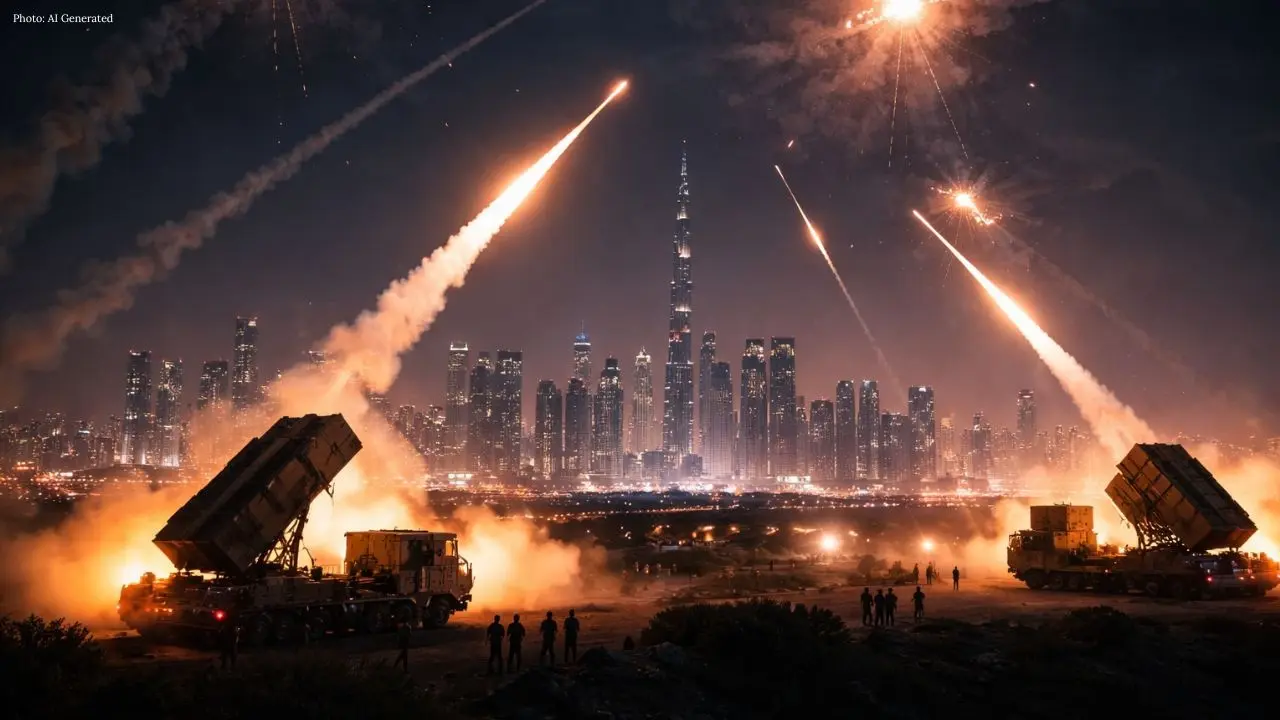
UAE Foils Missile, Drone Attacks from Iran
United Arab Emirates intercepts Iranian missiles and drones; authorities confirm safety and urge res
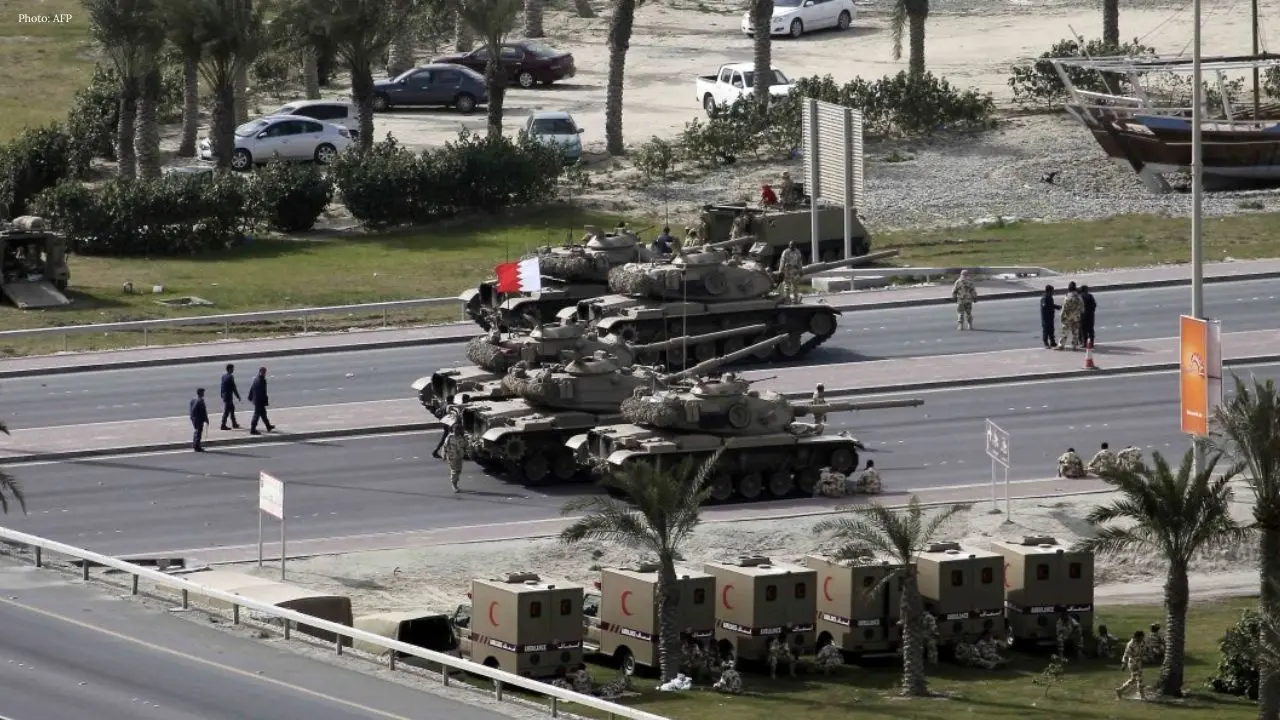
Bahrain Thwarts Drone and Missile Assaults Amid Iranian Hostilities
Bahrain's defense thwarted 188 missiles and 445 drones from Iran, underscoring heightened regional s
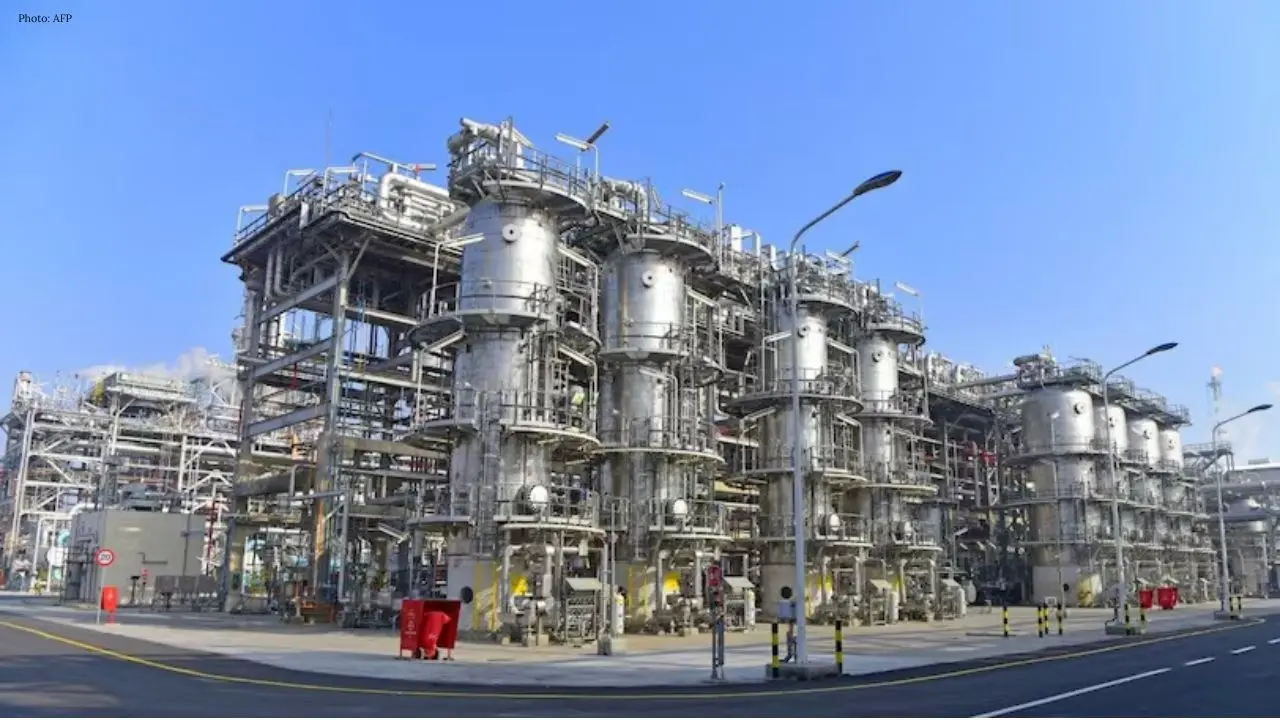
Drone Assault Targets Major Kuwait Oil Refinery
A drone attack on Mina al-Ahmadi Refinery triggered fires, but no injuries reported, according to Ku

Al Najd Farmers Kick Off Wheat Harvest Season
Wheat harvesting begins in Al Najd, with anticipated production of 8,000 tons thanks to government b

Oman Celebrates World Autism Awareness Day 2026
Dubai’s Ministry emphasizes empowerment and understanding for autism during a lively community event


UAE Art Show in Seoul Challenges Stereotypes
Exhibition in Seoul highlights diverse UAE art, moving beyond luxury stereotypes to explore identity

Starbucks Strikes Major Partnership for China Growth
Starbucks teams with Boyu Capital, selling a majority stake in China unit to ramp up store growth an

Couple Among Three Charged in Massive Meth Trafficking Case in Malaysia
Three charged in Malaysia for trafficking 510kg of meth; if convicted, they could face severe penalt

Murder Suspect Returns to Geylang Crime Scene for Investigation
Singapore police revisit Geylang as a 48-year-old suspect faces charges in the fatal stabbing of a 7
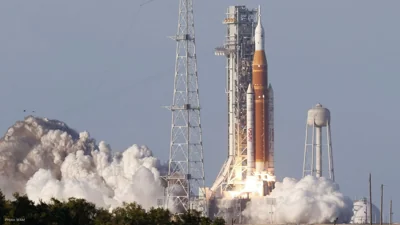
NASA Launches Artemis II Crew for 10-Day Lunar Mission
NASA launches Artemis II with four astronauts for a 10-day Moon mission, marking the first crewed lu
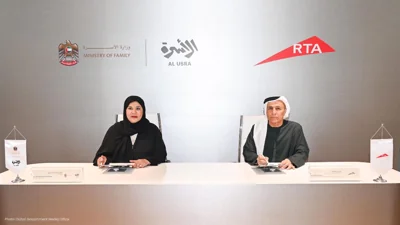
Dubai RTA, Ministry Partner for Family First Programme
Dubai RTA and Ministry of Family partner to enhance transport, urban spaces, and services under Fami

Bank of Baroda Faces Abu Dhabi Legal Battle over NMC Collapse
Bank of Baroda’s involvement in Abu Dhabi litigation tied to the NMC Healthcare collapse raises repu

Top Museum Openings of 2026 Set to Transform Global Tourism
From Los Angeles to Abu Dhabi and Brussels, 2026 brings major museum launches—Lucas Museum, Guggenhe