Post by : Anis Karim
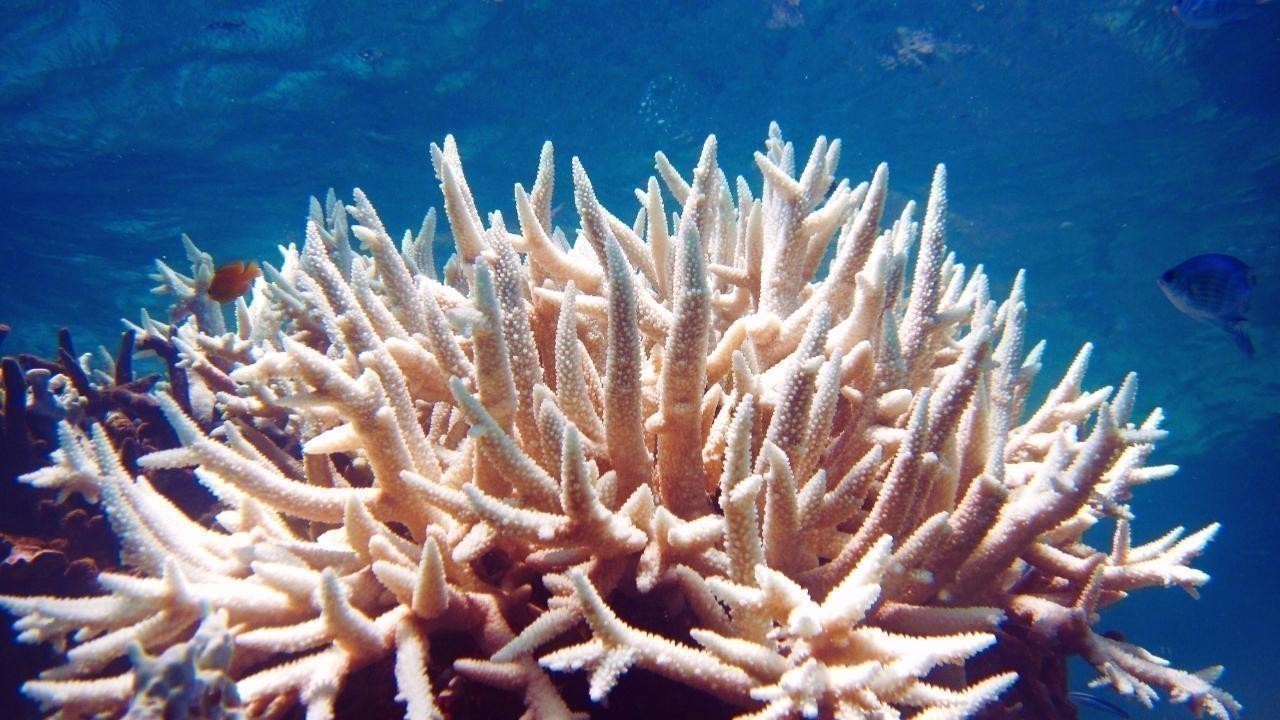
Coral reefs, often described as the “rainforests of the sea,” are among the most diverse and productive ecosystems on the planet. They shelter roughly a quarter of all marine life, protect coastlines from erosion, and support the livelihoods of millions of people. Yet these vibrant underwater cities are facing unprecedented threats.
Climate change, ocean acidification, overfishing, and pollution have already destroyed or severely degraded more than half of the world’s coral reefs. Without urgent intervention, scientists warn that most could disappear entirely by the end of this century. But in 2025, hope is emerging from an array of bold restoration efforts combining cutting-edge science, traditional knowledge, and global collaboration.
Let’s dive deep into the innovative strategies now being deployed to revive coral reefs and safeguard the future of our oceans.
One of the most widely adopted restoration techniques is the creation of coral nurseries—underwater or land-based facilities where coral fragments are grown before being transplanted back to damaged reefs.
Underwater nurseries often use structures like “coral trees,” made of PVC or metal frames suspended in the water column. Coral fragments attached to these structures grow faster because they are protected from sedimentation and receive optimal water flow. Once they reach a healthy size, they are reattached to the reef using marine-safe adhesives or by drilling small holes into the substrate.
Land-based nurseries take advantage of controlled conditions, allowing scientists to fine-tune light, temperature, and nutrient levels to produce resilient corals. Some projects even breed corals selectively, encouraging traits like heat tolerance or faster growth rates.
Nature has always evolved solutions to environmental challenges, but climate change is moving too fast for many corals to adapt naturally. Enter assisted evolution—a process where scientists accelerate adaptation by selectively breeding corals with desirable traits.
For example, researchers are cross-breeding corals from warmer waters with those from cooler regions to produce offspring more resistant to heat stress. Others are exposing young corals to elevated temperatures in laboratory settings, effectively “training” them to survive marine heatwaves.
Early trials show promising results. Corals bred through assisted evolution have survived bleaching events that wiped out nearby natural populations, hinting at a future where “super corals” could anchor reef recovery efforts worldwide.
Corals are notoriously slow growers—some species expand just a few millimeters each year. Microfragmentation is a game-changing technique that overcomes this limitation. By cutting corals into tiny, coin-sized pieces, scientists stimulate rapid healing and growth.
When reattached to a substrate, these microfragments can fuse together within months, forming large colonies in a fraction of the time it would take in nature. The method is particularly effective for massive, boulder-shaped corals, which are critical for building reef structure and providing habitat for other marine life.
This approach is now being scaled up in several restoration projects, offering a way to restore vast areas of reef more quickly than ever before.
Restoration efforts require constant monitoring to measure success and adapt strategies. Traditionally, divers collected data manually—a time-consuming and limited process. Today, artificial intelligence and autonomous drones are revolutionizing reef monitoring.
Underwater drones equipped with high-resolution cameras can map reefs in exquisite detail, capturing thousands of images in a single dive. AI algorithms then analyze these images to identify coral species, assess health, and detect signs of disease or bleaching.
Aerial drones provide another perspective, surveying shallow reefs from above and tracking changes over time. This combination of technologies allows scientists to monitor restoration sites more frequently, respond faster to emerging threats, and optimize interventions for maximum impact.
In some cases, reefs are so degraded that natural recovery is nearly impossible without physical reconstruction. Enter 3D printing—a technology now being used to create artificial reef structures that mimic the complexity of natural coral habitats.
These structures, made from eco-friendly materials like limestone-based concrete, provide an immediate foundation for corals, sponges, and other marine organisms to colonize. The intricate designs offer shelter for fish and invertebrates, helping restore the full ecological function of the reef.
Over time, live corals planted on these structures grow and merge, transforming them into living reefs indistinguishable from their natural counterparts.
When corals die, algae often take over, preventing new corals from settling and growing. Managing these algal blooms is a crucial part of reef restoration.
Some projects employ divers to manually remove algae or introduce herbivorous species like sea urchins and certain fish to keep algae in check. Others are experimenting with innovative methods like targeted shading, which blocks sunlight and limits algal growth in critical areas.
By reducing competition from algae, restoration teams create space for coral larvae to settle and thrive.
While high-tech solutions are making headlines, many of the most successful reef recovery projects are rooted in community involvement. Coastal communities often depend directly on reefs for food, income, and cultural heritage. Their participation ensures restoration efforts are culturally appropriate, economically sustainable, and locally supported.
In many regions, fishermen are trained as reef gardeners, maintaining nurseries and transplanting corals. School programs educate the next generation about the importance of reefs, fostering a sense of stewardship.
By blending scientific expertise with traditional ecological knowledge, these community-led initiatives create long-lasting restoration networks.
No amount of restoration can succeed without addressing the root causes of reef decline. Climate change remains the biggest threat, with rising ocean temperatures driving mass bleaching events worldwide.
Global efforts to reduce greenhouse gas emissions, transition to renewable energy, and protect marine areas are essential to give restored reefs a fighting chance. Many restoration projects now include advocacy components, urging policymakers to take stronger action on climate and ocean protection.
The message from scientists is clear: restoration is not a substitute for climate action—it’s a complementary strategy that buys time for reefs while the world works toward long-term solutions.
The innovations emerging in 2025 offer a blueprint for large-scale reef recovery. However, scaling these efforts to the global level requires significant investment, international cooperation, and ongoing research.
Encouragingly, multinational partnerships are beginning to form, pooling resources and expertise to tackle reef loss on a planetary scale. Organizations are also working to make restoration methods more affordable and accessible, particularly for developing nations where reefs are most at risk.
If these trends continue, the dream of restoring vibrant, resilient coral reefs across the world’s oceans may shift from distant hope to tangible reality.
Healthy coral reefs are more than just beautiful—they’re vital to human and planetary health. They protect shorelines from storms, support fisheries that feed millions, and draw tourists whose spending boosts local economies. They also play a role in carbon cycling, helping regulate the Earth’s climate.
Saving reefs is not just an environmental issue—it’s a social, economic, and moral imperative. The innovations of 2025 prove that with creativity, determination, and collaboration, we can turn the tide on one of the greatest ecological crises of our time.
This article is intended for informational purposes only. It does not replace professional advice in environmental science, marine conservation, or related fields. Readers should consult certified experts before acting on restoration methods or participating in conservation projects.
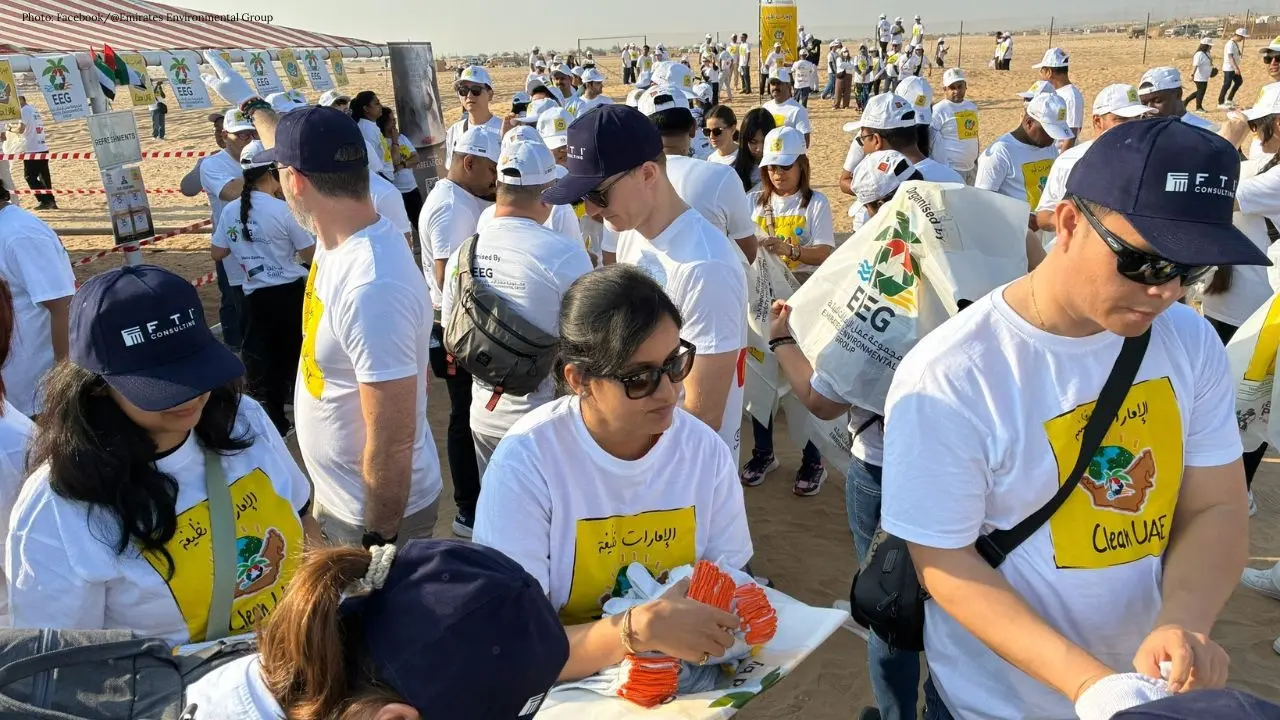
UAE Celebrates Sustainability Champions at EEG Gala
Dubai's EEG gala honored 52 organizations for their sustainability efforts, highlighting the pivotal
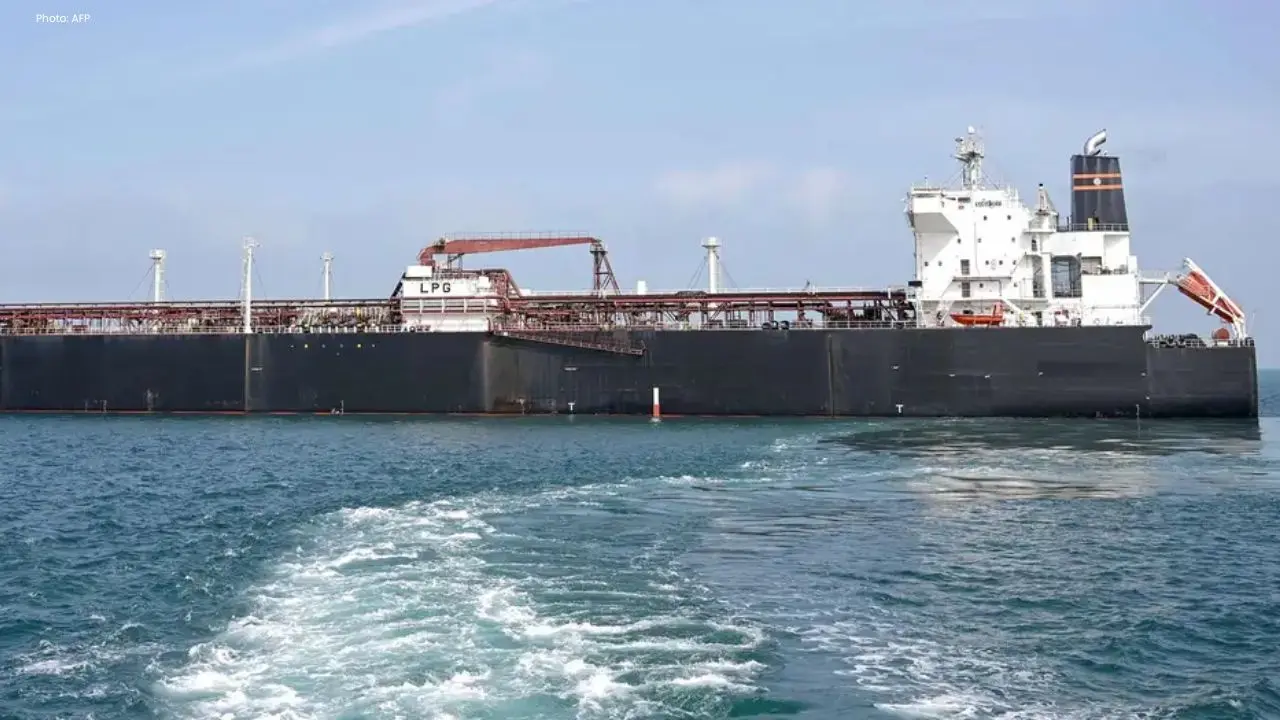
Iranian Crude Tanker Shifts Course from India to China
Ping Shun, under US sanctions, changes its destination from India's Vadinar Port to China amid payme

UAE Foils Missile, Drone Attacks from Iran
United Arab Emirates intercepts Iranian missiles and drones; authorities confirm safety and urge res

Bahrain Thwarts Drone and Missile Assaults Amid Iranian Hostilities
Bahrain's defense thwarted 188 missiles and 445 drones from Iran, underscoring heightened regional s
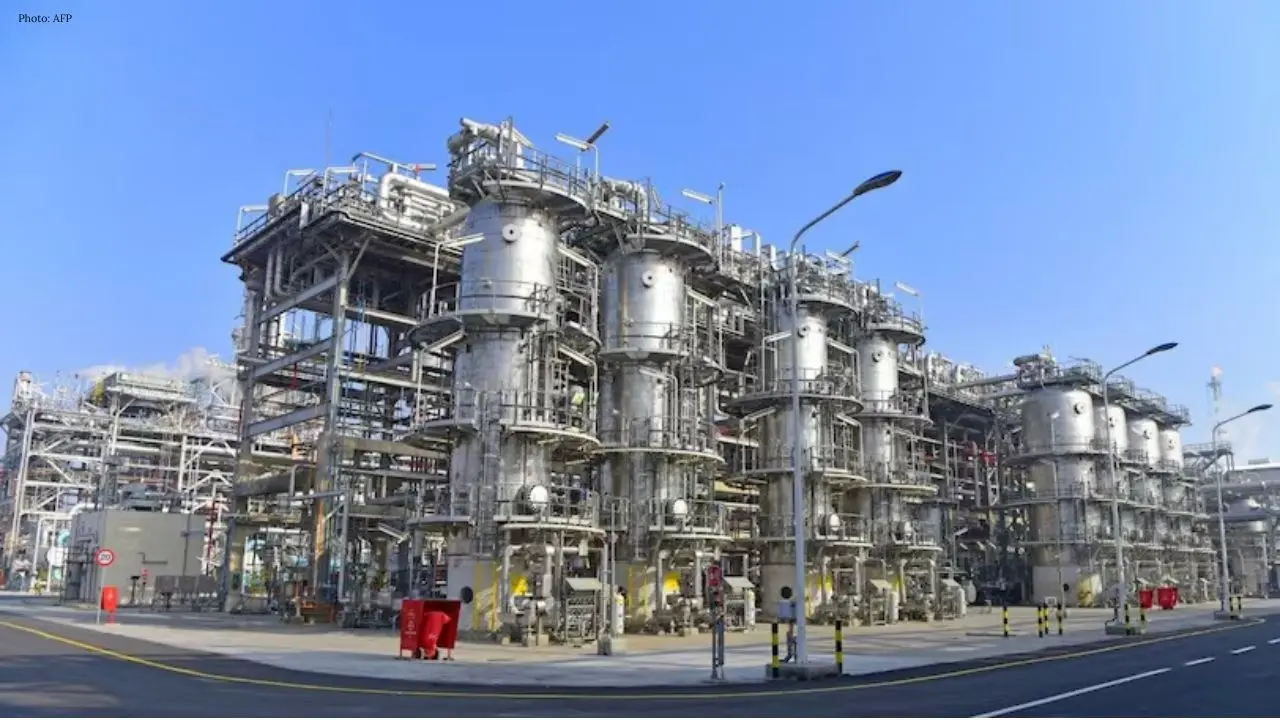
Drone Assault Targets Major Kuwait Oil Refinery
A drone attack on Mina al-Ahmadi Refinery triggered fires, but no injuries reported, according to Ku

Al Najd Farmers Kick Off Wheat Harvest Season
Wheat harvesting begins in Al Najd, with anticipated production of 8,000 tons thanks to government b

Oman Celebrates World Autism Awareness Day 2026
Dubai’s Ministry emphasizes empowerment and understanding for autism during a lively community event


UAE Art Show in Seoul Challenges Stereotypes
Exhibition in Seoul highlights diverse UAE art, moving beyond luxury stereotypes to explore identity

Starbucks Strikes Major Partnership for China Growth
Starbucks teams with Boyu Capital, selling a majority stake in China unit to ramp up store growth an

Couple Among Three Charged in Massive Meth Trafficking Case in Malaysia
Three charged in Malaysia for trafficking 510kg of meth; if convicted, they could face severe penalt
Murder Suspect Returns to Geylang Crime Scene for Investigation
Singapore police revisit Geylang as a 48-year-old suspect faces charges in the fatal stabbing of a 7
NASA Launches Artemis II Crew for 10-Day Lunar Mission
NASA launches Artemis II with four astronauts for a 10-day Moon mission, marking the first crewed lu

Dubai RTA, Ministry Partner for Family First Programme
Dubai RTA and Ministry of Family partner to enhance transport, urban spaces, and services under Fami

Bank of Baroda Faces Abu Dhabi Legal Battle over NMC Collapse
Bank of Baroda’s involvement in Abu Dhabi litigation tied to the NMC Healthcare collapse raises repu

Top Museum Openings of 2026 Set to Transform Global Tourism
From Los Angeles to Abu Dhabi and Brussels, 2026 brings major museum launches—Lucas Museum, Guggenhe