Post by : Bianca Qureshi
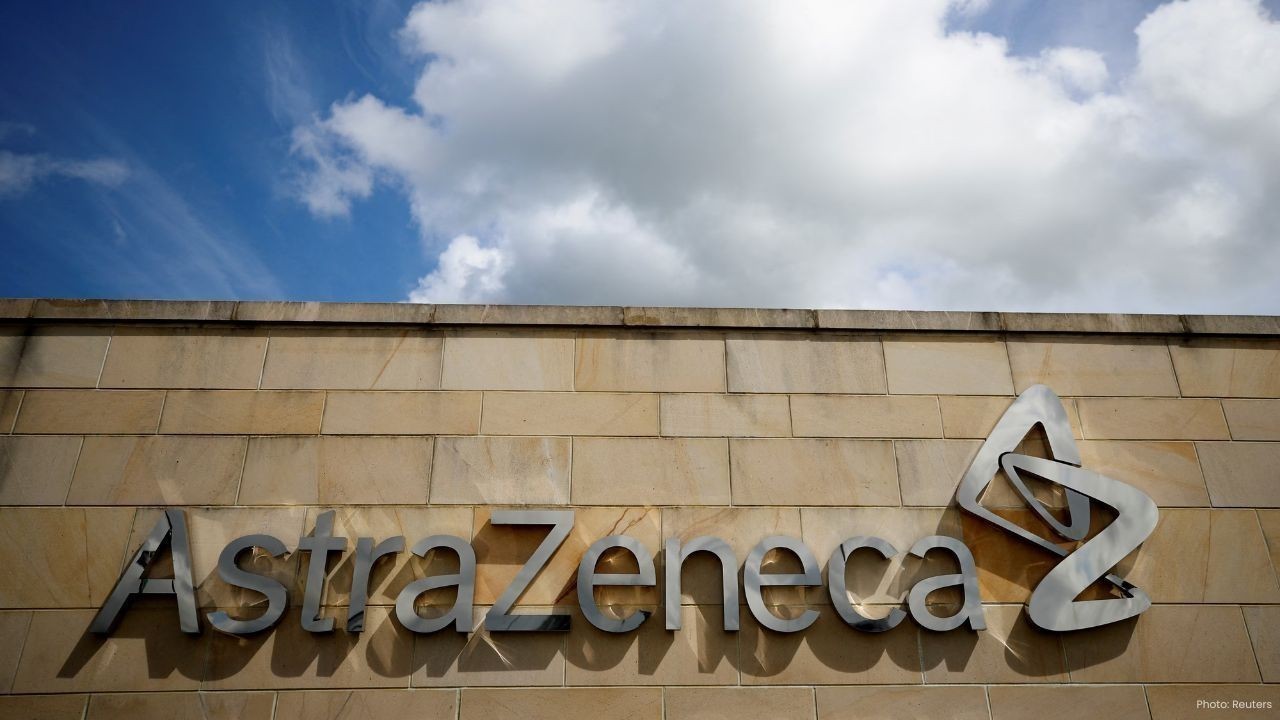
AstraZeneca, one of the UK’s leading pharmaceutical companies, has decided to pause its plans to invest £200 million at its research site in Cambridge. This decision comes as a significant blow to the UK’s pharmaceutical industry, which has been struggling to maintain investment and growth in recent years. The Cambridge project, originally intended to expand the company’s Discovery Centre, was expected to create around 1,000 new jobs and boost scientific research in the region.
The expansion was first announced in March 2024 by the previous UK government. Alongside this, another project in Liverpool had also been planned but was shelved in January 2025, signaling challenges in maintaining large-scale pharmaceutical investments in the country.
Stay informed with the latest news. Follow DXB News Network on WhatsApp Channel
Industry Concerns and US Competition
The announcement comes shortly after another major pharmaceutical company, the US-based Merck, decided to cancel a £1 billion expansion in the UK. Merck cited a lack of sufficient government investment and support, and the move highlights the increasing competition from the United States.
US President Donald Trump has been actively encouraging pharmaceutical companies to invest more in the US, warning of potential high tariffs on drug imports. These policies have led many companies to reconsider their plans in other countries, including the UK. AstraZeneca itself announced in July 2025 that it would invest $50 billion (around £36.9 billion) in the United States for medicines manufacturing and research and development (R&D).
Government Spending on Medicines
AstraZeneca’s decision also reflects wider concerns about UK healthcare funding. Over the last decade, the UK’s spending on medicines has dropped from 15% of the National Health Service (NHS) budget to just 9%. By comparison, most developed countries spend between 14% and 20% of their healthcare budgets on medicines. This lower level of investment has made the UK less attractive for large pharmaceutical companies looking to expand research and manufacturing operations.
Details About AstraZeneca’s Cambridge Project
The planned expansion at the Cambridge Discovery Centre would have increased the facility’s capacity for scientific research and development. The centre currently employs around 2,300 researchers and scientists. The £200 million investment was expected to support innovative projects, including the development of new medicines and cutting-edge treatments.
A spokesperson for AstraZeneca stated, “We constantly reassess the investment needs of our company and can confirm our expansion in Cambridge is paused.” This careful reassessment shows that the company is taking a step back to evaluate the financial and strategic conditions before committing further resources in the UK.
Impact on the UK Pharmaceutical Sector
The pause in the Cambridge project means that none of the £650 million investment in the UK, promised by the previous government, will currently take place. This includes the previously announced Liverpool expansion, which was canceled in January 2025. That project, aimed at expanding a vaccine manufacturing plant in Merseyside, was halted due to a reduction in government support and delays in negotiations. AstraZeneca had pointed out that the timing and reduction of the final offer compared to the earlier government proposal influenced the decision to stop the project.
Statements from Political Leaders
Successive UK governments have consistently highlighted the life sciences sector as one of the country’s most successful industries. Former Chancellor Jeremy Hunt has described the sector as “crucial for the country's health, wealth, and resilience.” Similarly, current Chancellor Rachel Reeves praised AstraZeneca as one of the UK’s “great companies” only days before the Liverpool project was scrapped. These statements underline the importance of the pharmaceutical sector to the UK economy and public health, but the recent investment pauses show the challenges that remain in securing long-term growth.
Merck and Other International Pressures
Merck’s cancellation of its £1 billion UK project adds to the growing sense of urgency about the UK’s competitiveness in the global pharmaceutical market. The company had begun construction on a site in London’s King’s Cross, which was expected to be completed by 2027. Now, Merck plans to move its life sciences research to the United States, citing under-valuation of innovative medicines and insufficient government support as key reasons for leaving the UK.
AstraZeneca’s Global Strategy
While the UK projects are paused, AstraZeneca is pursuing large-scale investment in the US. In July, the company’s CEO, Pascal Soriot, announced a $50 billion investment for medicines manufacturing and R&D in the US. This move is part of a broader strategy to increase the company’s global footprint, particularly in regions with stronger government incentives and support for the pharmaceutical industry.
The Bigger Picture: Challenges for UK Pharma
AstraZeneca’s and Merck’s decisions highlight a wider issue for the UK: the challenge of attracting and maintaining large pharmaceutical investments in a competitive global market. While life sciences remain a key sector for the country, lower government spending on medicines and the lack of incentives compared to other nations are causing companies to reconsider their commitments.
The pause of the Cambridge project and cancellation of the Liverpool expansion also means potential job losses and reduced opportunities for researchers in the UK. Thousands of skilled jobs, especially in science and R&D, may now move to other countries where investment conditions are more favorable.
AstraZeneca’s decision to pause its £200 million Cambridge expansion is a setback for the UK pharmaceutical industry, which has seen several major projects delayed or canceled in recent years. Factors such as reduced government investment, global competition, and attractive opportunities in the United States have influenced these moves.
The paused project highlights the need for the UK to rethink its strategy in supporting life sciences, ensuring that policies, funding, and incentives align with the ambitions of major pharmaceutical companies. The future of UK pharmaceutical research, manufacturing, and job creation depends on how effectively the government can create a competitive environment that encourages companies like AstraZeneca and Merck to invest locally.
For now, the Cambridge Discovery Centre continues to operate with its 2,300 researchers, but the dream of expansion and the creation of 1,000 new jobs will have to wait until conditions improve. The hope is that with renewed government focus and support, large-scale investment in UK life sciences may return, securing the nation’s position in the global pharmaceutical landscape.

UAE Celebrates Sustainability Champions at EEG Gala
Dubai's EEG gala honored 52 organizations for their sustainability efforts, highlighting the pivotal

Iranian Crude Tanker Shifts Course from India to China
Ping Shun, under US sanctions, changes its destination from India's Vadinar Port to China amid payme

UAE Foils Missile, Drone Attacks from Iran
United Arab Emirates intercepts Iranian missiles and drones; authorities confirm safety and urge res

Bahrain Thwarts Drone and Missile Assaults Amid Iranian Hostilities
Bahrain's defense thwarted 188 missiles and 445 drones from Iran, underscoring heightened regional s
Drone Assault Targets Major Kuwait Oil Refinery
A drone attack on Mina al-Ahmadi Refinery triggered fires, but no injuries reported, according to Ku

Al Najd Farmers Kick Off Wheat Harvest Season
Wheat harvesting begins in Al Najd, with anticipated production of 8,000 tons thanks to government b

Oman Celebrates World Autism Awareness Day 2026
Dubai’s Ministry emphasizes empowerment and understanding for autism during a lively community event


UAE Art Show in Seoul Challenges Stereotypes
Exhibition in Seoul highlights diverse UAE art, moving beyond luxury stereotypes to explore identity

Starbucks Strikes Major Partnership for China Growth
Starbucks teams with Boyu Capital, selling a majority stake in China unit to ramp up store growth an

Couple Among Three Charged in Massive Meth Trafficking Case in Malaysia
Three charged in Malaysia for trafficking 510kg of meth; if convicted, they could face severe penalt
Murder Suspect Returns to Geylang Crime Scene for Investigation
Singapore police revisit Geylang as a 48-year-old suspect faces charges in the fatal stabbing of a 7

NASA Launches Artemis II Crew for 10-Day Lunar Mission
NASA launches Artemis II with four astronauts for a 10-day Moon mission, marking the first crewed lu

Dubai RTA, Ministry Partner for Family First Programme
Dubai RTA and Ministry of Family partner to enhance transport, urban spaces, and services under Fami

Bank of Baroda Faces Abu Dhabi Legal Battle over NMC Collapse
Bank of Baroda’s involvement in Abu Dhabi litigation tied to the NMC Healthcare collapse raises repu

Top Museum Openings of 2026 Set to Transform Global Tourism
From Los Angeles to Abu Dhabi and Brussels, 2026 brings major museum launches—Lucas Museum, Guggenhe