Post by : Zayd Kamal
Why Wearable Technology and Health Apps Are the Future of Healthcare
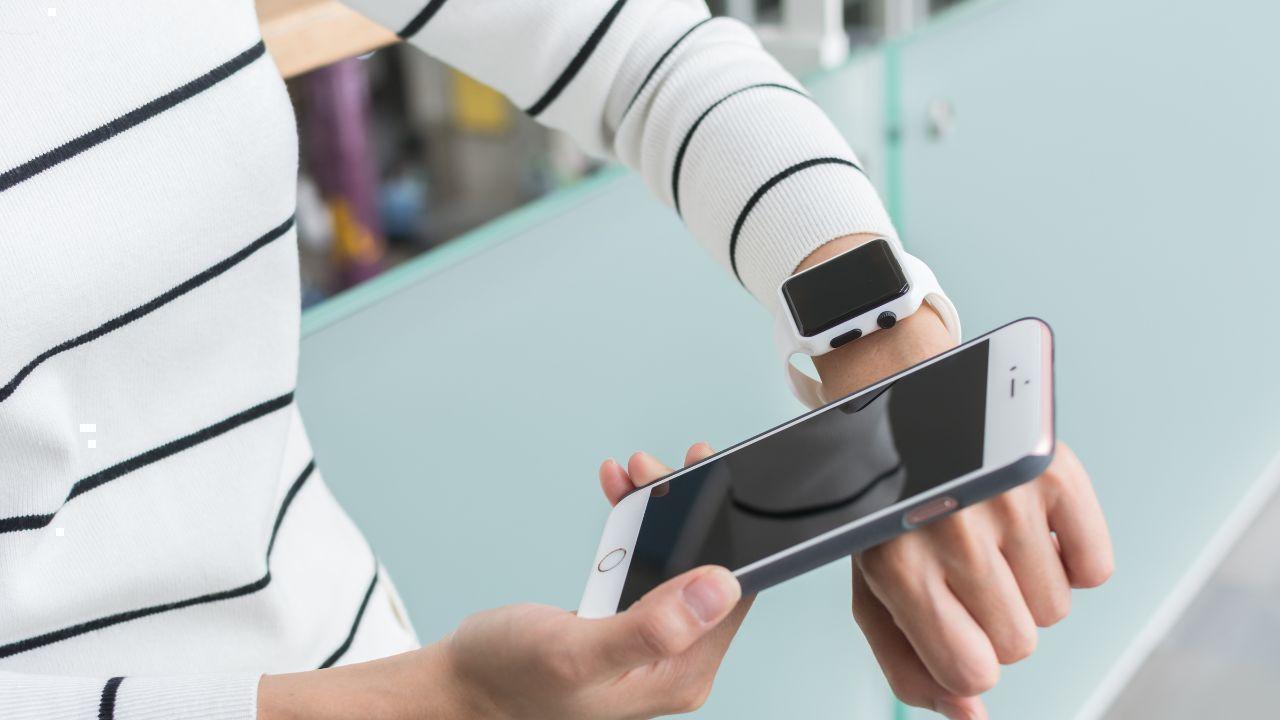
In the modern world, healthcare is no longer confined to hospitals and clinics. With the rise of smart gadgets and digital tools, wearable technology and health apps are changing healthcare today in ways we could only imagine a decade ago. From monitoring heart rates to managing chronic conditions, technology is now at our fingertips—literally. These tools are not just gadgets; they are lifesavers, wellness guides, and health companions rolled into one.
A New Era of Personalized Healthcare
One of the most significant ways wearable technology and health apps are changing healthcare today is through personalization. No two people are alike, and now our health plans don’t have to be either. Devices like smartwatches, fitness trackers, and wearable ECG monitors allow users to track everything from sleep patterns to oxygen levels in real time. Health apps sync this data and provide insights tailored to individual needs, promoting better decision-making and early intervention.
Gone are the days of guessing if you’re healthy. Today, your wearable device can warn you of irregular heart rhythms or sudden drops in oxygen levels—alerts that could literally save your life. By capturing real-time data, these devices help doctors and patients work together to create more accurate and personal treatment plans.
Empowering People to Take Control
Empowerment is another powerful way wearable technology and health apps are changing healthcare today. People are no longer passive recipients of care; they are active participants. Health apps help individuals set goals, monitor progress, and stay motivated. Whether it's counting steps, tracking water intake, or logging daily moods, these tools encourage users to form healthier habits.
Mental health, too, has found support through apps that offer guided meditation, mood tracking, and even virtual therapy sessions. By making health more accessible and understandable, these tools remove the fear and confusion that often surround medical care.
Bridging the Gap Between Patients and Doctors
Communication between doctors and patients has dramatically improved thanks to digital health tools. Wearable technology and health apps are changing healthcare today by allowing doctors to receive data directly from patients without them stepping into a clinic. For instance, a diabetes app can share blood sugar readings with a physician in real time, helping adjust insulin doses immediately.
Remote monitoring also plays a crucial role in elder care and chronic disease management. Patients with heart conditions, for example, can wear smart patches that send real-time data to their healthcare provider. This reduces hospital visits and improves the quality of life.
Early Detection and Prevention
One of the most exciting ways wearable technology and health apps are changing healthcare today is through early detection. With predictive analytics and AI integrated into these systems, early signs of illness can be identified before symptoms become severe. A smartwatch detecting unusual heart rates or a sleep tracker identifying irregular patterns can be the first step in diagnosing serious conditions.
Prevention is always better than cure, and these technologies make it possible. They alert users to health risks and prompt timely actions, helping prevent complications and reduce hospital admissions.
Fitness Meets Medical Insight
Fitness trackers were once just trendy gadgets, but now they serve a greater purpose. They do more than count steps—they collect meaningful data that contributes to medical insights. Wearable technology and health apps are changing healthcare today by combining everyday fitness goals with real health benefits.
Doctors now use fitness data to understand lifestyle patterns, such as how much a person moves or sleeps. This helps build a complete picture of health that traditional medical tests might miss. In the long run, this leads to better prevention strategies and long-term care plans.
Addressing Healthcare Gaps
Access to healthcare is not equal for everyone. In many rural or underserved areas, people face challenges in getting quality medical care. That’s where wearable technology and health apps are changing healthcare today by bridging this gap.
With a smartphone and a wearable device, anyone can monitor their health, get reminders for medications, and consult with a doctor online. This accessibility is transforming public health by reaching people who previously had no or limited access to care.
The Challenges That Remain
Despite the many benefits, the journey isn’t without its bumps. Privacy and data security remain serious concerns. Storing personal health data in the cloud or sharing it with apps raises questions about who has access and how it’s used. While wearable technology and health apps are changing healthcare today, regulations must keep up to protect users' privacy.
Moreover, not everyone is tech-savvy. Elderly users or those without access to smart devices may struggle to use these tools. It’s essential that developers and healthcare providers continue to create user-friendly solutions that are inclusive and accessible to all.
Disclaimer:
This article is intended for informational purposes only and does not constitute medical advice, diagnosis, or treatment. Readers are encouraged to consult healthcare professionals for any medical concerns or conditions. The views expressed are based on general knowledge and current trends in digital health. DXB News Network is not responsible for any actions taken based on the content of this article.

Qatar, Italy Leaders Discuss Regional Stability & Energy Ties
Qatar’s Emir and Italy’s Prime Minister discuss regional stability, energy security, and economic co

Danube Launches Signature Master-Planned Community
Danube Properties unveils Greenz By Danube in Dubai, offering luxury villas, townhouses, 50+ ameniti

Neoterra breaks ground on ELMORA, unveils new project
Neoterra begins ELMORA construction in Jumeirah Garden City and announces a new residential project

WINGIE Launches AI Refund System for Airline Travelers
WINGIE introduces AI-driven refund technology, enabling seamless, fully digital airline refund proce

Dubai property sales surge to AED176.7B in Q1 2026
Dubai records AED176.7B property sales in Q1 2026, with rising values, steady transaction growth and

Russia Strikes Northeast Ukraine, 4 Killed, 11 Injured
Russian drone and missile attacks on northeast Ukraine killed 4 and injured 11, with major strikes r

Selena Gomez Leads Candy Pink Trend in 2026 Fashion
Selena Gomez embraces candy pink fashion at a Rare Beauty event, highlighting 2026’s biggest color t


UAE Art Show in Seoul Challenges Stereotypes
Exhibition in Seoul highlights diverse UAE art, moving beyond luxury stereotypes to explore identity

Starbucks Strikes Major Partnership for China Growth
Starbucks teams with Boyu Capital, selling a majority stake in China unit to ramp up store growth an

Couple Among Three Charged in Massive Meth Trafficking Case in Malaysia
Three charged in Malaysia for trafficking 510kg of meth; if convicted, they could face severe penalt

Murder Suspect Returns to Geylang Crime Scene for Investigation
Singapore police revisit Geylang as a 48-year-old suspect faces charges in the fatal stabbing of a 7

NASA Launches Artemis II Crew for 10-Day Lunar Mission
NASA launches Artemis II with four astronauts for a 10-day Moon mission, marking the first crewed lu

Dubai RTA, Ministry Partner for Family First Programme
Dubai RTA and Ministry of Family partner to enhance transport, urban spaces, and services under Fami

Bank of Baroda Faces Abu Dhabi Legal Battle over NMC Collapse
Bank of Baroda’s involvement in Abu Dhabi litigation tied to the NMC Healthcare collapse raises repu

Top Museum Openings of 2026 Set to Transform Global Tourism
From Los Angeles to Abu Dhabi and Brussels, 2026 brings major museum launches—Lucas Museum, Guggenhe