Post by : Zayd Kamal
The landscape of college admissions is evolving rapidly, influenced by advancements in technology, societal shifts, and changing educational philosophies. For students and families navigating the college journey, the process is no longer just about grades and standardized test scores. Today, universities are looking for more well-rounded individuals, and several new trends are emerging that are transforming how college admissions work. The future of college admissions is being shaped by these innovations, providing students with more ways to present their potential to universities. This article explores these key trends and how they are redefining the path to higher education.
One of the most significant shifts in recent years has been the growing popularity of test-optional policies. Colleges and universities are increasingly allowing students to decide whether to submit standardized test scores such as the SAT or ACT as part of their application. This shift, which accelerated during the COVID-19 pandemic, has since gained widespread adoption. The pandemic disrupted testing schedules and created challenges for students trying to access testing centers, leading many schools to rethink their reliance on standardized tests.
The rise of test-optional admissions has sparked a broader debate about whether standardized tests truly reflect a student’s abilities. Critics argue that these tests can disadvantage students from underprivileged backgrounds who may not have access to expensive test prep resources. In response, many colleges have adopted a more holistic approach to admissions, focusing on factors such as academic performance, extracurricular activities, and personal essays. This trend is expected to continue as colleges strive to create more inclusive admissions processes that reflect a broader range of student experiences and capabilities.
Technology is becoming an integral part of the future of college admissions. From virtual campus tours to online application systems, technology is making the admissions process more efficient and accessible. Virtual campus tours, once a novelty, are now commonplace, allowing prospective students to explore campuses without leaving their homes. In addition, online events like webinars and information sessions provide students with easy access to admissions officers, enabling them to get a feel for the campus culture and learn more about what each university has to offer.
Moreover, digital platforms like the Common Application have streamlined the process for submitting applications, making it easier for students to apply to multiple colleges with a single set of materials. Technology is also playing a role in how colleges evaluate applicants. Machine learning algorithms and artificial intelligence are being used to analyze data from applications, helping admissions officers identify the most promising candidates. As technology continues to evolve, its role in shaping college admissions will only become more significant, allowing for a more personalized and data-driven approach.
In the past, college admissions largely focused on academic performance, standardized test scores, and extracurricular involvement. However, the future of college admissions is increasingly leaning toward a holistic approach, where universities evaluate applicants based on a wider array of factors. Instead of focusing solely on numbers, colleges are placing more importance on personal narratives, seeking to understand who the student is beyond their grades.
Essays, interviews, and letters of recommendation have become vital components of the admissions process. These elements allow students to showcase their unique experiences, challenges, and aspirations, providing a more complete picture of their potential. Colleges are recognizing that success in higher education is not just about test scores but about resilience, creativity, and the ability to contribute to a community. This shift toward holistic admissions reflects a growing desire to build diverse student bodies that bring a variety of perspectives, talents, and backgrounds to campus.

Diversity and inclusivity are central themes in the future of college admissions. Many colleges and universities are making intentional efforts to create more diverse and inclusive campus communities. This includes not only racial and ethnic diversity but also diversity in socioeconomic status, geographic location, and life experiences. Universities are increasingly recognizing the value of diversity in enriching the educational experience for all students.
For example, colleges are focusing on increasing access for first-generation college students and those from underrepresented backgrounds. This push for inclusivity is not just about giving more students access to higher education, but about fostering environments where students can learn from one another’s differences and develop a broader worldview. As part of this trend, universities are also placing greater emphasis on the personal challenges applicants have faced, whether they involve overcoming economic hardships, navigating cultural barriers, or addressing personal struggles.
While academic performance remains a key factor in college admissions, extracurricular involvement is becoming an increasingly important aspect of the application process. Colleges are looking for students who are not only strong academically but who also show passion and leadership outside the classroom. Admissions officers are interested in applicants who have engaged in activities that reflect their interests, whether through volunteer work, sports, arts, or internships.
This trend highlights the importance of well-roundedness in today’s competitive college admissions landscape. Students are encouraged to focus on a few areas where they can make a meaningful impact, rather than trying to accumulate a long list of activities. Colleges appreciate students who have shown dedication to a cause, who have demonstrated leadership, and who have pursued personal projects that reflect their talents and passions. As extracurriculars continue to play a central role in admissions, students will find that meaningful engagement can set them apart from other applicants.
Financial aid and scholarships are an essential part of the college admissions process, and their role is becoming even more important as tuition costs rise. Universities are offering more generous need-based financial aid packages and merit-based scholarships in an effort to make college more affordable for a broader range of students. Some institutions are even implementing initiatives to meet 100% of demonstrated financial need for all admitted students.
In addition to traditional scholarships, colleges are beginning to recognize a wider range of accomplishments when awarding financial aid. Merit-based scholarships now take into account not only academic performance but also leadership in community service, artistic talent, and involvement in extracurricular activities. This trend is creating more opportunities for students to secure funding based on their unique strengths and achievements.
As global awareness of environmental issues grows, universities are placing greater emphasis on sustainability in their admissions process. Students who have demonstrated a commitment to environmental causes or who have been involved in sustainability initiatives are increasingly seen as desirable applicants. Some colleges even prioritize applicants who have shown leadership in areas such as renewable energy, conservation, or environmental activism.
This trend reflects the increasing importance of sustainability in higher education. Many colleges are working to integrate sustainability into their curricula, research programs, and campus operations. As environmental challenges continue to dominate global conversations, students who are passionate about making a positive impact on the planet may find that their commitment to sustainability can help them stand out in the admissions process.
The Future of College Admissions: How Trends Are Shaping the Path to Higher Education is changing in many exciting ways. As the future of college admissions moves forward, colleges are focusing more on the whole student, not just their grades or test scores. The rise of test-optional admissions means students no longer have to worry about submitting standardized test scores. Technology is also playing a big role, with virtual campus tours and easy online applications. The future of college admissions is also about looking at personal stories, diversity, and how students spend their time outside of school. More schools want to know how students can add to the community through extracurricular activities or volunteer work. There is also a growing emphasis on helping students from different backgrounds, making the future of college admissions more inclusive. Scholarships and financial aid are becoming more accessible, making it easier for many students to attend college. Sustainability and environmental awareness are also becoming more important to colleges, and students who care about the environment may stand out in their applications. Overall, the future of college admissions is about recognizing the whole person and their unique experiences.
The content provided here is for informational purposes only and reflects the views of dxb news network. The information is based on current trends in education, but as the future of college admissions continues to evolve, changes may occur. Readers should verify the latest updates from official sources and institutions.
The future of college admissions, test-optional admissions, technology in college admissions, digital tools in admissions, holistic admissions process, extracurricular involvement, diversity and inclusivity in admissions, financial aid and scholarships, sustainability in higher education, college admissions trends, personal narratives in admissions, inclusive college admissions, environmental awareness in education, campus diversity, online college applications, virtual campus tours, first-generation college students, college admissions changes, college admissions process, higher education trends

Couple Among Three Charged in Massive Meth Trafficking Case in Malaysia
Three charged in Malaysia for trafficking 510kg of meth; if convicted, they could face severe penalt

Allies Meet Over Hormuz Crisis Amid Iran Conflict
Over 40 US allies met to discuss reopening the Strait of Hormuz, stressing diplomacy, sanctions, and
Abu Dhabi Launches Community Responder App Initiative
Abu Dhabi launches Community Responder app to empower volunteers, improve emergency response speed,

Dubai Rolls Out New Economic Relief Measures for Growth
Dubai unveils AED1B relief package easing fees and boosting liquidity for hospitality and businesses
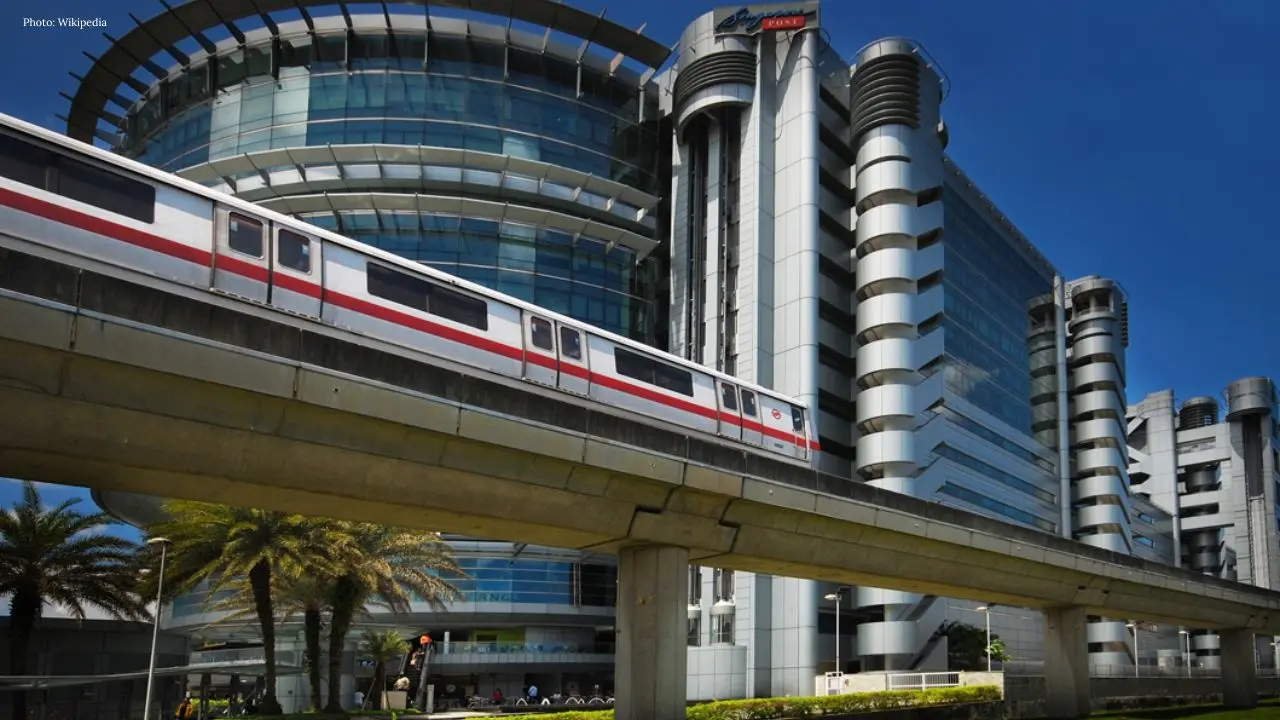
Murder Suspect Returns to Geylang Crime Scene for Investigation
Singapore police revisit Geylang as a 48-year-old suspect faces charges in the fatal stabbing of a 7

Malaysia Stresses Discipline in New WFH Policy
Malaysia's government emphasizes productivity and discipline for remote workers starting April 15, u

DEWA Approves AED 3.1B Dividend for H2 2025 Shareholders
DEWA shareholders approve AED 3.1B dividend for H2 2025. Revenue hit AED 32.84B with 25% profit grow


Couple Among Three Charged in Massive Meth Trafficking Case in Malaysia
Three charged in Malaysia for trafficking 510kg of meth; if convicted, they could face severe penalt
Murder Suspect Returns to Geylang Crime Scene for Investigation
Singapore police revisit Geylang as a 48-year-old suspect faces charges in the fatal stabbing of a 7

NASA Launches Artemis II Crew for 10-Day Lunar Mission
NASA launches Artemis II with four astronauts for a 10-day Moon mission, marking the first crewed lu

Dubai RTA, Ministry Partner for Family First Programme
Dubai RTA and Ministry of Family partner to enhance transport, urban spaces, and services under Fami

Bank of Baroda Faces Abu Dhabi Legal Battle over NMC Collapse
Bank of Baroda’s involvement in Abu Dhabi litigation tied to the NMC Healthcare collapse raises repu

Top Museum Openings of 2026 Set to Transform Global Tourism
From Los Angeles to Abu Dhabi and Brussels, 2026 brings major museum launches—Lucas Museum, Guggenhe

UAE Tour Highlights UAE’s Strength in Hosting Global Sports Events
Abu Dhabi Sports Council says the successful UAE Tour reflects the UAE’s leading role in hosting maj

EU Seeks Clarity from US After Supreme Court IEEPA Ruling
European Commission urges full transparency from the US on steps after Supreme Court ruling, emphasi