Post by : Anis Karim
When most people think about public transportation, they picture buses, trains, or metro systems simply as ways to get from one place to another. But the truth is, every decision made about these systems—from pricing to scheduling—has a ripple effect that reaches far beyond your daily commute. Whether you’re a student, a working professional, or a retiree, these choices influence your time, budget, stress levels, and even long-term life decisions.
Public transportation systems are complex networks, often managed by government bodies or private operators under public contracts. The policies that govern them are not made in isolation; they are shaped by city planning goals, environmental objectives, economic pressures, and public demand. Understanding how these decisions trickle down to impact your daily life can help you adapt, advocate for better services, and make smarter personal choices.
Changes in ticket prices may seem minor—a few cents or rupees more per ride—but over weeks and months, they can significantly affect your finances. For daily commuters, fare hikes mean a direct increase in monthly transportation costs, which may push them to reconsider travel habits or even housing options.
Governments often raise fares to offset rising fuel costs, maintenance expenses, or infrastructure upgrades. While such changes may be necessary for the system’s sustainability, they can put pressure on lower-income groups who rely on public transport as their only affordable mobility option.
Subsidies and discount programs, on the other hand, can ease financial burdens. Senior citizens, students, and disabled passengers often benefit from such measures, allowing greater inclusivity. The challenge lies in striking a balance—ensuring transport systems remain financially viable without pricing out the people who need them most.
Route expansions or cutbacks have an immediate effect on how accessible certain areas are. When a city adds new bus lines or extends a metro route, it opens up opportunities for residents to reach workplaces, schools, hospitals, and recreational spots with ease.
Conversely, when routes are cut due to low ridership or budget constraints, people living in affected areas may face longer travel times, multiple transfers, or even the need to purchase personal vehicles. This not only raises personal expenses but can also contribute to traffic congestion and pollution.
Accessibility also extends to how transport hubs connect with other modes of travel—walking paths, cycling lanes, and feeder services. A well-connected network can drastically improve quality of life by making daily travel simpler and less stressful.
One of the most noticeable aspects of public transport is how often buses and trains run. High-frequency services reduce waiting times, making it easier to plan your day. Low-frequency services, on the other hand, can cause delays, missed appointments, and frustration.
Service frequency decisions are often tied to demand, budget, and manpower availability. For example, peak-hour services might run every five minutes, while late-night options may be spaced 30 minutes apart. While this seems logical, people working night shifts or irregular hours may find themselves underserved.
Frequent and reliable services don’t just save time—they also increase public confidence in the system, encouraging more people to choose public transport over private vehicles.
From the cleanliness of buses to the design of metro stations, infrastructure quality plays a huge role in user experience. Poorly maintained vehicles, overcrowded trains, and unsafe stations can discourage ridership.
Investments in air-conditioned coaches, real-time arrival displays, escalators, and safe pedestrian access points may seem like luxuries, but they directly affect how comfortable and secure passengers feel. Over time, comfort upgrades can increase ridership and reduce the number of cars on the road.
The introduction of technology—such as contactless payment systems, mobile ticketing apps, and real-time tracking—has revolutionized public transportation. Decisions to adopt such technologies improve convenience, reduce queue times, and allow better trip planning.
For example, being able to check bus or train arrival times via an app helps passengers avoid long waits at stations. Similarly, integration between different transport services under a single payment system makes multi-leg journeys smoother. However, these upgrades require funding, and the decision to implement them often depends on political will and public demand.
Public transportation decisions also have indirect effects on public health and the environment. Expanding eco-friendly options like electric buses or hybrid trains reduces air pollution and greenhouse gas emissions.
On the flip side, poor investment in public transport can lead to higher reliance on private vehicles, increasing traffic congestion, pollution, and accident rates. Cities that prioritize pedestrian-friendly zones and cycling infrastructure alongside public transit promote healthier, more active lifestyles.
Public transport decisions can make or break local economies. A new metro line or bus corridor often leads to a surge in property values, increased business activity, and job creation in connected areas.
When underserved areas receive better transport links, they become more attractive to both residents and investors. This can lead to urban revitalization, but also risks gentrification—where rising property prices push out long-term residents. Balanced planning is crucial to ensure benefits are distributed fairly.
Public transport plays a crucial role during emergencies—be it extreme weather, political unrest, or public health crises. Decisions regarding backup power systems, flood-resistant infrastructure, and emergency evacuation routes directly affect how resilient a city’s transportation system is.
A well-prepared public transport network can save lives, maintain essential services, and ensure that vulnerable populations remain connected to vital resources.
While it may feel like these decisions are made far away in government offices, public input matters. Attending city council meetings, joining commuter forums, and participating in public surveys can influence policies. The more residents voice their needs, the more likely decision-makers are to consider them.
Being aware of how transportation decisions impact your life also empowers you to make informed choices—whether it’s choosing a new home, negotiating flexible work arrangements, or supporting infrastructure investments.
This article is intended for informational purposes only and does not serve as financial, legal, or policy advice. Readers are encouraged to consult relevant authorities or transportation agencies for the most accurate and updated information regarding public transportation systems.
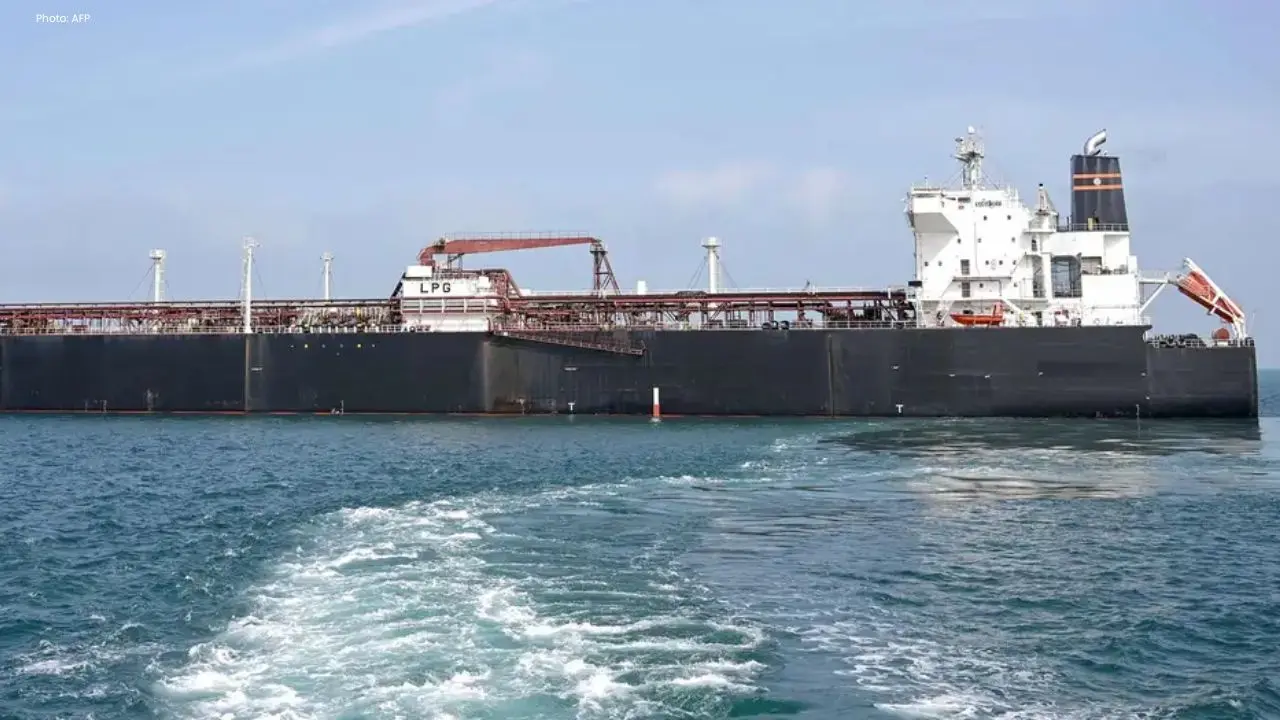
Iranian Crude Tanker Shifts Course from India to China
Ping Shun, under US sanctions, changes its destination from India's Vadinar Port to China amid payme

UAE Foils Missile, Drone Attacks from Iran
United Arab Emirates intercepts Iranian missiles and drones; authorities confirm safety and urge res

Bahrain Thwarts Drone and Missile Assaults Amid Iranian Hostilities
Bahrain's defense thwarted 188 missiles and 445 drones from Iran, underscoring heightened regional s
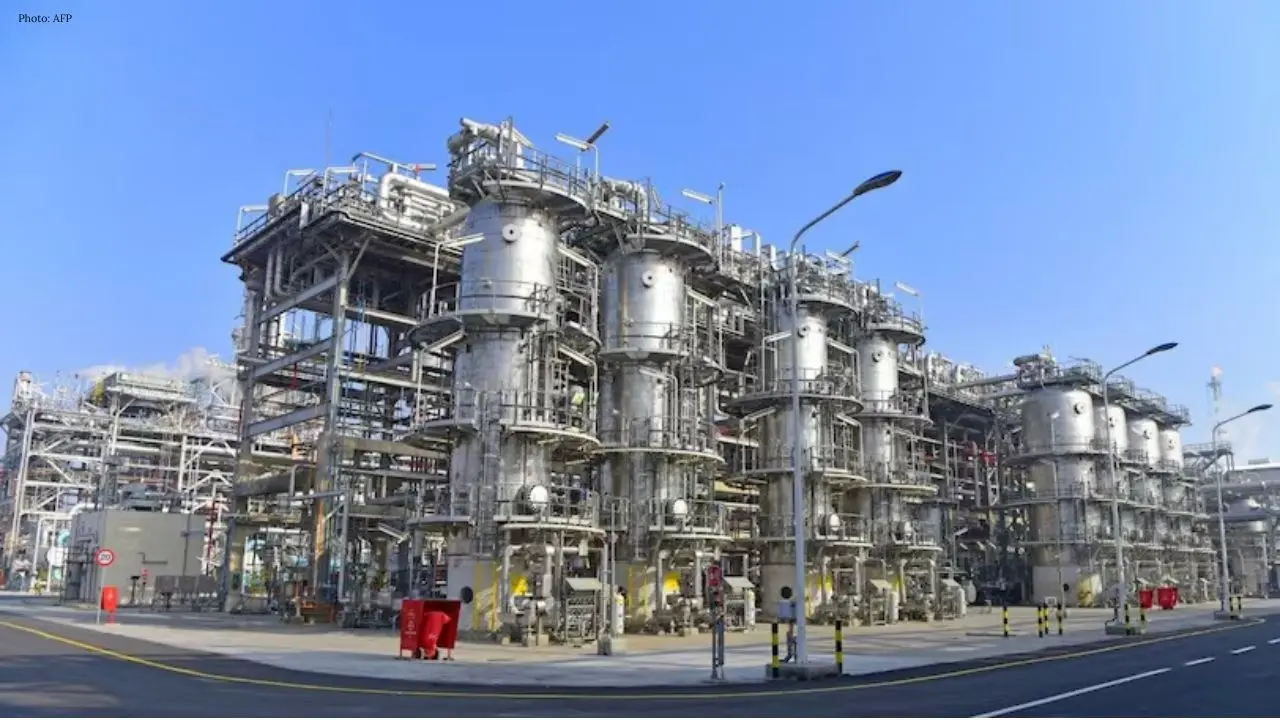
Drone Assault Targets Major Kuwait Oil Refinery
A drone attack on Mina al-Ahmadi Refinery triggered fires, but no injuries reported, according to Ku

Al Najd Farmers Kick Off Wheat Harvest Season
Wheat harvesting begins in Al Najd, with anticipated production of 8,000 tons thanks to government b

Oman Celebrates World Autism Awareness Day 2026
Dubai’s Ministry emphasizes empowerment and understanding for autism during a lively community event

Sonam Kapoor Shares Post After Second Baby
Sonam Kapoor shares first glimpse after welcoming second son, thanks hospital team and doctors for c


UAE Art Show in Seoul Challenges Stereotypes
Exhibition in Seoul highlights diverse UAE art, moving beyond luxury stereotypes to explore identity

Starbucks Strikes Major Partnership for China Growth
Starbucks teams with Boyu Capital, selling a majority stake in China unit to ramp up store growth an

Couple Among Three Charged in Massive Meth Trafficking Case in Malaysia
Three charged in Malaysia for trafficking 510kg of meth; if convicted, they could face severe penalt
Murder Suspect Returns to Geylang Crime Scene for Investigation
Singapore police revisit Geylang as a 48-year-old suspect faces charges in the fatal stabbing of a 7
NASA Launches Artemis II Crew for 10-Day Lunar Mission
NASA launches Artemis II with four astronauts for a 10-day Moon mission, marking the first crewed lu

Dubai RTA, Ministry Partner for Family First Programme
Dubai RTA and Ministry of Family partner to enhance transport, urban spaces, and services under Fami

Bank of Baroda Faces Abu Dhabi Legal Battle over NMC Collapse
Bank of Baroda’s involvement in Abu Dhabi litigation tied to the NMC Healthcare collapse raises repu
Top Museum Openings of 2026 Set to Transform Global Tourism
From Los Angeles to Abu Dhabi and Brussels, 2026 brings major museum launches—Lucas Museum, Guggenhe