
Post by : Zayd Kamal
Deep in Antarctica, this spot is the farthest from any coast, testing even the bravest explorers.
Earth’s deepest ocean trench, plunging nearly 36,000 feet deep in the Pacific Ocean, where few have ventured.
Scaling the world’s tallest peak means navigating through the perilous "Death Zone," where oxygen is scarce and danger is high.
A vast wilderness of dense forests in Siberia, challenging adventurers with its harsh climate and remote terrain.
Home to the secluded Sentinelese tribe in the Indian Ocean, fiercely guarded against outsiders.
Earth’s largest hot desert, spanning North Africa with scorching temperatures and endless sands.
Teeming with wildlife, yet vast and difficult to penetrate, offering a glimpse into untouched biodiversity.
High in Tibet, this plateau is home to nomadic tribes and rare wildlife, accessible only through rugged mountains.
Remote in the South Pacific, these islands require long sea journeys through treacherous waters.
At the bottom of the Mariana Trench lies Challenger Deep, the deepest known point on Earth, a realm of extreme pressure and darkness.
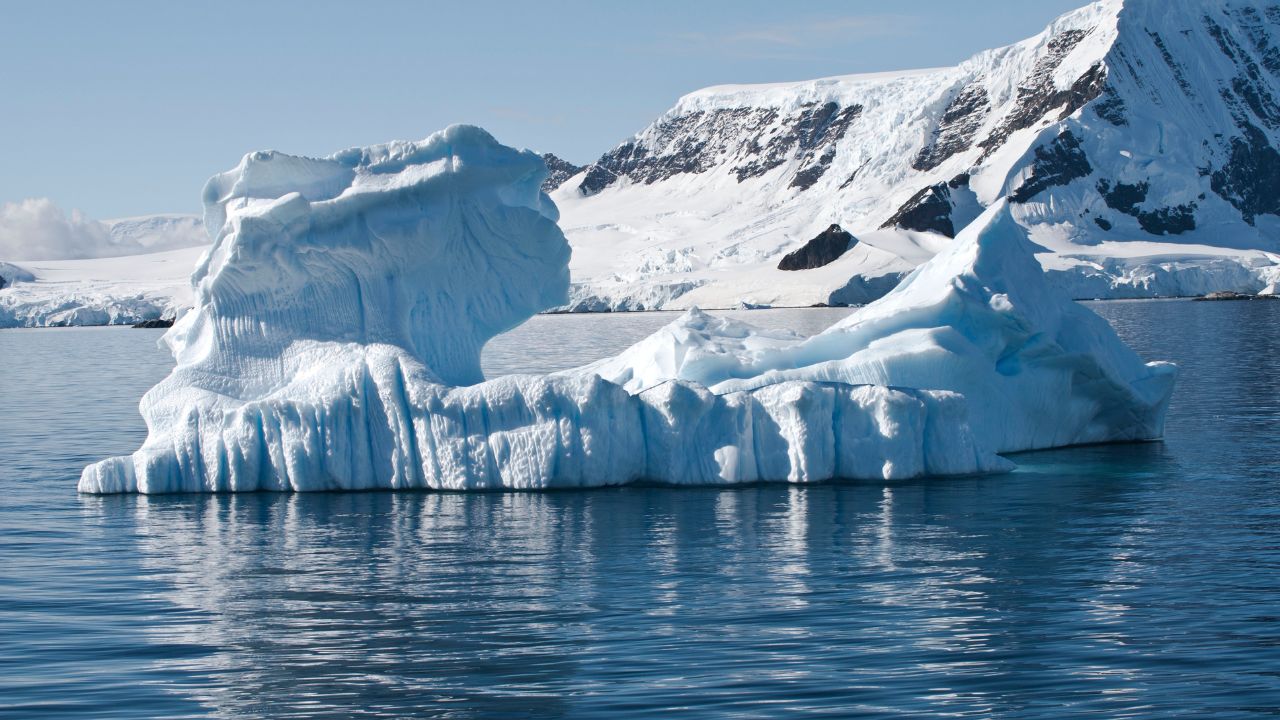
- Antarctica's Pole of Inaccessibility marks the most remote point on the continent, farthest from any coastline or research station.
- Located at a latitude and longitude where access is extremely difficult due to harsh weather conditions and thick ice.
- It challenges explorers with its freezing temperatures and treacherous terrain, making it one of the most isolated places on Earth.
- This spot has intrigued adventurers and scientists alike, drawn by its untouched nature and extreme conditions.
- Visiting requires specialized equipment and logistical planning, as well as enduring extreme cold and isolation.
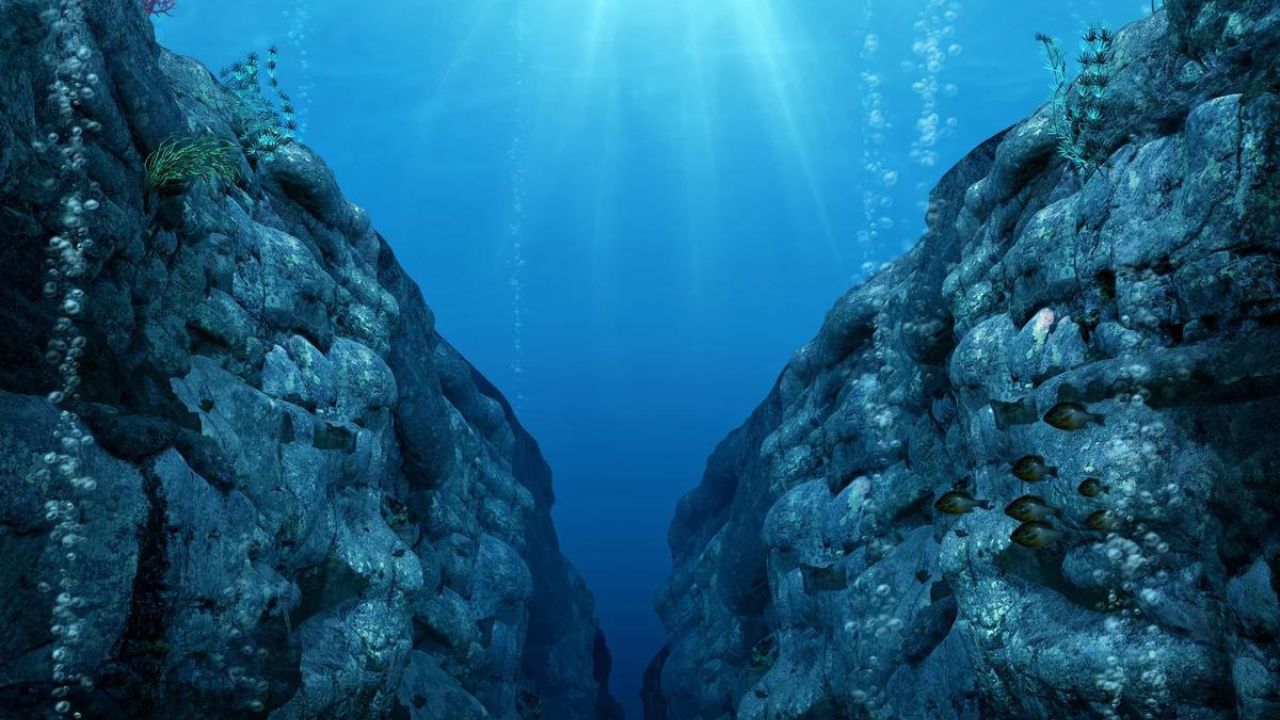
- Located in the western Pacific Ocean, the Mariana Trench is the deepest known part of the Earth's oceans.
- It reaches a staggering depth of nearly 36,000 feet, deeper than Mount Everest is tall.
- This trench is home to unique and mysterious creatures adapted to extreme pressure and darkness.
- Exploring the Mariana Trench requires advanced technology and specialized submersibles.
- Scientists study its depths to learn about deep-sea ecosystems and geological processes.
- The pressure at the bottom of the trench is over 1,000 times greater than at sea level, making it one of the most challenging environments to explore.
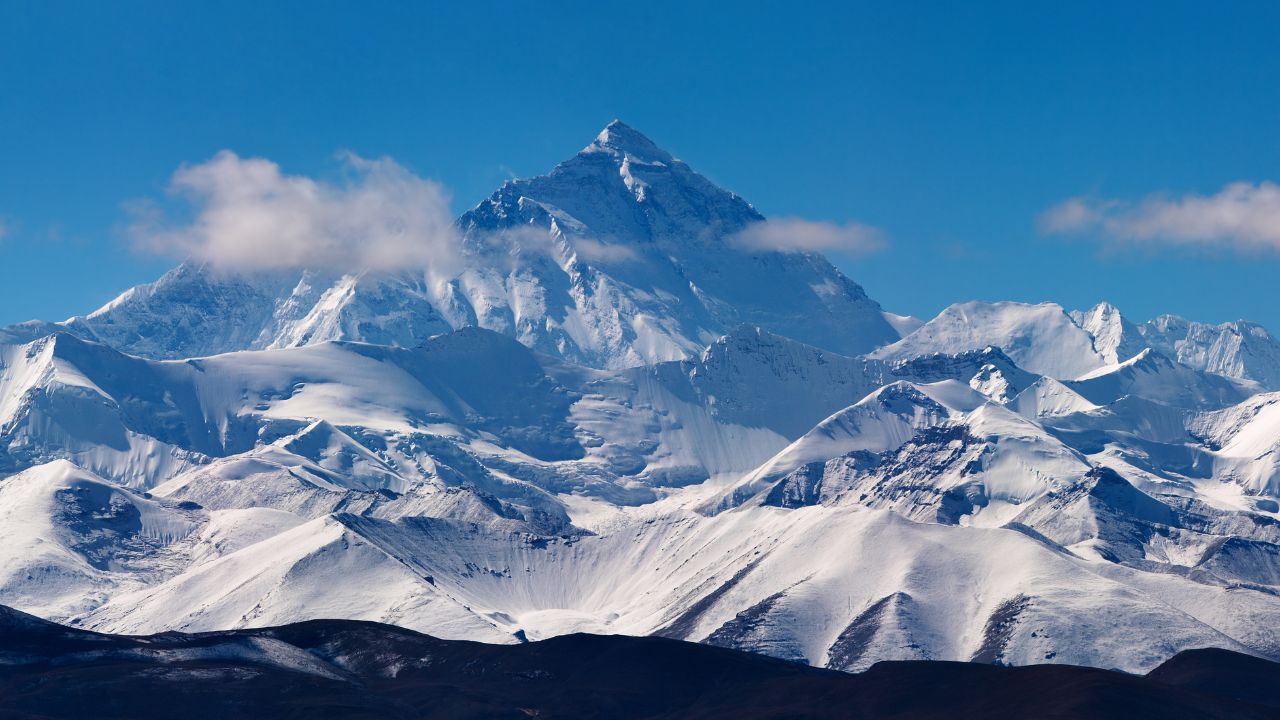
Mount Everest's Death Zone refers to altitudes above 8,000 meters (26,247 feet), where oxygen levels are dangerously low.
At such heights, the air is thin, making it difficult for climbers to breathe and causing severe altitude sickness.
Climbers face extreme cold, strong winds, and the risk of avalanches, which add to the peril of scaling the peak.
Lack of oxygen can lead to impaired judgment, confusion, and eventually, fatal conditions like high-altitude cerebral edema (HACE) or pulmonary edema (HAPE).
Climbers undergo rigorous training and acclimatization to prepare for these conditions, and safety measures are crucial for survival.
Despite these challenges, reaching Everest's summit is a monumental achievement for mountaineers, showcasing human perseverance and courage.
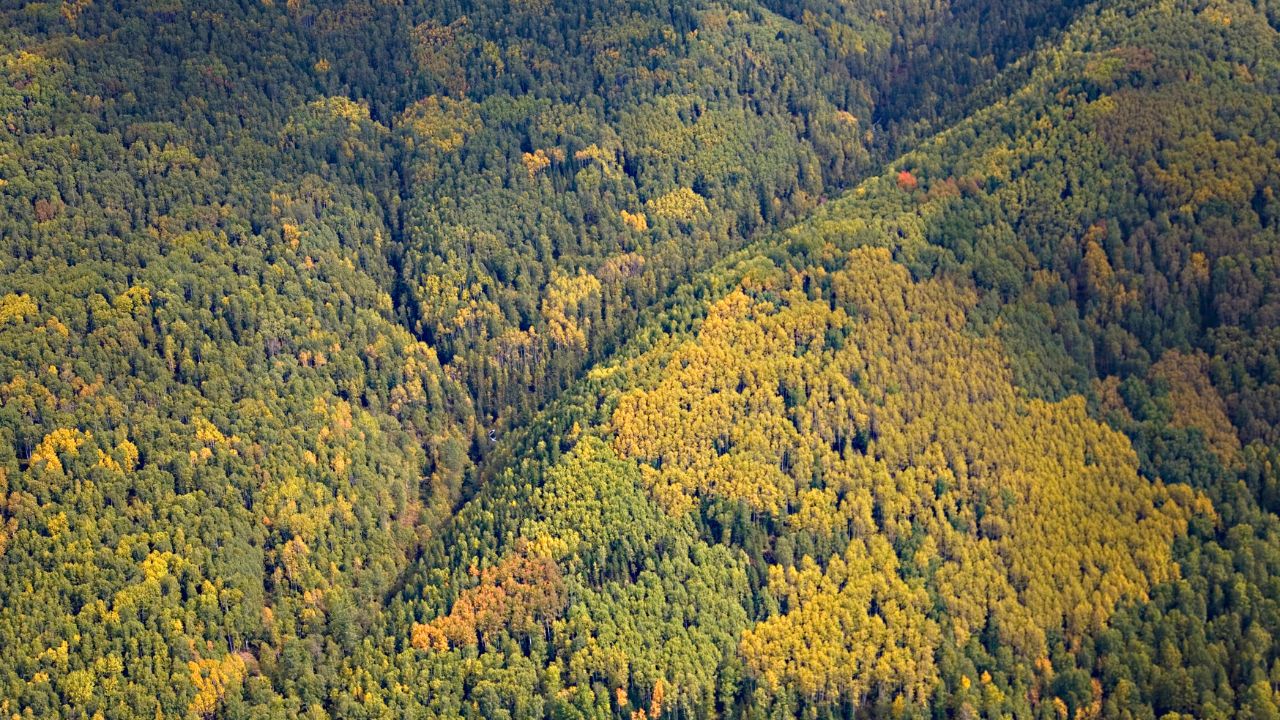
The Siberian Taiga is an immense forest stretching across Siberia, Russia, covering millions of square kilometers.
Known for its bitterly cold winters and short, cool summers, the taiga experiences extreme temperature fluctuations throughout the year.
Home to diverse wildlife such as bears, wolves, and Siberian tigers, the taiga supports a unique ecosystem adapted to its rugged terrain.
Navigating through dense forests and marshy areas, explorers must contend with thick undergrowth and unpredictable weather conditions.
Indigenous peoples like the Evenks and Yakuts have traditionally lived in harmony with the taiga, relying on its resources for survival.
The taiga is rich in natural resources such as timber, minerals, and freshwater, making it an important region for Russia’s economy.
Accessing the taiga can be difficult due to its remote location and lack of infrastructure, requiring long journeys by plane, boat, or overland vehicles.
Conservation efforts are crucial to protect the taiga’s delicate balance and biodiversity from logging, mining, and other human activities.
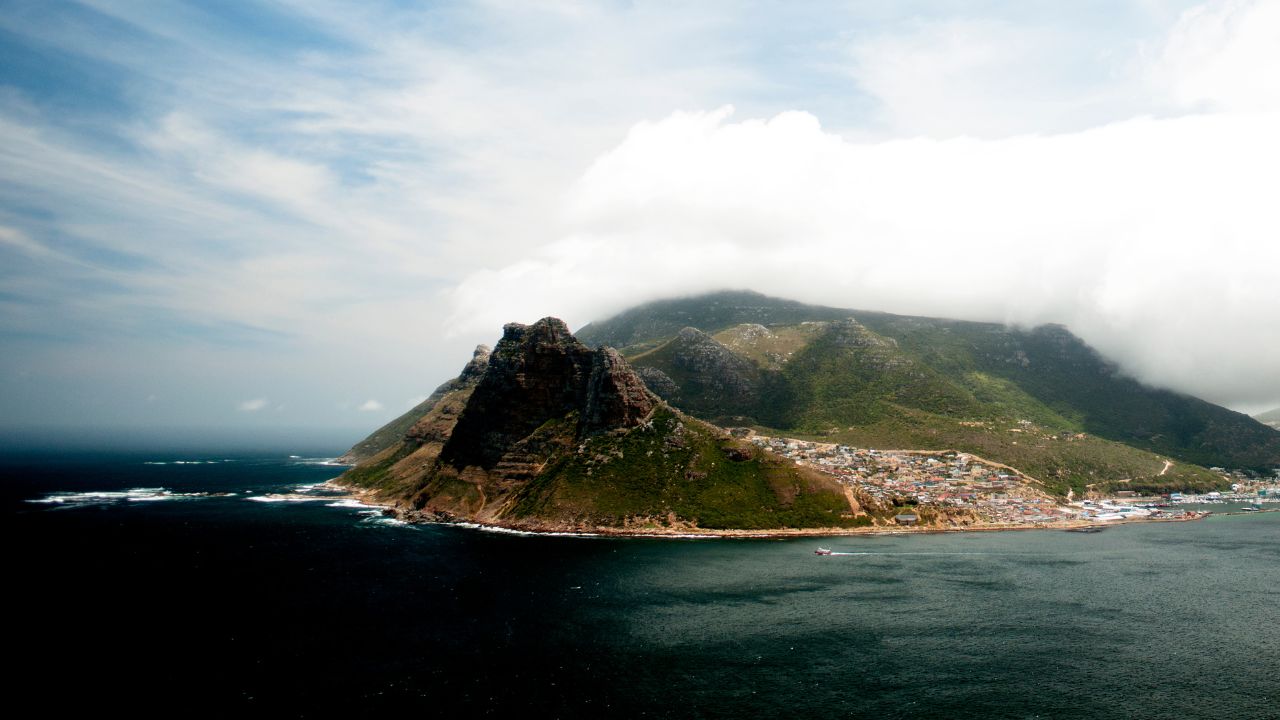
North Sentinel Island is located in the Bay of Bengal and is one of the most isolated places on Earth.
It is home to the Sentinelese tribe, known for their complete isolation from the outside world and fierce protection of their homeland.
Visiting the island is prohibited to protect both the tribe and visitors due to the tribe's hostility towards outsiders and the risk of introducing diseases.
The Sentinelese have lived on the island for thousands of years, maintaining their traditional way of life and language.
The island remains untouched by modern civilization, with dense forests and diverse wildlife thriving in its natural habitat.
Efforts to study or interact with the Sentinelese have been met with challenges, highlighting the delicate balance between preserving cultural integrity and scientific curiosity.
The Indian government enforces strict regulations to ensure the tribe's safety and prevent unwanted contact that could endanger their health and cultural heritage.
Despite its isolation, North Sentinel Island has garnered global interest for its unique cultural and environmental significance.
Conservationists monitor the island from a distance to study its ecosystem and protect its biodiversity without disturbing the Sentinelese tribe.
North Sentinel Island serves as a reminder of the importance of respecting indigenous cultures and preserving untouched environments in our increasingly connected world.
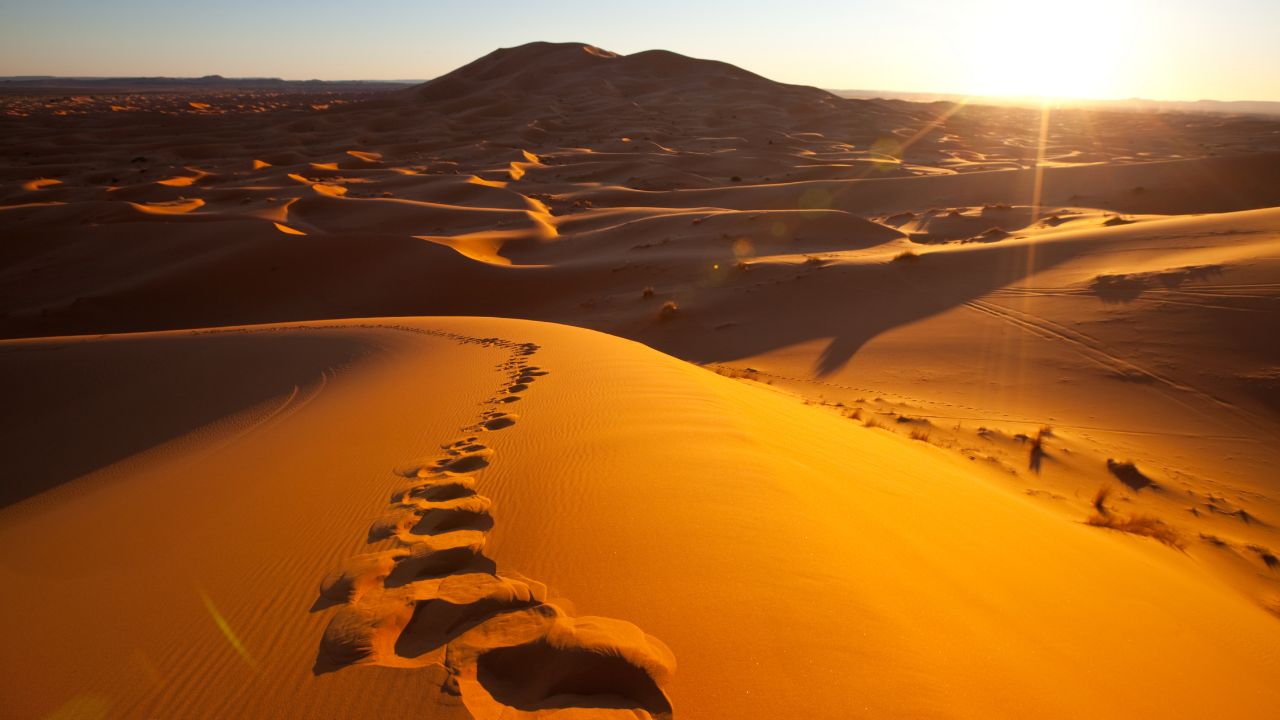
The Sahara Desert is the largest hot desert in the world, covering much of North Africa. It's known for its vast stretches of sand dunes and extreme temperatures.
The Sahara spans over 9 million square kilometers, making it almost as large as the United States.
It features a diverse landscape including sand dunes, rocky plateaus, and occasional mountains like the Atlas Mountains.
The Sahara experiences scorching hot temperatures during the day, often exceeding 50°C (122°F).
Nights can be surprisingly cold due to the lack of humidity and clear skies, allowing heat to escape rapidly.
Despite its harsh conditions, the Sahara supports a variety of life adapted to desert environments.
Plants like acacia trees and cacti can be found, along with animals like camels, desert foxes, and scorpions.
The Sahara has been home to various nomadic tribes such as the Tuareg and Berbers, known for their resilience and knowledge of desert survival.
It holds cultural treasures like ancient rock art and historic trade routes that connected civilizations across Africa and beyond.
Traveling across the Sahara poses significant challenges due to its vastness and extreme conditions.
Navigation is critical as landmarks are sparse and shifting sand dunes can disorient travelers.
Despite its challenges, the Sahara attracts adventurous tourists interested in its unique landscapes and cultural heritage.
Conservation efforts focus on preserving desert ecosystems and supporting local communities dependent on sustainable desert resources.
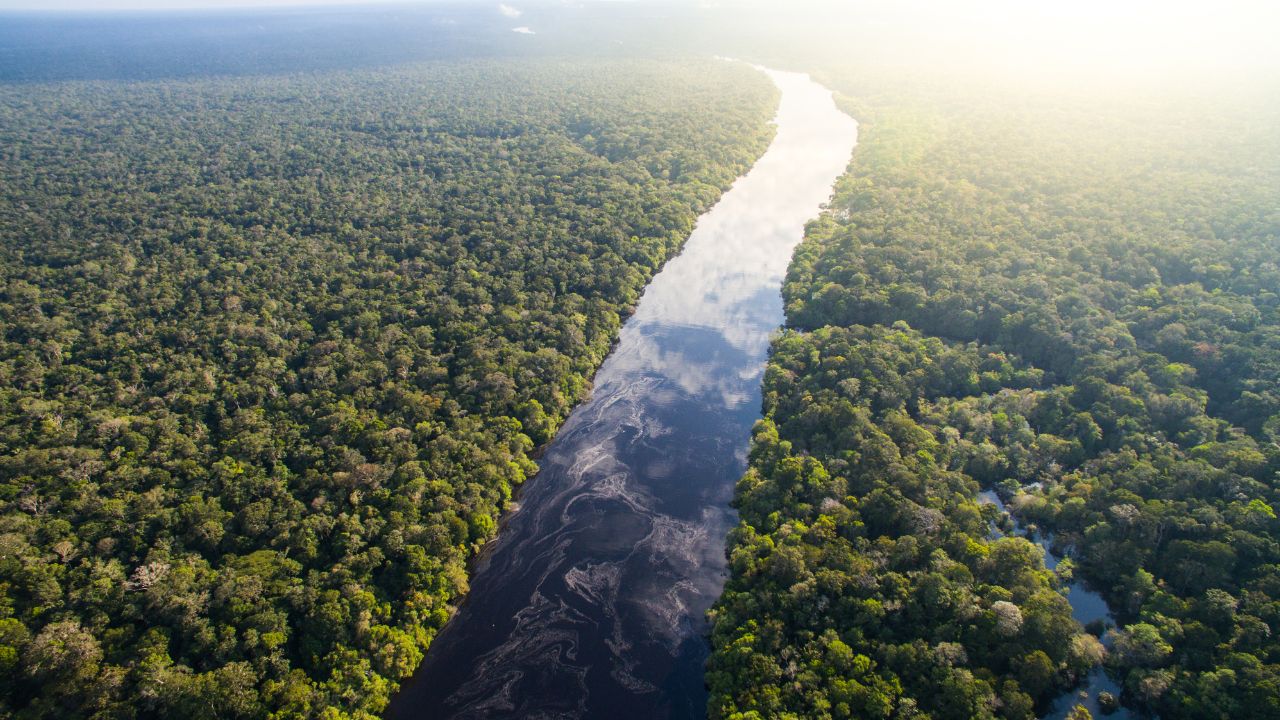
A vast expanse of lush greenery, the Amazon Rainforest is the largest tropical rainforest on Earth, spanning multiple countries in South America.
Home to millions of species of plants, animals, and insects, the Amazon teems with life, making it a biodiversity hotspot of global importance.
It houses diverse ecosystems, from dense jungles to winding rivers and flooded forests, each supporting a unique array of wildlife.
Despite its ecological importance, the Amazon faces threats from deforestation, climate change, and illegal logging, highlighting the need for conservation efforts.
The rainforest is also home to numerous indigenous tribes, each with its own rich culture and traditional knowledge of the forest.
Its role in regulating the Earth's climate and producing oxygen underscores its global significance in maintaining ecological balance.
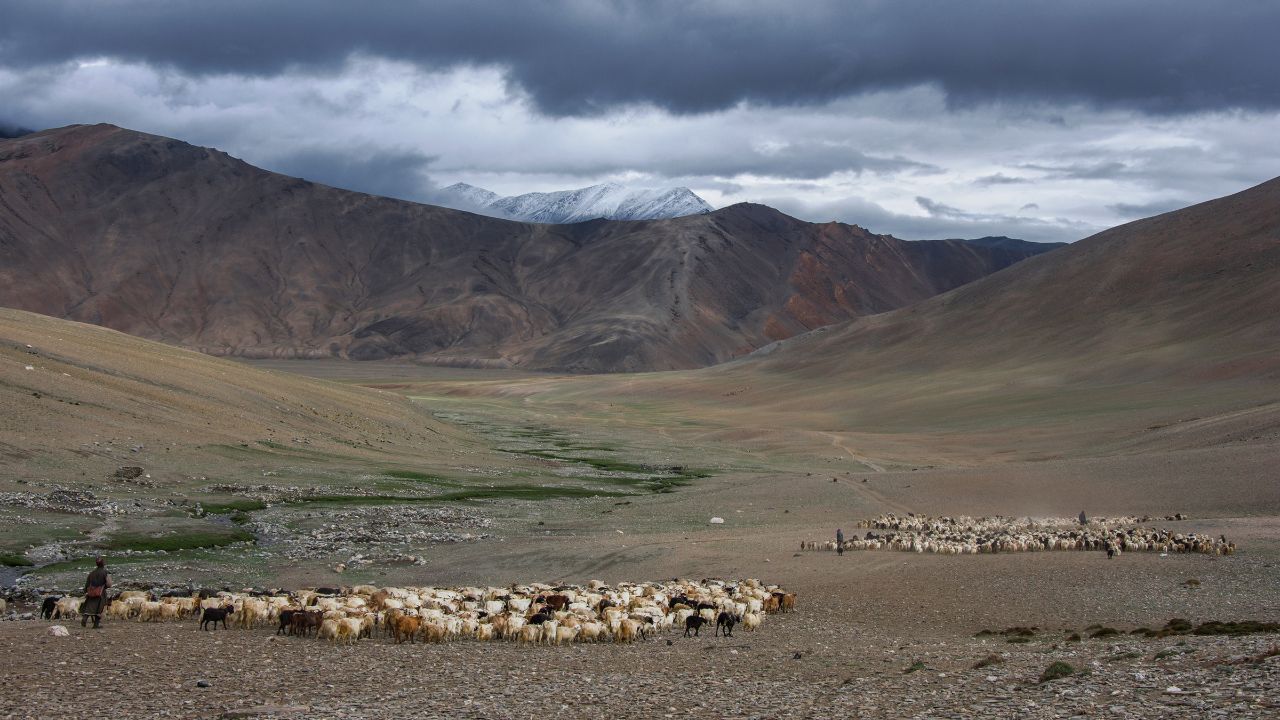
Situated in Tibet, China, the Changtang Plateau is a vast expanse of rugged terrain and breathtaking landscapes.
It's home to nomadic Tibetan tribes who have adapted to the harsh conditions over generations, maintaining their unique way of life.
The plateau is a sanctuary for rare wildlife like the Tibetan antelope (chiru) and wild yak, thriving in its remote and pristine environment.
Known for its extreme weather, from freezing winters to scorching summers, the plateau tests the resilience of both its inhabitants and adventurers.
Beyond its natural beauty, the Changtang Plateau offers insights into Tibetan culture and traditions, preserved amidst its isolated communities.
Efforts are underway to protect the plateau’s delicate ecosystem and its endangered species, ensuring its beauty endures for future generations.
For those seeking remote and untouched landscapes, the Changtang Plateau promises an unforgettable journey into the heart of Tibetan wilderness.
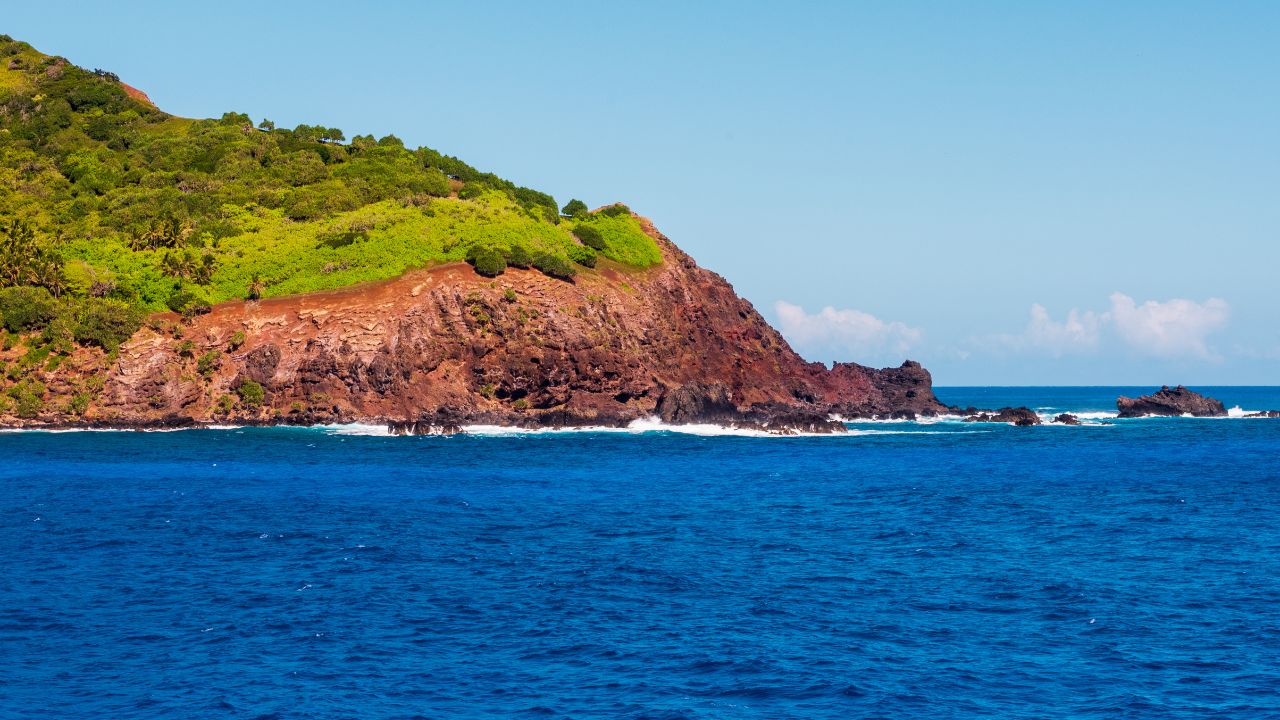
Situated in the South Pacific Ocean, the Pitcairn Islands are among the world's most isolated territories.
Famous for being the final refuge of the HMS Bounty mutineers in 1790, the islands have a rich maritime history.
Despite its remoteness, the islands are home to a small community of around 50 inhabitants, primarily descendants of the Bounty mutineers and Polynesian companions.
Known for their pristine environment, the Pitcairn Islands boast stunning landscapes, including rugged cliffs, lush greenery, and crystal-clear waters teeming with marine life.
Getting to Pitcairn is no easy feat; visitors must navigate rough seas and limited transportation options, making it a true adventure destination.
The Pitcairn community preserves its unique blend of British and Polynesian cultures, evident in their traditions, language, and cuisine.
Recognized for their biodiversity, the islands are actively protected, with efforts to conserve native flora and fauna.
Despite its remoteness, the islands attract adventurous travelers seeking off-the-beaten-path experiences and a glimpse into secluded island life.
Visitors can explore historical sites, enjoy hiking trails with panoramic views, and engage in water activities like snorkeling and diving in pristine coral reefs.
As the world becomes more connected, balancing tourism with environmental preservation remains crucial for the Pitcairn Islands' sustainable future.
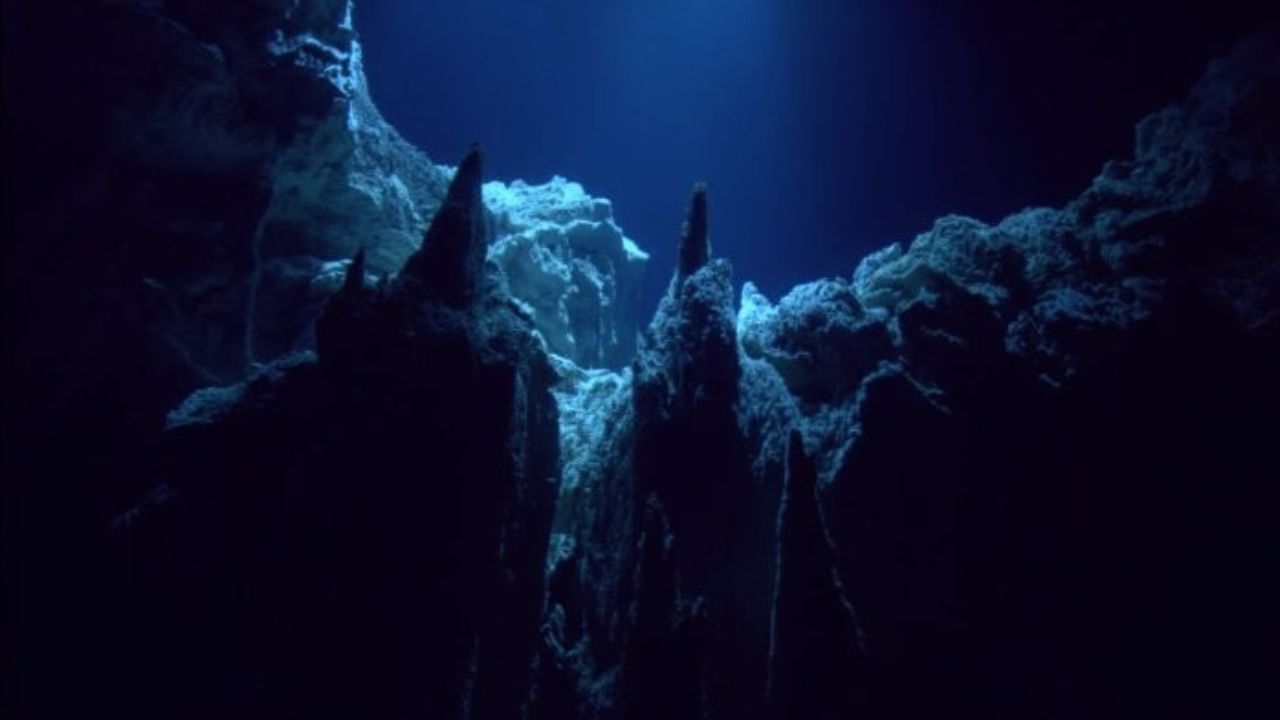
Situated in the Mariana Trench, Challenger Deep is the deepest known point in the Earth's oceans, plunging over 36,000 feet below the surface.
This remote and mysterious location has been visited by only a few manned submersibles, highlighting its extreme depth and challenging conditions.
At these depths, the pressure is immense, equivalent to about 1,000 times the atmospheric pressure at sea level, making it a harsh environment for any living creature.
Scientists have found unique organisms adapted to survive in the extreme conditions of darkness and pressure, offering insights into deep-sea biology.
Studying Challenger Deep provides valuable information about Earth's geology and oceanography, helping us understand our planet's history and ecosystems better.
Despite its challenges, ongoing research and technological advancements continue to unravel the mysteries hidden within Challenger Deep, inspiring future explorers and scientists alike.
Explore the 10 most challenging places on Earth, from Antarctica's Pole of Inaccessibility to the depths of Challenger Deep in the Mariana Trench. These locations test human limits with extreme conditions like freezing temperatures, thin air, and remote terrains. Each spot offers unique challenges and rewards, from the cultural richness of North Sentinel Island to the biodiversity of the Amazon Rainforest. Journey through these remarkable places and discover the resilience of both nature and human spirit in overcoming adversity.
Dear Readers, the exploration of these remote and challenging locations requires specialized knowledge, equipment, and respect for local cultures and environments. While these places inspire curiosity and awe, they also demand caution and responsibility from adventurers and researchers alike. DXB News Network encourages safe and informed exploration, ensuring the preservation of these natural wonders for future generations.
Challenger Deep is the deepest known point in the Earth's oceans, located in the Mariana Trench.
It plunges over 36,000 feet (about 11,000 meters) below sea level, deeper than Mount Everest is tall.
Studying Challenger Deep provides insights into deep-sea biology, Earth's geology, and oceanography, offering clues about our planet's history and ecosystem.
Explorers encounter extreme pressures, total darkness, and harsh conditions that make it difficult for manned submersibles to operate.
Scientists have discovered unique organisms adapted to survive in extreme conditions of pressure and darkness, providing valuable insights into deep-sea life.

Qatar, Italy Leaders Discuss Regional Stability & Energy Ties
Qatar’s Emir and Italy’s Prime Minister discuss regional stability, energy security, and economic co

Danube Launches Signature Master-Planned Community
Danube Properties unveils Greenz By Danube in Dubai, offering luxury villas, townhouses, 50+ ameniti

Neoterra breaks ground on ELMORA, unveils new project
Neoterra begins ELMORA construction in Jumeirah Garden City and announces a new residential project

WINGIE Launches AI Refund System for Airline Travelers
WINGIE introduces AI-driven refund technology, enabling seamless, fully digital airline refund proce
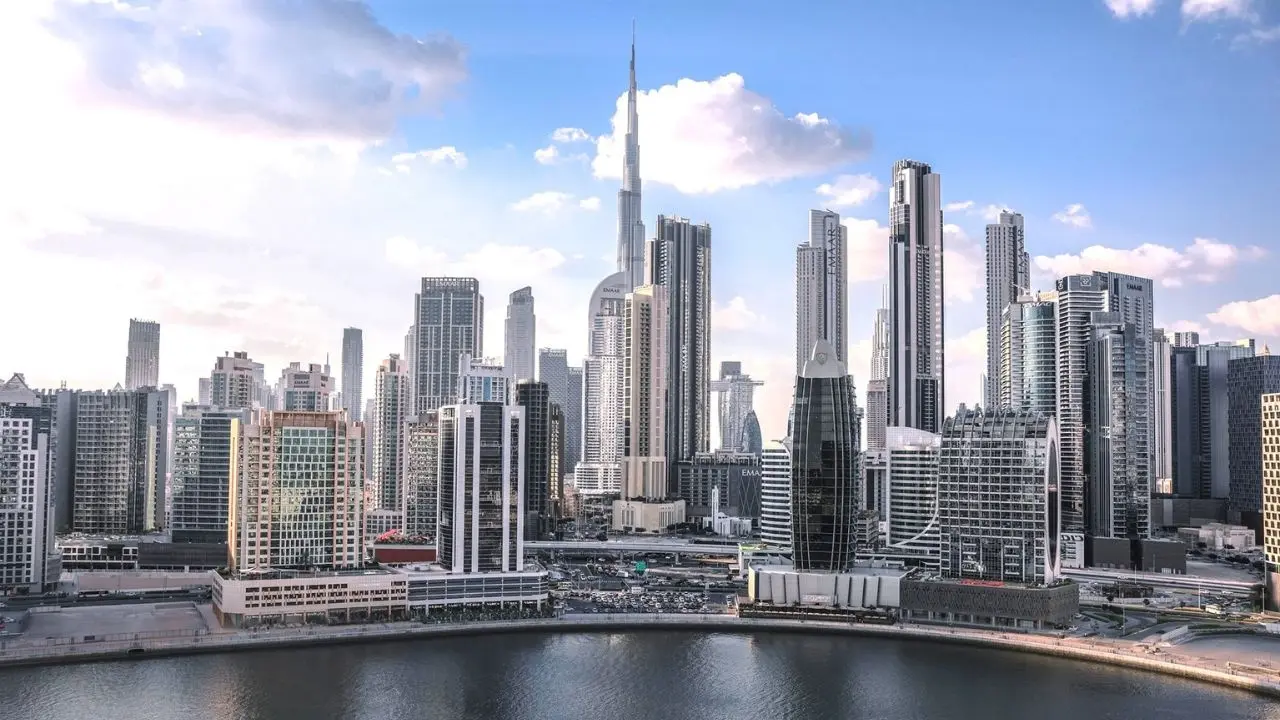
Dubai property sales surge to AED176.7B in Q1 2026
Dubai records AED176.7B property sales in Q1 2026, with rising values, steady transaction growth and

Russia Strikes Northeast Ukraine, 4 Killed, 11 Injured
Russian drone and missile attacks on northeast Ukraine killed 4 and injured 11, with major strikes r

Selena Gomez Leads Candy Pink Trend in 2026 Fashion
Selena Gomez embraces candy pink fashion at a Rare Beauty event, highlighting 2026’s biggest color t


UAE Art Show in Seoul Challenges Stereotypes
Exhibition in Seoul highlights diverse UAE art, moving beyond luxury stereotypes to explore identity

Starbucks Strikes Major Partnership for China Growth
Starbucks teams with Boyu Capital, selling a majority stake in China unit to ramp up store growth an

Couple Among Three Charged in Massive Meth Trafficking Case in Malaysia
Three charged in Malaysia for trafficking 510kg of meth; if convicted, they could face severe penalt

Murder Suspect Returns to Geylang Crime Scene for Investigation
Singapore police revisit Geylang as a 48-year-old suspect faces charges in the fatal stabbing of a 7
NASA Launches Artemis II Crew for 10-Day Lunar Mission
NASA launches Artemis II with four astronauts for a 10-day Moon mission, marking the first crewed lu

Dubai RTA, Ministry Partner for Family First Programme
Dubai RTA and Ministry of Family partner to enhance transport, urban spaces, and services under Fami

Bank of Baroda Faces Abu Dhabi Legal Battle over NMC Collapse
Bank of Baroda’s involvement in Abu Dhabi litigation tied to the NMC Healthcare collapse raises repu

Top Museum Openings of 2026 Set to Transform Global Tourism
From Los Angeles to Abu Dhabi and Brussels, 2026 brings major museum launches—Lucas Museum, Guggenhe