Post by : Saif Khan
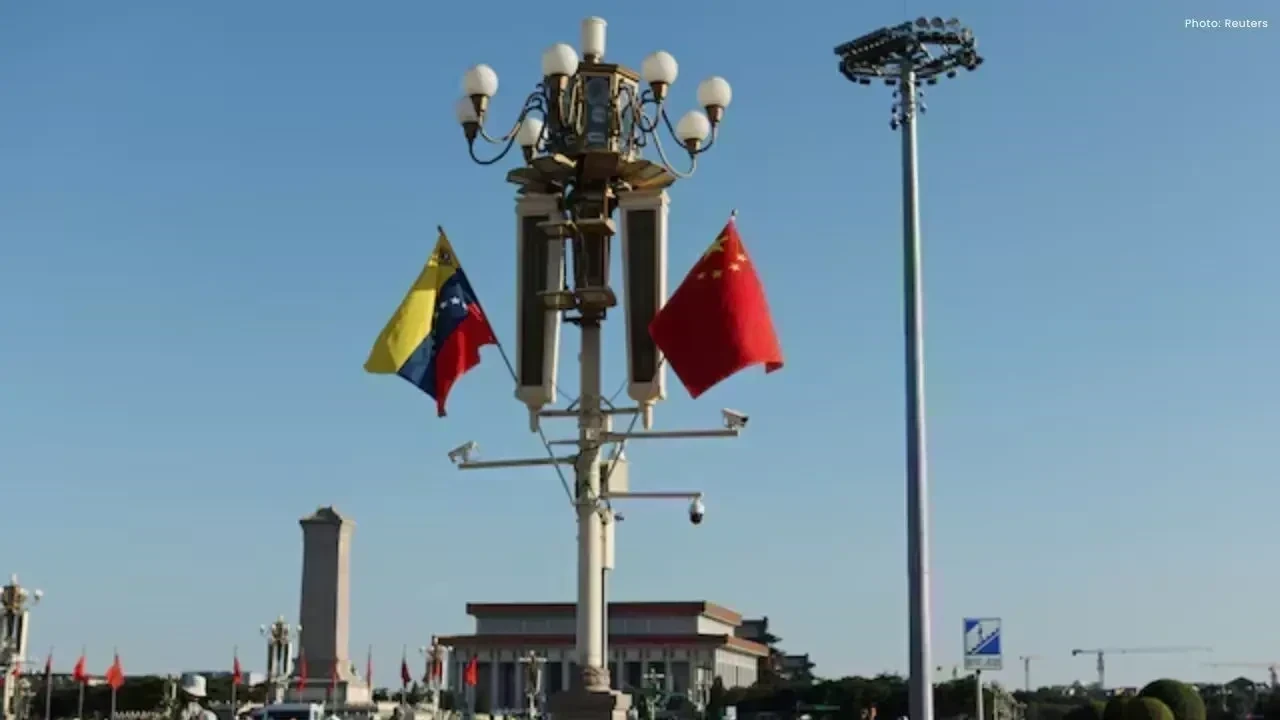
Venezuela’s longstanding financial ties with China are drawing renewed interest as recent U.S. moves complicate how the country manages its debt repayments. Central to this dilemma is oil, which stands as Venezuela's most significant asset and revenue stream. A closer examination reveals how much Venezuela owes China and why oil's involvement is pivotal amid rising political and economic tensions.
In the last two decades, China emerged as one of Venezuela’s foremost financial backers. Research firm AidData reports that government-affiliated Chinese lenders provided around 106 billion dollars in financial support from 2000 to 2018. These loans were primarily extended during peak oil prices, when Venezuela was regarded as a robust energy partner. However, a series of crises led Venezuela to default on these loans in 2017.
Determining the precise amount Venezuela currently owes China has proven challenging due to insufficient disclosure of debt figures. Estimates from AidData and investment bank Societe Generale suggest the debt could be approximately 10 billion dollars, while JP Morgan assesses it between 13 and 15 billion dollars. Notably, China remains the largest single creditor of Venezuela.
The connection to oil is significant, as many of these loans were categorized as “oil-backed.” In these agreements, Venezuela committed to repaying China mainly through crude oil shipments rather than in cash. Most of these arrangements were facilitated by the China Development Bank in collaboration with Venezuela’s state-owned company, PDVSA. Even after halting payments to other creditors due to sanctions, oil exports to China continued.
Through these frameworks, Venezuela transported oil cargoes to China, and the revenue generated from the sale was deposited into accounts managed by Beijing. This revenue was then utilized to cover interest payments and potentially portions of the principal debt. Reports from PDVSA indicate that as of 2019, China granted Venezuela a grace period, allowing it to defer principal repayments while servicing the debt through oil supplies.
The absence of reliable financial data complicates any assessment of the situation. Venezuela has not made comprehensive debt figures public for many years, with the last partial update from its central bank occurring in 2019. The International Monetary Fund has not conducted a thorough economic appraisal of Venezuela since 2004, compelling analysts to rely on oil export statistics, internal memos, and public remarks to gauge the current landscape.
Recent U.S. actions have injected additional unpredictability into the scenario. Washington has seized control over proceeds from Venezuelan oil exports, stating that the funds will be deposited in a foreign account under U.S. oversight. For China to continue receiving its due, the U.S. would need to redirect a portion of these funds to Beijing, which current political dynamics suggest is unlikely.
Beyond debt recovery, China has other vested interests in Venezuela. Its state oil company, CNPC, operates joint ventures with PDVSA, including one that yields over 100,000 barrels of oil daily. The implications of U.S. control on these operations remain uncertain.
Ultimately, Venezuela’s obligations to China underscore the intricate links between oil, politics, and finance in global affairs. Oil previously enabled Venezuela to secure significant borrowing, serving as the primary means of payment to China post-default. Now, with shifting U.S. influence altering oil distribution, the future of this repayment framework is uncertain. The developments ahead will not only impact Venezuela and China, but also the dynamics within global energy markets.

Starbucks Strikes Major Partnership for China Growth
Starbucks teams with Boyu Capital, selling a majority stake in China unit to ramp up store growth an

Abu Dhabi Launches Advanced Biobank for Smart Healthcare
Abu Dhabi launches a cutting-edge biobank linking genomic, clinical and lifestyle data to enable ear

Tesla Aims for Leadership in Japan's Automotive Sector
Tesla is set to expand in Japan with new stores and the Model Y L launch, aiming to capture the elec
Fuel Prices Soar in Pakistan Amid Ongoing Middle East Conflict
Pakistan sees petrol and diesel price hikes as global oil prices rise due to conflicts disrupting su

Couple Among Three Charged in Massive Meth Trafficking Case in Malaysia
Three charged in Malaysia for trafficking 510kg of meth; if convicted, they could face severe penalt
Allies Meet Over Hormuz Crisis Amid Iran Conflict
Over 40 US allies met to discuss reopening the Strait of Hormuz, stressing diplomacy, sanctions, and

Abu Dhabi Launches Community Responder App Initiative
Abu Dhabi launches Community Responder app to empower volunteers, improve emergency response speed,


Starbucks Strikes Major Partnership for China Growth
Starbucks teams with Boyu Capital, selling a majority stake in China unit to ramp up store growth an

Couple Among Three Charged in Massive Meth Trafficking Case in Malaysia
Three charged in Malaysia for trafficking 510kg of meth; if convicted, they could face severe penalt
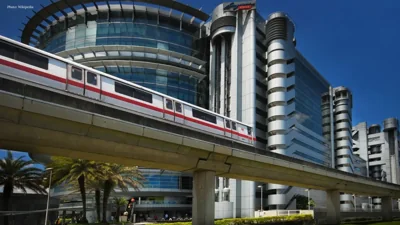
Murder Suspect Returns to Geylang Crime Scene for Investigation
Singapore police revisit Geylang as a 48-year-old suspect faces charges in the fatal stabbing of a 7
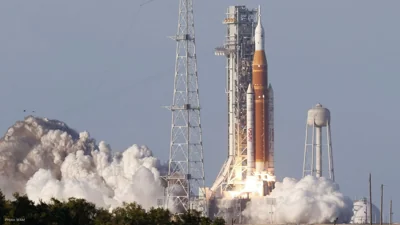
NASA Launches Artemis II Crew for 10-Day Lunar Mission
NASA launches Artemis II with four astronauts for a 10-day Moon mission, marking the first crewed lu

Dubai RTA, Ministry Partner for Family First Programme
Dubai RTA and Ministry of Family partner to enhance transport, urban spaces, and services under Fami

Bank of Baroda Faces Abu Dhabi Legal Battle over NMC Collapse
Bank of Baroda’s involvement in Abu Dhabi litigation tied to the NMC Healthcare collapse raises repu

Top Museum Openings of 2026 Set to Transform Global Tourism
From Los Angeles to Abu Dhabi and Brussels, 2026 brings major museum launches—Lucas Museum, Guggenhe

UAE Tour Highlights UAE’s Strength in Hosting Global Sports Events
Abu Dhabi Sports Council says the successful UAE Tour reflects the UAE’s leading role in hosting maj