
Post by : Anis Karim
In recent years, the global financial landscape has seen dramatic shifts. From the Euro to the Yen, from the Pound to emerging market currencies, many nations have experienced sharp swings in the value of their money. Yet, the UAE Dirham has remained surprisingly steady. For both UAE residents and international businesses, the Dirham has become a safe, predictable currency in a sea of volatility.
But why is that? What makes the UAE Dirham so different? The answer lies in a clever combination of smart policies, a fixed exchange system, and a forward-looking approach by the country’s leadership. The Dirham’s stability is no accident—it’s the result of years of careful planning.
One of the main reasons for the Dirham’s stability is its peg to the US Dollar. For decades, the UAE Dirham has been tightly linked to the Dollar at a rate of approximately 3.6725 Dirhams to 1 US Dollar. This fixed rate means that while other currencies might rise and fall daily, the Dirham remains anchored.
This peg works like a safety net. When the global markets experience panic or speculation, the UAE Dirham stays firm because its value moves in sync with the US Dollar, which is one of the world’s most powerful and stable currencies. It gives businesses, investors, and citizens the confidence to make long-term plans without worrying about currency shocks.
For the average person living in the UAE, this stability makes daily life easier. Salaries stay consistent in value, grocery bills don’t unexpectedly jump, and major purchases like cars or homes don’t become unaffordable overnight due to currency issues. Expats sending money home also benefit from a predictable exchange rate, making financial planning simpler.
Travelers, too, benefit. Whether you’re booking a vacation abroad or shopping for imported goods, you don’t have to stress about sudden price hikes caused by currency changes. In short, the Dirham’s stability touches everyday life in ways many people don’t even realize.
It’s easy to assume that the Dirham is stable simply because of the UAE’s oil wealth. While oil is undoubtedly important, the reality is more complex. Several oil-rich countries have experienced currency devaluations, proving that oil alone doesn’t guarantee a strong currency.
The UAE’s leadership has focused on diversification. From tourism to trade, from aviation to technology, the country has built multiple industries to strengthen its economy. This diversification reduces reliance on oil prices, which can be unpredictable, and keeps the Dirham’s value shielded from sudden oil market shocks.
Dubai and Abu Dhabi, the two most famous Emirates, have invested heavily in becoming global hubs for business and tourism. Dubai’s skyline, luxury resorts, and world-famous shopping festivals attract millions of tourists each year. Abu Dhabi’s investment in culture, sports, and green energy shows a vision beyond oil.
This broad economic base means that even when global oil prices dip, the UAE’s overall economy remains balanced. Investors see this stability and trust the Dirham, making it an attractive option in a world where many currencies are driven by just one or two industries.
The UAE has also attracted massive amounts of foreign investment. From multinational corporations setting up regional offices to real estate giants launching mega-projects, the country has welcomed global capital.
A stable currency is key to attracting such investments. Businesses need predictability to plan effectively. The Dirham offers exactly that—a safe, dependable currency in a stable, business-friendly environment. This cycle of attracting investment and maintaining stability feeds itself, further strengthening the Dirham’s reputation.
The UAE government has made a series of smart, forward-looking financial decisions. By keeping inflation low, maintaining high foreign currency reserves, and following conservative banking regulations, the authorities have ensured that the Dirham remains strong.
Additionally, the UAE Central Bank is known for its disciplined policies. The government does not randomly print money, nor does it engage in risky borrowing. These steps protect the value of the Dirham, especially during global financial downturns when other currencies might be struggling.
Many countries experience sharp rises and falls in their currencies because of political instability, high debt, or inconsistent government policies. Countries like Argentina, Turkey, or even the UK in recent years have faced periods of dramatic currency weakness.
In comparison, the UAE maintains political stability, low public debt, and long-term economic planning. These factors allow the Dirham to remain strong, even when many other nations are battling inflation or recession.
Tourism plays a big role in maintaining the strength of the UAE economy. Millions visit Dubai, Abu Dhabi, and other Emirates each year, spending billions of dollars on hotels, dining, shopping, and entertainment. This constant inflow of foreign currency supports the country’s reserves, strengthening the Dirham.
From shopping festivals to winter carnivals, the UAE’s focus on tourism ensures that money keeps flowing in from around the world, helping to support the stability of the currency.
Dubai’s booming real estate market is another pillar that keeps the Dirham strong. International investors often buy properties in Dubai as a safe investment. The attractiveness of tax-free property ownership, coupled with stable rental yields, pulls in global capital.
This consistent foreign investment into real estate creates demand for the Dirham, supporting its value on the international stage. Even during global downturns, Dubai’s property market has shown resilience, adding another safety layer to the Dirham’s strength.
For people living in the UAE, the Dirham’s stability translates into a calm financial life. Employees don’t fear their earnings will lose value overnight. Business owners can set long-term contracts without fearing currency losses. Parents can plan school fees and household budgets confidently.
It also helps those sending remittances abroad. Since the Dirham stays steady, expatriates don’t have to worry about exchange rate losses when sending money back to their families.
Even during tough global times like the COVID-19 pandemic or the recent Russia-Ukraine conflict, the UAE Dirham stayed rock-solid. This performance highlights the country’s ability to manage crises without financial panic.
The government’s quick actions—whether supporting businesses, providing healthcare aid, or boosting public morale—kept the economy moving and confidence high. This kind of responsible governance is a key reason why the Dirham remains trusted worldwide.
Some people wonder if the UAE will ever break away from the US Dollar peg. However, most experts agree there is no need. The system works well for the country, keeping inflation low and investor confidence high. As long as the UAE’s economy remains strong, the Dirham will likely continue to stay pegged, offering the same peace of mind to its people.
Global events in recent years—from economic crises to wars—have shown that financial stability cannot be taken for granted. For those in the UAE, the Dirham offers safety and predictability. Whether you are a business owner, investor, expat, or tourist, the Dirham remains a safe, trustworthy currency amidst growing uncertainty elsewhere.
In a world where currencies rise and fall with alarming speed, the UAE Dirham stands out. It is more than just a local currency—it is a symbol of careful planning, smart economic management, and a strong vision for the future. Its stability brings peace of mind to millions of people living and working in the UAE.
As Dubai and Abu Dhabi continue to evolve into major global cities, the Dirham’s story is far from over. It will likely remain the backbone of the UAE’s success story—quiet, stable, and reliable while the rest of the world faces stormy financial waters.
This article is written for general informational purposes, based on public economic reports and recent financial trends. Currency markets are complex, and individual experiences may vary.

Danube Launches Signature Master-Planned Community
Danube Properties unveils Greenz By Danube in Dubai, offering luxury villas, townhouses, 50+ ameniti
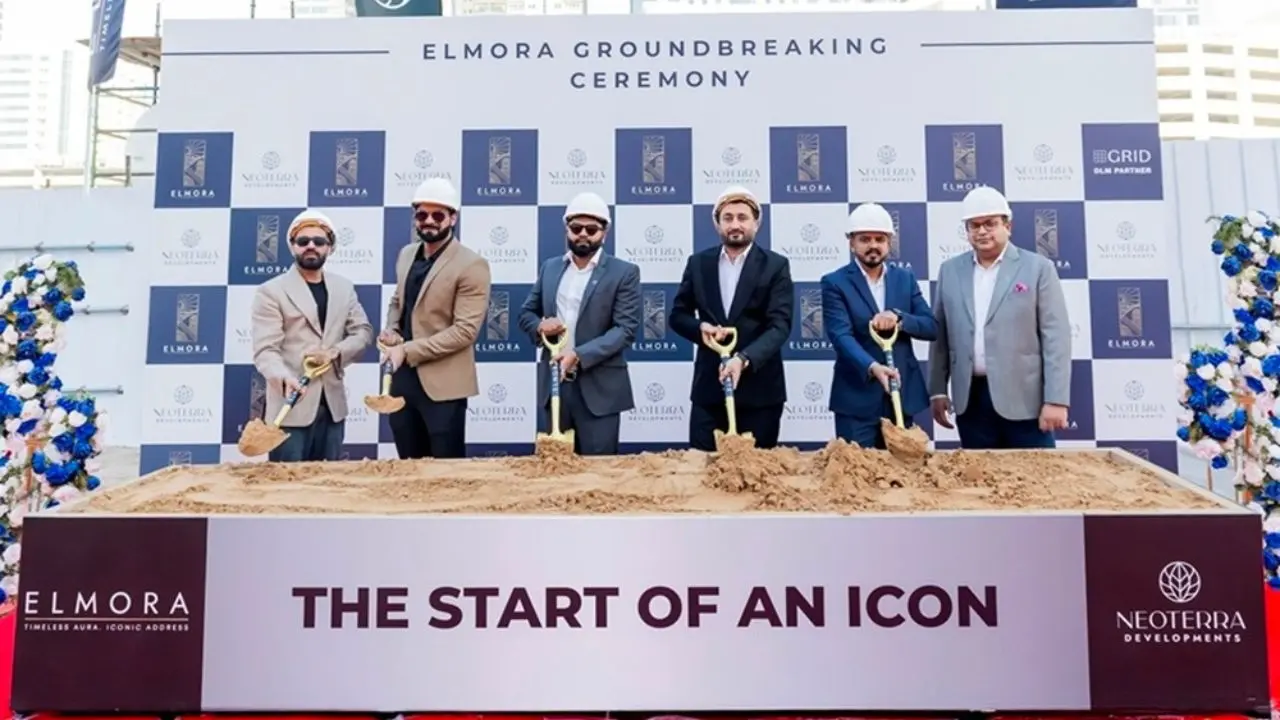
Neoterra breaks ground on ELMORA, unveils new project
Neoterra begins ELMORA construction in Jumeirah Garden City and announces a new residential project
WINGIE Launches AI Refund System for Airline Travelers
WINGIE introduces AI-driven refund technology, enabling seamless, fully digital airline refund proce
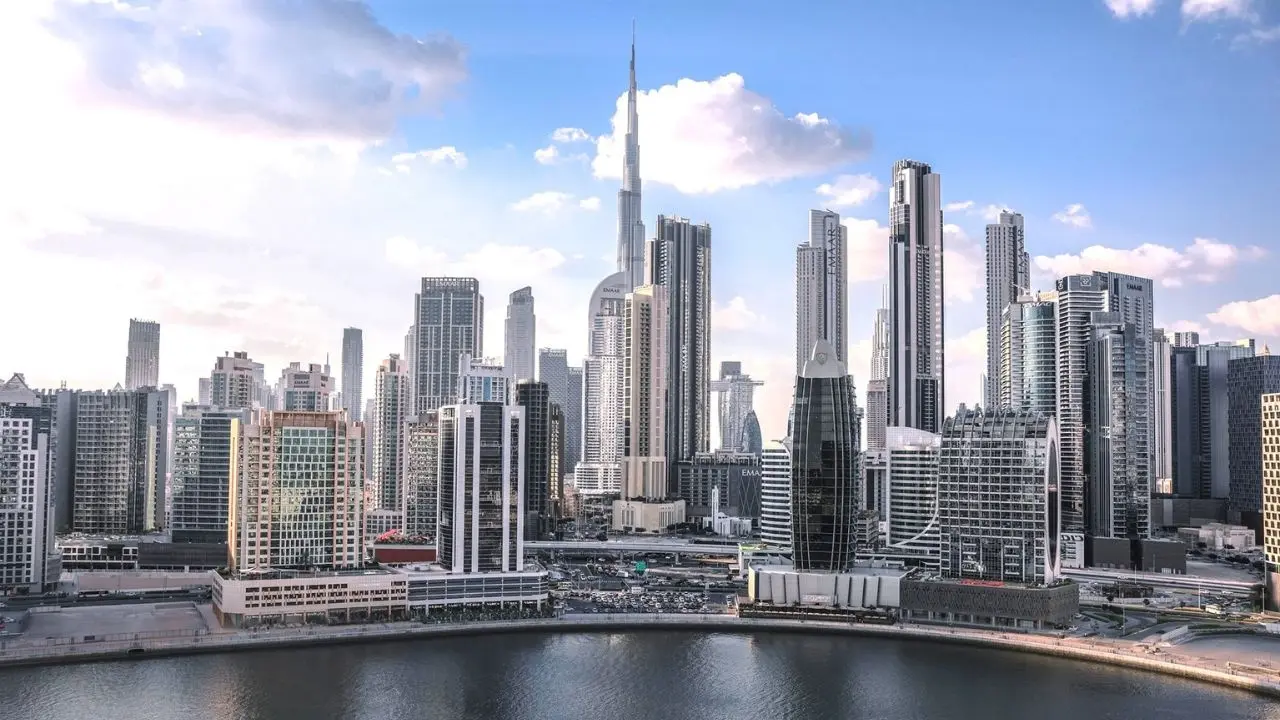
Dubai property sales surge to AED176.7B in Q1 2026
Dubai records AED176.7B property sales in Q1 2026, with rising values, steady transaction growth and

Russia Strikes Northeast Ukraine, 4 Killed, 11 Injured
Russian drone and missile attacks on northeast Ukraine killed 4 and injured 11, with major strikes r

Selena Gomez Leads Candy Pink Trend in 2026 Fashion
Selena Gomez embraces candy pink fashion at a Rare Beauty event, highlighting 2026’s biggest color t
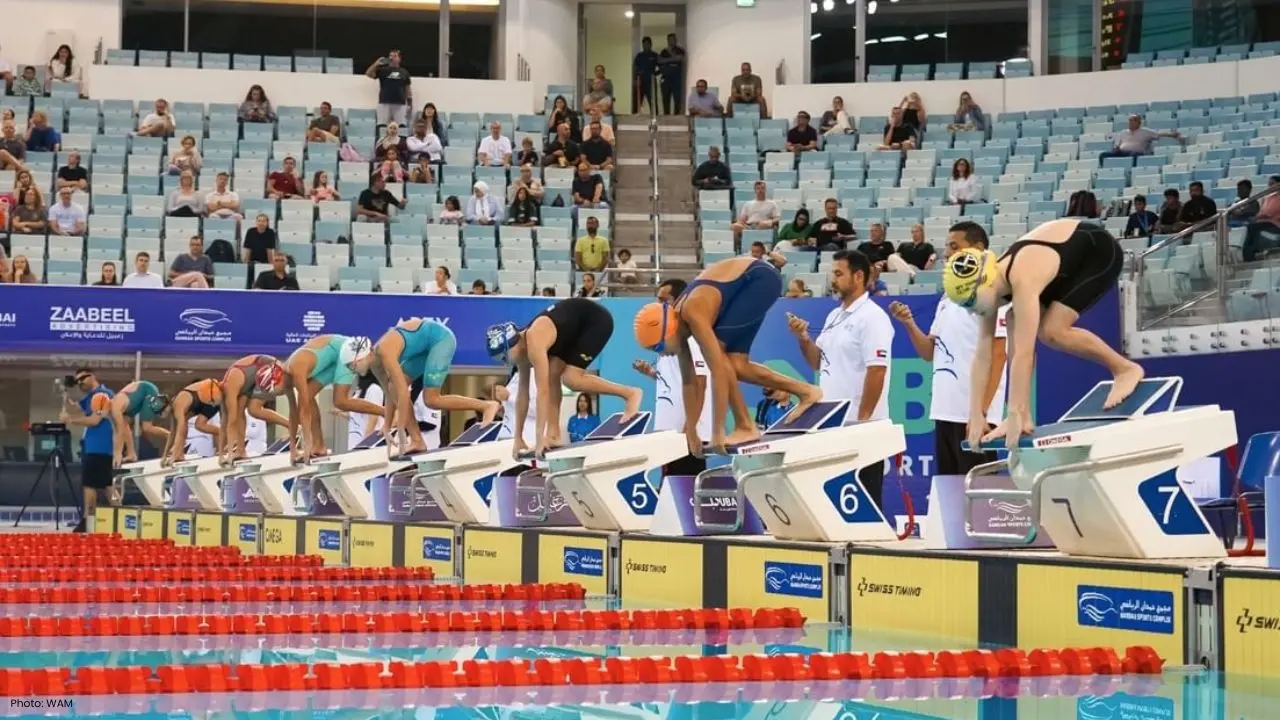
Dubai Aquatics Championship 2026 Begins with Record Turnout
Dubai Aquatics Championship 2026 kicks off with 1,670 swimmers from 100+ nationalities, making it on


UAE Art Show in Seoul Challenges Stereotypes
Exhibition in Seoul highlights diverse UAE art, moving beyond luxury stereotypes to explore identity

Starbucks Strikes Major Partnership for China Growth
Starbucks teams with Boyu Capital, selling a majority stake in China unit to ramp up store growth an

Couple Among Three Charged in Massive Meth Trafficking Case in Malaysia
Three charged in Malaysia for trafficking 510kg of meth; if convicted, they could face severe penalt
Murder Suspect Returns to Geylang Crime Scene for Investigation
Singapore police revisit Geylang as a 48-year-old suspect faces charges in the fatal stabbing of a 7
NASA Launches Artemis II Crew for 10-Day Lunar Mission
NASA launches Artemis II with four astronauts for a 10-day Moon mission, marking the first crewed lu
Dubai RTA, Ministry Partner for Family First Programme
Dubai RTA and Ministry of Family partner to enhance transport, urban spaces, and services under Fami
Bank of Baroda Faces Abu Dhabi Legal Battle over NMC Collapse
Bank of Baroda’s involvement in Abu Dhabi litigation tied to the NMC Healthcare collapse raises repu
Top Museum Openings of 2026 Set to Transform Global Tourism
From Los Angeles to Abu Dhabi and Brussels, 2026 brings major museum launches—Lucas Museum, Guggenhe