Post by : Zayd Kamal
Trees are more than just green giants; they’re nature’s living wonders, each with its own amazing story. From towering redwoods to ancient baobabs, these awe-inspiring trees capture our imaginations and show us the beauty and strength of nature. Here are some of the most incredible trees around the world that you just have to see:
Imagine trees so big that they seem like they touch the sky! Giant Sequoias are among the tallest trees on earth, reaching over 300 feet high. They’re also incredibly old, with some living for more than 3,000 years. Their massive trunks and thick, spongy bark help them survive through centuries of weather and fire. Visiting the Sequoia National Park in California lets you stand in awe beneath these natural giants, making it a must-see for any nature lover.
Known as the "Tree of Life," the Baobab is famous for its unique shape and huge size. These trees have enormous trunks that store water, making them vital in dry climates. Some Baobabs are thousands of years old, and their giant, twisted branches look like they’re sticking out of the ground. In Africa, these trees are not only stunning but also play a crucial role in local cultures and ecosystems. The Avenue of the Baobabs in Madagascar offers an incredible view of these towering giants.
These trees are among the oldest living things on earth. Bristlecone Pines can live for over 5,000 years, making them natural time travelers that have witnessed centuries of history. They grow in some of the harshest environments, showing incredible resilience. Their twisted, gnarled branches and rugged appearance give them a unique and ancient look. The Ancient Bristlecone Pine Forest in California is the perfect place to see these ancient trees up close.
Also known as cherry blossoms, Sakura trees are famous for their beautiful pink flowers that bloom every spring. These trees create breathtaking displays of color, turning parks and gardens into floral wonderlands. In Japan, Sakura trees symbolize renewal and the fleeting beauty of life. Cherry blossom festivals celebrate their stunning blooms and attract visitors from all over the world. Catching the Sakura in bloom is a magical experience that highlights the beauty of nature.
These trees have a fascinating way of growing. They start as seeds in the branches of other trees and gradually wrap around them, eventually becoming the main tree. The Strangler Fig’s intricate network of roots and leaves creates a dramatic and impressive sight. Found in tropical rainforests, these trees support many animals and add to the rich biodiversity of their habitats. Seeing a Strangler Fig in the wild is like witnessing nature’s artistry in action.
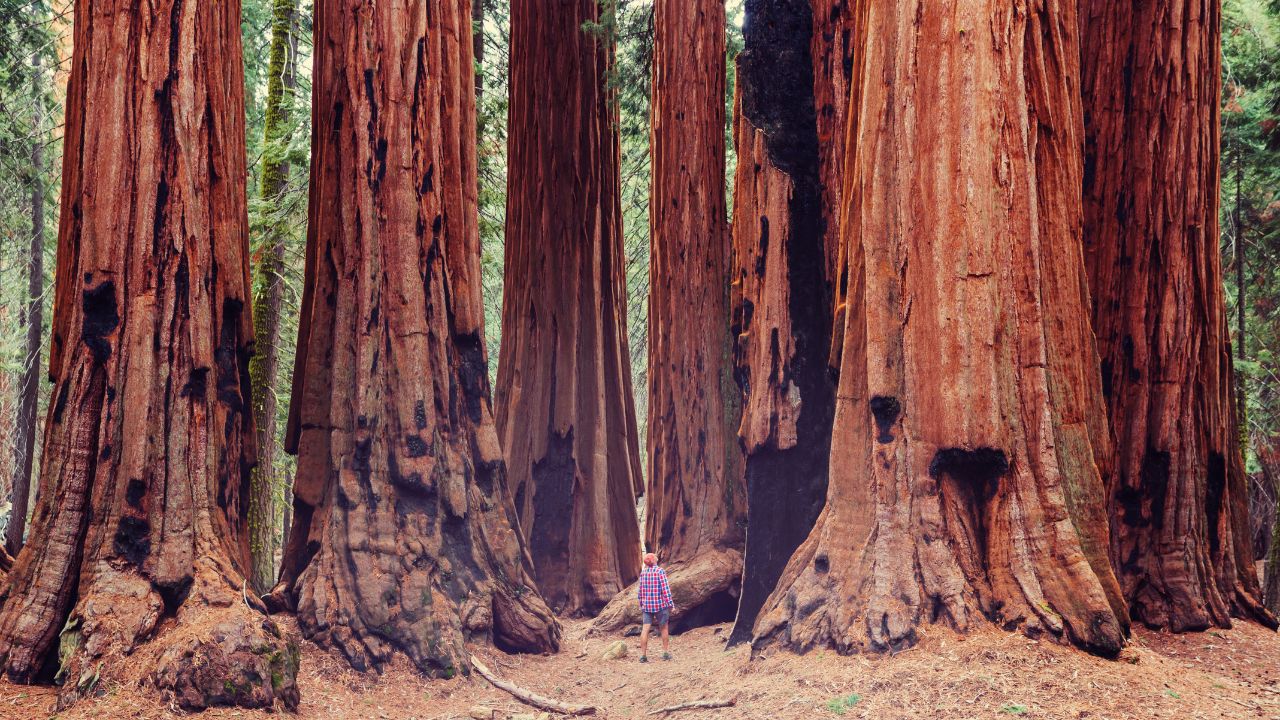
Giant Sequoias are like the superheroes of the tree world. These trees grow to incredible heights, reaching over 300 feet tall, making them some of the tallest trees on Earth. Their enormous size is truly jaw-dropping, and they hold the title of the world's largest trees by volume.
Imagine a tree that has been standing for thousands of years! Giant Sequoias are ancient, with some trees estimated to be over 3,000 years old. Their long lives make them living fossils, offering a glimpse into the ancient world and the changes our planet has gone through.
One of the most fascinating features of the Giant Sequoia is its thick, spongy bark. This bark is like a natural armor that helps protect the tree from wildfires. The tree’s resilience and ability to survive fires make it a true marvel of nature.
The Giant Sequoia’s leaves, or needles, are soft and green, creating a lush canopy. The tree also produces cones that are small compared to its massive size. These cones release seeds that can grow into new trees, continuing the cycle of life for these magnificent giants.
Giant Sequoias provide a home for many animals. Birds, insects, and even some mammals make their homes in the massive trunks and branches. The tree’s large size and hollow areas offer cozy nooks for various creatures, making it a bustling ecosystem on its own.
If you want to see these incredible trees up close, head to Sequoia National Park in California. The park is home to some of the most famous Giant Sequoias, including the General Sherman Tree, which is one of the largest trees by volume. Walking among these giants is a breathtaking experience that shows just how grand nature can be.
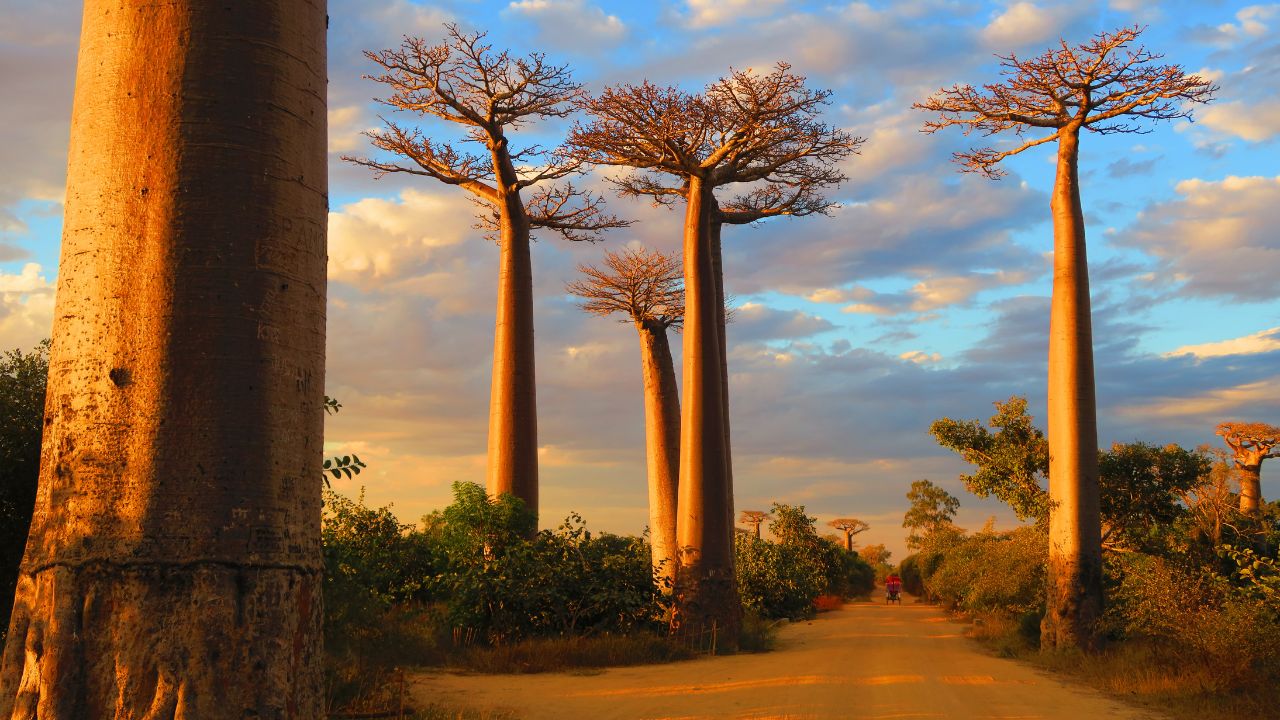
The Baobab tree stands out with its bulbous trunk and sparse branches, making it look like it’s been planted upside down. This distinctive shape makes the Baobab one of Africa's most iconic trees and an interesting subject for anyone curious about unique trees.
Baobabs can grow up to 98 feet tall with trunks that can measure over 30 feet in diameter. Some of these trees are thousands of years old, making them not just large but also ancient marvels of nature. The size and age of the Baobab contribute to its status as one of Africa's most remarkable trees.
In many African cultures, the Baobab is known as the "Tree of Life." It’s celebrated for its ability to provide food, water, and shelter. The Baobab's fruit, rich in vitamin C, is eaten fresh or dried, and its leaves are used in traditional dishes. This tree’s role in local traditions highlights its importance in daily life.
The Baobab supports a variety of wildlife. Its large fruit is a crucial food source for animals, and its hollow trunk can store water during dry periods. This tree’s ecological role in providing resources and habitat makes it a key part of its environment.
The Baobab's broad, gray trunk and sparse branches create a dramatic visual effect, especially when set against the African landscape. Its unusual appearance and size make it a favorite among photographers and nature lovers, eager to capture its grandeur.
You can see the Baobab tree in many parts of Africa, including Madagascar, Kenya, and Tanzania. One of the most famous places to visit is the Avenue of the Baobabs in Madagascar, where you can walk among a striking row of these giant trees.
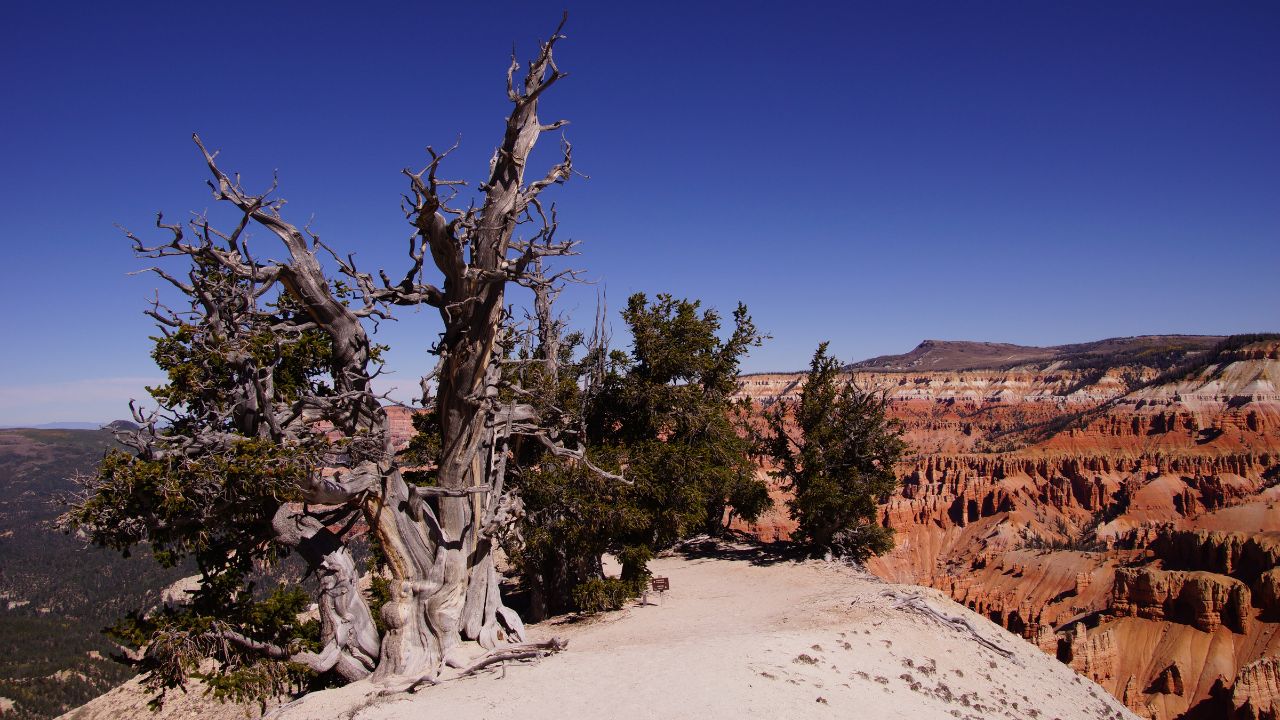
The Bristlecone Pine is one of the oldest living trees on Earth. These trees have been around for over 5,000 years! Their incredible age makes them a must-see for anyone fascinated by ancient nature. Imagine a tree that was already old when the pyramids of Egypt were built!
Bristlecone Pines have a distinctive look. They often have twisted, gnarled branches and a rugged, ancient appearance. Their bark is rough and rugged, adding to their unique charm. This striking appearance makes them stand out as one of the most interesting trees in the world.
These trees are experts at surviving tough conditions. They grow in high-altitude areas where other plants struggle. The harsh weather and rocky soil don’t stop the Bristlecone Pine from thriving. Their ability to endure and adapt makes them remarkable survivors in nature.
Bristlecone Pines are more than just old trees; they are like natural climate record keepers. Scientists study their tree rings to learn about past climate changes. Each ring tells a story about the weather and environmental conditions when the tree was growing, providing valuable information about Earth's history.
If you want to see these ancient wonders, visit the Ancient Bristlecone Pine Forest in California’s White Mountains. The forest offers trails that let you walk among these impressive trees and appreciate their timeless beauty. It’s a special place where you can connect with nature’s history and marvel at the oldest living trees on our planet.
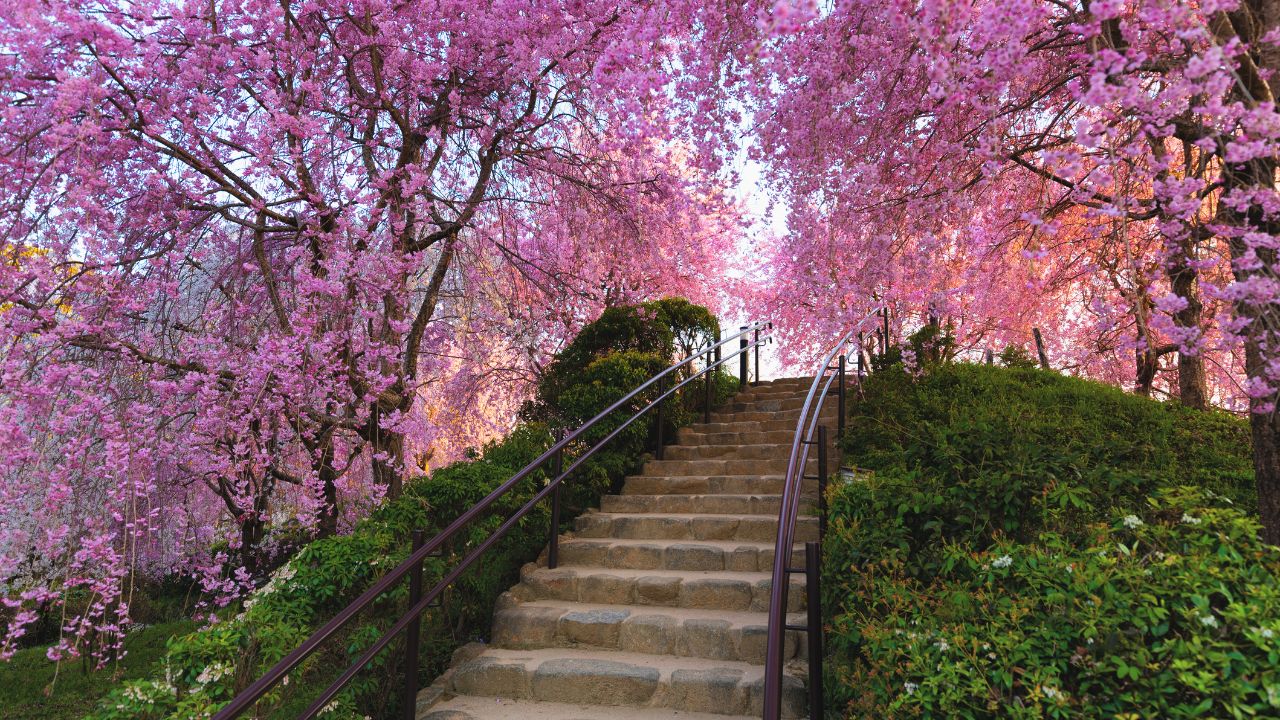
The Sakura tree, also known as the cherry blossom tree, is famous for its breathtaking pink flowers. Each spring, the Sakura bursts into a sea of delicate blossoms, turning parks and streets into magical scenes. The vibrant cherry blossoms make the Sakura one of Japan’s most enchanting trees.
In Japan, the Sakura is more than just a pretty tree. It symbolizes renewal and the fleeting nature of life. The short-lived cherry blossoms remind us to appreciate the beauty of each moment. This deep cultural meaning adds to the Sakura’s charm and makes it a cherished part of Japanese tradition.
Every year, Japan celebrates the arrival of the Sakura with colorful cherry blossom festivals, called Hanami. Families and friends gather under the blooming trees for picnics, music, and celebrations. The festivals highlight the Sakura’s beauty and offer a wonderful way to enjoy the vibrant springtime atmosphere.
To see the Sakura in full bloom, visit famous spots like Tokyo’s Ueno Park or Kyoto’s Maruyama Park. These places become a pink paradise during cherry blossom season, attracting visitors from around the world. The stunning views and festive atmosphere make these locations perfect for experiencing the magic of the Sakura.
The Sakura is deeply woven into Japanese culture, appearing in art, literature, and even everyday life. During the cherry blossom season, you might see Sakura-themed decorations, souvenirs, and food. The tree’s influence on Japanese culture adds a special touch to its already impressive beauty.
Learning about the Sakura provides a great opportunity to explore Japanese culture and the natural world. Kids and adults alike can enjoy discovering how the Sakura blooms, its significance, and how it influences Japanese traditions. The Sakura tree offers an engaging way to connect with nature and culture.
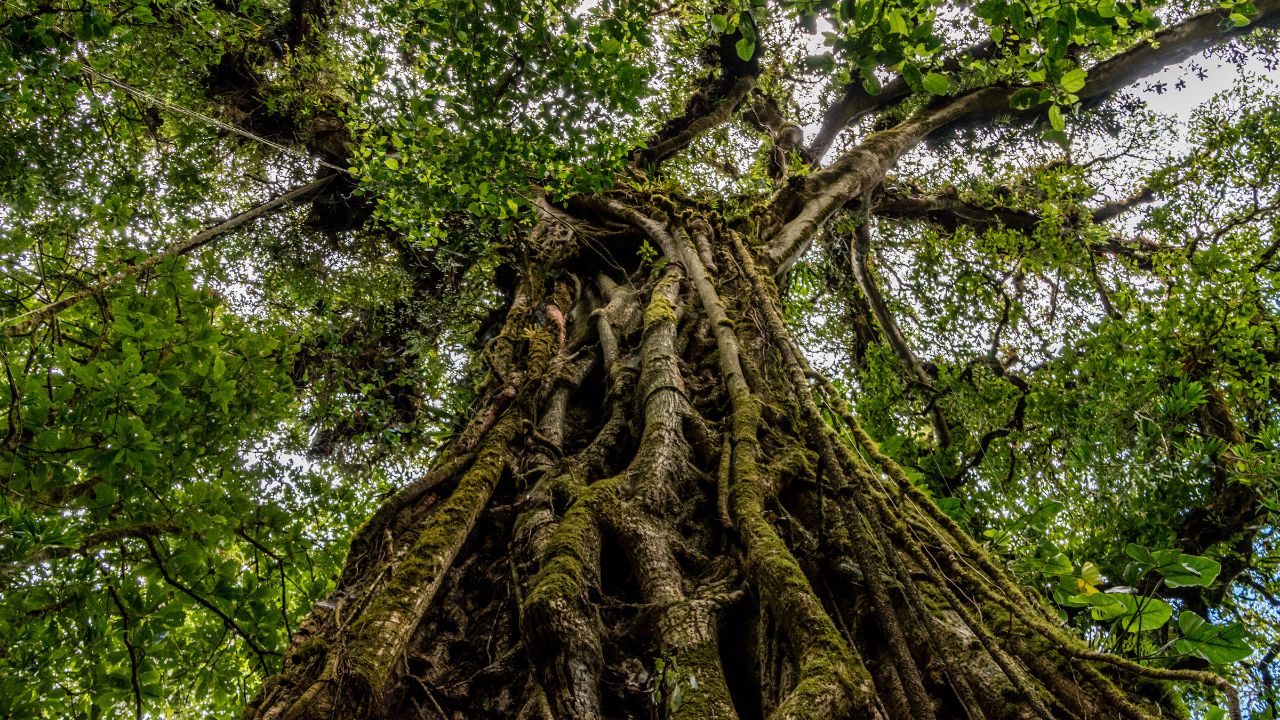
The Strangler Fig starts its life in a very special way. A tiny seed lands on another tree’s branches. Over time, this seed grows and sends down roots, slowly wrapping around the host tree. This fascinating process makes the Strangler Fig one of nature's most intriguing survivors.
As the Strangler Fig grows, it uses its roots to wrap tightly around its host tree. It might seem like it’s strangling the host tree, but it’s actually just using it as support. This incredible growth pattern helps the Strangler Fig reach the sunlight it needs to thrive.
The Strangler Fig can grow in many different environments, from dense tropical rainforests to urban parks. Its adaptability makes it a true survivor in the plant world. You might find these trees in various places, showing how they can adjust and flourish in different conditions.
The Strangler Fig is not just interesting to look at; it also plays a crucial role in its ecosystem. Many animals, like birds and insects, find shelter and food in its branches and dense foliage. This makes the Strangler Fig an important part of its habitat, helping to support a wide range of wildlife.
With its twisting, tangled roots and lush green leaves, the Strangler Fig creates a dramatic and eye-catching appearance. Seeing one in a rainforest or park can be a truly memorable experience. Its unique look and growth pattern make it a standout example of nature’s creativity.
Discover the world's most awe-inspiring trees that showcase the beauty and strength of nature. From the towering Giant Sequoias in California to the ancient Baobab Trees of Africa, these majestic giants capture our imagination with their incredible size and unique features. The Bristlecone Pines, some of the oldest living trees, offer a glimpse into Earth's history with their ancient age and rugged appearance. In Japan, the stunning Sakura Trees delight visitors with their beautiful cherry blossoms and symbolize renewal. Finally, the Strangler Fig stands out with its fascinating growth process, adapting to various environments and supporting a wide range of wildlife. Each of these remarkable trees offers a special view into nature's wonders, making them must-see destinations for nature lovers.
This article is brought to you by the DXB News Network. We strive to provide accurate and engaging content to enhance your knowledge and appreciation of the world's most amazing trees. However, the descriptions and information presented are for general interest and educational purposes. For more detailed insights and firsthand experiences, we encourage readers to visit these incredible trees and explore their unique stories in person.
Answer: Giant Sequoias are among the tallest trees on Earth, reaching heights over 300 feet. They are incredibly old, with some living for more than 3,000 years. Their massive size, thick bark, and ability to survive fires make them nature’s colossal wonders. Visiting them offers a chance to witness these ancient giants up close.
Answer: The Baobab tree is called the "Tree of Life" because it provides vital resources in dry climates. Its enormous trunk stores water, and it produces fruit rich in vitamin C, which is crucial for local wildlife and humans. The Baobab also serves as a shelter and source of food in African cultures, making it an essential part of its ecosystem.
Answer: Bristlecone Pines are among the oldest living trees on Earth, with some estimated to be over 5,000 years old. Their incredible longevity allows them to serve as natural record keepers, providing valuable information about past climate changes through their tree rings.
Answer: Sakura trees, or cherry blossom trees, are famous for their stunning pink flowers that bloom every spring. They symbolize renewal and the fleeting nature of life in Japanese culture. The annual cherry blossom festivals, known as Hanami, celebrate their beauty and attract visitors worldwide.
Answer: The Strangler Fig starts as a seed in the branches of another tree, eventually growing roots that wrap around and envelop the host tree. This unique growth pattern allows it to reach sunlight and thrive. Its dramatic appearance and role in supporting wildlife make it a fascinating example of nature’s ingenuity.
Awe-Inspiring Trees, World’s Most Amazing Trees, Incredible Trees Around the World, Famous Trees Globally, Unique Trees to See, Top Trees in Nature, Breathtaking Trees Worldwide, Remarkable Trees, Iconic Trees of the World, Natural Wonders Trees, World’s Tallest Trees, Ancient Trees to Visit, Striking Trees Globally, Most Beautiful Trees, Must-See Trees Around the World, Notable Trees of Nature, Outstanding Tree Species, Tree Legends and Facts, Spectacular Trees of the World, Nature’s Tree Marvels

Qatar, Italy Leaders Discuss Regional Stability & Energy Ties
Qatar’s Emir and Italy’s Prime Minister discuss regional stability, energy security, and economic co

Danube Launches Signature Master-Planned Community
Danube Properties unveils Greenz By Danube in Dubai, offering luxury villas, townhouses, 50+ ameniti

Neoterra breaks ground on ELMORA, unveils new project
Neoterra begins ELMORA construction in Jumeirah Garden City and announces a new residential project

WINGIE Launches AI Refund System for Airline Travelers
WINGIE introduces AI-driven refund technology, enabling seamless, fully digital airline refund proce

Dubai property sales surge to AED176.7B in Q1 2026
Dubai records AED176.7B property sales in Q1 2026, with rising values, steady transaction growth and

Russia Strikes Northeast Ukraine, 4 Killed, 11 Injured
Russian drone and missile attacks on northeast Ukraine killed 4 and injured 11, with major strikes r

Selena Gomez Leads Candy Pink Trend in 2026 Fashion
Selena Gomez embraces candy pink fashion at a Rare Beauty event, highlighting 2026’s biggest color t


UAE Art Show in Seoul Challenges Stereotypes
Exhibition in Seoul highlights diverse UAE art, moving beyond luxury stereotypes to explore identity

Starbucks Strikes Major Partnership for China Growth
Starbucks teams with Boyu Capital, selling a majority stake in China unit to ramp up store growth an

Couple Among Three Charged in Massive Meth Trafficking Case in Malaysia
Three charged in Malaysia for trafficking 510kg of meth; if convicted, they could face severe penalt

Murder Suspect Returns to Geylang Crime Scene for Investigation
Singapore police revisit Geylang as a 48-year-old suspect faces charges in the fatal stabbing of a 7

NASA Launches Artemis II Crew for 10-Day Lunar Mission
NASA launches Artemis II with four astronauts for a 10-day Moon mission, marking the first crewed lu

Dubai RTA, Ministry Partner for Family First Programme
Dubai RTA and Ministry of Family partner to enhance transport, urban spaces, and services under Fami

Bank of Baroda Faces Abu Dhabi Legal Battle over NMC Collapse
Bank of Baroda’s involvement in Abu Dhabi litigation tied to the NMC Healthcare collapse raises repu

Top Museum Openings of 2026 Set to Transform Global Tourism
From Los Angeles to Abu Dhabi and Brussels, 2026 brings major museum launches—Lucas Museum, Guggenhe