Post by : Zayd Kamal
The History of Dubai and How the City Changed Over Time into a Global Icon
When you think of Dubai today, images of futuristic skyscrapers, luxury shopping, and bustling business centers likely come to mind. But the story behind this dazzling city goes far deeper than its modern skyline. The history of Dubai and how the city changed over time is a fascinating tale of resilience, vision, and transformation.
From humble beginnings as a fishing village to becoming a global economic powerhouse, Dubai’s evolution is one of the most compelling success stories of the modern era. Let’s take a closer look at the key moments that shaped the city’s rise.
Life Before the Skyscrapers
Long before the towering Burj Khalifa or the man-made islands came into existence, Dubai was a small, quiet settlement along the Arabian Gulf. The earliest records trace the roots of the city back to the early 18th century. At that time, the population mostly engaged in fishing, pearl diving, and small-scale trade.
With its natural harbor and proximity to India and Africa, Dubai became an essential port for regional trade. Even in those early days, its openness to commerce set the stage for the history of Dubai and how the city changed over time.
Strategic Location and Trade Growth
By the 19th century, Dubai was gaining prominence as a regional trading hub. The ruling Al Maktoum family, who still lead the emirate today, established a firm governance system in 1833. They offered favorable conditions for merchants—no taxes on imports or exports and a pro-business attitude.
These strategies attracted traders from across the region, especially from Iran and India, contributing to population growth and prosperity. This early focus on trade was a crucial step in the history of Dubai and how the city changed over time.
The Pearl Industry Boom and Bust
One of Dubai’s major economic lifelines during the late 19th and early 20th centuries was the pearl industry. The city's divers would spend months at sea harvesting pearls, which were then exported across the world. For a time, pearls were the main source of income for many local families.
However, the boom was short-lived. In the 1930s, Japan introduced cultured pearls to the market, leading to a collapse of the natural pearl industry. Dubai faced economic hardship, but the crisis pushed its leaders to rethink their future—yet another turning point in the history of Dubai and how the city changed over time.
The Discovery of Oil
Dubai’s real transformation began with the discovery of oil in 1966. Although its reserves were smaller than neighboring Abu Dhabi’s, the oil revenue gave Dubai a financial head start. Sheikh Rashid bin Saeed Al Maktoum, then the ruler, used this wealth not just to build the city but to diversify its economy.
He invested in infrastructure, including roads, schools, ports, and Dubai International Airport, which later became one of the world’s busiest hubs. Sheikh Rashid’s leadership played a vital role in shaping the history of Dubai and how the city changed over time.
Building a Global Vision
The 1980s and 1990s marked an era of rapid development. Dubai launched ambitious projects to attract foreign investment and global attention. The Jebel Ali Free Zone was introduced in 1985, allowing companies to operate tax-free. This made Dubai highly attractive for international businesses.
Tourism began to grow, and landmarks such as the Burj Al Arab were constructed to build a luxury brand image. The city also started hosting world-class events and exhibitions. This was a key stage in the history of Dubai and how the city changed over time, transitioning from regional trade to global commerce and tourism.
Skyline of the Future
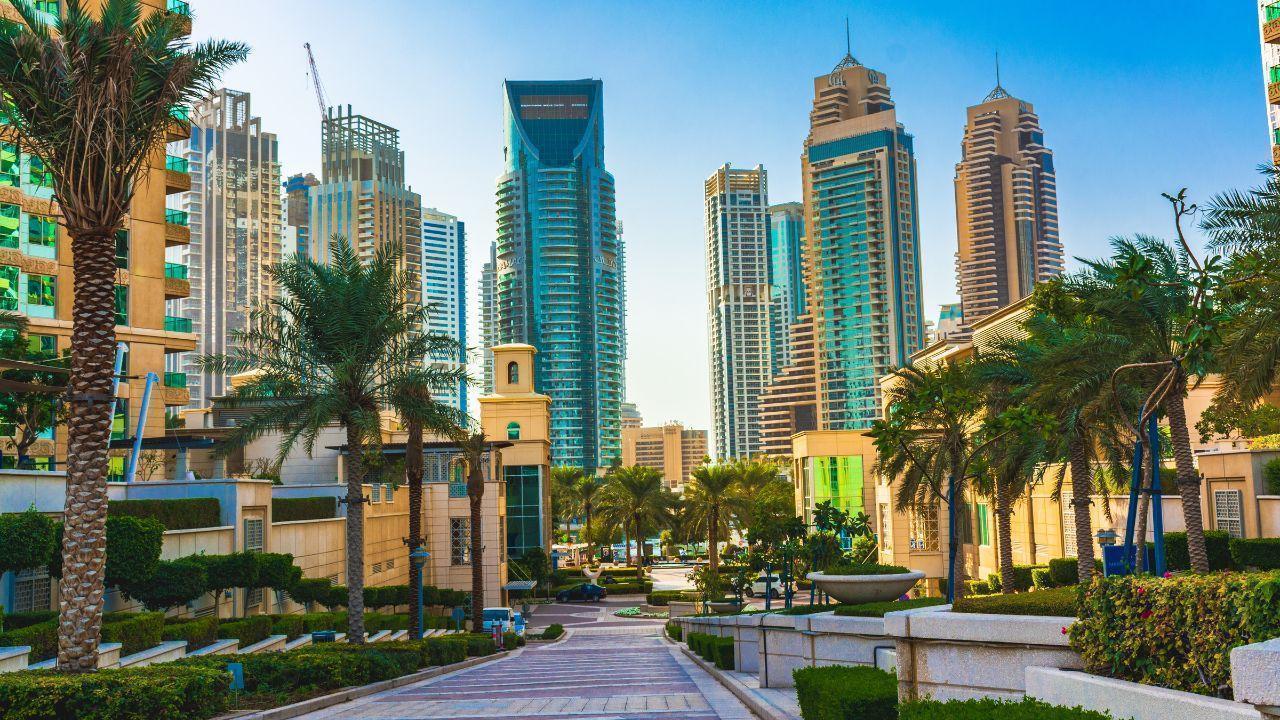
Fast forward to the 2000s, and Dubai became a symbol of modern luxury and innovation. Projects like the Palm Jumeirah, Dubai Marina, and Downtown Dubai changed the face of the city. In 2010, the Burj Khalifa was officially opened, standing as the tallest building on Earth.
Beyond architecture, Dubai invested in technology and sustainability, launching initiatives like Smart Dubai and Dubai Internet City. Expo 2020 (held in 2021 due to the pandemic) showcased the city's innovation and resilience on a global stage.
All these achievements are essential parts of the history of Dubai and how the city changed over time—from a desert village to a city of the future.
Cultural Heritage and Global Diversity
Despite its futuristic image, Dubai has managed to retain its cultural roots. Traditional souks, museums, and heritage sites offer glimpses into its past. The city also embraces diversity, with over 200 nationalities living and working here peacefully.
Arabic remains the official language, but English is widely spoken. Mosques stand beside modern art galleries, and Emirati traditions are celebrated even in a fast-paced urban life. This balance is a beautiful reflection of the history of Dubai and how the city changed over time—honoring the past while embracing the future.
Challenges and Resilience
Dubai’s journey hasn’t been without challenges. The global financial crisis of 2008 hit hard, causing several real estate projects to stall. Yet, with support from Abu Dhabi and smart planning, Dubai recovered quickly.
Similarly, during the COVID-19 pandemic, the city’s rapid response and efficient healthcare measures allowed it to reopen ahead of most global cities. These moments show the resilience and adaptability that define the history of Dubai and how the city changed over time.
Disclaimer:
This article is published by dxb news network for informational and educational purposes only. While we strive for accuracy and reliability in the information provided, we do not guarantee its completeness or timeliness. Readers are encouraged to conduct their own research and consult with relevant experts when needed. dxb news network is not liable for any decisions made based on the content of this article.
UiTM Unveils 2026 Degree Admission Appeal Outcomes
UiTM reveals appeal outcomes for 2025/2026 Bachelor's programs; students can access offer letters on
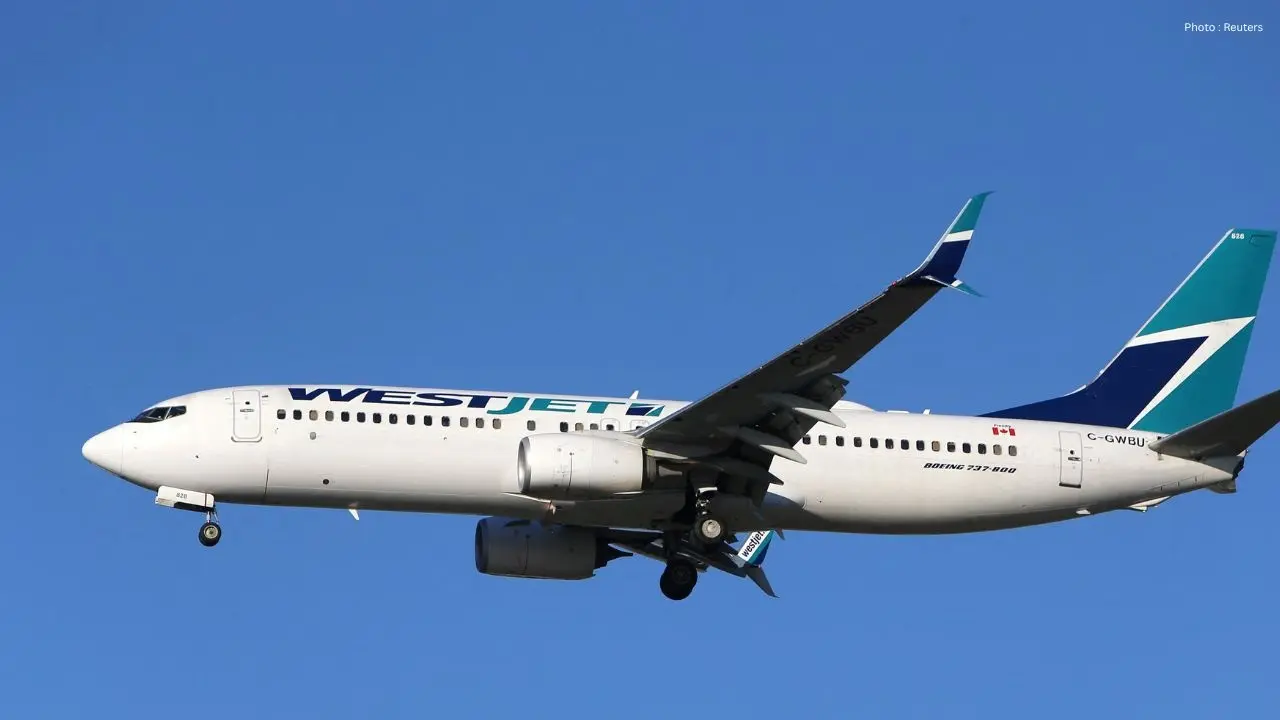
WestJet Implements Temporary Fuel Surcharge on Companion Bookings
WestJet announces a $60 surcharge on companion bookings amid rising fuel prices impacting travel cos
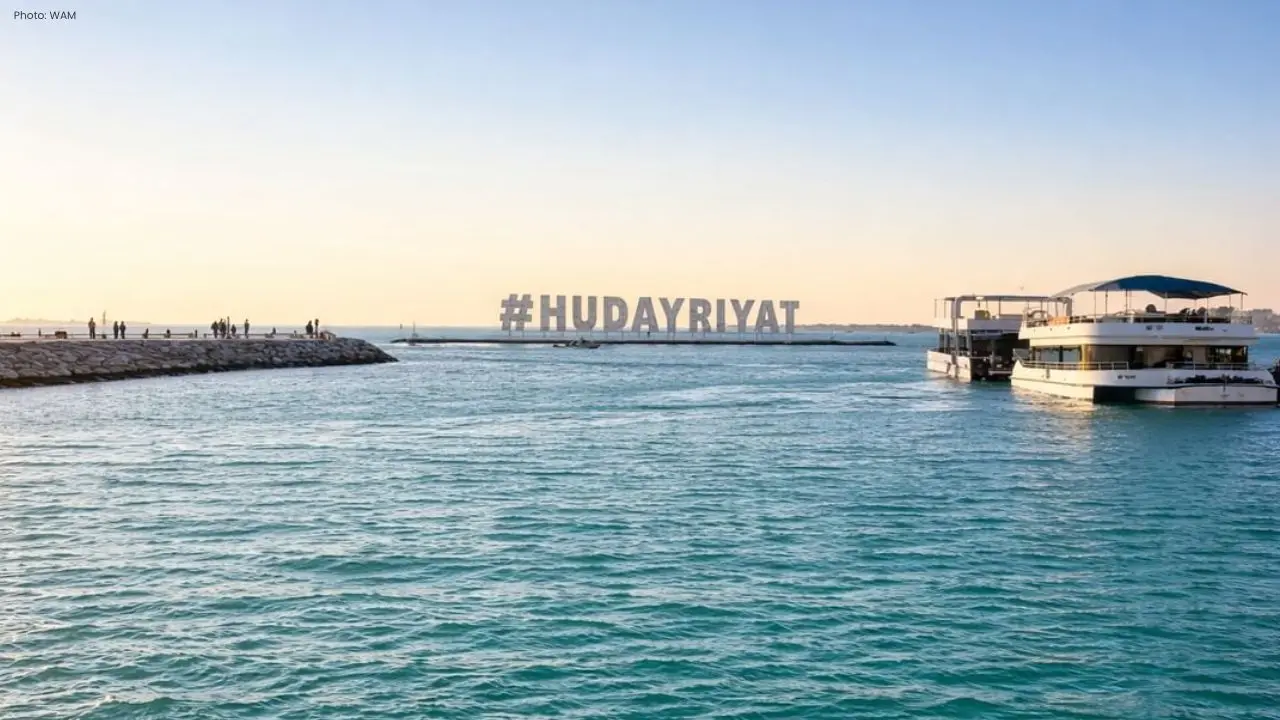
Al Hudayriyat Island Becomes Key Abu Dhabi Landmark
Al Hudayriyat Island is transforming Abu Dhabi with luxury living, sports, and tourism projects, boo
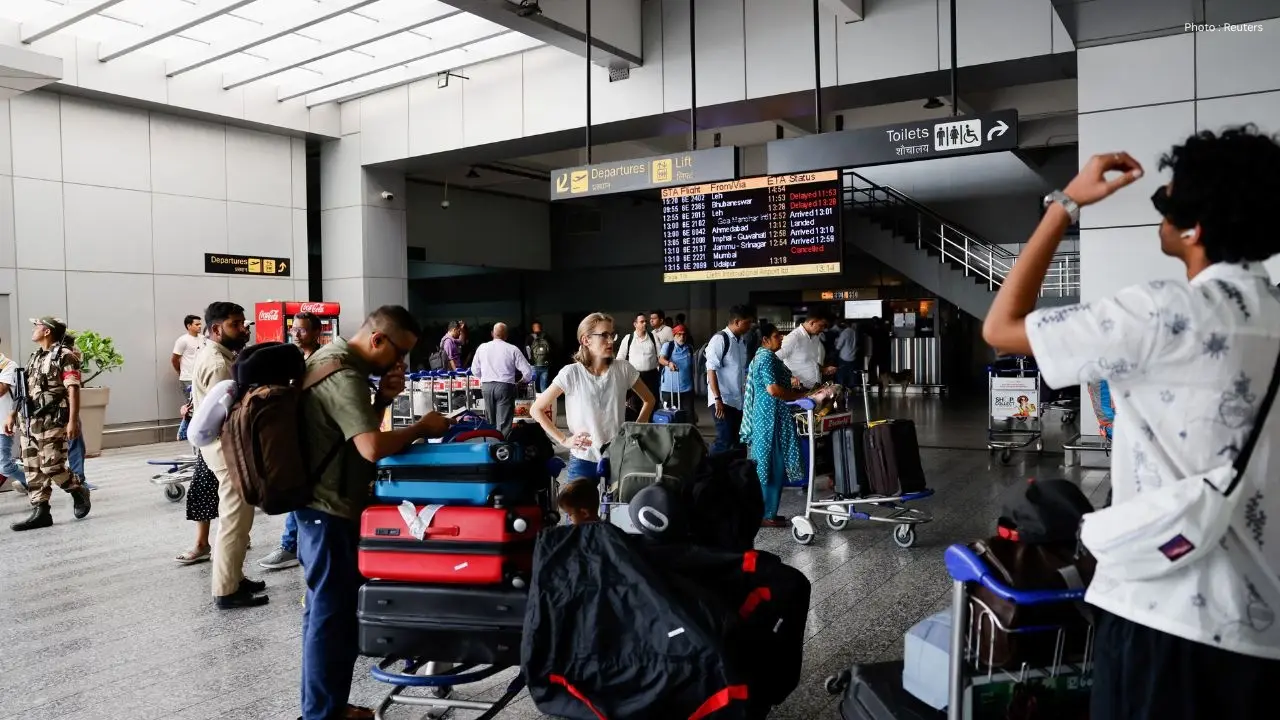
Travel Advisors Recommend Insurance as Conflicts Drive Prices Up
With escalating tensions affecting air travel, experts urge passengers to insure their bookings to s

Russia Drone Strike Hits Odesa, Three Killed Overnight
Russian drones struck Ukraine’s Odesa overnight, killing three, injuring ten, and damaging homes, in
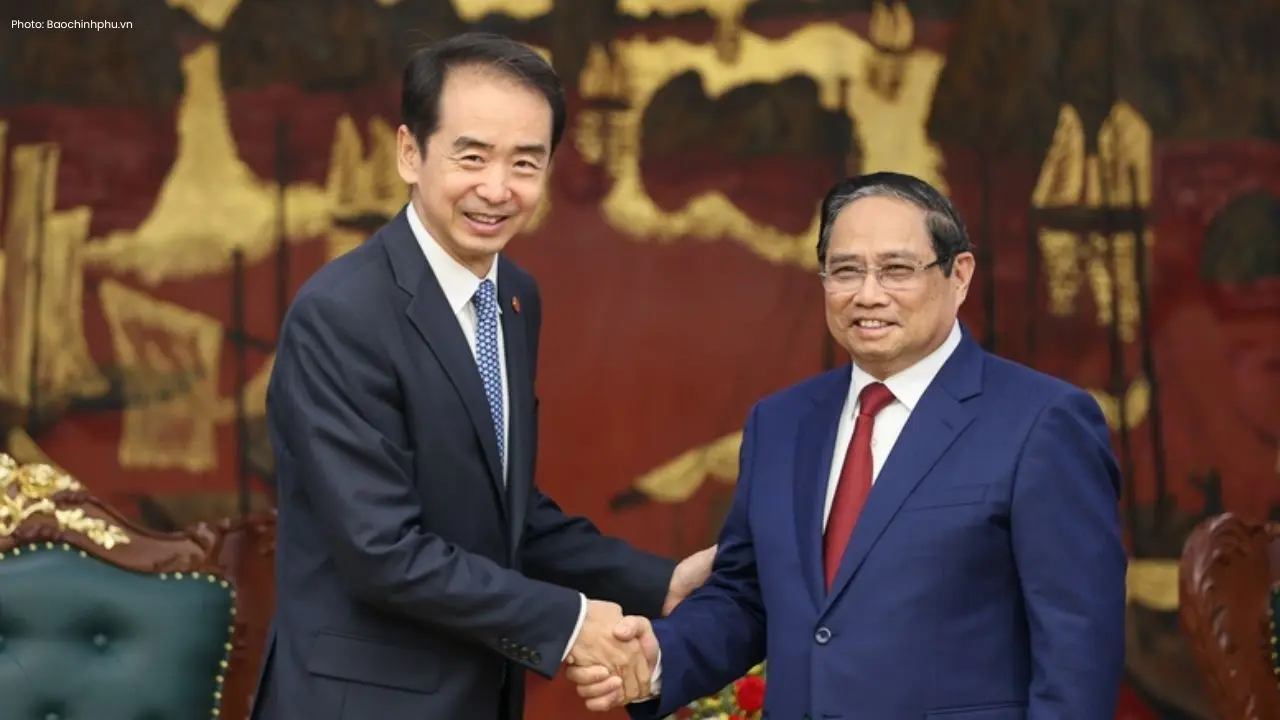
Vietnam's Prime Minister Engages with Chinese Envoy in Hanoi
PM Chinh and China's Ambassador He Wei discuss enhancing Vietnam-China trade and strategic ties in H
Abu Dhabi Sees Record 26.6M Visitors in 2025 Growth
Abu Dhabi records 26.6M visitors in 2025, driven by culture, events, and tourism growth, boosting ho

UAE Art Show in Seoul Challenges Stereotypes
Exhibition in Seoul highlights diverse UAE art, moving beyond luxury stereotypes to explore identity

Starbucks Strikes Major Partnership for China Growth
Starbucks teams with Boyu Capital, selling a majority stake in China unit to ramp up store growth an

Couple Among Three Charged in Massive Meth Trafficking Case in Malaysia
Three charged in Malaysia for trafficking 510kg of meth; if convicted, they could face severe penalt
Murder Suspect Returns to Geylang Crime Scene for Investigation
Singapore police revisit Geylang as a 48-year-old suspect faces charges in the fatal stabbing of a 7
NASA Launches Artemis II Crew for 10-Day Lunar Mission
NASA launches Artemis II with four astronauts for a 10-day Moon mission, marking the first crewed lu

Dubai RTA, Ministry Partner for Family First Programme
Dubai RTA and Ministry of Family partner to enhance transport, urban spaces, and services under Fami

Bank of Baroda Faces Abu Dhabi Legal Battle over NMC Collapse
Bank of Baroda’s involvement in Abu Dhabi litigation tied to the NMC Healthcare collapse raises repu
Top Museum Openings of 2026 Set to Transform Global Tourism
From Los Angeles to Abu Dhabi and Brussels, 2026 brings major museum launches—Lucas Museum, Guggenhe