Post by : Sam Jeet Rahman
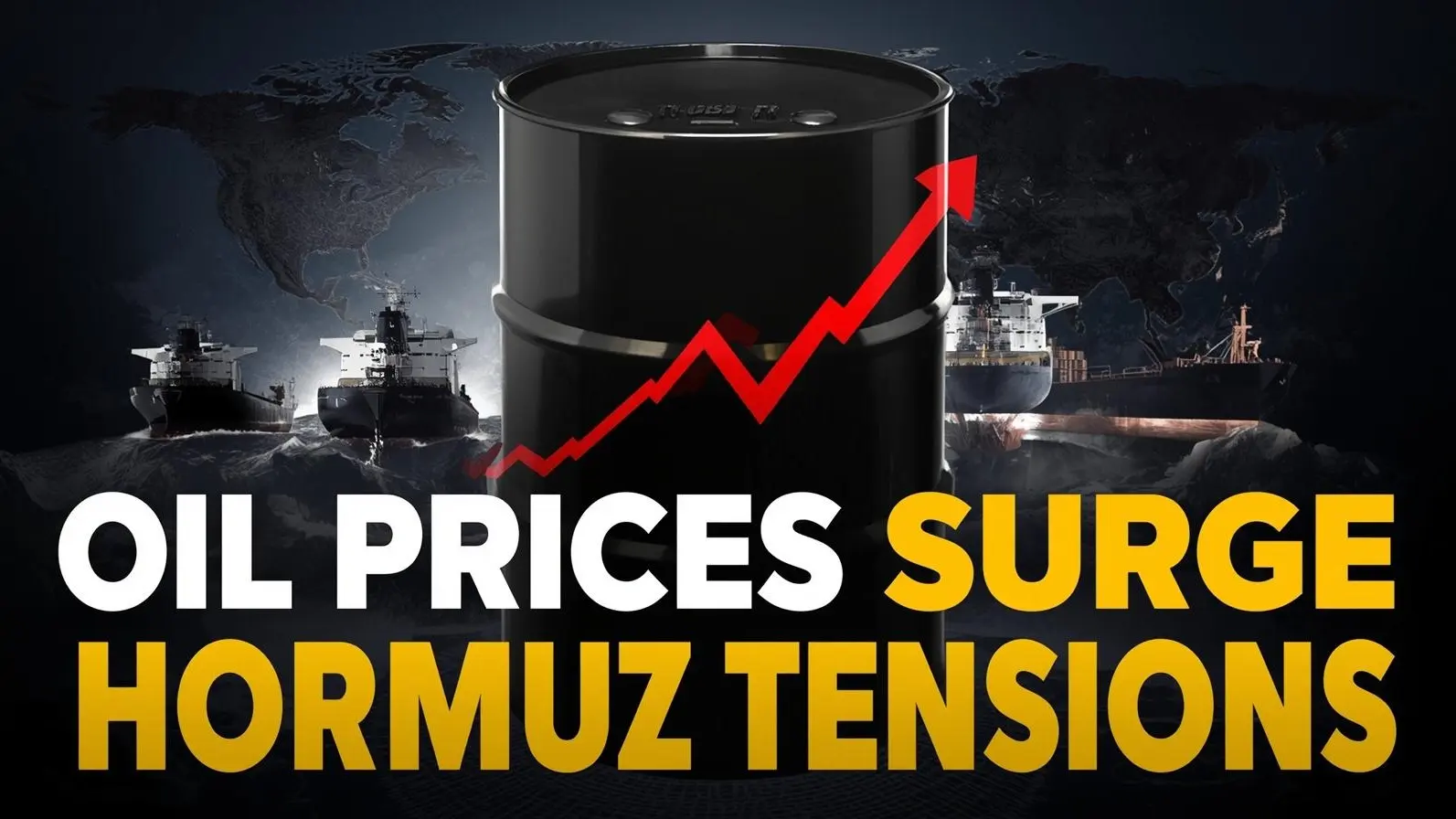
Global oil markets have entered a fresh phase of volatility as tensions intensify around the strategically critical Strait of Hormuz. Prices have surged sharply, with Brent crude nearing $111, signaling renewed fears of supply disruption and geopolitical escalation. The latest trigger comes from strong statements and a renewed ultimatum issued by Donald Trump, which has added uncertainty to an already fragile global energy environment.
The Strait of Hormuz is not just another maritime route—it is one of the most vital oil transit chokepoints in the world. A significant portion of global crude oil supply passes through this narrow waterway connecting the Persian Gulf to international markets. Any threat to its stability immediately sends shockwaves across energy markets, shipping industries, and global economies.
What is unfolding now is not just a temporary price spike, but a reflection of deeper geopolitical tensions that are once again putting global oil supply chains at risk.
To understand the seriousness of the situation, it’s important to grasp the strategic importance of the Strait of Hormuz. Nearly one-fifth of the world’s oil supply passes through this narrow passage every day. Major oil-producing countries in the Gulf region rely heavily on this route to export crude to global markets.
Even a slight disruption—whether real or perceived—can lead to immediate reactions:
The current situation has revived concerns that any escalation in the region could lead to partial or full disruption of this critical route.
The recent remarks and ultimatum issued by Donald Trump have significantly influenced market psychology. Even without immediate physical disruption, strong political messaging can alter expectations.
Markets react not only to events but also to perceived risks. In this case:
This has created a ripple effect where oil prices climb not just due to current shortages, but due to fear of future disruption.
Brent crude approaching $111 is a significant milestone because it reflects both supply concerns and broader economic implications.
At this price level:
For many countries, especially import-dependent economies, rising oil prices directly impact economic stability. Higher fuel prices often translate into increased costs for goods and services, affecting everyday consumers.
The rise in oil prices does not stay confined to energy markets. It spreads across multiple sectors, creating a chain reaction.
Transportation Sector:
Airlines, shipping companies, and logistics providers face immediate cost increases, leading to higher ticket prices and freight charges.
Manufacturing Industry:
Industries dependent on fuel see rising operational costs, which are often passed on to consumers.
Consumer Impact:
From petrol prices to grocery bills, the effect reaches households, contributing to rising inflation and higher cost of living.
Stock Markets:
Investor sentiment becomes cautious, leading to increased market volatility.
The current situation highlights how deeply interconnected geopolitics and energy markets are. The Middle East has long been a sensitive region for global oil supply, and any escalation quickly impacts international markets.
In recent developments:
Even without direct conflict, the possibility of escalation is enough to influence oil pricing trends and global trade dynamics.
Beyond oil prices, the situation is also affecting global shipping routes. The Strait of Hormuz is not only crucial for oil but also for broader maritime trade.
Risks include:
These factors contribute to rising costs across global supply chains, adding further pressure to already strained systems.
The future trajectory of oil prices will depend largely on how the situation evolves.
Possible scenarios include:
Markets are currently in a wait-and-watch mode, reacting to every update related to the situation.
While this may seem like a high-level geopolitical issue, its impact is very real for individuals.
You may notice:
Energy is a foundational part of modern economies, and any disruption affects daily life in multiple ways.
This situation also highlights the importance of energy diversification. Countries around the world are increasingly focusing on:
Events like these serve as reminders of how vulnerable global systems can be to geopolitical risks.
The surge in oil prices following the latest developments involving Donald Trump and tensions around the Strait of Hormuz is not just a short-term market reaction—it reflects deeper uncertainties in global energy and politics.
As Brent crude approaches $111, the world is once again reminded of how quickly geopolitical developments can reshape economic realities. The coming days will be crucial in determining whether this remains a temporary spike or turns into a prolonged period of high energy costs.
This article is for informational purposes only and reflects current global developments and market trends. Economic and geopolitical situations may change rapidly.
UiTM Unveils 2026 Degree Admission Appeal Outcomes
UiTM reveals appeal outcomes for 2025/2026 Bachelor's programs; students can access offer letters on
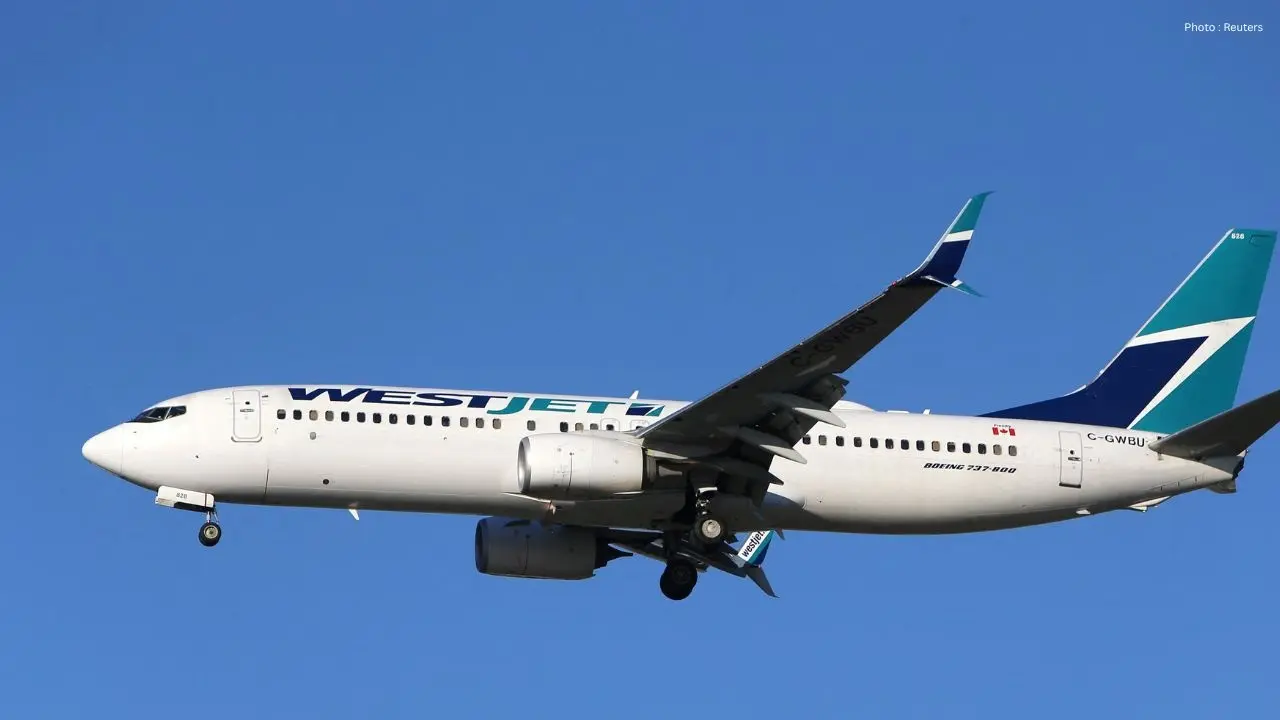
WestJet Implements Temporary Fuel Surcharge on Companion Bookings
WestJet announces a $60 surcharge on companion bookings amid rising fuel prices impacting travel cos
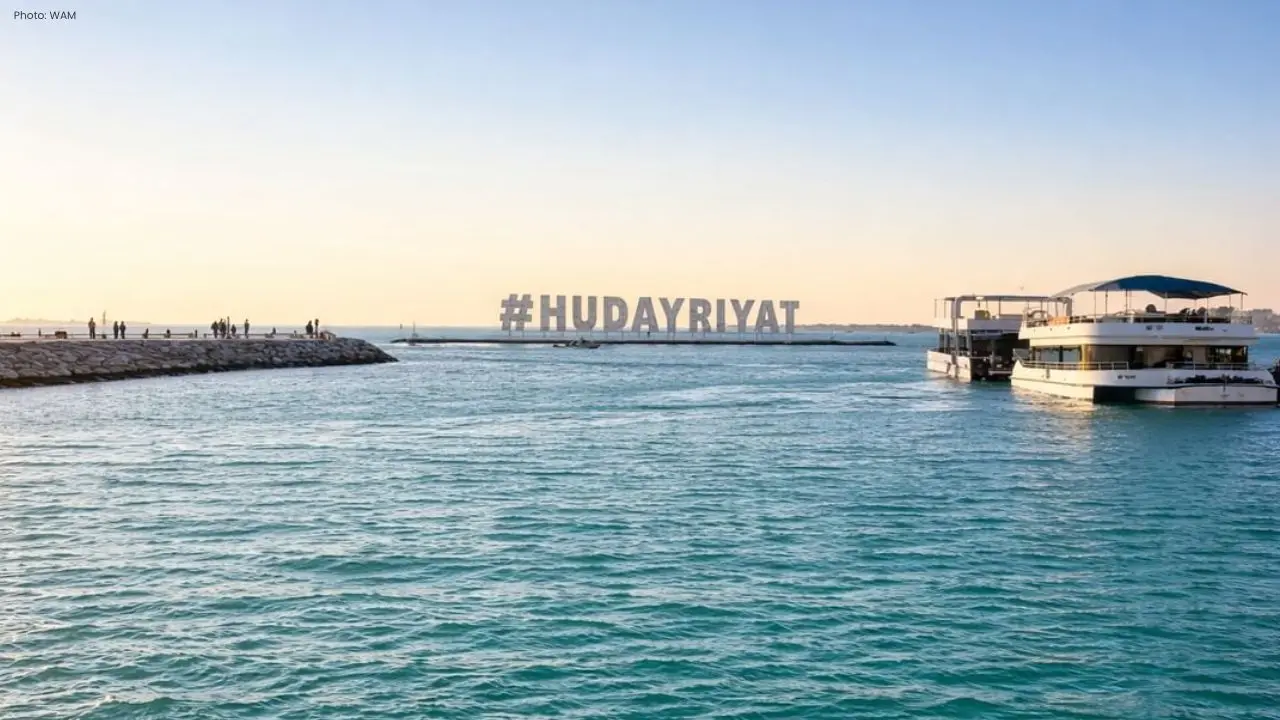
Al Hudayriyat Island Becomes Key Abu Dhabi Landmark
Al Hudayriyat Island is transforming Abu Dhabi with luxury living, sports, and tourism projects, boo
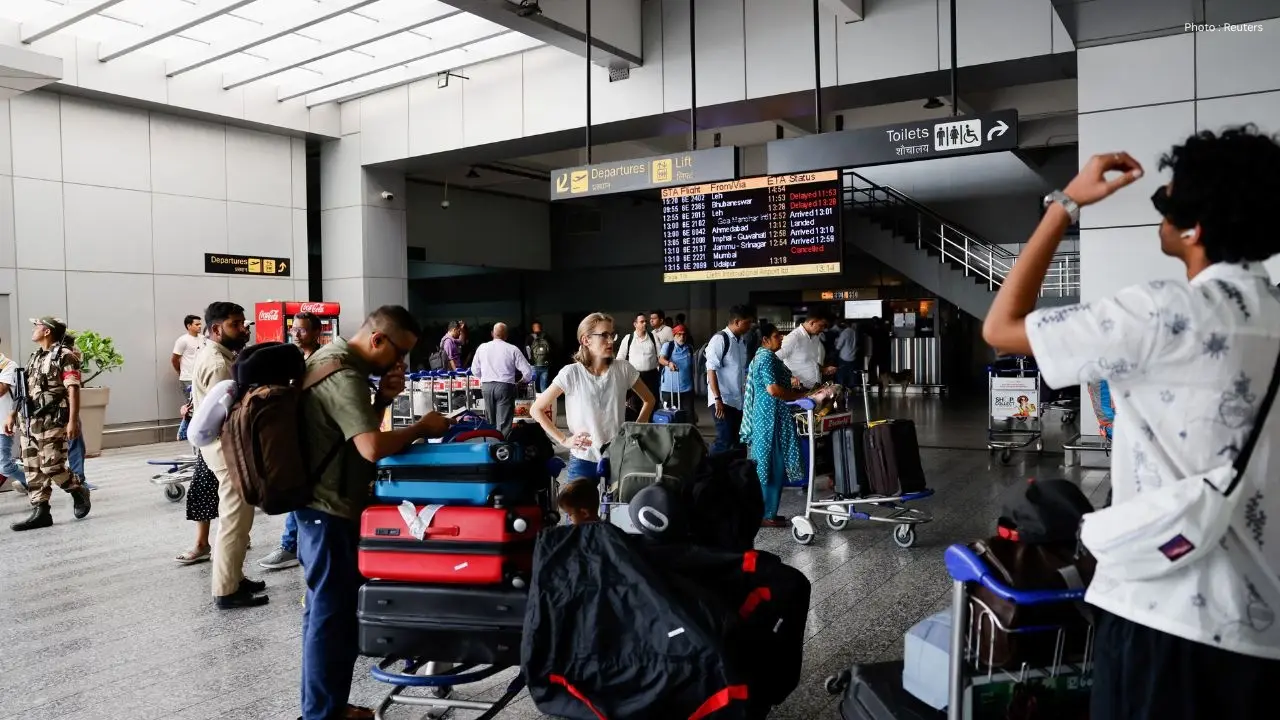
Travel Advisors Recommend Insurance as Conflicts Drive Prices Up
With escalating tensions affecting air travel, experts urge passengers to insure their bookings to s

Russia Drone Strike Hits Odesa, Three Killed Overnight
Russian drones struck Ukraine’s Odesa overnight, killing three, injuring ten, and damaging homes, in
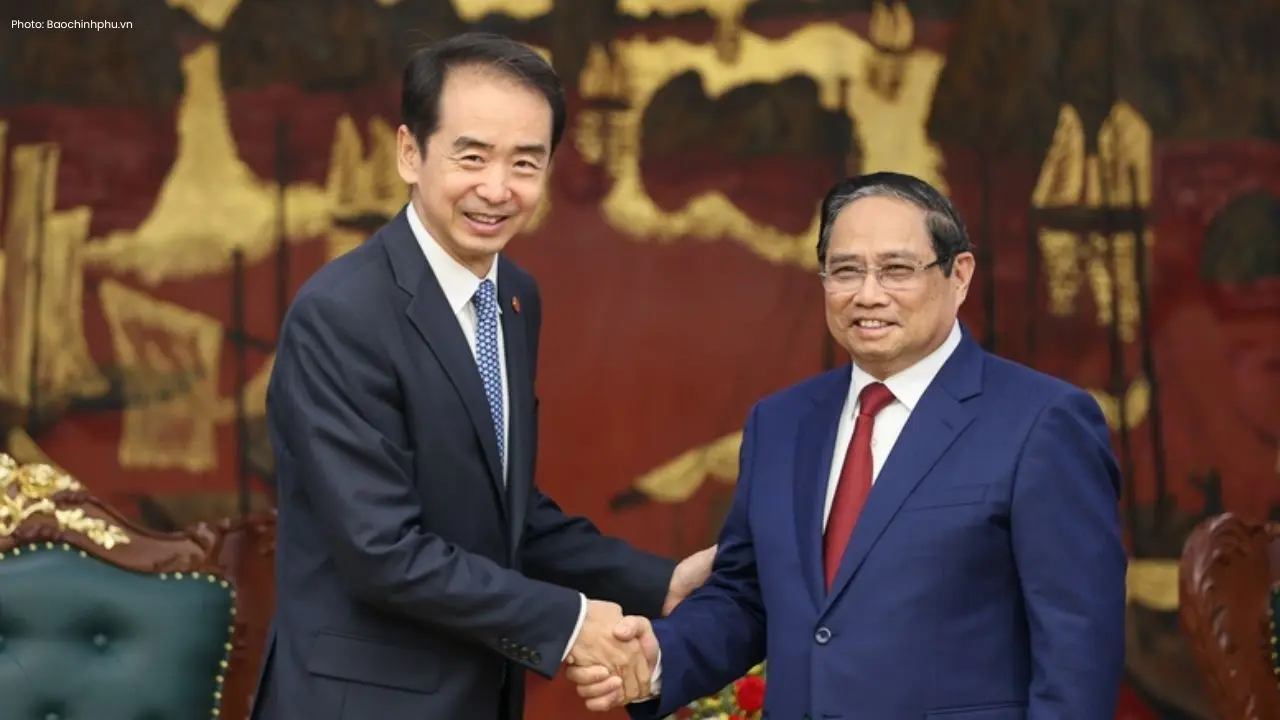
Vietnam's Prime Minister Engages with Chinese Envoy in Hanoi
PM Chinh and China's Ambassador He Wei discuss enhancing Vietnam-China trade and strategic ties in H
Abu Dhabi Sees Record 26.6M Visitors in 2025 Growth
Abu Dhabi records 26.6M visitors in 2025, driven by culture, events, and tourism growth, boosting ho


UAE Art Show in Seoul Challenges Stereotypes
Exhibition in Seoul highlights diverse UAE art, moving beyond luxury stereotypes to explore identity

Starbucks Strikes Major Partnership for China Growth
Starbucks teams with Boyu Capital, selling a majority stake in China unit to ramp up store growth an

Couple Among Three Charged in Massive Meth Trafficking Case in Malaysia
Three charged in Malaysia for trafficking 510kg of meth; if convicted, they could face severe penalt
Murder Suspect Returns to Geylang Crime Scene for Investigation
Singapore police revisit Geylang as a 48-year-old suspect faces charges in the fatal stabbing of a 7
NASA Launches Artemis II Crew for 10-Day Lunar Mission
NASA launches Artemis II with four astronauts for a 10-day Moon mission, marking the first crewed lu
Dubai RTA, Ministry Partner for Family First Programme
Dubai RTA and Ministry of Family partner to enhance transport, urban spaces, and services under Fami

Bank of Baroda Faces Abu Dhabi Legal Battle over NMC Collapse
Bank of Baroda’s involvement in Abu Dhabi litigation tied to the NMC Healthcare collapse raises repu

Top Museum Openings of 2026 Set to Transform Global Tourism
From Los Angeles to Abu Dhabi and Brussels, 2026 brings major museum launches—Lucas Museum, Guggenhe