Post by : Michael Darzi
Dubai: Fashion is fast-moving. Every week, new trends appear, and it’s easy to buy clothes without thinking about their long-term effects. But now, a new movement called sustainable fashion is changing how people shop and dress. Sustainable fashion is not just about looking stylish—it’s about making smart choices that protect the planet, support fair working conditions, and allow you to enjoy fashion responsibly.
The problem with fast fashion—cheap, mass-produced clothing—is that it encourages overconsumption. People buy clothes quickly and discard them just as fast. This creates mountains of textile waste, pollutes water sources with dyes and chemicals, and contributes heavily to greenhouse gas emissions. Experts estimate that the fashion industry is one of the largest polluters worldwide. Conscious consumers are now realizing that quality matters more than quantity. By buying fewer, better-made pieces, they are reducing waste, saving money in the long run, and still keeping their style fresh.
Sustainable fashion is more than just eco-friendly fabrics. It focuses on the entire journey of clothing—from raw material sourcing to production, shipping, and end-of-life disposal. Each step can affect the environment and the people involved.
Key elements of sustainable fashion include:
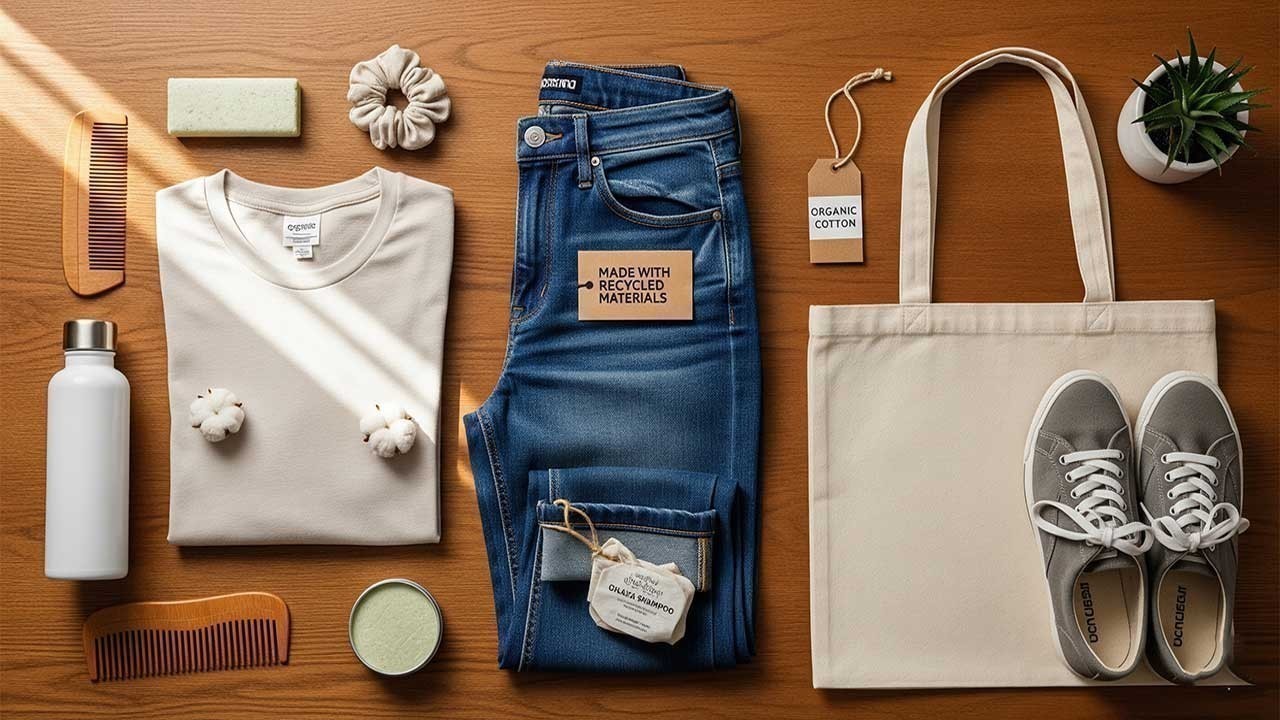
Eco-Friendly Materials: Fabrics like organic cotton, bamboo, hemp, recycled polyester, and Tencel reduce water usage and avoid harmful chemicals. These materials are better for the environment and often feel soft and comfortable.
Ethical Production: Workers deserve fair wages, safe working conditions, and transparency in how products are made. Brands that follow these principles create clothing that is socially responsible.
Waste Reduction: Some fashion brands are now turning leftover fabrics or old clothing into new designs. For example, a torn denim jacket can become a stylish tote bag, and leftover cotton can be repurposed into trendy scarves. This proves that style and sustainability can go hand in hand.
Energy Efficiency: Sustainable brands often use renewable energy in production, reducing carbon footprints and lowering pollution.
Supporting these kinds of brands allows consumers to wear clothes that are both fashionable and responsible.
Every clothing choice you make reflects your values. Sustainable fashion doesn’t require giving up style—it requires thinking about the impact of your purchases. Here are some practical ways to make a difference:
Buy Fewer, Higher-Quality Items: Instead of buying many cheap items, invest in pieces that last longer. Durable clothing saves money over time and reduces environmental waste.
Support Local Designers and Small Brands: Buying locally reduces transportation emissions, supports fair labor, and encourages unique, creative designs.
Shop Second-Hand: Thrift stores, online resale platforms, and clothing swaps give clothes a second life. This keeps garments out of landfills and reduces the demand for new production.
Upcycle and Repurpose Old Clothing: Old jeans can become bags, worn-out shirts can be redesigned into crop tops, and old dresses can be transformed into stylish skirts. This reduces waste while keeping your wardrobe fresh.
Choose Timeless Styles: Instead of following short-lived trends, choose classic clothing items that can be worn for many years. Timeless pieces reduce the need for constant shopping.
Even small decisions matter. Over time, a wardrobe built on conscious choices can significantly reduce environmental harm while reflecting personal style and values.
Technology is playing a big role in making fashion more sustainable. Digital tools and innovations help consumers and brands reduce waste, improve efficiency, and track sustainability. Some examples include:
Sustainability Tracking Apps: Apps like Good On You allow consumers to check a brand’s eco-friendly practices, ensuring purchases align with ethical values.
Virtual Fashion Shows: Online shows reduce the need for travel, lowering carbon emissions, and make fashion accessible to more people.
3D-Printed Clothing: With 3D printing, clothes are made only as needed, reducing leftover fabric and waste.
AI-Based Inventory Management: Artificial intelligence helps brands predict demand, manage production efficiently, and avoid overstocking, which reduces waste.
Digital Wardrobes: Some apps help users track their clothes, encouraging re-use and recycling instead of buying more items unnecessarily.
By using technology, fashion becomes smarter, reducing environmental damage while keeping style at the forefront.
Sustainable fashion is no longer just a trend—it is becoming a permanent part of the industry. Younger generations, particularly Gen Z and millennials, are driving this change. They demand transparency, accountability, and responsibility from brands.
Some emerging trends in sustainable fashion include:
Circular Fashion: Clothes designed to be reused, recycled, or composted after their lifecycle. This approach helps minimize waste.
Clothing Rentals and Subscription Services: Platforms allow users to rent clothing for special occasions or seasonal rotation instead of buying new items.
Eco-Conscious Material Innovation: New fabrics made from algae, mushroom leather, pineapple leaves, or recycled plastics are reducing the environmental impact of clothing.
Minimalist Wardrobes: Focusing on fewer but high-quality pieces encourages intentional consumption and long-term use.
These trends demonstrate that sustainable fashion is here to stay. It allows people to enjoy style while being environmentally responsible.
For people living in Dubai, adopting sustainable fashion is achievable and impactful. The city offers boutique stores, online resale platforms, and community clothing swaps, making it easy to embrace eco-friendly clothing habits. By choosing sustainable brands, shopping second-hand, or upcycling old garments, residents can set an example for others. Dubai shoppers can lead a culture of stylish, ethical, and environmentally responsible fashion.
Sustainable fashion is not just a trend—it is a lifestyle choice. Every purchase, whether buying durable clothes, supporting ethical brands, or repurposing old items, contributes to a cleaner and fairer world. Technology, awareness, and thoughtful practices are reshaping the fashion industry, making it possible to enjoy clothing without harming the environment.
The power to change the fashion world is in our hands. By making conscious choices, people from Dubai and around the globe can build wardrobes that are stylish, meaningful, and sustainable. Sustainable style is no longer optional—it is essential for a better, greener, and fairer future.
Disclaimer
This article is prepared exclusively for DXB News Network and is intended for informational and educational purposes only. The content reflects carefully researched insights and perspectives on sustainable fashion, conscious wardrobe choices, and eco-friendly lifestyle practices. While every effort has been made to ensure the accuracy and reliability of the information, DXB News Network does not guarantee complete accuracy and is not responsible for any outcomes or decisions based on the information provided. Readers are encouraged to conduct their own research and make personal choices that best suit their needs and values.
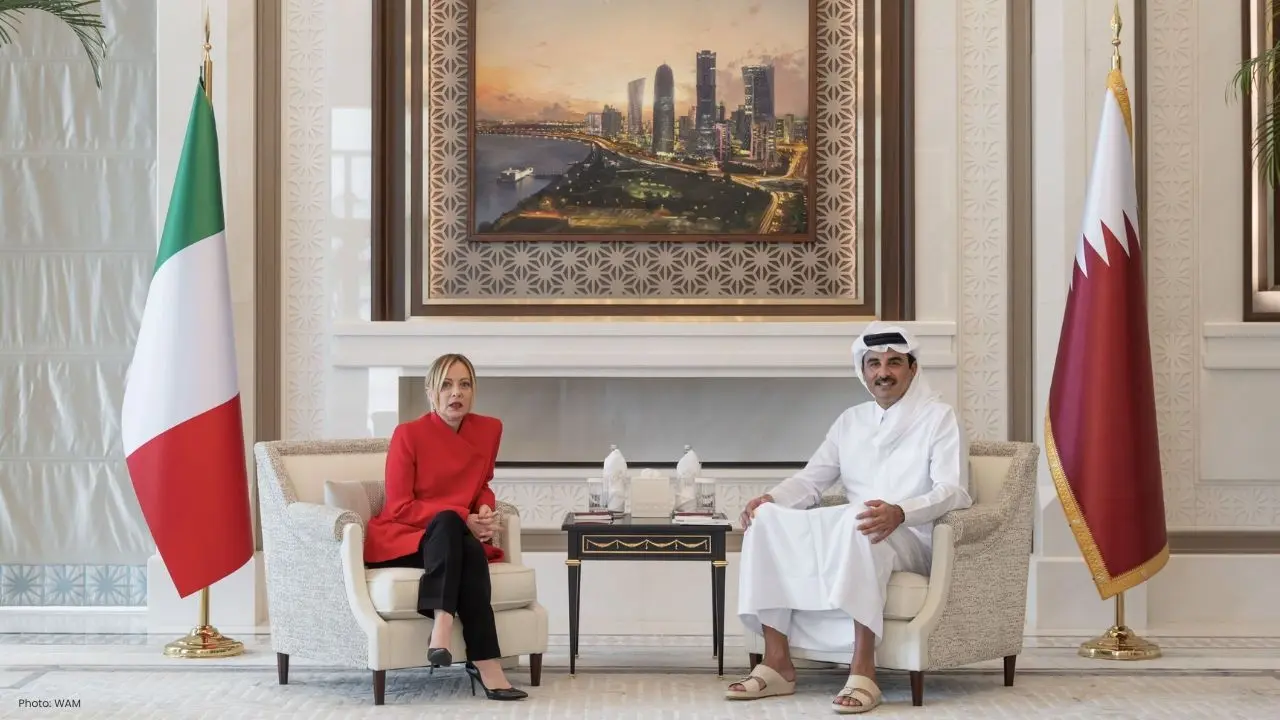
Qatar, Italy Leaders Discuss Regional Stability & Energy Ties
Qatar’s Emir and Italy’s Prime Minister discuss regional stability, energy security, and economic co

Danube Launches Signature Master-Planned Community
Danube Properties unveils Greenz By Danube in Dubai, offering luxury villas, townhouses, 50+ ameniti

Neoterra breaks ground on ELMORA, unveils new project
Neoterra begins ELMORA construction in Jumeirah Garden City and announces a new residential project

WINGIE Launches AI Refund System for Airline Travelers
WINGIE introduces AI-driven refund technology, enabling seamless, fully digital airline refund proce

Dubai property sales surge to AED176.7B in Q1 2026
Dubai records AED176.7B property sales in Q1 2026, with rising values, steady transaction growth and

Russia Strikes Northeast Ukraine, 4 Killed, 11 Injured
Russian drone and missile attacks on northeast Ukraine killed 4 and injured 11, with major strikes r
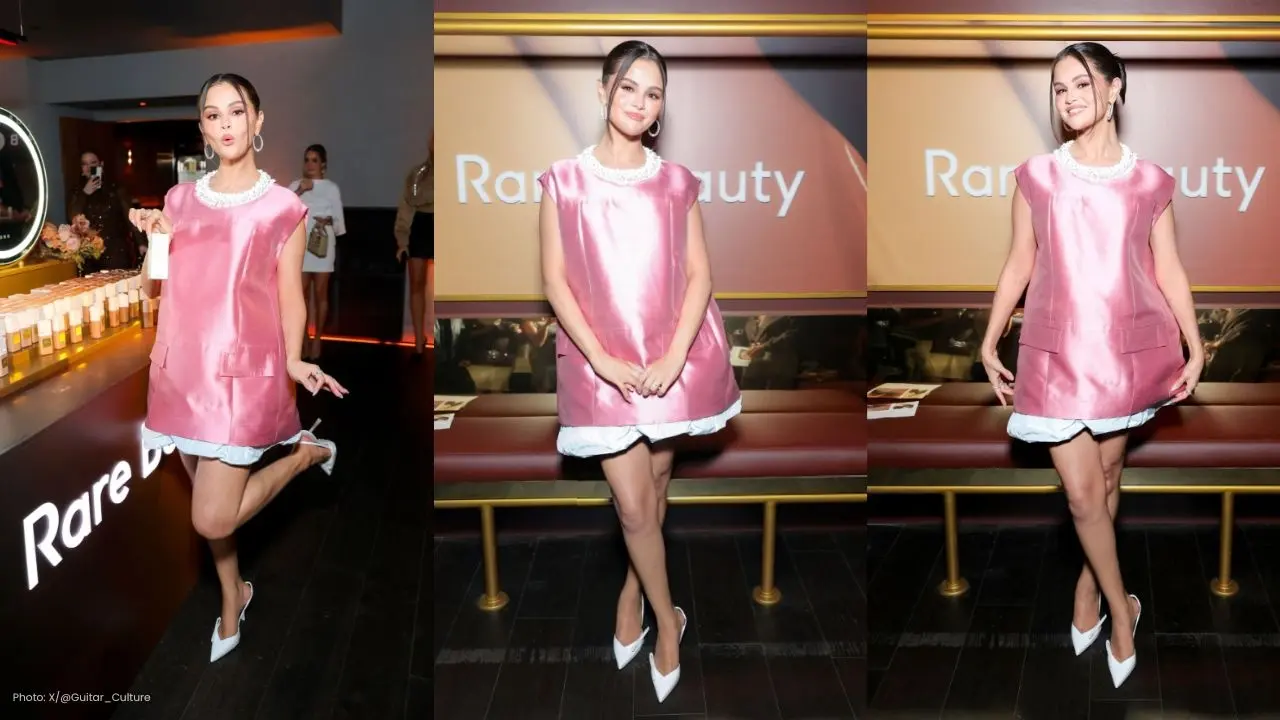
Selena Gomez Leads Candy Pink Trend in 2026 Fashion
Selena Gomez embraces candy pink fashion at a Rare Beauty event, highlighting 2026’s biggest color t


UAE Art Show in Seoul Challenges Stereotypes
Exhibition in Seoul highlights diverse UAE art, moving beyond luxury stereotypes to explore identity
Starbucks Strikes Major Partnership for China Growth
Starbucks teams with Boyu Capital, selling a majority stake in China unit to ramp up store growth an

Couple Among Three Charged in Massive Meth Trafficking Case in Malaysia
Three charged in Malaysia for trafficking 510kg of meth; if convicted, they could face severe penalt

Murder Suspect Returns to Geylang Crime Scene for Investigation
Singapore police revisit Geylang as a 48-year-old suspect faces charges in the fatal stabbing of a 7

NASA Launches Artemis II Crew for 10-Day Lunar Mission
NASA launches Artemis II with four astronauts for a 10-day Moon mission, marking the first crewed lu

Dubai RTA, Ministry Partner for Family First Programme
Dubai RTA and Ministry of Family partner to enhance transport, urban spaces, and services under Fami

Bank of Baroda Faces Abu Dhabi Legal Battle over NMC Collapse
Bank of Baroda’s involvement in Abu Dhabi litigation tied to the NMC Healthcare collapse raises repu

Top Museum Openings of 2026 Set to Transform Global Tourism
From Los Angeles to Abu Dhabi and Brussels, 2026 brings major museum launches—Lucas Museum, Guggenhe