Post by : Bianca Qureshi
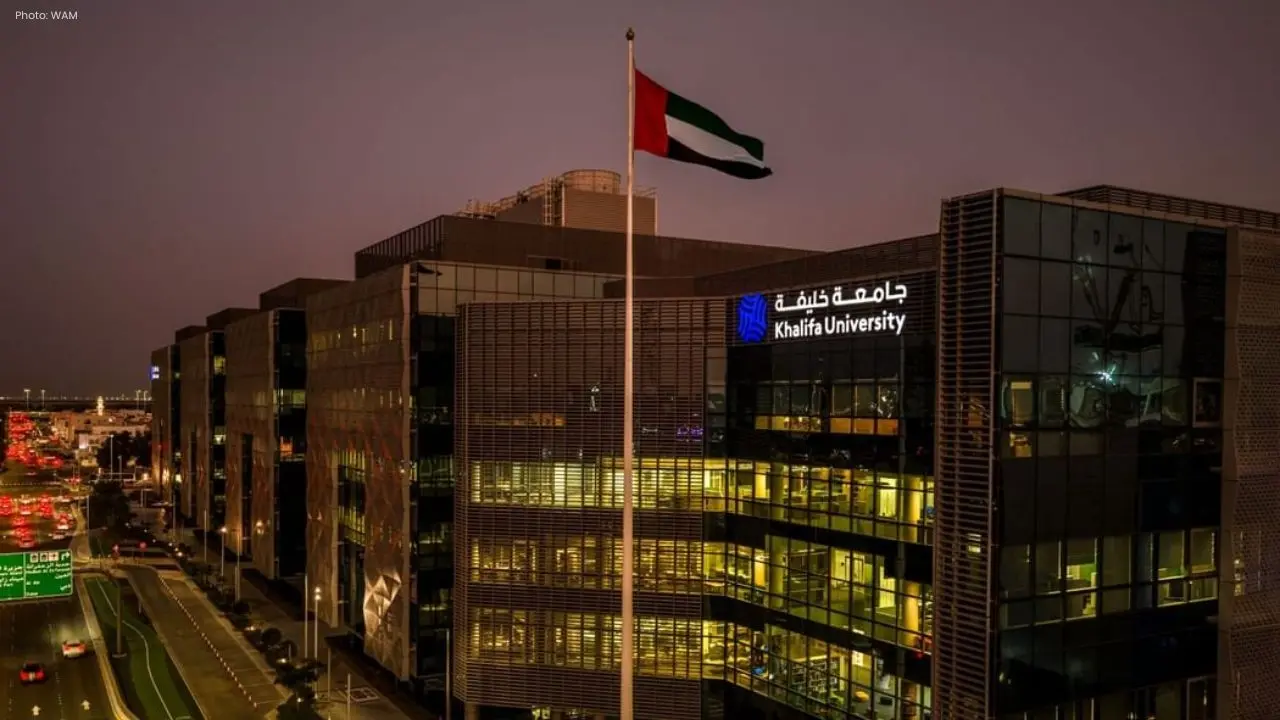
Khalifa University of Science and Technology has unveiled a groundbreaking artificial intelligence model, RF-GPT, marking a major leap forward in telecommunications technology. The newly launched model is designed to interpret radio-frequency (RF) signals—an area where traditional AI systems have long faced limitations.
Unlike conventional language models that rely on text and structured data, RF-GPT introduces a novel approach by converting wireless signals into visual spectrogram patterns. These patterns are then analyzed by the AI, enabling it to understand and respond to queries about wireless spectrum activity using natural language.
Performance Breakthrough in RF Intelligence
RF-GPT has demonstrated significant improvements in performance, outperforming existing baseline models by up to 75.4% in radio-frequency spectrogram tasks. Notably, the model achieved nearly 98% accuracy in counting signals within a spectrogram—an advanced capability rarely seen in general-purpose AI systems.
Advancing Future Wireless Networks
The model directly aligns with the UAE’s national AI ambitions and supports the development of more autonomous and intelligent wireless systems. By making the electromagnetic spectrum accessible through natural language queries, RF-GPT lays the foundation for AI-driven network optimization and policy-making—critical for the evolution of future 6G networks.
Research Leadership and Collaboration
The project was led by Merouane Debbah, Senior Director of the Digital Future Institute, along with a global team of researchers and scientists. Key contributors include Hang Zou, Yu Tian, Dr. Lina Bariah, Dr. Samson Lasaulce, Dr. Chongwen Huang, and PhD researcher Bohao Wang.
According to Ahmed Al Durrah, Associate Provost for Research, the launch reflects Khalifa University’s long-term commitment to advancing digital infrastructure and strengthening AI integration across strategic sectors.
A Step Toward AI-Native Connectivity
RF-GPT was trained on approximately 625,000 simulated radio signal datasets, enabling it to handle complex wireless environments. The model excels in tasks such as identifying signal types, detecting overlapping transmissions, recognizing wireless standards, estimating Wi-Fi device usage, and extracting insights from 5G signals.
Experts believe RF-GPT represents a turning point in spectrum intelligence, shifting from isolated RF analysis tools to a unified AI-powered interface. This innovation is expected to play a key role in shaping next-generation, AI-native communication systems.

Tragic Loss of Civilians Amid Heavy Shelling in Myanmar
Heavy weapon attacks in Myanmar have resulted in civilian casualties, sparking major concerns over s

Sri Lanka Unveils National QR Payment Initiative
Sri Lanka introduces a national QR payment initiative, eliminating fees for small transactions to en

Sri Lanka Enlists Belarus for Transport Enhancement
Sri Lanka seeks Belarusian assistance to elevate transport systems and foster bilateral ties in tech

Debris Incident in Northern Kuwait: Six Injured
Six people have minor injuries from debris fall in a northern Kuwait residential area linked to Iran

Trump's Executive Order Overhauls College Sports in the U.S.
President Trump aims to transform college athletics, focusing on financial fairness and athlete prot

Easter Blessings from the President of Sri Lanka
Sri Lanka's President urges unity and compassion this Easter amidst global strife.

World Airsoft Games 2026 Wraps Up in Abu Dhabi
World Airsoft Games 2026 concluded in Abu Dhabi with 60 teams from 20+ countries. UAE teams achieve


UAE Art Show in Seoul Challenges Stereotypes
Exhibition in Seoul highlights diverse UAE art, moving beyond luxury stereotypes to explore identity

Starbucks Strikes Major Partnership for China Growth
Starbucks teams with Boyu Capital, selling a majority stake in China unit to ramp up store growth an

Couple Among Three Charged in Massive Meth Trafficking Case in Malaysia
Three charged in Malaysia for trafficking 510kg of meth; if convicted, they could face severe penalt

Murder Suspect Returns to Geylang Crime Scene for Investigation
Singapore police revisit Geylang as a 48-year-old suspect faces charges in the fatal stabbing of a 7
NASA Launches Artemis II Crew for 10-Day Lunar Mission
NASA launches Artemis II with four astronauts for a 10-day Moon mission, marking the first crewed lu
Dubai RTA, Ministry Partner for Family First Programme
Dubai RTA and Ministry of Family partner to enhance transport, urban spaces, and services under Fami

Bank of Baroda Faces Abu Dhabi Legal Battle over NMC Collapse
Bank of Baroda’s involvement in Abu Dhabi litigation tied to the NMC Healthcare collapse raises repu

Top Museum Openings of 2026 Set to Transform Global Tourism
From Los Angeles to Abu Dhabi and Brussels, 2026 brings major museum launches—Lucas Museum, Guggenhe