Post by : Sam Jeet Rahman
Choosing the right hotel is not about luxury alone—it is about location intelligence, time efficiency, comfort alignment, and cost control. Many travelers overspend, waste hours commuting, or compromise experiences simply because the hotel was chosen without considering the actual travel itinerary. A smart hotel choice supports your plan instead of working against it.
This detailed guide explains how to select hotels strategically based on your travel itinerary, whether you are traveling for leisure, business, family vacations, solo trips, or multi-city journeys.
A travel itinerary defines where you will be, how often you will move, and what time constraints you face. When hotel selection ignores this structure, it creates:
Long daily travel times
Higher transport expenses
Physical exhaustion
Missed activities
Poor sleep quality
Hotels should reduce friction, not add to it.
Every itinerary revolves around a dominant purpose.
Sightseeing, food exploration, relaxation, photography, shopping.
Meetings, conferences, networking events, co-working time.
Work plus sightseeing, events plus family time.
Your hotel must support the primary purpose first, with flexibility for secondary plans.
Before choosing a hotel, outline:
Daily activity locations
Start and end points
Peak movement hours
Transport modes (walk, metro, taxi, car)
A hotel placed near your highest-frequency activity zone saves more time than one near a single attraction.
When sightseeing dominates your plan, location matters more than hotel size.
Most cities have sightseeing zones where multiple landmarks sit close together. Staying near these clusters reduces commute time significantly.
Hotels in walkable areas allow spontaneous exploration, evening strolls, and flexible plans without transport dependency.
Cheaper hotels far from attractions often result in higher daily transport costs and exhaustion.
When your itinerary involves frequent city changes:
Stay near:
Railway stations
Major bus terminals
Airports (for early departures)
This minimizes stress during transitions.
Look for hotels known for quick processes and luggage support.
For road trips, parking security and access are more important than room size.
Business trips demand efficiency and reliability.
Choose hotels within 10–15 minutes of:
Office districts
Conference venues
Exhibition centers
Ensure strong Wi-Fi, desk space, power outlets, and quiet surroundings.
Early breakfast, laundry, airport transfers, and express checkout matter more than luxury décor.
Short itineraries magnify time loss.
You should minimize transit and maximize experience.
Late arrival or early departure flexibility is critical.
Resorts consume time moving in and out unless relaxation is the sole goal.
Longer stays require comfort sustainability.
Look for:
Nearby cafes and supermarkets
Medical access
Safe walking zones
Public transport links
Laundry access, storage space, and natural light improve long-stay comfort.
Consider serviced apartments or extended-stay hotels instead of nightly luxury pricing.
Choose compact hotels with excellent location and transport access.
Boutique hotels, beachfront stays, or heritage properties enhance experience.
Safety, room size, elevators, nearby food options, and medical access are priorities.
Choose well-reviewed areas with nightlife access, safety, and social spaces.
Stay within 5–7 minutes walking distance of stations.
Easy road access, parking, and smooth exit routes matter more than city center proximity.
Airport hotels or airport-linked transport zones reduce travel fatigue.
Your itinerary determines how much time you spend inside the hotel.
Spend less on hotel luxury, more on location.
Comfort and amenities gain importance.
A smart rule: pay for what you actually use.
“Looks beautiful” but far from everything
Cheap rooms but expensive daily transport
Poor access during peak hours
Unsafe or isolated neighborhoods
Inflexible check-in policies
Ignoring these leads to regret, not savings.
Focus on reviews mentioning:
Location convenience
Transport access
Noise levels
Check-in efficiency
Neighborhood safety
Ignore complaints irrelevant to your travel style.
Your itinerary may change due to:
Festivals
Weather conditions
Tourist seasons
Hotels near event zones may become noisy or overpriced during peak times.
Before finalizing, confirm:
Distance from main daily locations
Transport access and cost
Safety and walkability
Check-in flexibility
Review consistency
Total daily commute time
If the hotel saves time, energy, and money, it is the right choice.
When hotels align with itineraries:
Mornings start calmly
Evenings remain flexible
Energy stays high
Expenses stay controlled
Travel feels smoother
The hotel becomes a support system, not a compromise.
A perfect hotel on paper can ruin a perfectly planned trip if it clashes with your itinerary. The smartest travelers choose hotels based on movement logic, time value, and experience flow, not just photos or star ratings.
Your itinerary already tells you where to stay—you just need to listen to it.
This article is for general travel guidance only. Hotel suitability may vary based on personal preferences, budget, and destination-specific factors.

Qatar, Italy Leaders Discuss Regional Stability & Energy Ties
Qatar’s Emir and Italy’s Prime Minister discuss regional stability, energy security, and economic co

Danube Launches Signature Master-Planned Community
Danube Properties unveils Greenz By Danube in Dubai, offering luxury villas, townhouses, 50+ ameniti

Neoterra breaks ground on ELMORA, unveils new project
Neoterra begins ELMORA construction in Jumeirah Garden City and announces a new residential project

WINGIE Launches AI Refund System for Airline Travelers
WINGIE introduces AI-driven refund technology, enabling seamless, fully digital airline refund proce
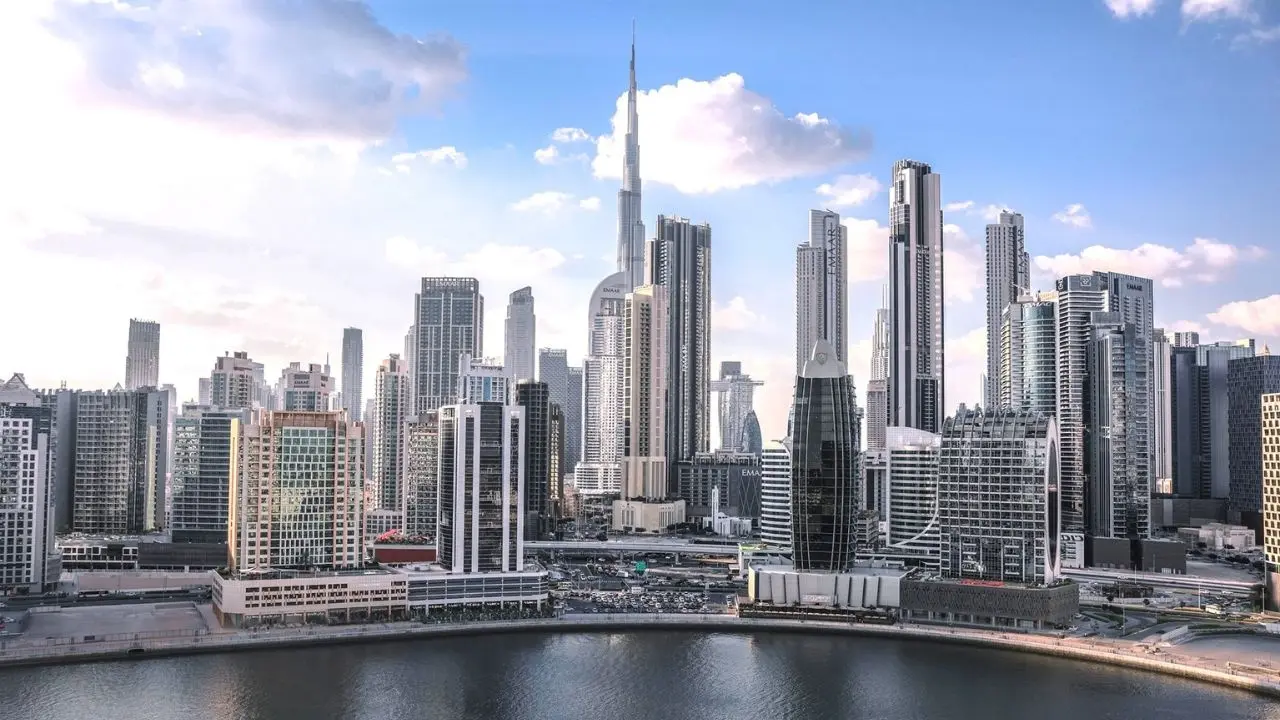
Dubai property sales surge to AED176.7B in Q1 2026
Dubai records AED176.7B property sales in Q1 2026, with rising values, steady transaction growth and

Russia Strikes Northeast Ukraine, 4 Killed, 11 Injured
Russian drone and missile attacks on northeast Ukraine killed 4 and injured 11, with major strikes r

Selena Gomez Leads Candy Pink Trend in 2026 Fashion
Selena Gomez embraces candy pink fashion at a Rare Beauty event, highlighting 2026’s biggest color t


UAE Art Show in Seoul Challenges Stereotypes
Exhibition in Seoul highlights diverse UAE art, moving beyond luxury stereotypes to explore identity

Starbucks Strikes Major Partnership for China Growth
Starbucks teams with Boyu Capital, selling a majority stake in China unit to ramp up store growth an

Couple Among Three Charged in Massive Meth Trafficking Case in Malaysia
Three charged in Malaysia for trafficking 510kg of meth; if convicted, they could face severe penalt
Murder Suspect Returns to Geylang Crime Scene for Investigation
Singapore police revisit Geylang as a 48-year-old suspect faces charges in the fatal stabbing of a 7
NASA Launches Artemis II Crew for 10-Day Lunar Mission
NASA launches Artemis II with four astronauts for a 10-day Moon mission, marking the first crewed lu

Dubai RTA, Ministry Partner for Family First Programme
Dubai RTA and Ministry of Family partner to enhance transport, urban spaces, and services under Fami

Bank of Baroda Faces Abu Dhabi Legal Battle over NMC Collapse
Bank of Baroda’s involvement in Abu Dhabi litigation tied to the NMC Healthcare collapse raises repu

Top Museum Openings of 2026 Set to Transform Global Tourism
From Los Angeles to Abu Dhabi and Brussels, 2026 brings major museum launches—Lucas Museum, Guggenhe