Post by : Anis Karim
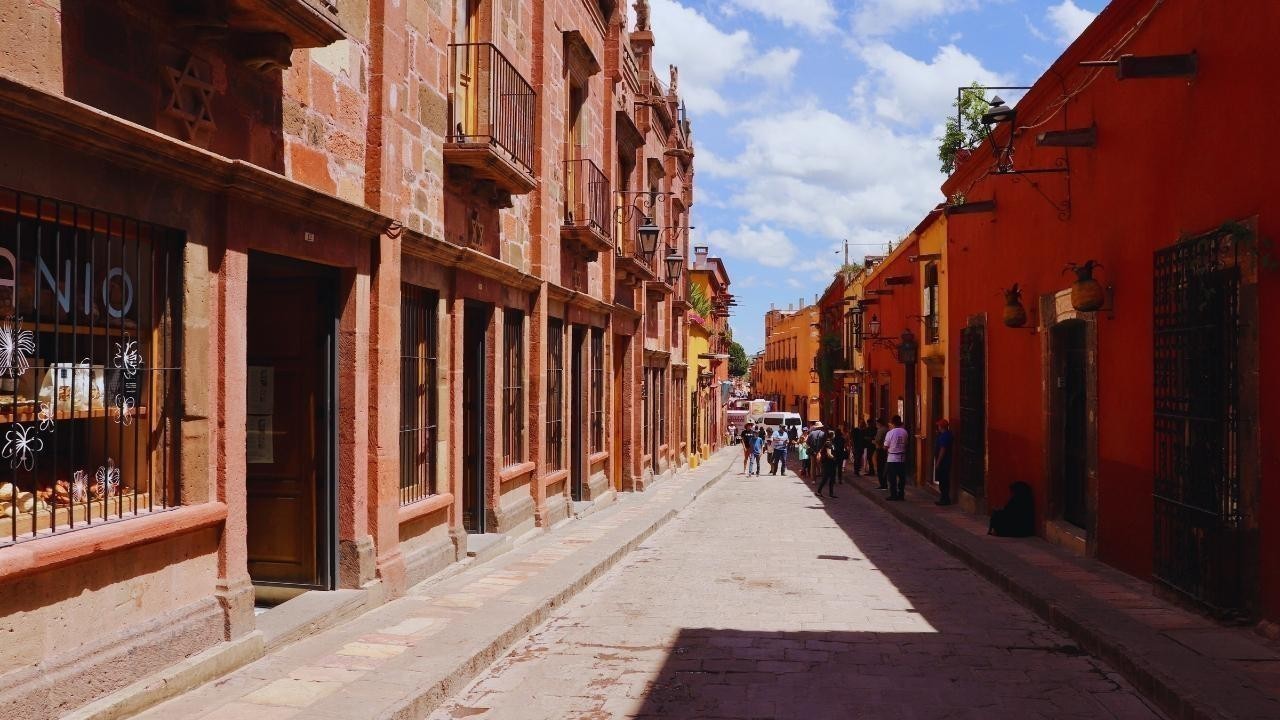
Walk through the bustling heart of cities like Penang, Jakarta, Nairobi, or Kolkata, and you’ll find them—majestic courthouses, railway stations, clock towers, and churches from a bygone era. These buildings, with their grand columns, wrought iron details, and arched windows, are reminders of colonial histories that remain etched into the very bones of the cities they inhabit.
Despite independence and modernization, colonial architecture continues to shape urban identities across much of the world. From Southeast Asia to Sub-Saharan Africa, these structures do more than just fill space—they influence city planning, real estate value, and even cultural memory.
In 2025, the presence of colonial buildings raises a set of complex questions: How do we preserve history without glorifying oppression? And how can cities evolve while still acknowledging what came before?
Colonial architecture, by definition, refers to the styles imposed or introduced by colonizing powers during their rule over other regions. British, French, Dutch, Portuguese, and Spanish empires all left behind unique architectural fingerprints—ranging from Victorian Gothic and Neoclassical styles to Indo-Saracenic hybrids that fused European and local influences.
These buildings weren’t just about function—they were symbols of power, meant to impress, intimidate, and enforce control. Government offices, cathedrals, barracks, and mansions were designed to replicate the colonizer’s home culture while demonstrating dominance over the colonized.
In cities like Hanoi and Yangon, for instance, French and British architecture still frames the city center. In Cape Town and Mumbai, Dutch gables and British Gothic spires coexist with modern high-rises. Their survival through war, independence, and development speaks to their durability—but also to their lasting influence on city life.
Rather than demolish these remnants of empire, many cities are choosing to repurpose them. This trend, known as adaptive reuse, involves transforming old colonial structures into modern facilities—like museums, hotels, cafes, universities, or civic centers.
Examples include:
The Cheong Fatt Tze Mansion in George Town, Malaysia, now a heritage hotel
Fort Canning Arts Centre in Singapore, housed in a former British military building
The Old Secretariat Building in Yangon, now a museum and cultural space
These adaptations are not just about preservation—they’re about reclaiming spaces and infusing them with new, local narratives. What once stood for control now hosts art exhibits, community events, and national pride.
The influence goes beyond facades. Many cities inherited colonial-era urban planning frameworks, some of which were designed to segregate populations or prioritize administrative convenience over community cohesion.
In South Asia and parts of Africa, cities often still reflect the original colonial zoning—administrative centers surrounded by “civil lines” (housing for colonial officials), with working-class neighborhoods pushed to the periphery.
Even infrastructure like road width, grid systems, railway stations, and drainage systems trace back to colonial blueprints. While many of these layouts are still functional, they also come with limitations—especially in rapidly growing cities where these plans no longer match population demands.
One of the biggest challenges urban planners face is balancing preservation with modern development. Should an old colonial post office give way to a skyscraper? Can a crumbling courthouse become a boutique hotel without losing its historical essence?
In cities where land is scarce and demand for vertical growth is high, the pressure to demolish and rebuild is intense. Yet, losing these buildings often means erasing layers of urban history.
To address this, some municipalities have introduced heritage zones, offering tax incentives for restoration and placing limits on what can be changed in certain buildings. Others are working with UNESCO and local heritage boards to document, archive, and protect historic architecture.
The continued presence of colonial architecture has sparked cultural debates in many postcolonial societies. Some see these buildings as vital historical records, while others view them as painful reminders of subjugation.
In recent years, especially after global movements like Black Lives Matter and the decolonization push in academia, there have been renewed calls to reassess monuments, street names, and buildings tied to colonial oppression.
Yet, architecture is nuanced. A building may have colonial roots, but its current meaning often depends on how communities interact with it today. In many places, local artists, activists, and architects are finding ways to reinterpret these structures—adding murals, hosting cultural events, or blending them with indigenous elements.
This reinterpretation, not erasure, may offer the most powerful path forward.
The enduring legacy of colonial architecture teaches us valuable lessons:
Materials matter: Many colonial buildings were made with local materials adapted for tropical or desert climates. These construction techniques are making a comeback in sustainable design.
Hybrid styles thrive: Indo-Saracenic and Neo-Moorish styles blended cultures. Today’s designers can draw on this spirit of fusion to reflect diverse identities in a single space.
Architecture is political: What we build, preserve, or destroy sends signals about whose stories matter.
Modern architecture in former colonies doesn’t need to reject the past—but it must move forward with intent, ensuring that cities reflect not just historical power but contemporary identity and inclusivity.
Colonial buildings are more than just heritage—they are markers of history, memory, and transition. They tell complex stories that stretch beyond conquest into resistance, adaptation, and eventually, ownership.
In 2025, as cities grapple with issues of density, identity, and sustainability, colonial architecture stands as a challenge and an opportunity. Do we preserve it, repurpose it, or let it go? The answer isn’t always clear. But in asking the question, we begin to redefine our cities—not just by how they look, but by what they mean.
This article is part of DXB News Network’s “Culture & History” editorial series. It is intended for informational purposes and does not reflect a political stance. Readers are encouraged to explore their own cityscapes with curiosity and historical awareness.

Virat Kohli Picks All-Time RCB XI Ahead of IPL 2026
Virat Kohli reveals his all-time RCB XI before IPL 2026, featuring Gayle, AB de Villiers, KL Rahul,
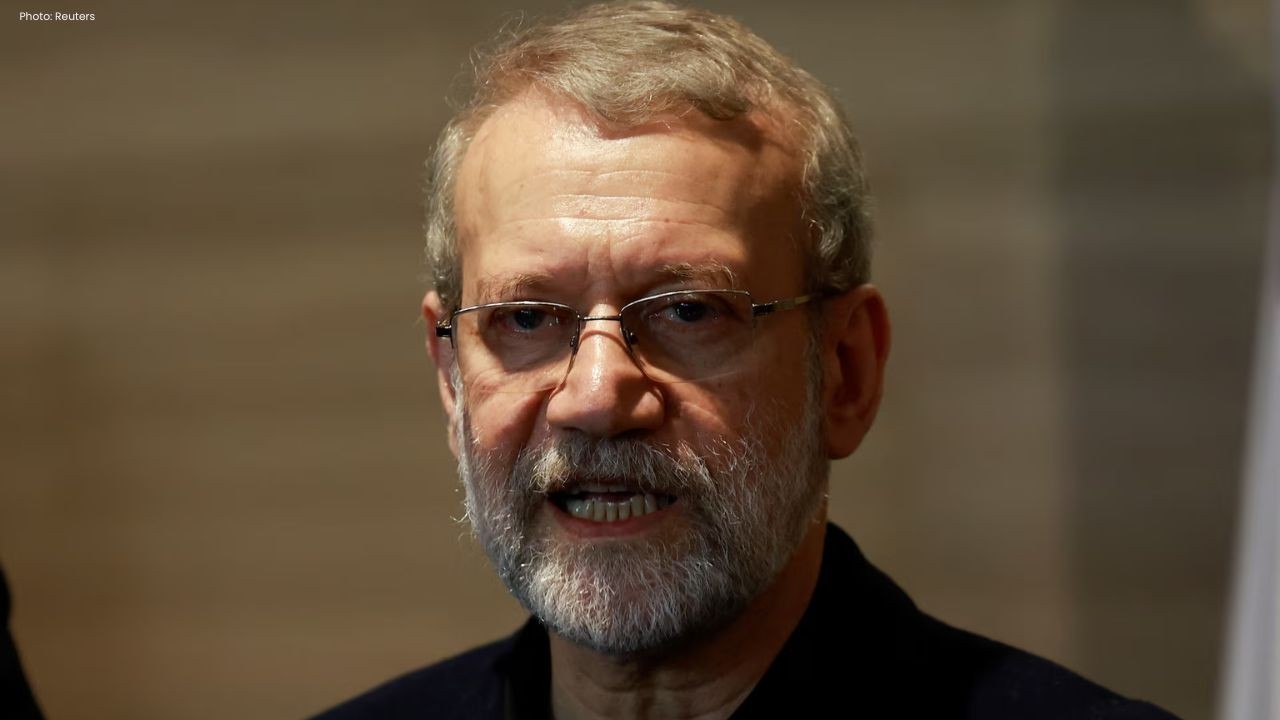
Israel Claims Iran’s Ali Larijani Killed In Airstrike
Israel claims Iran’s Ali Larijani was killed in airstrikes. Iran has not confirmed yet. Reports say
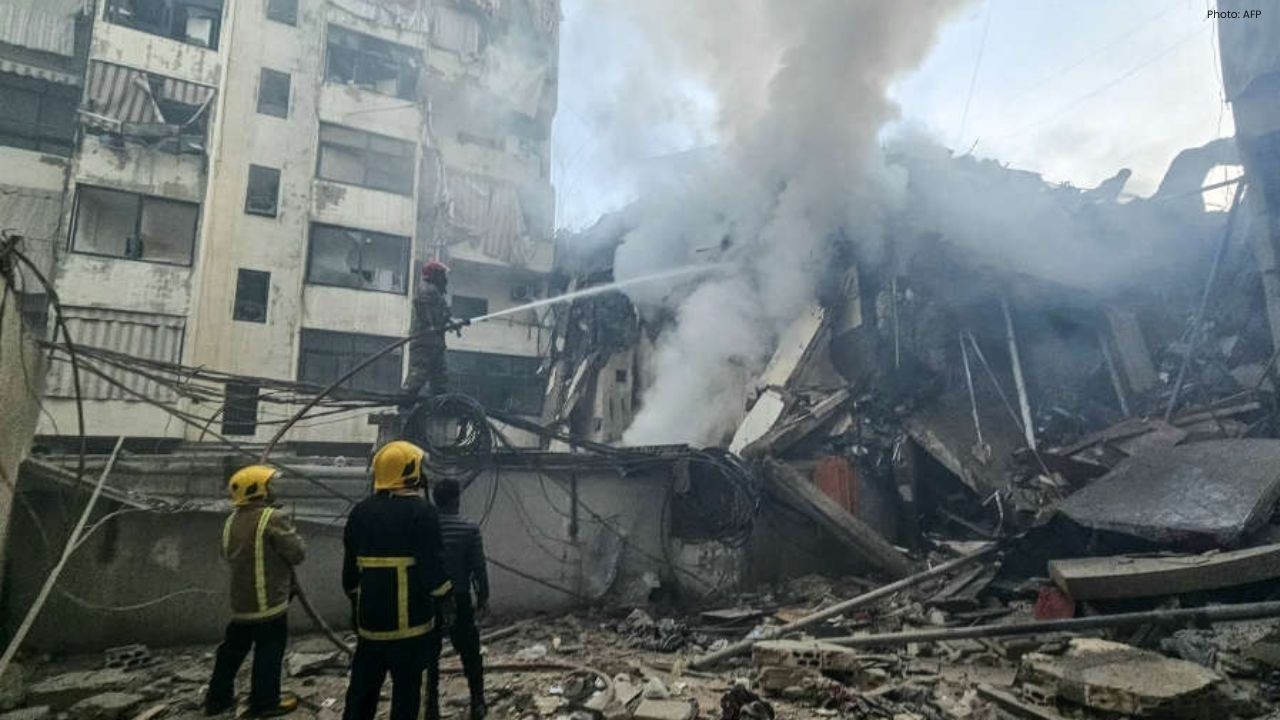
Lebanon War Crisis: Civilian Toll and Mass Displacement
War in Lebanon is worsening with rising deaths, injuries and over 800,000 displaced. UN raises conce

Diljit’s Dil-Luminati Tour Earns ₹943 Crore in India
Diljit Dosanjh’s Dil-Luminati Tour earned ₹943 crore in India, drew 3.2 lakh fans, boosted tourism,

Ambulance Centre Hit by Debris, 2 Medics Injured in Kuwait
Two emergency medics were injured after debris struck an ambulance centre in Kuwait. Both are stable

UAE Oil Zone Hit by Drone as Iran Expands Gulf Attacks
A drone attack sparked a fire at Fujairah Oil Zone, UAE. No casualties reported, but rising Iran str

Iran in Talks to Shift World Cup Matches to Mexico
Iran is in talks with FIFA to move its World Cup matches from the US to Mexico over safety concerns


Bank of Baroda Faces Abu Dhabi Legal Battle over NMC Collapse
Bank of Baroda’s involvement in Abu Dhabi litigation tied to the NMC Healthcare collapse raises repu

Top Museum Openings of 2026 Set to Transform Global Tourism
From Los Angeles to Abu Dhabi and Brussels, 2026 brings major museum launches—Lucas Museum, Guggenhe

UAE Tour Highlights UAE’s Strength in Hosting Global Sports Events
Abu Dhabi Sports Council says the successful UAE Tour reflects the UAE’s leading role in hosting maj

EU Seeks Clarity from US After Supreme Court IEEPA Ruling
European Commission urges full transparency from the US on steps after Supreme Court ruling, emphasi

SpaceX Launches 53 New Satellites for Expanding Starlink Network
SpaceX launches 53 Starlink satellites in two Falcon 9 missions, breaking reuse records and expandin
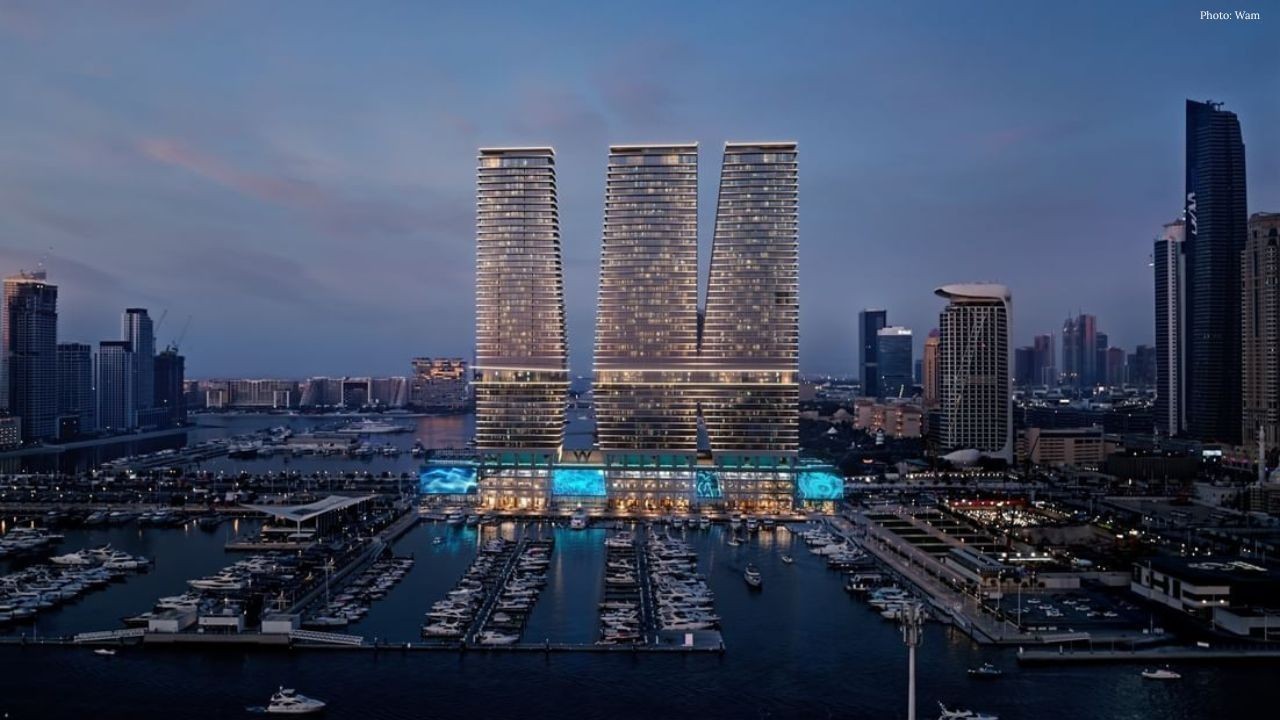
RTA Awards Contract for Phase II of Hessa Street Upgrade in Dubai
Phase II of Hessa Street Development to add bridges, tunnel, and upgraded intersections, doubling ca

UAE Gold Prices Today, Monday 16 February 2026: Dubai & Abu Dhabi Updated Rates
Gold prices in UAE on 16 Feb 2026 updated: 24K around AED 599.75/gm, 22K AED 555.25/gm, and 18K AED

Over 25 Ahmedabad Schools Receive Bomb Threat Email, Authorities Investigate
More than 25 schools in Ahmedabad evacuated after bomb threat emails mentioning Khalistan. Authoriti