Post by : Saif Khan
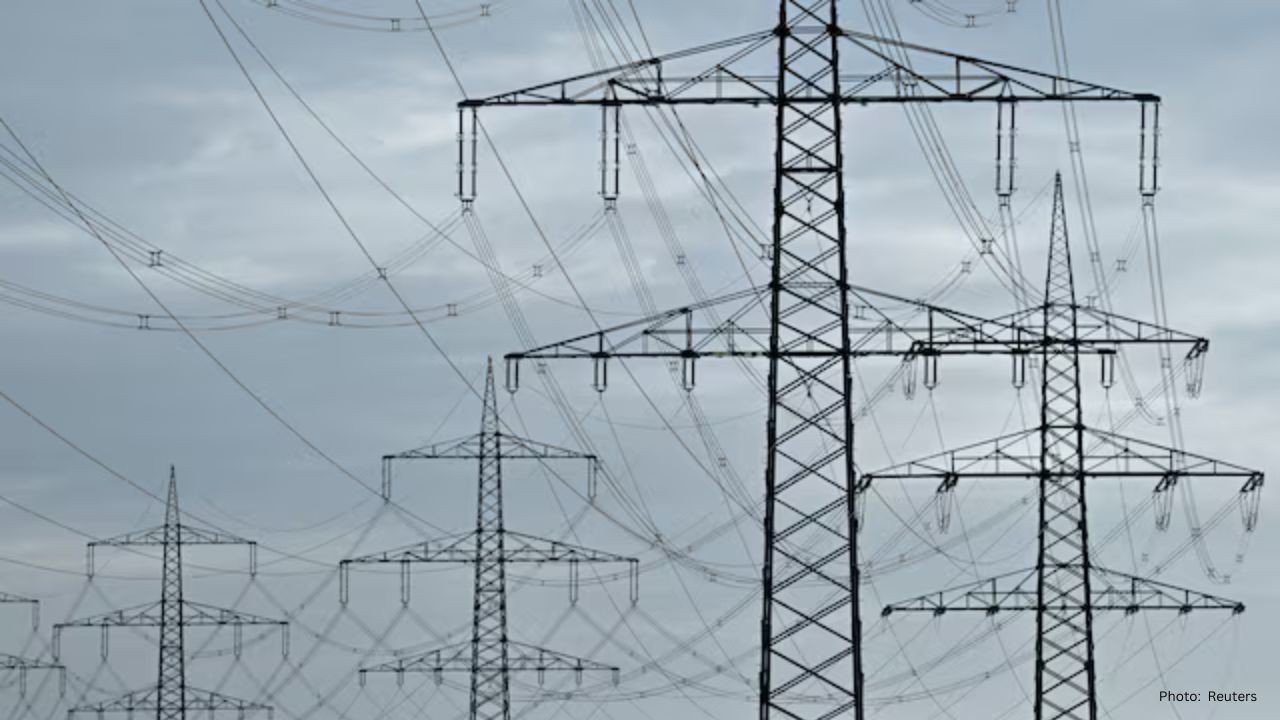
The German government is evaluating a substantial enhancement of its role in the nation’s electricity framework by considering a majority stake acquisition in TenneT AG, a key power transmission entity in Europe. This strategic shift underscores Berlin's intent to fortify its grip on vital energy infrastructure amidst national security concerns. As reported by Boersen-Zeitung, preliminary dialogues have kicked off, suggesting that officials are examining various avenues to amplify Germany’s oversight of grid management and expansion.
In a prior agreement, Germany had committed to acquiring a 25.1 percent interest in TenneT, currently under Dutch government ownership. This initial investment was perceived as a tactical maneuver, granting Berlin adequate voting powers to impede decisions impacting its national energy strategy. However, recent insights indicate that the government is contemplating an escalation beyond this minority stake. Pursuing majority ownership signifies Germany's desire for amplified influence during its complex transition towards renewable energy. By adhering to a larger stake, Berlin would attain an authoritative voice over critical investments, infrastructure enhancements, and power transmission practices nationwide.
Informed sources disclosed to Boersen-Zeitung that the government is assessing a spectrum of financial and structural frameworks. One potential avenue includes collaboration with prominent international investment firms, such as Apollo Global Management, Blackstone, and Brookfield, recognized giants in large-scale energy projects. Partnering with these firms could lighten the financial load of acquiring an increased stake while still enabling the government to spearhead grid direction. None of the aforementioned firms have publicly addressed these discussions, nor has the German economy ministry responded. Nonetheless, their involvement illustrates the gravity and scale of the potential transaction.
Germany's amplified interest in TenneT resonates with a broader national directive emphasizing energy independence, climate targets, and geopolitical stability. The nation has embarked on a significant overhaul of its energy mechanism, often referred to as the energy transition, aiming to supplant fossil fuels with renewable energy sources, notably wind and solar. To facilitate this transformation, a state-of-the-art electricity grid is paramount, enabling the efficient distribution of clean energy from generation sites to households and industries across Germany. Given that much of the new renewable energy is produced in the north while significant population centers reside in the south, the development of extensive power lines is vital.
A more substantial governmental stake in TenneT would grant Berlin greater oversight on the pacing and location of these essential power lines’ construction. Furthermore, it would ensure that investments align with national climate ambitions rather than purely commercial interests. Recent events in Europe underscore that energy networks function as more than merely economic assets—they are critical components of national security. Heightened concerns regarding foreign control over strategic infrastructure compel governments to carefully consider who oversees electricity networks, gas pipelines, and communications systems. By securing a larger stake in TenneT, Germany aims to mitigate risks associated with heavy reliance on external parties.
A confidential document reviewed by Reuters indicated that the preliminary phase of the transaction, involving the acquisition of the initial 25.1 percent share, is nearing conclusion. This share would equip Berlin with blocking rights, empowering it to halt decisions potentially jeopardizing energy stability or conflicting with national objectives. Nevertheless, officials are increasingly inclined to believe that a majority interest would furnish the government with a more robust, long-term foothold, affording it the liberty to guide expansion initiatives without constraints imposed by private stakeholders.
Germany's renewable agenda demands substantial financial input—offshore wind ventures, new high-voltage transmission networks, and necessary upgrades to outdated grid sections require billions. Private entities often tread cautiously with high-cost developments, particularly when returns may be delayed. An augmented governmental presence could expedite these projects, ensuring the energy transition remains on track. By obtaining majority ownership, Berlin could hasten new grid line construction, alleviate bottlenecks, and minimize delays that might hinder the transition to sustainable energy.
For the Netherlands, the current custodian of TenneT, any major divestiture necessitates meticulous coordination with Germany. The two nations share significant ties through energy trade, electricity interactions, and aligned policy objectives. An ownership transfer may influence cross-border collaborations, particularly in offshore wind, where interconnected grids are crucial. Ongoing dialogues between both governments will be pivotal in shaping the deal's progression and delineating shared responsibilities post-control transfer.
This prospective majority acquisition mirrors a wider trend throughout Europe. Countries are reevaluating the extent of critical infrastructure control by private enterprises versus national governance. Escalating global tensions, supply chain disruptions, and cybersecurity apprehensions have compelled European nations to adopt a more proactive stance in sectors deemed essential for economic resilience and public safety. Electricity grids, in particular, have emerged as focal points as nations strive to embrace cleaner energy while maintaining robust systems.
Should Germany move forward with a majority acquisition of TenneT, it would represent a landmark decision in its recent energy history. It underscores a deeper commitment to securing essential infrastructural control and ensuring that the nation’s renewable energy endeavors are backed by a dependable and modern grid. Furthermore, it illustrates a growing acknowledgment that energy policy, economic strategy, and national security are intertwined. The forthcoming months will clarify whether these early talks evolve into a formal proposal; however, the very notion of Germany pursuing a controlling share in TenneT has ignited discourse throughout Europe about the future of energy governance and the governmental role in shaping it.
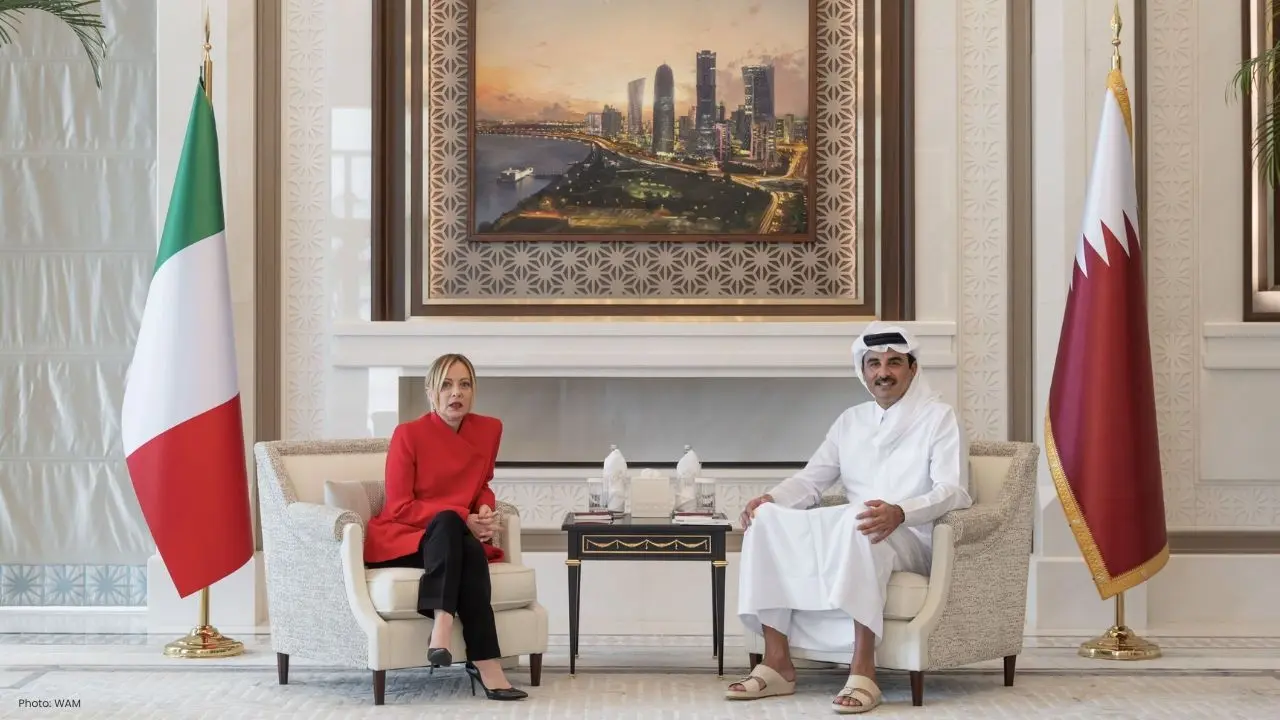
Qatar, Italy Leaders Discuss Regional Stability & Energy Ties
Qatar’s Emir and Italy’s Prime Minister discuss regional stability, energy security, and economic co

Danube Launches Signature Master-Planned Community
Danube Properties unveils Greenz By Danube in Dubai, offering luxury villas, townhouses, 50+ ameniti

Neoterra breaks ground on ELMORA, unveils new project
Neoterra begins ELMORA construction in Jumeirah Garden City and announces a new residential project
WINGIE Launches AI Refund System for Airline Travelers
WINGIE introduces AI-driven refund technology, enabling seamless, fully digital airline refund proce
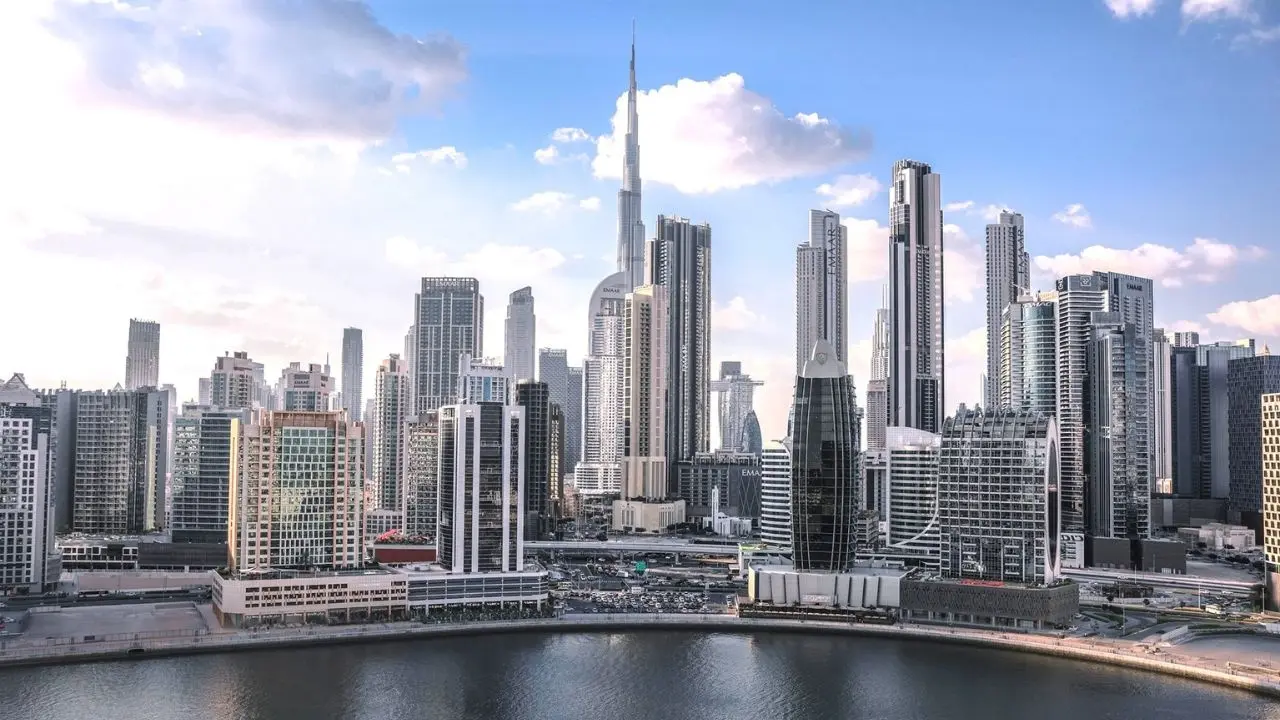
Dubai property sales surge to AED176.7B in Q1 2026
Dubai records AED176.7B property sales in Q1 2026, with rising values, steady transaction growth and

Russia Strikes Northeast Ukraine, 4 Killed, 11 Injured
Russian drone and missile attacks on northeast Ukraine killed 4 and injured 11, with major strikes r

Selena Gomez Leads Candy Pink Trend in 2026 Fashion
Selena Gomez embraces candy pink fashion at a Rare Beauty event, highlighting 2026’s biggest color t


UAE Art Show in Seoul Challenges Stereotypes
Exhibition in Seoul highlights diverse UAE art, moving beyond luxury stereotypes to explore identity

Starbucks Strikes Major Partnership for China Growth
Starbucks teams with Boyu Capital, selling a majority stake in China unit to ramp up store growth an

Couple Among Three Charged in Massive Meth Trafficking Case in Malaysia
Three charged in Malaysia for trafficking 510kg of meth; if convicted, they could face severe penalt
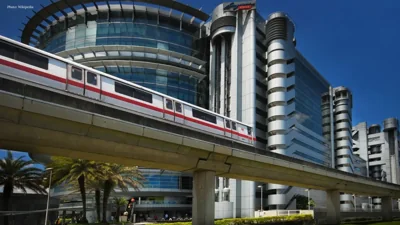
Murder Suspect Returns to Geylang Crime Scene for Investigation
Singapore police revisit Geylang as a 48-year-old suspect faces charges in the fatal stabbing of a 7
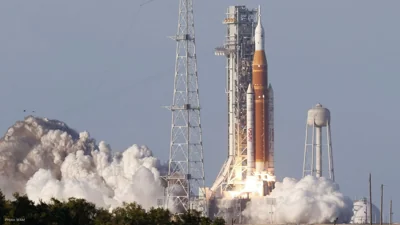
NASA Launches Artemis II Crew for 10-Day Lunar Mission
NASA launches Artemis II with four astronauts for a 10-day Moon mission, marking the first crewed lu
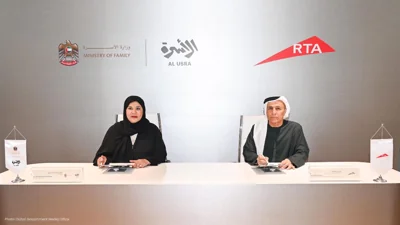
Dubai RTA, Ministry Partner for Family First Programme
Dubai RTA and Ministry of Family partner to enhance transport, urban spaces, and services under Fami

Bank of Baroda Faces Abu Dhabi Legal Battle over NMC Collapse
Bank of Baroda’s involvement in Abu Dhabi litigation tied to the NMC Healthcare collapse raises repu

Top Museum Openings of 2026 Set to Transform Global Tourism
From Los Angeles to Abu Dhabi and Brussels, 2026 brings major museum launches—Lucas Museum, Guggenhe