Post by : Sam Jeet Rahman
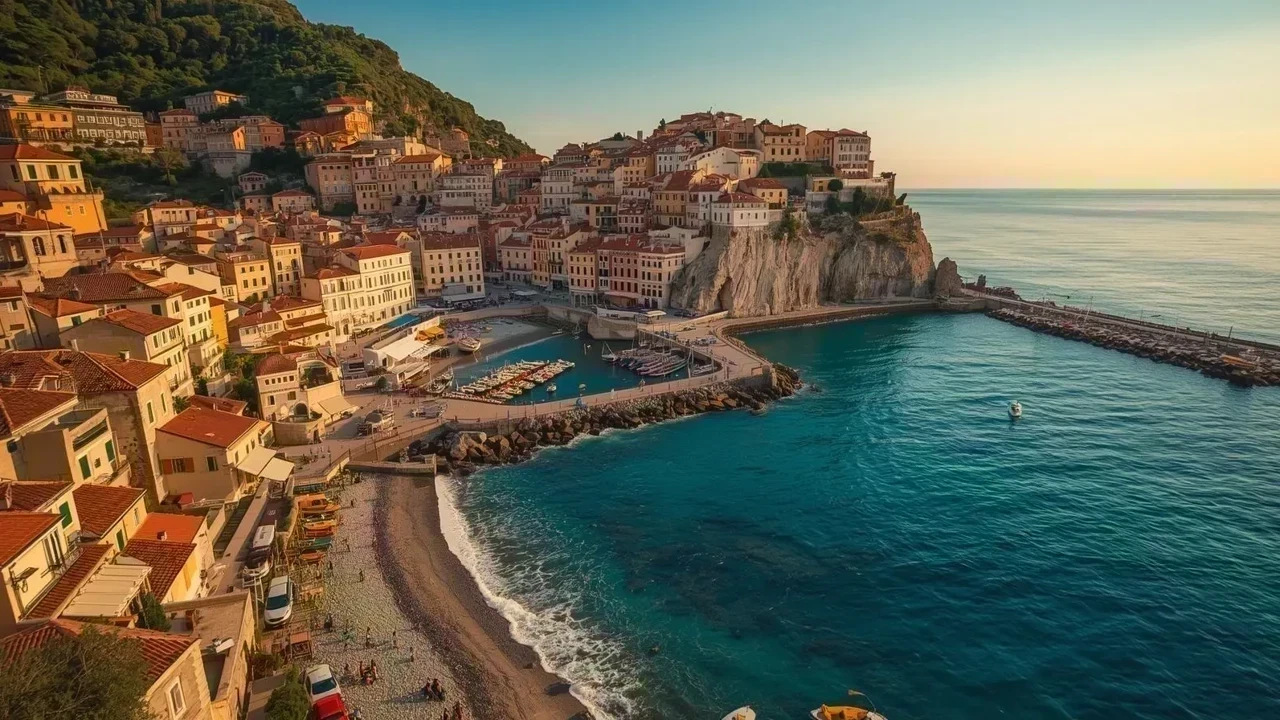
Croatia’s Adriatic coast has quietly become one of Europe’s most desirable travel regions. With medieval cities, crystal-clear waters, historic islands and a relaxed Mediterranean lifestyle, Croatia offers a balance of culture, beach time and scenic beauty that few destinations can match. Dubrovnik, Split and the nearby islands form the core of most coastal itineraries, but each place offers a very different experience. Understanding how they differ helps travelers plan smarter, avoid common mistakes and enjoy Croatia beyond surface-level sightseeing.
Croatia combines old-world European charm with modern tourism infrastructure. The coastline stretches over 1,700 kilometers and includes more than a thousand islands, many of them inhabited and well-connected. Compared to Western Europe, Croatia often feels less rushed, safer and more scenic, while still offering excellent food, accommodation and transport options.
Key reasons tourists choose Croatia’s coast include walkable historic cities, clean beaches, affordable island hopping, rich Roman and medieval history, and a strong cafe and dining culture. The Adriatic Sea is also among the cleanest in Europe, making swimming and boating a major attraction.
Dubrovnik is Croatia’s most famous coastal city and often the first stop for international tourists. Surrounded by massive stone walls and overlooking the sea, Dubrovnik feels like an open-air museum. The city’s old town is compact, beautifully preserved and filled with history.
What makes Dubrovnik special is its medieval architecture, red-roofed skyline and dramatic coastal setting. Walking the city walls gives panoramic views of the Adriatic and the old town streets below, making it one of Europe’s most memorable urban experiences.
Things to expect in Dubrovnik
Dubrovnik is visually stunning but can feel crowded, especially in summer when cruise ships arrive. Streets inside the old town are narrow, and peak hours can feel overwhelming. Early mornings and evenings are the best times to explore comfortably.
Accommodation experience in Dubrovnik
Staying inside the old town offers convenience and atmosphere but is expensive and often involves stairs. Many travelers prefer nearby areas like Lapad or Ploče, which offer better value, beach access and easier transport while still being close to the main attractions.
Food and dining in Dubrovnik
Dubrovnik’s dining scene focuses on seafood, Mediterranean dishes and Croatian wines. Prices are higher than elsewhere in Croatia due to tourism demand, but quality is generally good. Dining outside the old town helps reduce costs.
Who Dubrovnik is best for
Dubrovnik suits first-time visitors, history lovers, photographers and travelers looking for iconic European scenery. Budget travelers and those who dislike crowds may find it less comfortable during peak season.
Split offers a very different coastal experience. Built around Diocletian’s Palace, a Roman-era complex that still functions as a living city center, Split blends ancient history with modern urban life. Unlike Dubrovnik, Split feels more lived-in and less museum-like.
The character of Split is energetic, social and authentic. Locals and tourists share the same cafes, markets and waterfront promenades, giving visitors a more realistic sense of Croatian daily life.
Key attractions in Split
Diocletian’s Palace is the heart of the city, filled with shops, apartments, cafes and narrow alleys. The Riva promenade is a popular social hub, especially in the evenings. Nearby beaches like Bačvice and Kašjuni provide easy swimming access without leaving the city.
Accommodation options in Split
Split offers a wider range of accommodation compared to Dubrovnik. From budget apartments to boutique hotels and beachfront stays, prices are generally more reasonable. Staying near the old town provides convenience, while neighborhoods slightly outside offer better value and quieter nights.
Food and nightlife in Split
Split has a strong food culture, with fresh seafood, traditional Dalmatian dishes and affordable local eateries. Nightlife is lively but not overwhelming, with bars, waterfront lounges and casual clubs.
Who Split is best for
Split is ideal for travelers who want history without isolation, beach access with city energy, and easy connections to nearby islands. It works well for longer stays and balanced itineraries.
One of Croatia’s biggest advantages is its islands. Island hopping is easy, affordable and adds depth to any coastal trip. However, each island offers a different atmosphere, so choosing the right one matters.
Hvar: Style, Beaches and Nightlife
Hvar is Croatia’s most glamorous island. Known for luxury yachts, stylish beach clubs and vibrant nightlife, it attracts young travelers and social groups. Beyond the party scene, Hvar also offers lavender fields, historic fortresses and scenic coves.
Hvar is more expensive than most islands, especially in summer. It suits travelers who want energy, social life and upscale beach experiences.
Brac: Relaxed and Scenic
Brač is famous for Zlatni Rat beach and offers a calmer, more family-friendly environment. It is well-suited for swimming, hiking and relaxed coastal stays. Accommodation is generally affordable, and the island feels less crowded than Hvar.
Korcula: Culture and Charm
Korčula feels like a smaller, quieter version of Dubrovnik. With medieval streets, historic buildings and vineyards, it appeals to travelers seeking charm and culture without large crowds. It is often favored by couples and slower-paced travelers.
Vis: Authentic and Peaceful
Vis is one of Croatia’s least commercialized islands. It offers raw beauty, quiet villages and famous natural attractions like the Blue Cave. Vis suits travelers who value authenticity, nature and minimal tourism infrastructure.
Many travelers struggle with how to combine these destinations efficiently. The most common and effective approach is to start or end in Split, as it is the main ferry hub. Dubrovnik is best visited for a shorter stay due to crowds and costs, while Split and islands benefit from longer stays.
A balanced itinerary approach includes two days in Dubrovnik, three days in Split and three to five days across one or two islands. This structure allows sightseeing without rushing and balances city exploration with relaxation.
Croatia is no longer a cheap destination, but it still offers better value than many Western European coastal regions. Dubrovnik is the most expensive, especially for accommodation and dining. Split offers moderate pricing, while islands vary depending on popularity.
Typical cost patterns show higher prices in July and August, with better value in May, June, September and early October. Traveling outside peak season significantly improves comfort and affordability.
Croatia’s coastal transport system is reliable. Ferries connect major islands, buses connect cities, and domestic flights link distant regions. Renting a car is useful for exploring coastal towns but not necessary for city and island-focused itineraries.
Walking is the primary mode of transport within old towns, so comfortable footwear is essential. Many historic areas are pedestrian-only.
Croatia is considered one of the safest travel destinations in Europe. Violent crime is rare, and tourist areas are well-policed. The main concerns are overcrowding, heat during summer and slippery stone streets in old towns.
The best months to visit are May, June, September and early October. These months offer warm weather, fewer crowds and lower prices. July and August are vibrant but crowded and expensive.
Many travelers underestimate travel time between islands, stay too long in Dubrovnik, or pack too many destinations into a short trip. Croatia rewards slow travel, where fewer locations lead to a richer experience.
Dubrovnik suits first-time visitors and history lovers.
Split suits travelers wanting balance and flexibility.
Hvar suits nightlife and social travel.
Brač suits families and relaxed beach holidays.
Korčula and Vis suit couples and authenticity seekers.
Croatia’s coast is not a single destination but a collection of distinct experiences. Dubrovnik impresses with history and scenery, Split offers balance and local life, and the islands provide relaxation and variety. The best Croatia trip is one that understands these differences and plans accordingly. By choosing the right mix of cities and islands, travelers can experience Croatia at its most beautiful, comfortable and memorable.
This article is for informational purposes only. Travel conditions, ferry schedules, prices and regulations may change. Always check current local guidelines and travel requirements before planning your trip.

Qatar, Italy Leaders Discuss Regional Stability & Energy Ties
Qatar’s Emir and Italy’s Prime Minister discuss regional stability, energy security, and economic co

Danube Launches Signature Master-Planned Community
Danube Properties unveils Greenz By Danube in Dubai, offering luxury villas, townhouses, 50+ ameniti

Neoterra breaks ground on ELMORA, unveils new project
Neoterra begins ELMORA construction in Jumeirah Garden City and announces a new residential project

WINGIE Launches AI Refund System for Airline Travelers
WINGIE introduces AI-driven refund technology, enabling seamless, fully digital airline refund proce
Dubai property sales surge to AED176.7B in Q1 2026
Dubai records AED176.7B property sales in Q1 2026, with rising values, steady transaction growth and

Russia Strikes Northeast Ukraine, 4 Killed, 11 Injured
Russian drone and missile attacks on northeast Ukraine killed 4 and injured 11, with major strikes r

Selena Gomez Leads Candy Pink Trend in 2026 Fashion
Selena Gomez embraces candy pink fashion at a Rare Beauty event, highlighting 2026’s biggest color t


UAE Art Show in Seoul Challenges Stereotypes
Exhibition in Seoul highlights diverse UAE art, moving beyond luxury stereotypes to explore identity

Starbucks Strikes Major Partnership for China Growth
Starbucks teams with Boyu Capital, selling a majority stake in China unit to ramp up store growth an

Couple Among Three Charged in Massive Meth Trafficking Case in Malaysia
Three charged in Malaysia for trafficking 510kg of meth; if convicted, they could face severe penalt

Murder Suspect Returns to Geylang Crime Scene for Investigation
Singapore police revisit Geylang as a 48-year-old suspect faces charges in the fatal stabbing of a 7

NASA Launches Artemis II Crew for 10-Day Lunar Mission
NASA launches Artemis II with four astronauts for a 10-day Moon mission, marking the first crewed lu

Dubai RTA, Ministry Partner for Family First Programme
Dubai RTA and Ministry of Family partner to enhance transport, urban spaces, and services under Fami

Bank of Baroda Faces Abu Dhabi Legal Battle over NMC Collapse
Bank of Baroda’s involvement in Abu Dhabi litigation tied to the NMC Healthcare collapse raises repu

Top Museum Openings of 2026 Set to Transform Global Tourism
From Los Angeles to Abu Dhabi and Brussels, 2026 brings major museum launches—Lucas Museum, Guggenhe