Post by : Anis Karim
Summers no longer ease in gracefully. They arrive with a scorching intensity. Monsoons that used to rejuvenate are now torrential floods. Winters trap pollution rather than refresh the atmosphere.
What was once predictable has turned into chaos.
In India's bustling cities, extremes of climate dominate day-to-day discussions. Roads become rivers after a mere downpour. Hospitals fill to capacity during heatwaves. The demand for electricity soars with air conditioning units battling the sweltering heat. Water tankers become the norm. School hours adjust, and work schedules shift. Life conforms to climatic whims—rather than adapting the other way around.
This shift leads to a pressing inquiry: Are Indian cities genuinely ready for climate challenges, or are they merely responding post-disaster?
Urban India is at a pivotal juncture, where thoughtful planning will dictate its survival.
For years, climate change was perceived as tomorrow's concern—a challenge for future generations.
That tomorrow is upon us.
Cities now represent the frontlines of climate change, revealing its impacts daily. Rainfall is erratic. Temperatures soar to record highs. Rising sea levels threaten coastal areas. Air quality deteriorates when winds cease.
Our built environment wasn't crafted for this altered reality.
Drainage assumes "average" rainfall.
Buildings expect "typical" summers.
Electric grids anticipate steady usage.
Water systems rely on predictable rain.
All infrastructures presume stability.
Yet nature has other plans.
Cities in India expand rapidly without adequate redesign. As populations rise, construction abounds. Green spaces vanish, and lakes disappear. Soil sinks beneath concrete.
This leads to:
Increased heat
Higher flood risks
Greater dryness
Deteriorating cleanliness
Less breathable air
Concrete and glass absorb and release heat, prolonging warmth during the night.
This warming is distinctly felt in most urban settings, exacerbating heatwaves.
At the same time, unplanned developments obstruct natural drainage systems. Rivers endure blockages. Wetlands are filled, leaving no room for water to flow.
So, when rain comes, it does not drain away.
It floods.
Urban planning often prioritizes efficiency over resilience.
This short-sightedness results in:
Roads collapsing during rains
Electrical systems failing in heat
Water lines drying up during droughts
Buildings overheating
Slums located in flood-prone areas
Weather disregards city limits.
Nature reclaims territory when planning lingers.
Climate action plans aim to equip cities to prepare and shield their communities.
Ideally, they should address:
Flood prevention strategies
Heat management tactics
Emergency response frameworks
Air quality improvement initiatives
Water saving campaigns
Sustainable transport solutions
Enhancing green areas
However, these often remain as documents more than actionable plans.
Cities may publish strategies, yet their application is what truly counts.
Every monsoon reveals the vulnerabilities cities are subject to.
Common failures include:
Overflowing gutters
Clogged rivers
Damaged roads
Power outages
Sewage backup
Homes under water
It's more than just precipitation.
It reflects a failure in urban design.
Rainwater struggles to escape.
Concrete buildings can't absorb it. Lakes have been filled in. Streams have been squeezed.
Stormwater systems are:
Neglected
Obsolete
Clogged with debris
Overburdened in heavy rains
Cities expanded.
Drainage did not keep pace.
True prevention involves:
Safeguarding wetlands
Clearing riverbanks
Modernizing drainage networks
Implementing rainwater collection
Reintroducing natural areas
Enforcing zoning regulations
Without these measures, flooding is inevitable.
Flooding isn't just a natural disaster.
It's a design oversight.
Floods may harm property.
Conversely, heatwaves threaten lives.
Unlike storms, heat creeps in silently.
It inflicts harm quietly as well.
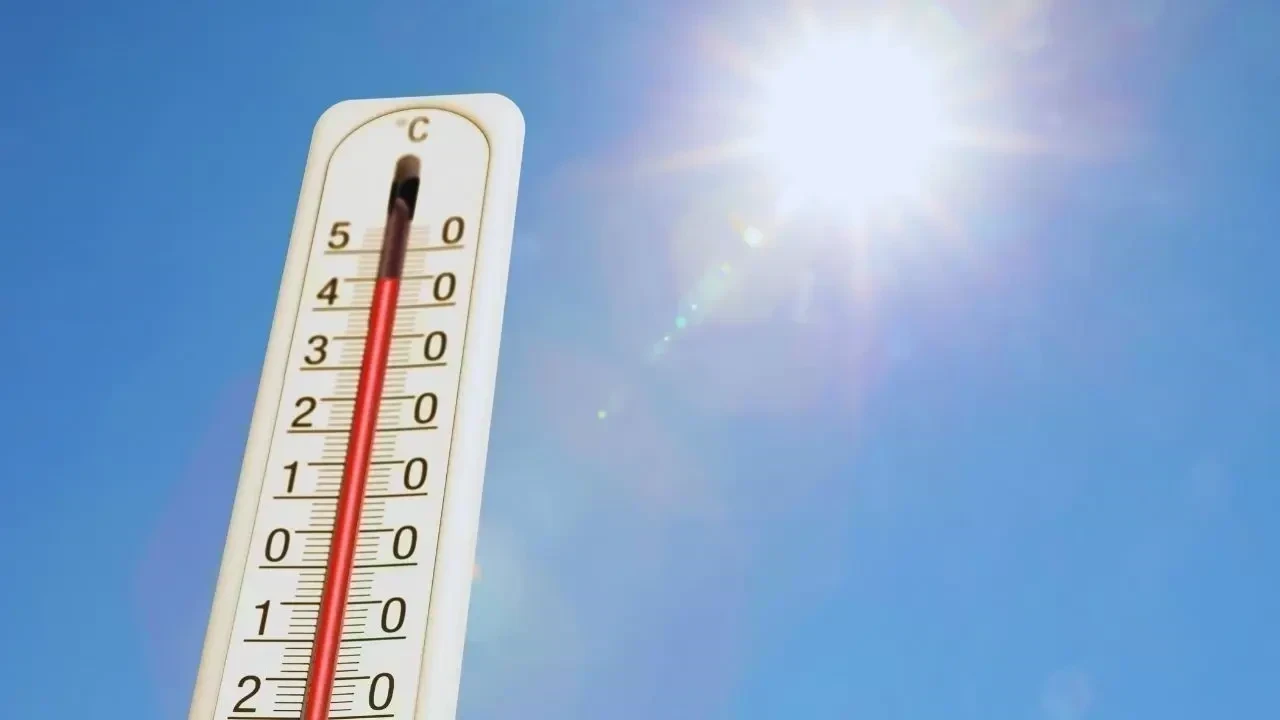
During summer months, cities in India often face extreme temperatures. High humidity turns hot air into a burning furnace. Hospitals witness increasing cases of dehydration, heat-related illnesses, and organ failure.
The most affected are usually the underprivileged.
Those who:
Labour outdoors
Live in makeshift homes
Share cramped living quarters
Lack air conditioning
are at the highest risk.
Urban areas heat up due to:
Replacing trees with buildings
Filling in water bodies
Reflective pavements
Restricted air movement
Pollution that traps heat
Heat no longer dissipates.
It builds up.
Possible actions include:
Installing reflective roofs
Tree planting initiatives
Restoring natural water bodies
Creating green corridors
Establishing cool areas
Implementing cool roofing in poorer locales
Designing urban parks
Setting up public water stations
Some cities have begun efforts in these areas.
However, scale is vital.
Minor initiatives aren't enough to counter significant climate pressures.
In numerous cities, water scarcity is commonplace.
Summers bring tanker supply, monsoons introduce contamination, and winters validate shortages.
Water systems were constructed under the assumption of:
Consistent rainfall
Clean waterways
Limited population growth
Abundant groundwater sources
None of these conditions hold today.
The reasons are straightforward:
Harvested rainwater is insufficient
Water bodies are encroached upon
Groundwater is severely overutilized
Waterways are contaminated
Leaking pipes waste significant resources
Water management remains reactive.
It's not proactive.
They might include:
Implementing rainwater collection systems
Advanced wastewater solutions
Reviving lakes and ponds
Recharging groundwater
Demand-driven pricing methodologies
Monitoring for leaks
Neglecting these areas guarantees further shortages.
Climate change and pollution are intricately linked.
In colder months, temperature patterns trap toxic air.
Transportation, industrial activities, and building projects emit pollutants.
Air struggles to rise.
It lingers.
Over urbanized areas.
Permeating lungs.
Unpredictable weather fosters:
Stagnant pockets of air
Dust storm occurrences
Smoke accumulation
Temperature inversions
When dusk descends, smog lingers.
It does not clear.
Air pollution:
Increases overall heat
Affects precipitation trends
Impacts sunlight retention
Endangers public health in perpetuity
Cities cannot disconnect pollution control from climate preparedness.
The two issues are intertwined.
Some cities have made progress:
Activated heat warning systems
Established cooling facilities
Promoted electric public transport
Integrated rainwater systems
Developed flood-response frameworks
Expanded public green areas
However, numerous cities still grapple with:
Resource limitations
Need for awareness
Governance challenges
Corruption issues
Political inertia
Documents exist.
Implementation is sometimes lacking.
Common causes include:
Budget constraints
Bureaucratic obstacles
Coordination lapses
Short-term political considerations
Misuse of land
Insufficient enforcement
Corruption issues
Cities are not lacking in knowledge.
They lack urgency.
Most residents encounter climate policy failure through:
Traffic jams during rainfall
Restless nights in extreme heat
Dry taps in the mornings
Urgent hospital visits
Overflowing refuse
Contaminated drinking water
The consequences of climate failure are felt daily.
They aren’t mere theories.
Technology alone won't rectify flawed plans.
However, it can assist.
Cities are increasingly utilizing:
Flood detection devices
Weather prediction technology
Satellite imagery
Smart water measurement
Pollution level trackers
Data analysis models
Yet, technology without governance lacks purpose.
When coupled with action, it strengthens initiatives.
Active participation in urban resilience is essential.
Citizens must:
Champions of green spaces
Report illegal developments
Protect natural waterways
Engage in community planning
Promote water conservation practices
Minimize waste generation
Hold elected officials accountable
Resilience begins at home.
But it must resonate through city governance.
The journey towards urban climate resilience is urgent.
In ten years:
Cities will have to determine whether to:
Adapt and thrive
or
Ignore and endure
Today’s choices will mold safety, comfort, and survival for millions in the future.
Climate adversities are now foreseeable.
Only readiness remains unpredictable.
Indian urban areas can still change course.
But this won't happen through paperwork.
Or by mere announcements.
Nor through budget delays.
Their salvation will rely on:
Bold leadership
Transparent planning
Active community involvement
Equitable environmental policy
Long-range strategizing
Cities are more than just structures.
They embody humanity.
And communities cannot overcome future climatic challenges with outdated infrastructures.
Adaptation is not optional.
It is crucial for survival.
This article is intended for informational purposes only. It does not advocate specific environmental, legal, or policy decisions. Readers are encouraged to consult relevant experts or local authorities for advice regarding climate planning and urban development.

Inferno Engulfs 4,000 Acres in California
California's wildfire forces evacuations amid strong winds and extreme heat, creating hazardous cond
Interest Grows in ₹500 Biogas Cylinder Offer
The intriguing ₹500 gobar gas cylinder claim prompts interest in biogas as a cheaper, eco-friendly e

Surge in Electric Truck Sales in China Amid Energy Challenges
China's electric truck sales are spiking due to rising fuel prices and global tensions, leading to a
Tragic Road Crash Claims Life in Taungoo
A fatal collision between a truck and a motorcycle in Taungoo has left a 23-year-old man dead, spotl
Tragic Loss of Civilians Amid Heavy Shelling in Myanmar
Heavy weapon attacks in Myanmar have resulted in civilian casualties, sparking major concerns over s

Sri Lanka Unveils National QR Payment Initiative
Sri Lanka introduces a national QR payment initiative, eliminating fees for small transactions to en
Sri Lanka Enlists Belarus for Transport Enhancement
Sri Lanka seeks Belarusian assistance to elevate transport systems and foster bilateral ties in tech


UAE Art Show in Seoul Challenges Stereotypes
Exhibition in Seoul highlights diverse UAE art, moving beyond luxury stereotypes to explore identity

Starbucks Strikes Major Partnership for China Growth
Starbucks teams with Boyu Capital, selling a majority stake in China unit to ramp up store growth an

Couple Among Three Charged in Massive Meth Trafficking Case in Malaysia
Three charged in Malaysia for trafficking 510kg of meth; if convicted, they could face severe penalt
Murder Suspect Returns to Geylang Crime Scene for Investigation
Singapore police revisit Geylang as a 48-year-old suspect faces charges in the fatal stabbing of a 7
NASA Launches Artemis II Crew for 10-Day Lunar Mission
NASA launches Artemis II with four astronauts for a 10-day Moon mission, marking the first crewed lu

Dubai RTA, Ministry Partner for Family First Programme
Dubai RTA and Ministry of Family partner to enhance transport, urban spaces, and services under Fami

Bank of Baroda Faces Abu Dhabi Legal Battle over NMC Collapse
Bank of Baroda’s involvement in Abu Dhabi litigation tied to the NMC Healthcare collapse raises repu
Top Museum Openings of 2026 Set to Transform Global Tourism
From Los Angeles to Abu Dhabi and Brussels, 2026 brings major museum launches—Lucas Museum, Guggenhe