Post by : Bianca Qureshi
The World Anti-Doping Agency (WADA) is considering new rules that could prevent President Donald Trump and other U.S. government officials from attending the 2028 Los Angeles Olympics. The proposal could also have implications for the U.S.-hosted FIFA World Cup this summer and will be discussed at WADA’s executive committee meeting next Tuesday.
This move comes after years of the U.S. government refusing to pay its annual dues to WADA. The U.S. protests are part of a bipartisan effort criticizing WADA’s handling of cases involving Chinese swimmers and other issues.
WADA spokesman James Fitzgerald said discussions about governments withholding funding have been ongoing since 2020 and are not directly linked to the U.S.
The proposal was first introduced in 2024 but was blocked after U.S. authorities lobbied against it. The U.S. has since lost its seat on WADA’s executive committee. Sara Carter, director of the U.S. Office of National Drug Control Policy (ONDCP), defended the U.S. stance, saying, “We continue to stand firm in our demand for accountability and transparency from WADA to ensure fair competition in sport.”
Experts have questioned the enforceability of such a rule. Rahul Gupta, Carter’s predecessor, said, “How are you going to enforce it? Are they going to post a red notice from Interpol? It’s ludicrous.”
WADA clarified that any new rule would not apply retroactively, meaning events like this year’s FIFA World Cup or future Olympics in LA would not be affected. A final decision rests with WADA’s Foundation Board, whose next meeting is in November.
The draft proposal would apply to governments that fail to pay dues by January 31 of the year after billing. The U.S. has not paid its dues since 2023, amounting to roughly $7.3 million over two years. Extreme sanctions in the proposal include barring government representatives from major international events, including the Olympics and World Championships.
WADA’s 2025 budget is $57.5 million, funded half by the International Olympic Committee and half by governments, with contributions based on team size. The U.S. has historically been a major contributor.
Tensions trace back to the Trump administration and concerns over WADA’s handling of Russian doping cases before the 2014 Sochi Olympics. In 2024, WADA allowed 23 Chinese swimmers to compete at the Paris Olympics despite testing positive, citing accidental contamination.
The U.S. has withheld payments until WADA agrees to an independent audit. WADA says the new initiative is aimed at securing its funding to protect clean sport, emphasizing that athletes ultimately suffer if funding is cut.
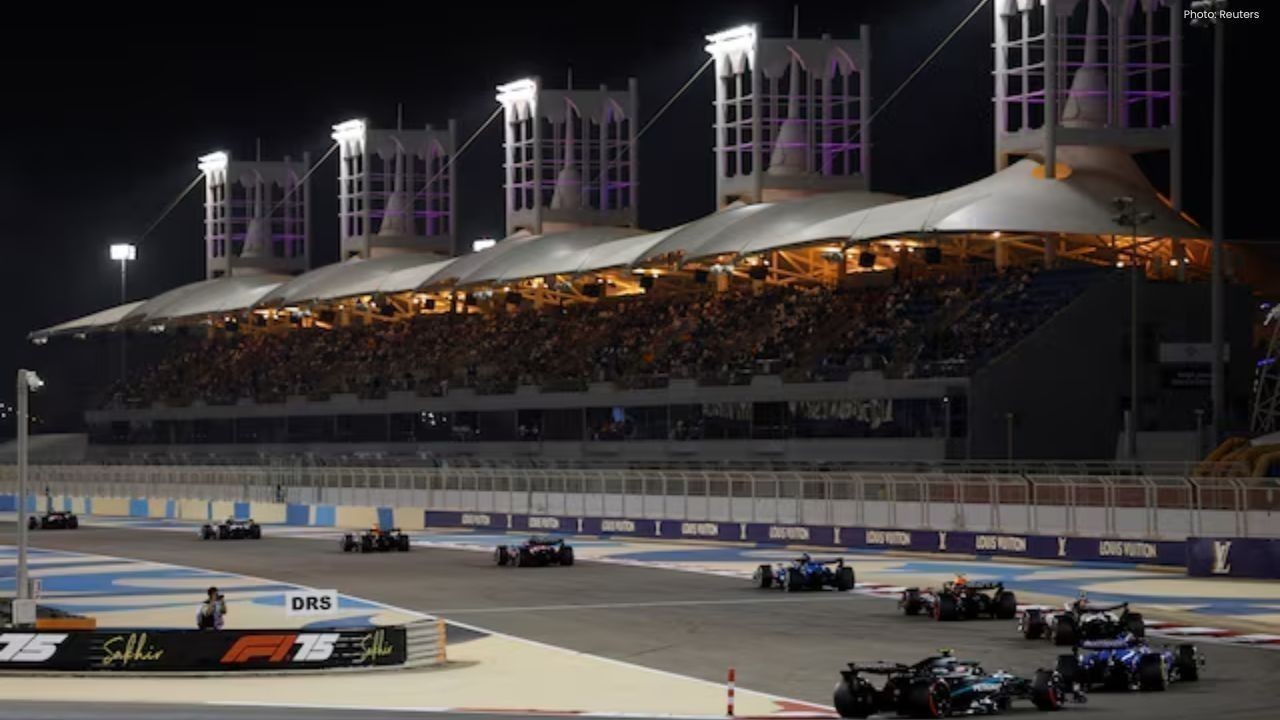
Bahrain & Saudi F1 Races Cancelled Amid Middle East Conflict
F1 cancels Bahrain and Saudi Grands Prix due to Middle East tensions, cutting the season to 22 races
Revolution Wind Starts Power Supply to New England Homes
Revolution Wind, halted under Trump, begins sending clean energy to New England, powering 350,000 ho

WADA May Bar Trump, US Officials from 2028 LA Olympics
WADA considers new rules that could block Trump and US officials from LA 2028 Olympics over unpaid d

Tshepo Balozwi’s Journey of Resilience and Starting Again in Dubaiz
From career advocate to starting again in Dubai, Tshepo Balozwi’s journey shows resilience, humility
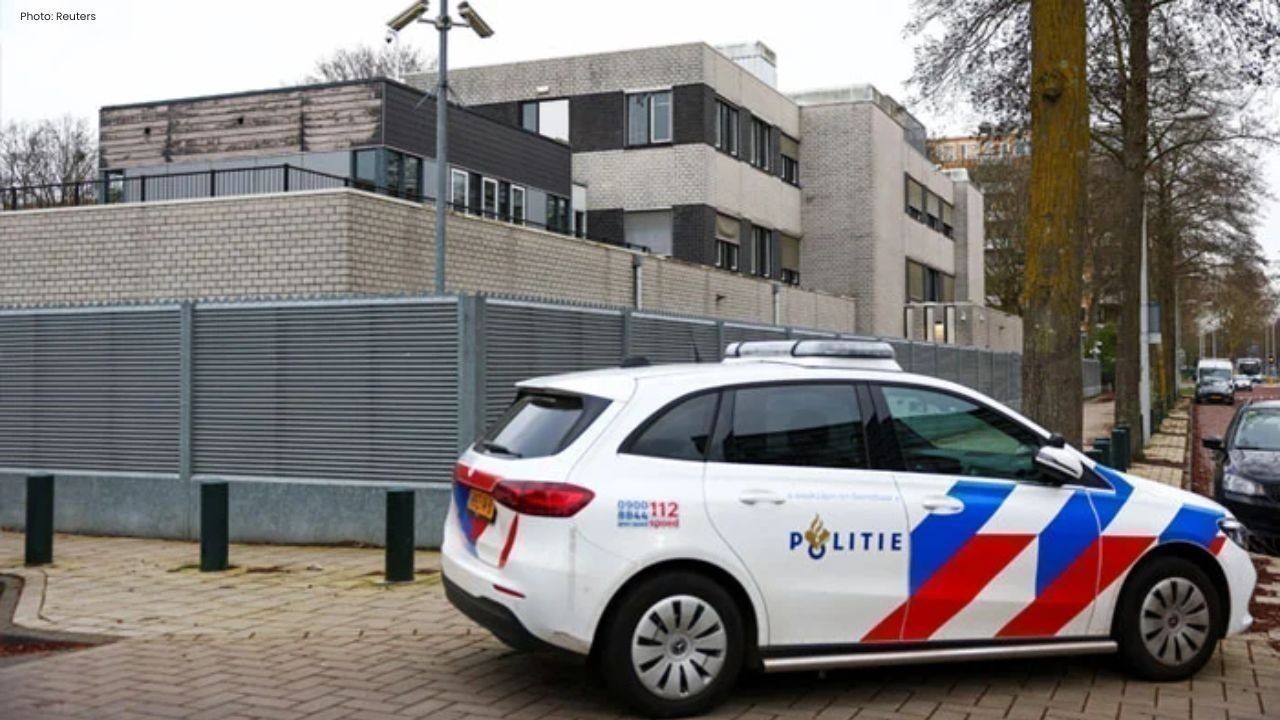
Explosion Targets Jewish School Wall in Amsterdam
An overnight blast hit the outer wall of a Jewish school in Amsterdam. No injuries were reported. Po

Ghaitah Al Ain Festival 2026 to Celebrate Eid with Family Fun
Ghaitah Al Ain Festival returns from March 20–27, 2026 at ADNEC Al Ain Centre with live shows, famil
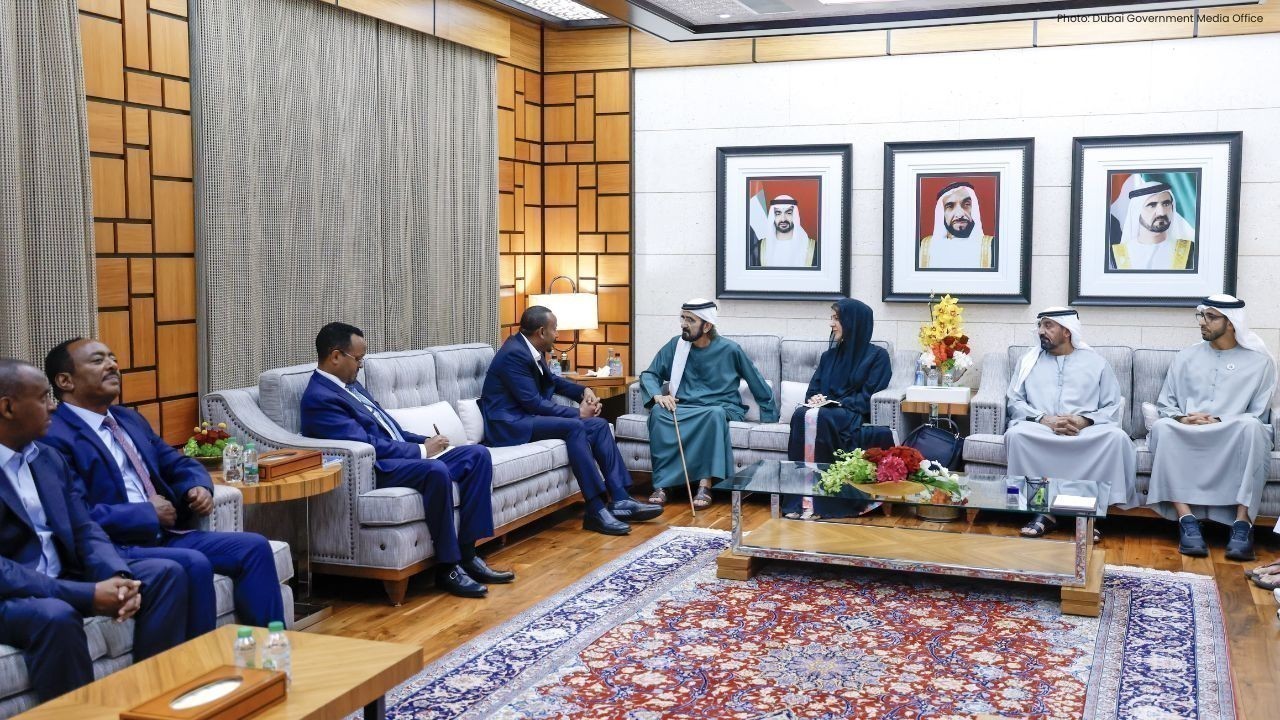
UAE, Ethiopia Leaders Boost Trade, Security Cooperation
Mohammed bin Rashid Al Maktoum meets Abiy Ahmed in the UAE to strengthen trade, investment and touri


Bank of Baroda Faces Abu Dhabi Legal Battle over NMC Collapse
Bank of Baroda’s involvement in Abu Dhabi litigation tied to the NMC Healthcare collapse raises repu

Top Museum Openings of 2026 Set to Transform Global Tourism
From Los Angeles to Abu Dhabi and Brussels, 2026 brings major museum launches—Lucas Museum, Guggenhe

UAE Tour Highlights UAE’s Strength in Hosting Global Sports Events
Abu Dhabi Sports Council says the successful UAE Tour reflects the UAE’s leading role in hosting maj
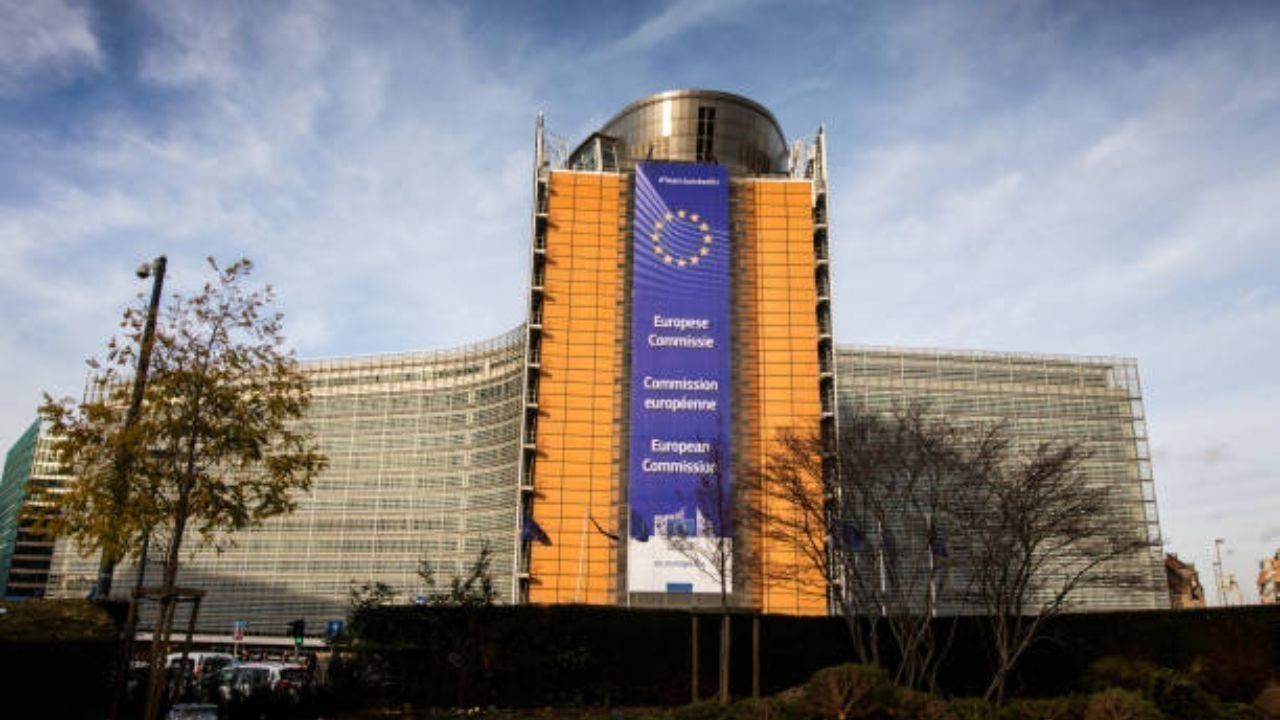
EU Seeks Clarity from US After Supreme Court IEEPA Ruling
European Commission urges full transparency from the US on steps after Supreme Court ruling, emphasi
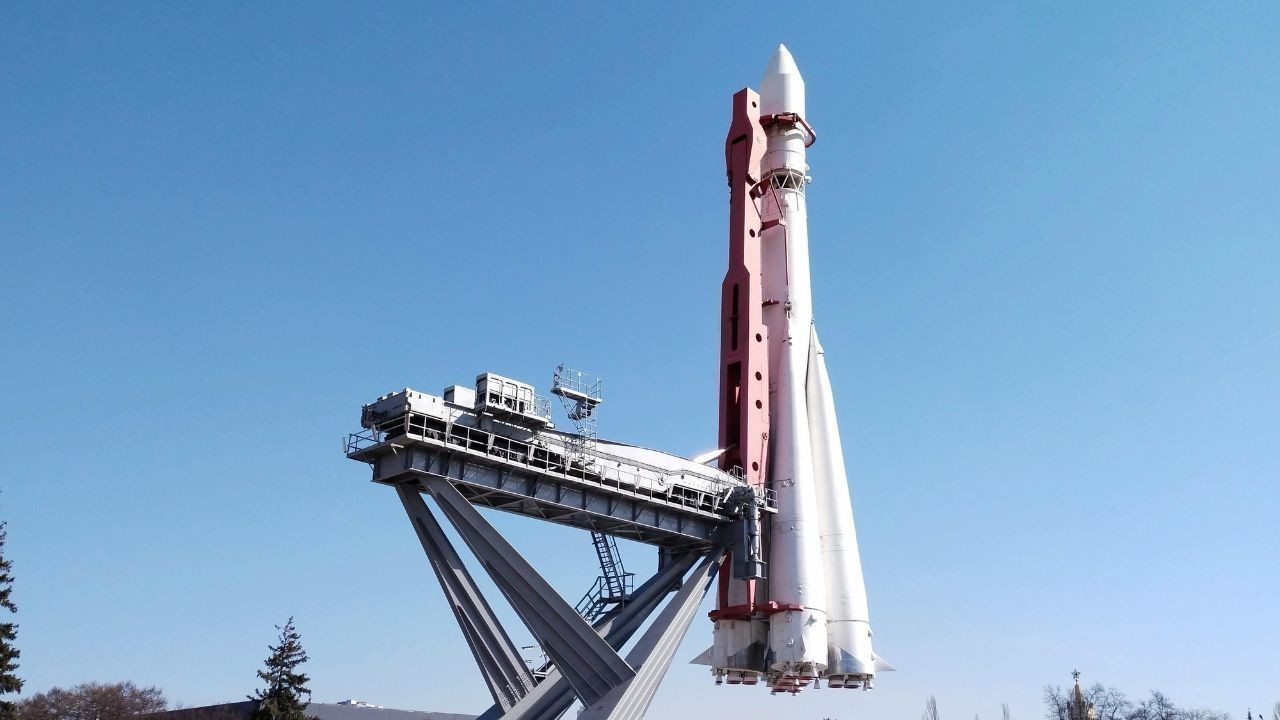
SpaceX Launches 53 New Satellites for Expanding Starlink Network
SpaceX launches 53 Starlink satellites in two Falcon 9 missions, breaking reuse records and expandin
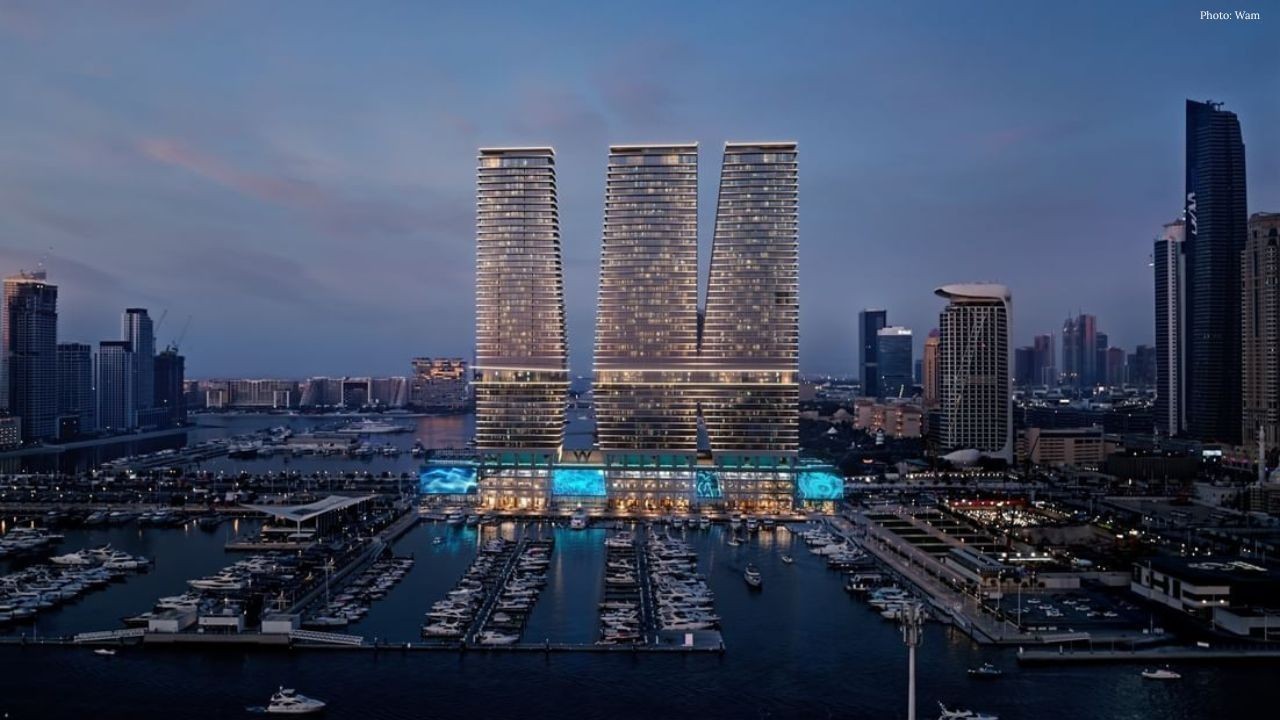
RTA Awards Contract for Phase II of Hessa Street Upgrade in Dubai
Phase II of Hessa Street Development to add bridges, tunnel, and upgraded intersections, doubling ca

UAE Gold Prices Today, Monday 16 February 2026: Dubai & Abu Dhabi Updated Rates
Gold prices in UAE on 16 Feb 2026 updated: 24K around AED 599.75/gm, 22K AED 555.25/gm, and 18K AED
Over 25 Ahmedabad Schools Receive Bomb Threat Email, Authorities Investigate
More than 25 schools in Ahmedabad evacuated after bomb threat emails mentioning Khalistan. Authoriti