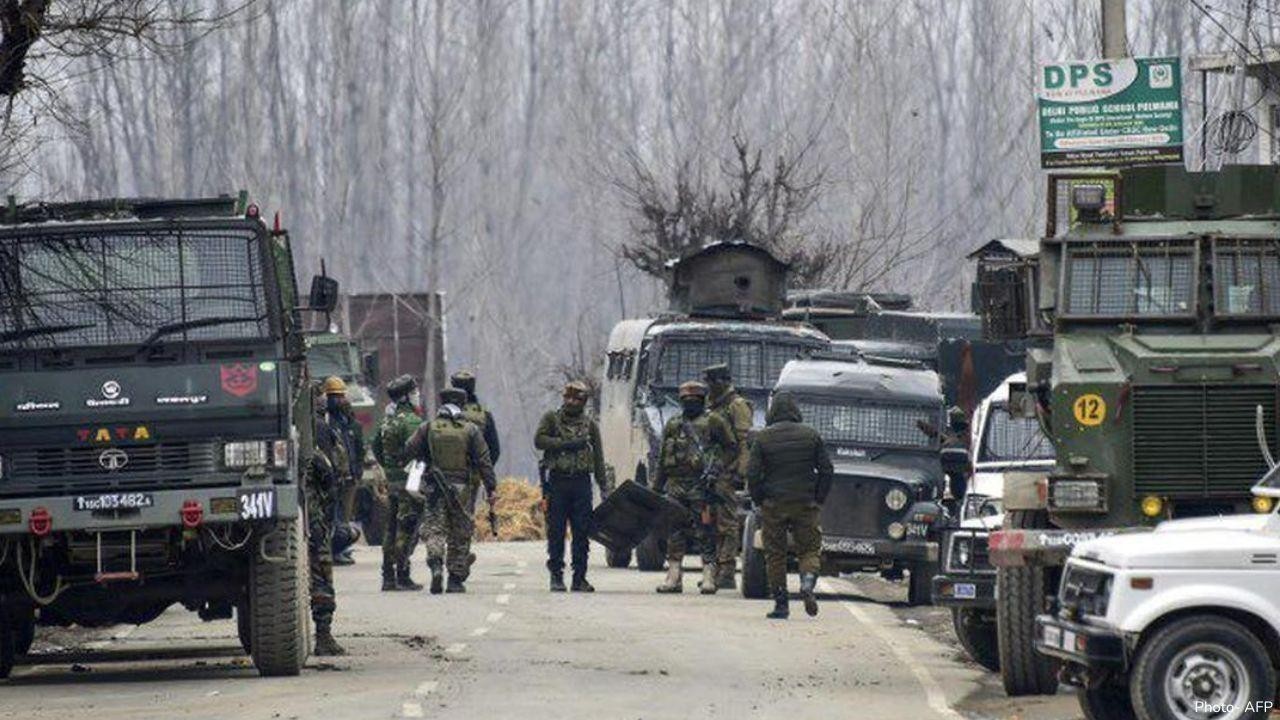
Post by : Zayd Kamal
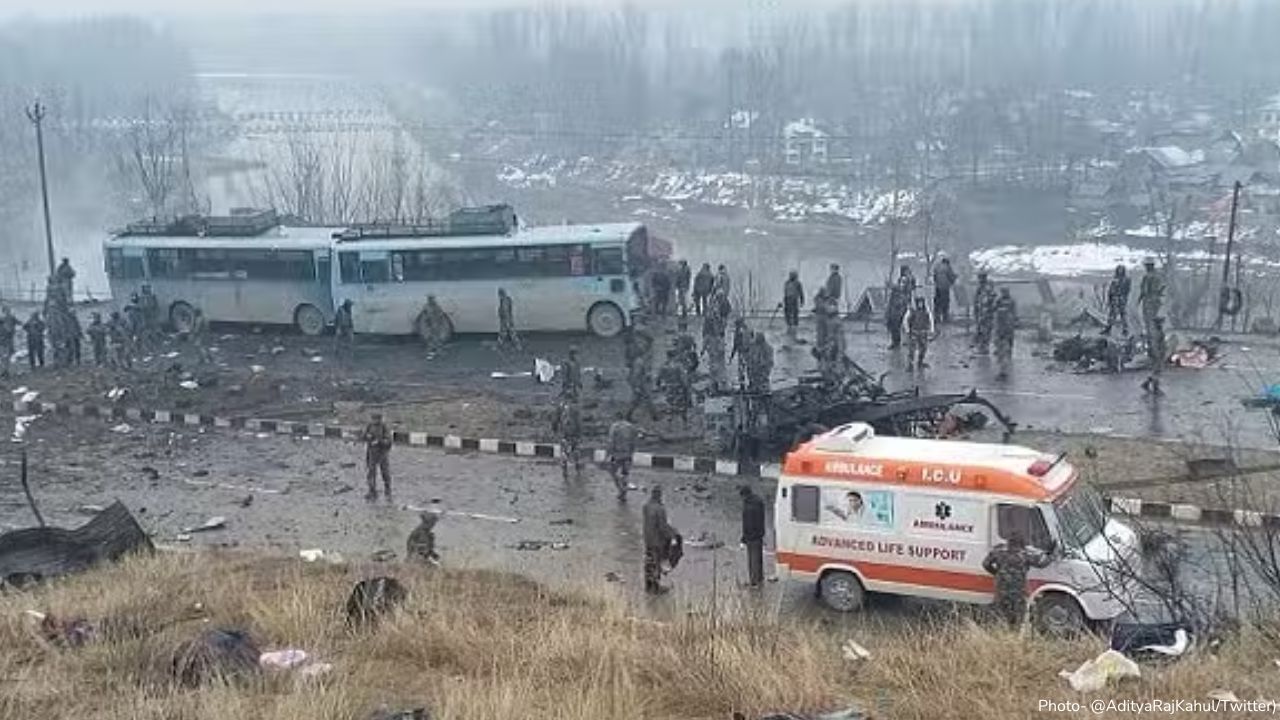
On February 14, 2019, one of the deadliest terrorist attacks in India's history occurred in Pulwama, Jammu and Kashmir. A suicide bomber affiliated with the Pakistan-based terrorist group Jaish-e-Mohammed (JeM) rammed an explosive-laden vehicle into a convoy of Central Reserve Police Force (CRPF) personnel traveling on the Srinagar-Jammu National Highway. The explosion was immense, instantly killing 40 CRPF jawans and leaving many others critically wounded.
The attack was later claimed by Jaish-e-Mohammed, a terrorist group known for carrying out attacks in India. The suicide bomber was identified as Adil Ahmad Dar, a local Kashmiri youth who had reportedly been radicalized and recruited by the terror outfit. Following the attack, tensions between India and Pakistan escalated, leading to a series of diplomatic and military confrontations, including the Balakot airstrike, where the Indian Air Force targeted a JeM training camp in Pakistan.
The Pulwama attack sparked global condemnation, with several countries supporting India in its fight against terrorism. The Indian government also took strong measures, including revoking Pakistan’s Most Favored Nation (MFN) trade status, increasing military operations in Kashmir, and pressuring international bodies like the Financial Action Task Force (FATF) to take action against Pakistan for harboring terrorist organizations.
The Pulwama Attack occurred on February 14, 2019, in Jammu and Kashmir, India. A suicide bomber rammed an SUV filled with explosives into a convoy carrying Central Reserve Police Force (CRPF) personnel on the Srinagar-Jammu National Highway near Lethpora, Pulwama district. The massive explosion resulted in the tragic deaths of 40 CRPF soldiers, making it one of the deadliest terror attacks in Kashmir’s history. Many others sustained severe injuries.
The Pakistan-based terrorist group Jaish-e-Mohammed (JeM), a UN-designated terrorist organization, claimed responsibility for the attack. The suicide bomber was identified as Adil Ahmad Dar, a local Kashmiri militant affiliated with JeM. This attack significantly escalated tensions between India and Pakistan, leading to India's retaliatory Balakot airstrikes on February 26, 2019, targeting JeM training camps in Pakistan.
The Pulwama attack intensified diplomatic and military confrontations between the two nations, with India accusing Pakistan of harboring terrorists. In response, Pakistan denied involvement and called for de-escalation. The attack also led to widespread international condemnation, with countries worldwide expressing solidarity with India.
The Pulwama Attack was a devastating terrorist incident that occurred on February 14, 2019, in Jammu and Kashmir, India. A convoy of Indian paramilitary personnel, specifically from the Central Reserve Police Force (CRPF), was attacked by a suicide bomber affiliated with the terrorist group Jaish-e-Mohammed (JeM). The attack resulted in the tragic loss of 40 CRPF soldiers, making it one of the deadliest terror attacks on Indian security forces in recent history.
The attack deeply impacted the entire nation, with citizens from different backgrounds mourning the martyrs and showing support for their families. There was a massive outpouring of grief, anger, and patriotism across India. People took part in candlelight vigils, demonstrations, and social media campaigns to honor the fallen soldiers. Various organizations and individuals offered financial assistance to the families of the deceased, while political leaders, celebrities, and common citizens condemned the attack in strong words.
The Indian government reacted swiftly and firmly in multiple ways:
Diplomatic Pressure on Pakistan: India strongly blamed Pakistan for harboring and supporting terrorist groups like Jaish-e-Mohammed, which claimed responsibility for the attack. Within days, India launched a global diplomatic offensive, urging major international powers such as the United States, France, and the United Kingdom to pressure Pakistan to act against terrorism.
Revoking Pakistan’s "Most Favored Nation" (MFN) Status:
Global Isolation of Pakistan: India worked actively to isolate Pakistan on the international stage, ensuring that global organizations like the United Nations (UN) and Financial Action Task Force (FATF) (which monitors terror financing) took stronger action against Pakistan. This resulted in Pakistan being put on the FATF "Grey List," increasing pressure on it to act against terrorist groups operating from its soil.
The Balakot Airstrike was a significant event in India's counter-terrorism history, occurring just 12 days after the Pulwama Attack on February 14, 2019. The Pulwama attack was a deadly suicide bombing carried out by the Pakistan-based terror group Jaish-e-Mohammed (JeM), in which 40 Indian paramilitary personnel (CRPF jawans) lost their lives.
In response to this brutal attack, the Indian Air Force (IAF) launched a pre-dawn airstrike on February 26, 2019, targeting JeM's terror training camps located in Balakot, Pakistan. This was a carefully planned covert military operation, conducted by a fleet of Mirage 2000 fighter jets that crossed the Line of Control (LoC) and struck terror infrastructure deep inside Pakistan’s territory.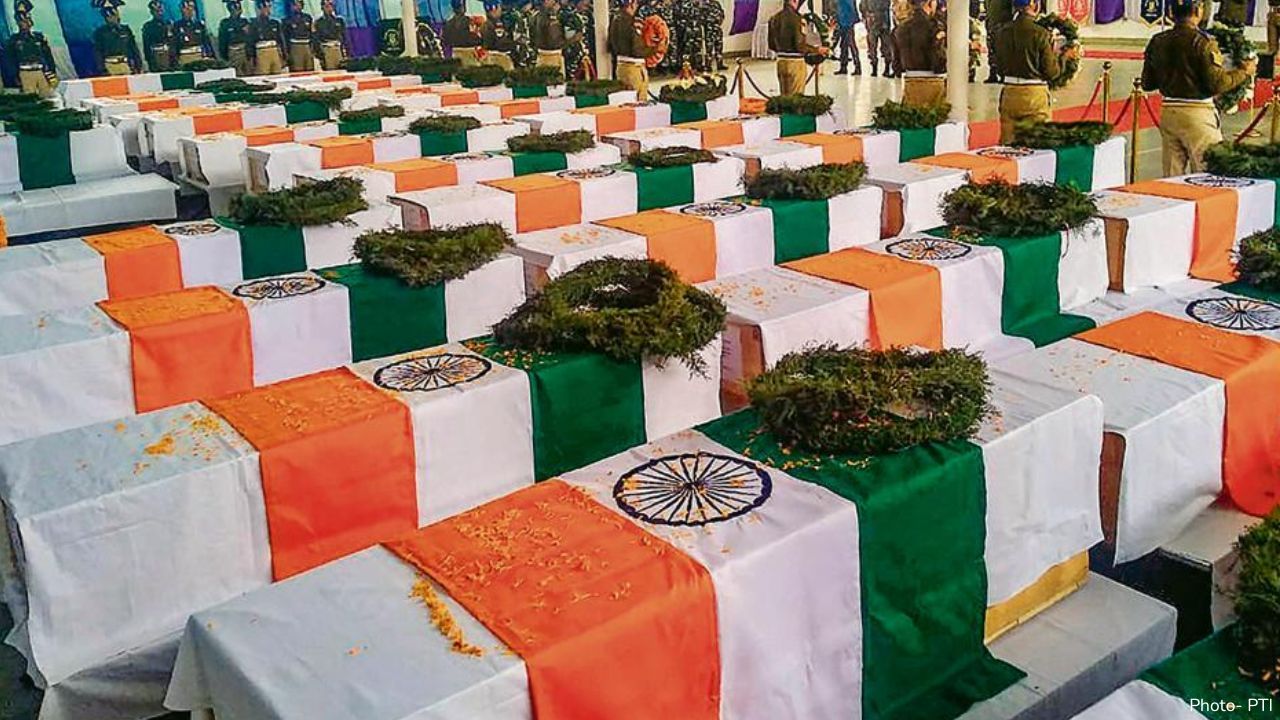
The operation was aimed at destroying JeM’s largest terror training facility, which was allegedly used to train militants for attacks on India. The airstrike was India’s first aerial assault across the LoC since the 1971 Indo-Pak war, making it a landmark event.
The success of the Balakot Airstrike demonstrated India’s strong stance against terrorism and its willingness to take bold and decisive military action. It sent a clear message that India would not hesitate to act against terror groups operating from Pakistani soil. The airstrike was widely seen as a strategic and political victory, boosting national morale and showcasing India's military capabilities.
Pakistan initially denied any significant damage, but later reports, including satellite imagery, suggested that the airstrike had indeed hit key terror infrastructure. The event also led to heightened tensions between India and Pakistan, culminating in an aerial dogfight on February 27, 2019, where Indian pilot Wing Commander Abhinandan Varthaman was captured by Pakistan and later released as a goodwill gesture.
Every year on February 14, India solemnly observes the anniversary of the Pulwama Attack, a tragic event that claimed the lives of 40 Central Reserve Police Force (CRPF) personnel in 2019. The attack, carried out by a suicide bomber in Jammu and Kashmir's Pulwama district, remains one of the deadliest assaults on Indian security forces in recent history.
To honor the supreme sacrifice of these brave soldiers, memorial services and tributes are held across the country. Government officials, military personnel, and citizens gather at various locations, including war memorials, army camps, and educational institutions, to pay their respects. Special ceremonies often include wreath-laying events, candlelight vigils, and moments of silence dedicated to the fallen heroes.
The Indian government and the armed forces continue to provide unwavering support to the families of the martyrs. Various welfare schemes have been introduced to assist them, ensuring financial security and stability. These include pension benefits, insurance schemes, and job opportunities for family members of the deceased soldiers.
Additionally, several educational initiatives have been launched to help the children of martyrs pursue their studies. Scholarship programs, educational grants, and financial aid ensure that their children receive quality education and opportunities for a better future.
Beyond governmental efforts, citizens, social organizations, and NGOs also contribute by organizing fundraising events, awareness campaigns, and charity drives to support the families of the Pulwama martyrs. This collective effort reflects the nation’s deep gratitude and unwavering commitment to remembering the sacrifices of these brave souls.
Each year, as the nation marks February 14, it serves as a reminder of the courage and dedication of those who laid down their lives for the country, reinforcing the message that their contributions will never be forgotten.
The attack led to a strong international response. Major world powers such as the United States, France, Russia, and the United Kingdom condemned the attack and expressed solidarity with India. These nations reiterated the importance of global cooperation in the fight against terrorism and called for stricter measures against terrorist organizations operating in the region.
As a result of the attack and India's diplomatic efforts, Masood Azhar, the founder and leader of Jaish-e-Mohammed, was designated as a global terrorist by the United Nations Security Council (UNSC) on May 1, 2019. This designation meant that:
This move was a significant diplomatic victory for India, as it had been pushing for Masood Azhar's designation for years. However, earlier attempts had been blocked by China, a permanent UNSC member, which had vetoed the proposal multiple times. After the Pulwama attack, international pressure mounted, leading China to withdraw its opposition, enabling Azhar's designation as a global terrorist.
The Pulwama Attack not only united India in its resolve against terrorism but also strengthened India's diplomatic ties with key global powers in the fight against terrorism. It also heightened tensions between India and Pakistan, leading to retaliatory airstrikes by India in Balakot, Pakistan.
The Pulwama Attack was a grim reminder of the persistent threat of terrorism. However, it also reinforced India's commitment to strengthening national security. Since 2019, India has ramped up its counter-terrorism measures, improving intelligence-sharing, border security, and defense strategies.
The government has also taken steps to modernize the armed forces, enhance surveillance technology, and prevent such attacks in the future. The incident highlighted the importance of unity, resilience, and the need for a strong stance against terrorism
On 14th February 2019, India witnessed one of its deadliest terror attacks when a suicide bomber targeted a CRPF convoy in Pulwama, Jammu and Kashmir, killing 40 soldiers. The Pakistan-based terror group Jaish-e-Mohammed (JeM) claimed responsibility, escalating tensions between India and Pakistan. The attack led to widespread grief and national unity, prompting the Indian government to take diplomatic and economic measures against Pakistan.
In response, India conducted the Balakot Airstrike on 26th February 2019, targeting terror camps in Pakistan. The incident reinforced India's counter-terrorism stance, leading to international condemnation of JeM. Nations like the US, UK, France, and Russia supported India, and Masood Azhar, JeM’s chief, was later designated as a global terrorist by the United Nations Security Council (UNSC).
Each year, India honors the martyrs of Pulwama, ensuring their sacrifice is never forgotten. The attack highlighted the need for enhanced national security, counter-terrorism strategies, and global cooperation against terrorism.
This article is intended for informational purposes only. DXB News Network aims to provide accurate, fact-based reporting on significant events. Readers are encouraged to refer to official sources and government statements for the latest updates on national security and counter-terrorism measures.
7.4 Quake Hits Indonesia, Tsunami Waves Recorded
A 7.4 magnitude earthquake off Indonesia triggered small tsunami waves, killing one person and damag
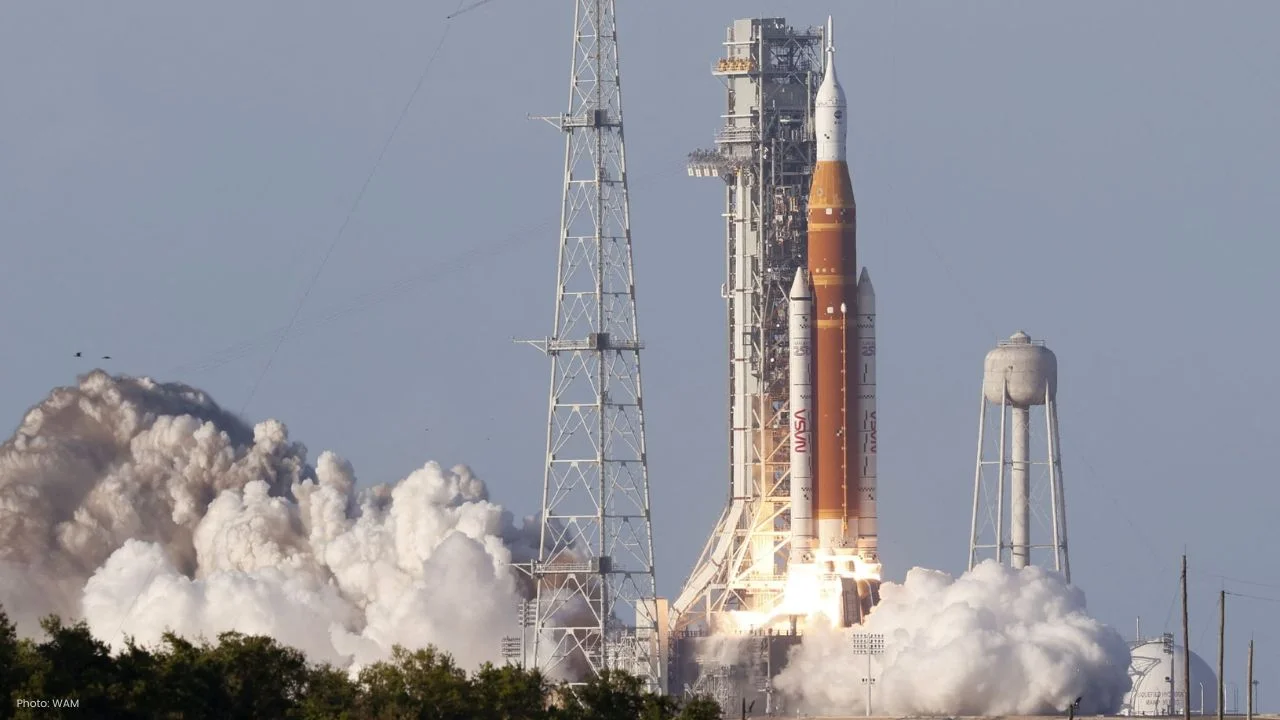
NASA Launches Artemis II Crew for 10-Day Lunar Mission
NASA launches Artemis II with four astronauts for a 10-day Moon mission, marking the first crewed lu
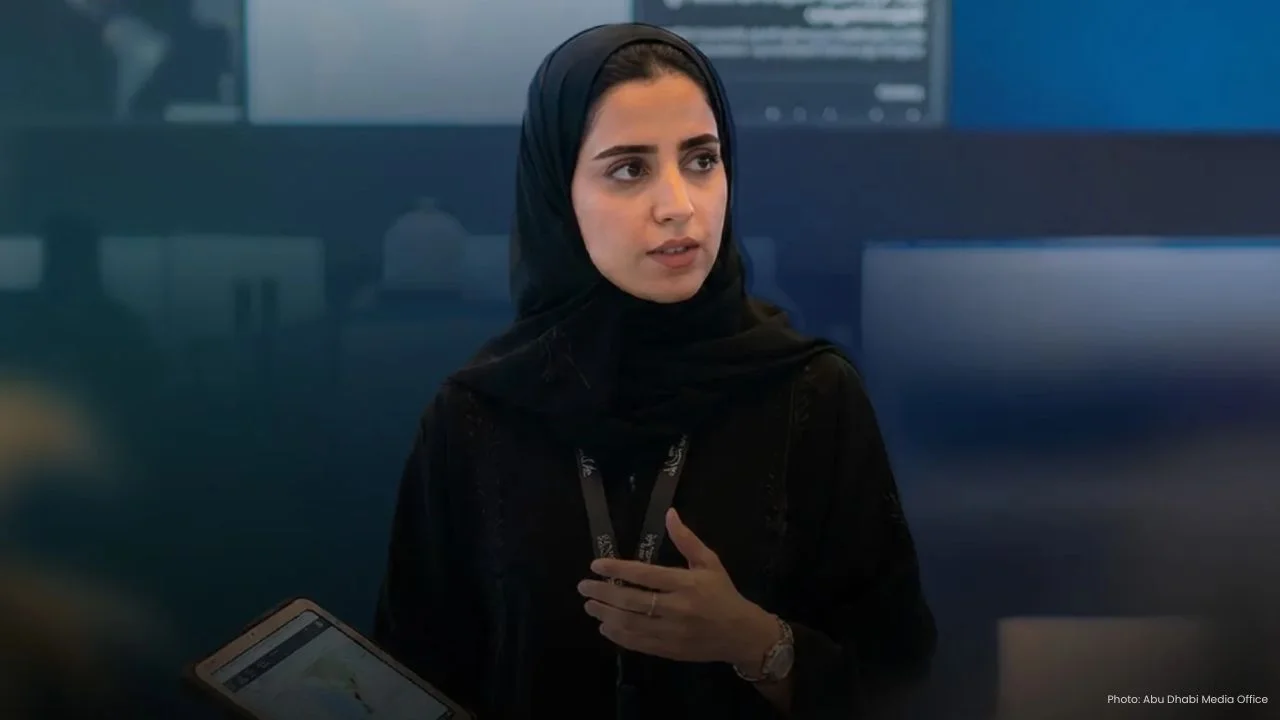
Abu Dhabi Launches Youth Emergency Response Initiative
Abu Dhabi launches youth emergency initiative to boost preparedness, train young talent, and strengt
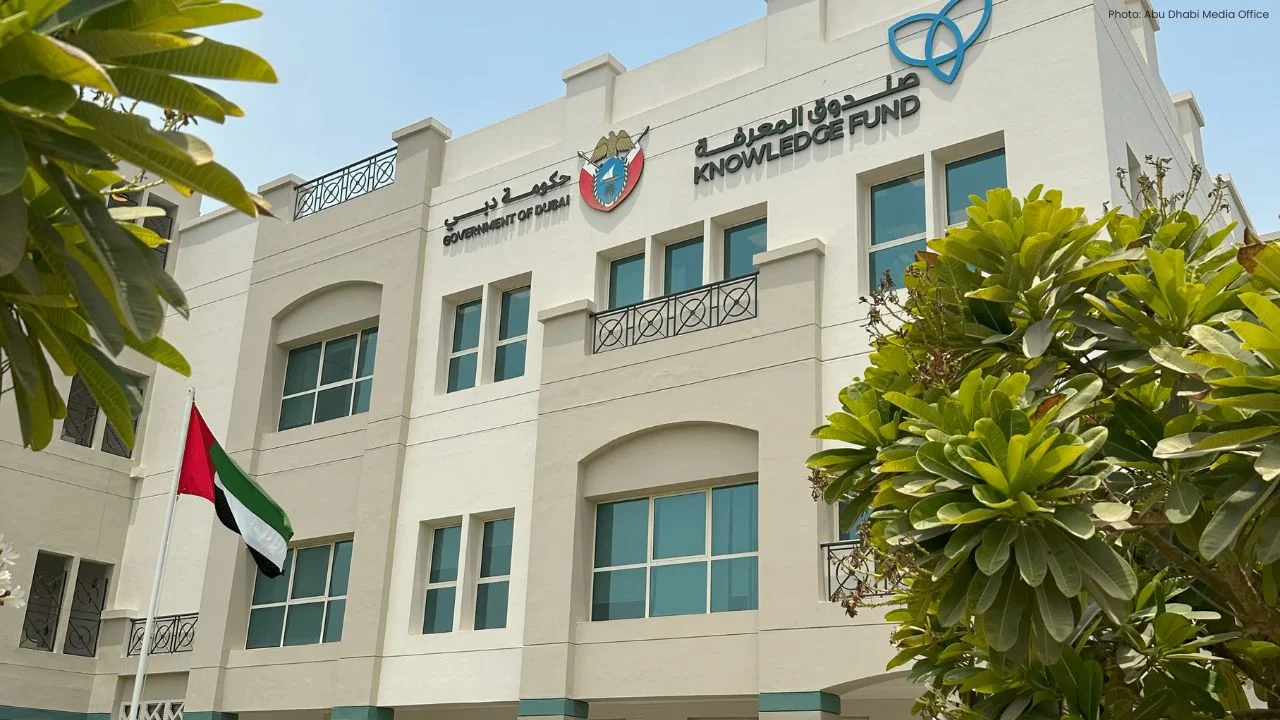
Dubai KFE Unveils 2026–2028 Knowledge Economy Plan
Dubai’s KFE launches 2026–2028 plan to expand education, create 35,000 seats, boost talent, and buil
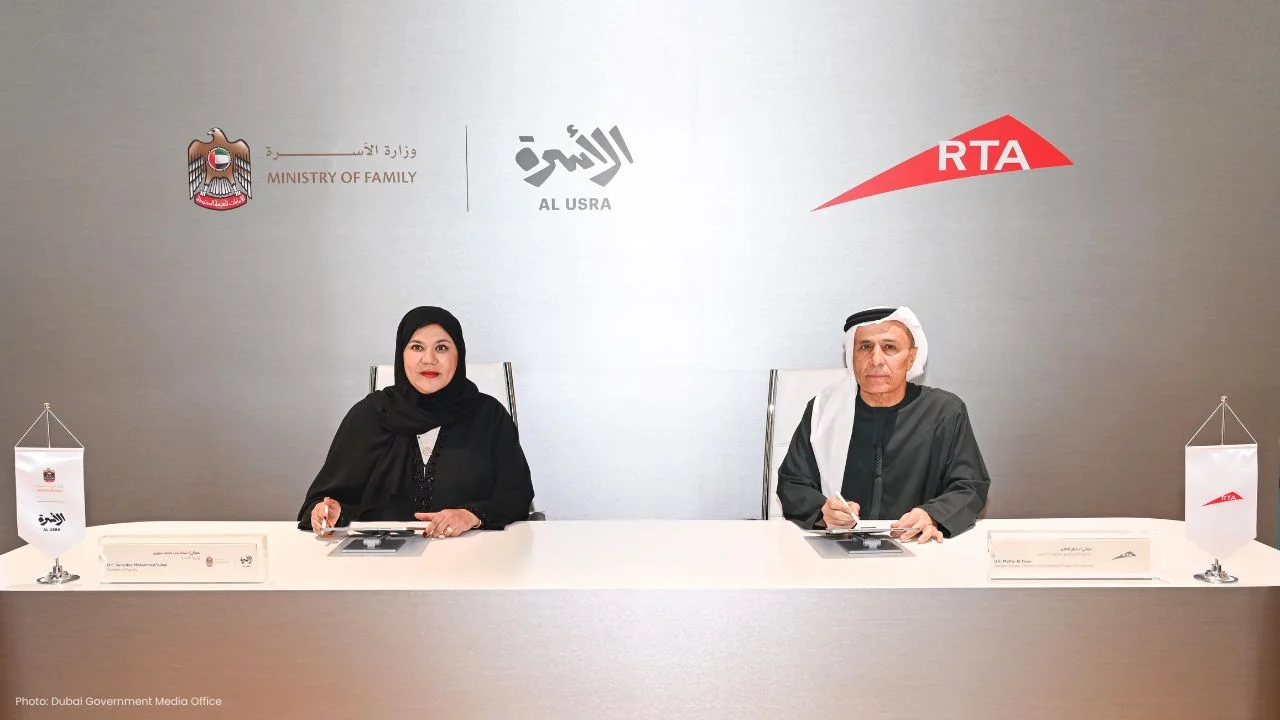
Dubai RTA, Ministry Partner for Family First Programme
Dubai RTA and Ministry of Family partner to enhance transport, urban spaces, and services under Fami
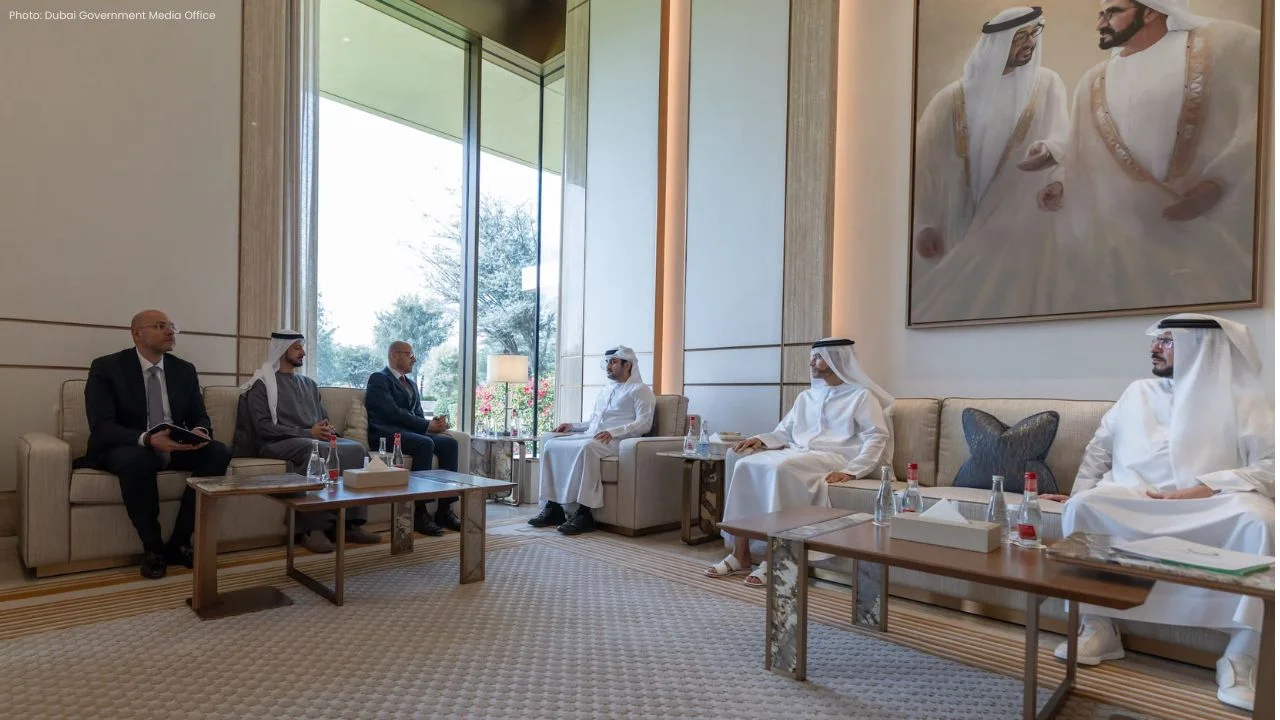
Dubai Strengthens Clean Energy Ties with Siemens Energy
Dubai leaders met Siemens Energy CEO to boost clean energy ties and accelerate low-carbon transition

Dubai Launches Commercial Driverless Taxis with Apollo Go
Dubai Taxi Company partners with Baidu’s Apollo Go to launch driverless taxis, advancing Dubai’s sma

NASA Launches Artemis II Crew for 10-Day Lunar Mission
NASA launches Artemis II with four astronauts for a 10-day Moon mission, marking the first crewed lu
Dubai RTA, Ministry Partner for Family First Programme
Dubai RTA and Ministry of Family partner to enhance transport, urban spaces, and services under Fami

Bank of Baroda Faces Abu Dhabi Legal Battle over NMC Collapse
Bank of Baroda’s involvement in Abu Dhabi litigation tied to the NMC Healthcare collapse raises repu

Top Museum Openings of 2026 Set to Transform Global Tourism
From Los Angeles to Abu Dhabi and Brussels, 2026 brings major museum launches—Lucas Museum, Guggenhe

UAE Tour Highlights UAE’s Strength in Hosting Global Sports Events
Abu Dhabi Sports Council says the successful UAE Tour reflects the UAE’s leading role in hosting maj
EU Seeks Clarity from US After Supreme Court IEEPA Ruling
European Commission urges full transparency from the US on steps after Supreme Court ruling, emphasi
SpaceX Launches 53 New Satellites for Expanding Starlink Network
SpaceX launches 53 Starlink satellites in two Falcon 9 missions, breaking reuse records and expandin

RTA Awards Contract for Phase II of Hessa Street Upgrade in Dubai
Phase II of Hessa Street Development to add bridges, tunnel, and upgraded intersections, doubling ca