Post by : Zayd Kamal
The history of the last century has been deeply marked by major wars and conflicts in the last 100 years. These wars, both large and small, have reshaped the world in unimaginable ways, leaving lasting impacts on politics, economies, and societies. From the devastation of the World Wars to the complexity of internal civil wars, the 20th and 21st centuries have been characterized by the global struggle for power, independence, and survival. Understanding these conflicts is essential to understanding the modern world and the lessons they offer for future generations.
When we think of major wars and conflicts in the last 100 years, the two World Wars are the most prominent. World War I (1914-1918) and World War II (1939-1945) were not only the largest military conflicts in history but also the most destructive.
World War I, often referred to as "The Great War," began in 1914 and involved many of the world's most powerful nations. The causes of the war were complex, involving nationalism, imperialism, militarism, and alliances between countries. The war led to massive loss of life, new technological advancements in warfare, and a reordering of the global political landscape. The aftermath of World War I resulted in the collapse of empires like the Austro-Hungarian, Ottoman, Russian, and German Empires, leading to the creation of new countries and political systems.
World War II was even more catastrophic than its predecessor. It started in 1939 and lasted until 1945, involving nations from every continent. The primary causes of the war were the unresolved issues from World War I, the rise of totalitarian regimes, and the aggressive expansion of Germany, Italy, and Japan. This war brought about widespread devastation, including the Holocaust, the atomic bombings of Hiroshima and Nagasaki, and the ultimate defeat of the Axis powers. World War II reshaped global alliances, established the United States and the Soviet Union as superpowers, and led to the formation of the United Nations.
After the end of World War II, the world entered a period known as the Cold War. This was not a direct military confrontation between the United States and the Soviet Union but a time of political and military tension that lasted for nearly half a century. During the Cold War, many major wars and conflicts in the last 100 years were fought as proxy wars, where the two superpowers supported opposing sides in regional conflicts without engaging directly with one another.
One of the first major proxy wars of the Cold War was the Korean War. The conflict started when communist North Korea, backed by the Soviet Union and China, invaded South Korea, which was supported by the United States and other Western allies. The war ended in an armistice, but it left the Korean Peninsula divided into two countries that remain in conflict today.
The Vietnam War was another significant conflict during the Cold War. The United States became heavily involved in an effort to prevent the spread of communism in Southeast Asia, supporting the government of South Vietnam against the communist North. The war ended with the fall of Saigon and the unification of Vietnam under communist rule. This war was particularly devastating, leading to a massive loss of life and significant opposition within the United States.

In addition to global wars, major wars and conflicts in the last 100 years also include numerous civil wars and internal conflicts that have shaped the political landscapes of various countries.
The Syrian Civil War is one of the most significant modern conflicts, with its roots in the Arab Spring uprisings. What began as peaceful protests against the government of President Bashar al-Assad quickly escalated into a full-scale civil war, with various factions, including ISIS, fighting for control of the country. The conflict has led to massive displacement, the death of hundreds of thousands, and regional instability.
Although not a traditional civil war, the Rwandan Genocide is an example of an internal conflict that resulted in horrific violence. In just 100 days, an estimated 800,000 people, mostly from the Tutsi ethnic group, were killed by Hutu extremists. The genocide has had long-lasting effects on Rwanda and the entire Great Lakes region of Africa.
The landscape of major wars and conflicts in the last 100 years has continued to evolve. While some regions, like the Middle East, continue to experience instability, others have witnessed relatively peaceful transitions. The rise of terrorism, cyber warfare, and non-state actors has introduced new dimensions to conflicts, making them more complex and difficult to resolve.
In the wake of the September 11 attacks, the United States launched the War on Terror, which included the invasion of Afghanistan and Iraq. These wars aimed to dismantle terrorist organizations like Al-Qaeda and prevent the spread of weapons of mass destruction. While the War on Terror achieved some successes, it also led to instability in the region, creating new challenges for global security.
As we reflect on major wars and conflicts in the last 100 years, it’s clear that the world has changed drastically. The lessons learned from these wars—whether in terms of diplomacy, military strategy, or human rights—have shaped the global order we live in today. While war has not disappeared, there is now a greater focus on diplomacy, conflict resolution, and peace-building.
The major wars and conflicts in the last 100 years have dramatically shaped the world, from the global destruction of the World Wars to modern civil wars and proxy battles during the Cold War. World War I and World War II were turning points, reshaping nations and establishing new global powers. The Cold War saw proxy wars like the Korean and Vietnam wars, where the U.S. and Soviet Union supported opposing sides. Internal conflicts, such as the Syrian Civil War and the Rwandan Genocide, have also left lasting impacts. The War on Terror, which began after the September 11 attacks, continues to influence global security. These wars highlight the importance of diplomacy and peace-building efforts in today’s world. Understanding these conflicts helps us appreciate the progress made and the ongoing challenges in striving for a peaceful future.
This article is provided by the dxb news network for informational purposes only. All information is based on historical events and should be considered as a general overview of the topic.

Tragic Shooting Claims Life of 7-Month-Old in Brooklyn
A 7-month-old girl lost her life in Brooklyn due to stray gunfire while in her stroller. Authorities
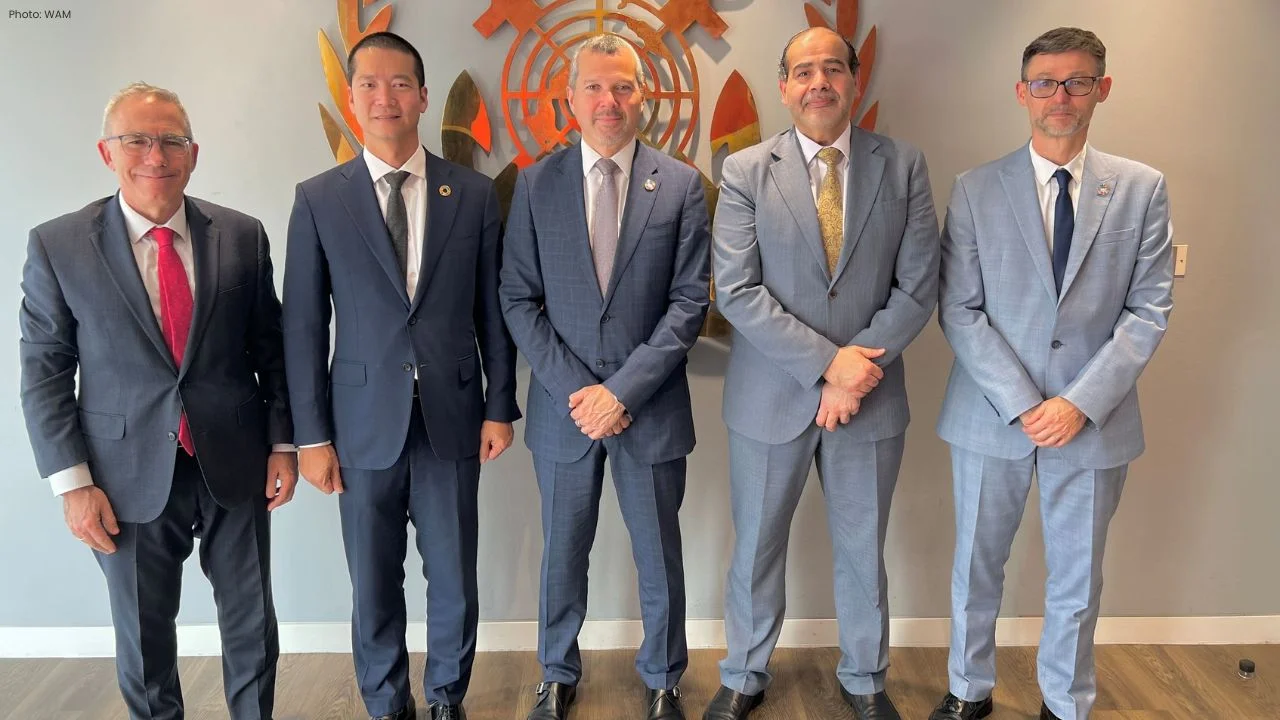
UAE Strengthens Global Maritime Role at IMO Session
UAE highlights maritime security, crew safety, and innovation at IMO session, proposing key reforms
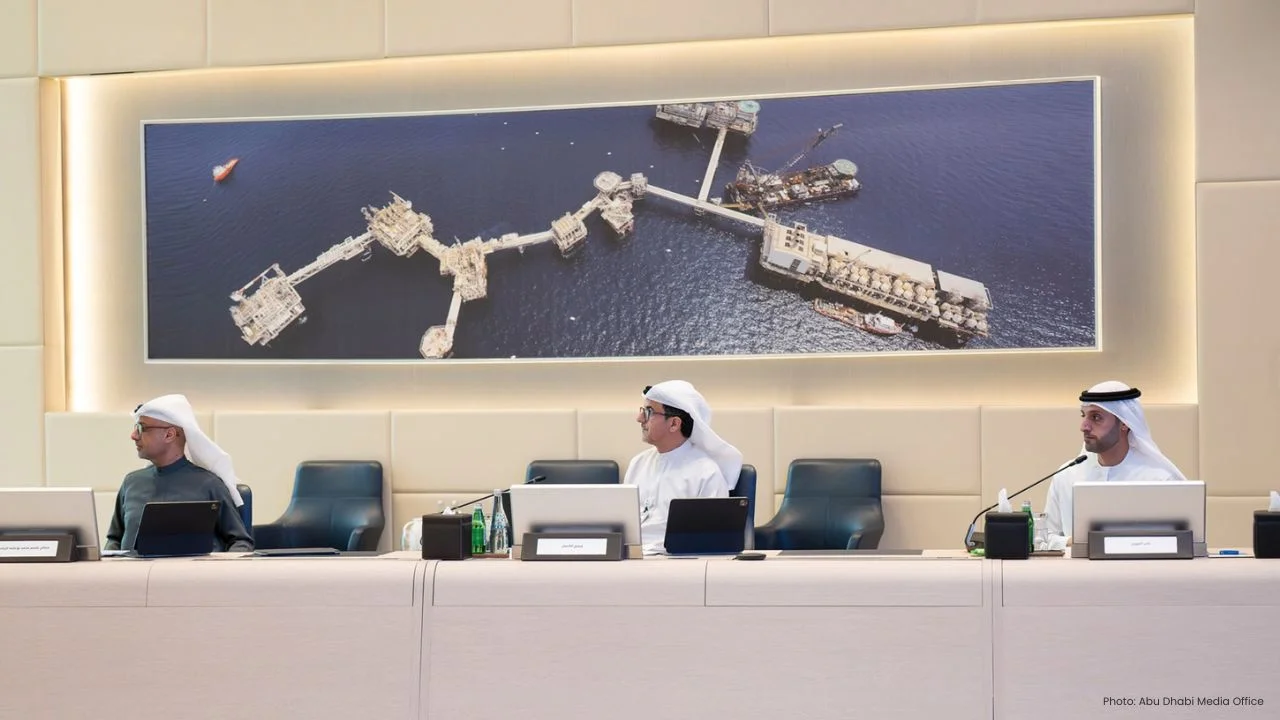
ADNOC Reviews Crisis Plans Amid Regional Security Threats
Abu Dhabi Crown Prince reviews ADNOC’s crisis plans, ensuring energy supply continuity, staff safety

ADNOC wins 14 top honors at Oil & Gas Awards 2026
ADNOC bags 14 awards at Oil & Gas Middle East Awards 2026, showcasing excellence in innovation, sust

Apple’s 50-Year Journey: From Garage Startup to Giant
Apple marks 50 years from its humble garage beginnings to a $3.7 trillion tech giant, driven by inno

Masdar, TotalEnergies Launch $2.2bn Asia Clean Energy JV
Masdar and TotalEnergies sign $2.2bn JV to expand solar, wind and storage projects across Asia, targ
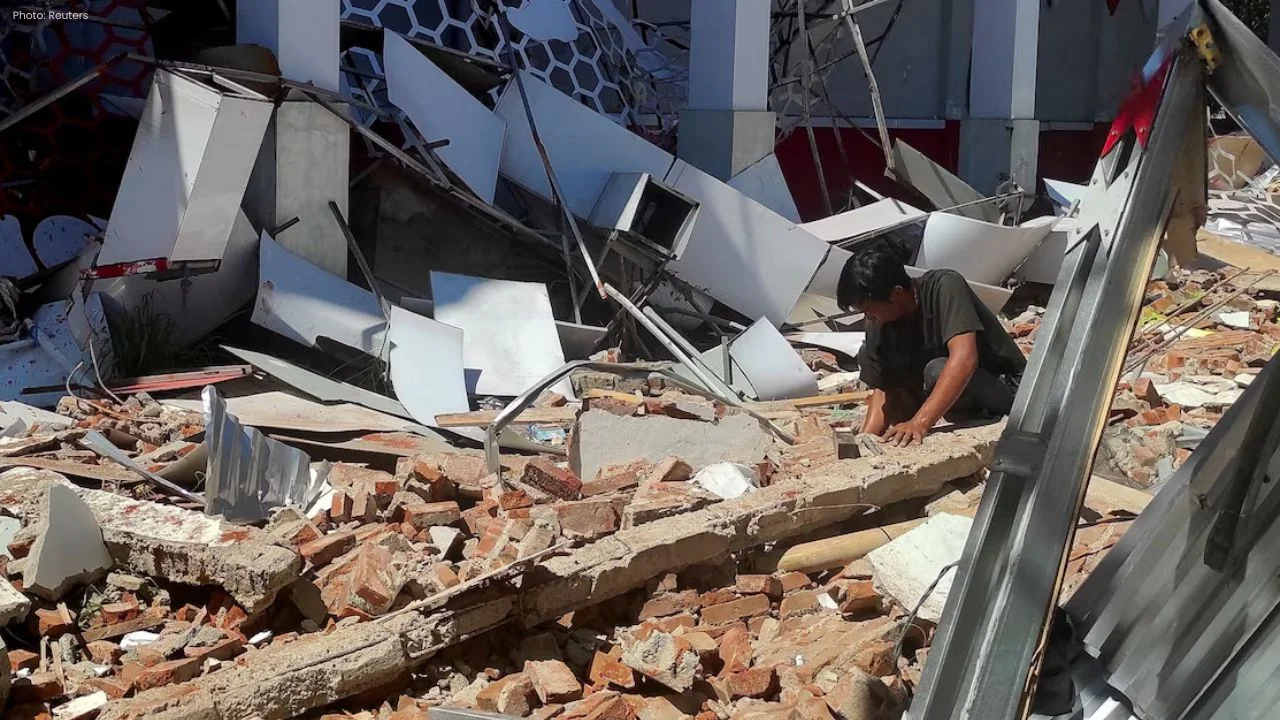
7.4 Quake Hits Indonesia, Tsunami Waves Recorded
A 7.4 magnitude earthquake off Indonesia triggered small tsunami waves, killing one person and damag

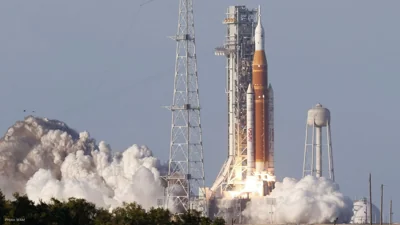
NASA Launches Artemis II Crew for 10-Day Lunar Mission
NASA launches Artemis II with four astronauts for a 10-day Moon mission, marking the first crewed lu

Dubai RTA, Ministry Partner for Family First Programme
Dubai RTA and Ministry of Family partner to enhance transport, urban spaces, and services under Fami

Bank of Baroda Faces Abu Dhabi Legal Battle over NMC Collapse
Bank of Baroda’s involvement in Abu Dhabi litigation tied to the NMC Healthcare collapse raises repu
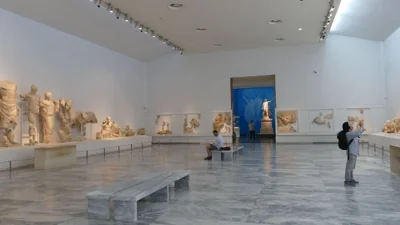
Top Museum Openings of 2026 Set to Transform Global Tourism
From Los Angeles to Abu Dhabi and Brussels, 2026 brings major museum launches—Lucas Museum, Guggenhe

UAE Tour Highlights UAE’s Strength in Hosting Global Sports Events
Abu Dhabi Sports Council says the successful UAE Tour reflects the UAE’s leading role in hosting maj
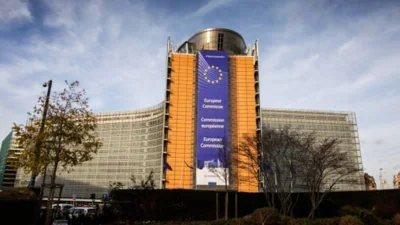
EU Seeks Clarity from US After Supreme Court IEEPA Ruling
European Commission urges full transparency from the US on steps after Supreme Court ruling, emphasi
SpaceX Launches 53 New Satellites for Expanding Starlink Network
SpaceX launches 53 Starlink satellites in two Falcon 9 missions, breaking reuse records and expandin

RTA Awards Contract for Phase II of Hessa Street Upgrade in Dubai
Phase II of Hessa Street Development to add bridges, tunnel, and upgraded intersections, doubling ca