Post by : Sam Jeet Rahman
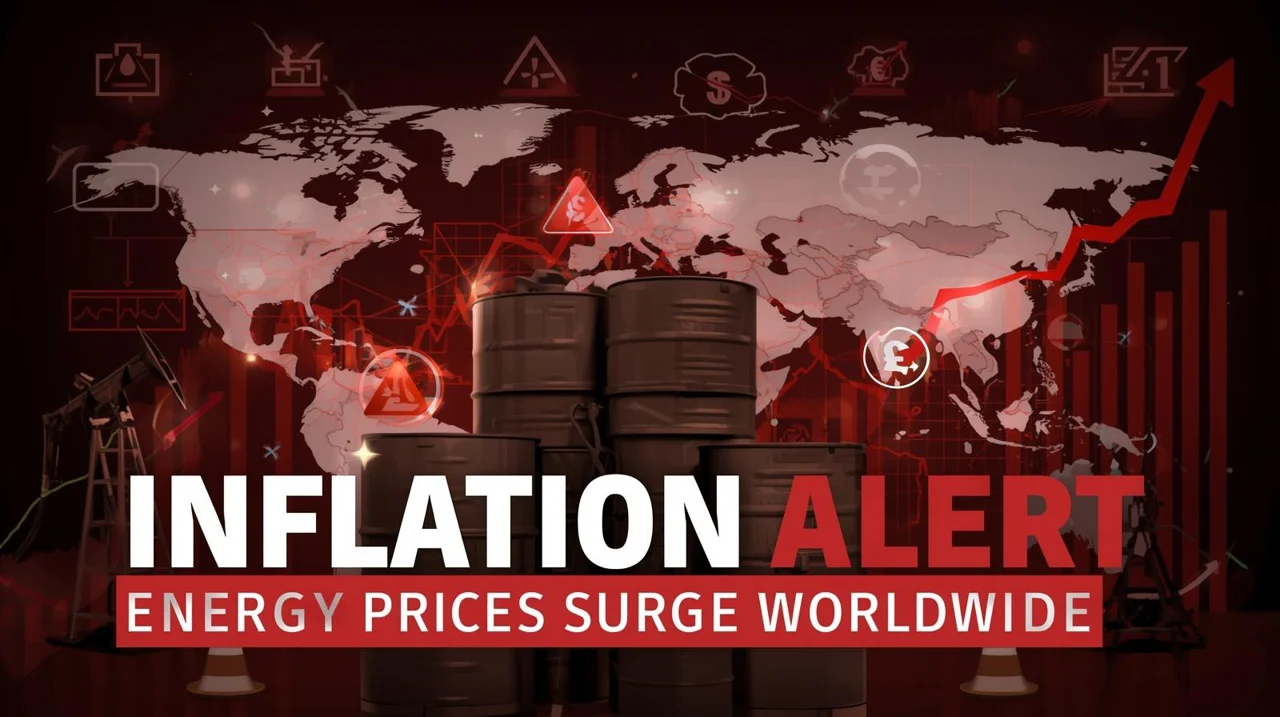
The global economy in 2026 is facing renewed uncertainty as energy prices continue to fluctuate sharply. Rising fuel costs, unstable supply chains, and geopolitical tensions are pushing inflation risks higher across the world. For both developed and emerging economies, the impact is being felt at multiple levels—from government policies to household expenses.
Energy is a fundamental driver of economic activity. When its price becomes unstable, the ripple effects spread across industries, markets, and everyday life. The current volatility is not just a temporary spike but a reflection of deeper structural challenges in global energy systems.
Energy price volatility in 2026 is driven by a combination of global and regional factors that are interconnected.
Geopolitical Conflicts and Supply Disruptions
Tensions involving Iran and critical oil routes like the Strait of Hormuz are creating uncertainty in oil supply. Even small disruptions in such regions can have a massive impact on global energy markets.
Supply and Demand Imbalance
While demand for energy is increasing due to economic recovery and industrial growth, supply has struggled to keep pace. Production limits, infrastructure constraints, and strategic decisions by oil-producing nations have tightened availability.
Market Speculation and Trading Behavior
Financial markets play a huge role in energy pricing. Traders reacting to news, risks, and forecasts can cause sudden spikes or drops, increasing volatility beyond actual supply-demand conditions.
Transition to Renewable Energy
As the world shifts toward cleaner energy sources, traditional fossil fuel investments are being reduced. This transition phase is creating supply gaps, adding to price instability.
Energy costs are deeply connected to inflation because they affect nearly every sector of the economy.
Transportation Costs Increase
When fuel prices rise, the cost of transporting goods also increases. This affects everything from raw materials to finished products, ultimately raising retail prices.
Production Becomes More Expensive
Industries depend heavily on energy for manufacturing. Higher electricity and fuel costs increase production expenses, which are then passed on to consumers.
Utility Bills Rise for Households
Electricity, gas, and heating costs increase, reducing disposable income for families and affecting their spending behavior.
Supply Chain Costs Escalate
Global trade relies on shipping and logistics, both of which are energy-intensive. Increased costs disrupt supply chains and lead to higher prices for imported goods.
The effects of rising energy prices are not uniform but vary depending on a country’s economic structure and energy dependency.
India
As a major importer of oil, India faces significant pressure when global prices rise. Increased fuel costs can lead to higher inflation, impacting everything from transportation to food prices.
United States
Energy price fluctuations influence inflation trends and monetary policy decisions. Rising costs can affect consumer spending and economic growth.
Europe
Many European nations rely on external energy sources, making them vulnerable to supply disruptions and price hikes. This has already led to higher living costs in several countries.
Asia
Rapid industrial growth in Asia is increasing energy demand, adding further pressure on global prices.
Governments and central banks are taking multiple steps to control inflation caused by rising energy costs.
Interest Rate Hikes
Central banks may increase interest rates to reduce spending and control inflation, although this can slow economic growth.
Subsidies and Tax Adjustments
Governments may reduce fuel taxes or provide subsidies to ease the burden on consumers.
Strategic Energy Reserves
Countries are releasing stored oil reserves to stabilize supply temporarily.
Investment in Renewable Energy
Long-term solutions include increasing investment in solar, wind, and other renewable energy sources to reduce dependency on volatile fossil fuels.
Rising energy prices are affecting businesses across all sectors.
Transportation and Logistics
Higher fuel costs increase shipping and delivery expenses, affecting pricing strategies.
Manufacturing Sector
Energy-intensive industries face rising production costs, reducing profit margins.
Aviation Industry
Airlines are particularly vulnerable, as fuel is one of their largest expenses.
Retail and E-commerce
Increased logistics costs lead to higher product prices and reduced consumer demand.
For the average consumer, the impact of rising energy prices is immediate and noticeable.
Higher Cost of Living
Fuel, electricity, and daily essentials become more expensive.
Food Price Inflation
Agriculture depends on fuel for transportation and machinery, leading to higher food costs.
Reduced Savings and Spending
As expenses increase, consumers cut back on discretionary spending.
Economic Uncertainty
Job markets and business growth can slow down due to rising operational costs.
If energy price volatility continues, it could lead to broader economic challenges.
These risks make it essential for policymakers to act carefully and strategically.
Looking forward, the global economy is expected to remain sensitive to energy price movements.
The transition toward a more stable energy system will take time, and short-term volatility is likely to continue.
Energy price volatility is one of the most significant drivers of inflation in 2026. Its impact extends far beyond fuel costs, influencing global economies, industries, and everyday life.
Managing this challenge will require a balance between short-term relief measures and long-term structural changes. As the world adapts to new energy realities, stability will depend on innovation, policy decisions, and global cooperation.
This article is for informational purposes only. Economic conditions and market trends may change rapidly. Readers should seek professional financial advice for personal decisions.
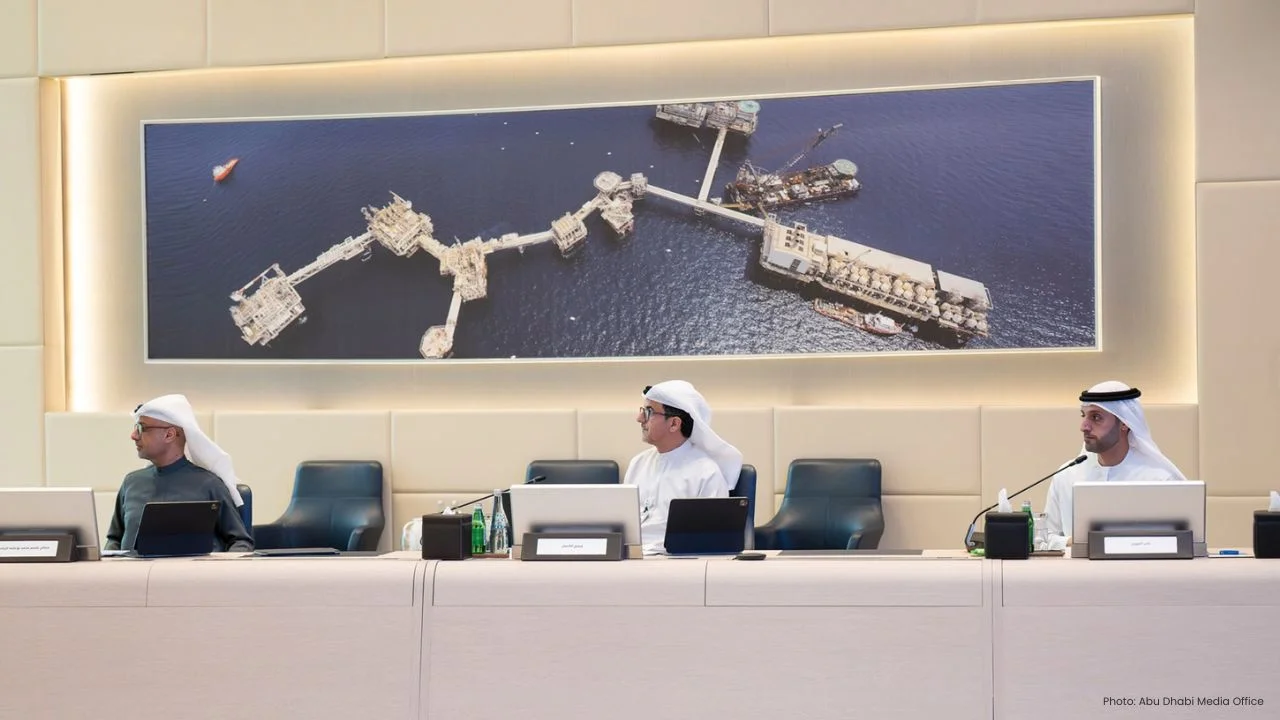
ADNOC Reviews Crisis Plans Amid Regional Security Threats
Abu Dhabi Crown Prince reviews ADNOC’s crisis plans, ensuring energy supply continuity, staff safety

ADNOC wins 14 top honors at Oil & Gas Awards 2026
ADNOC bags 14 awards at Oil & Gas Middle East Awards 2026, showcasing excellence in innovation, sust

Apple’s 50-Year Journey: From Garage Startup to Giant
Apple marks 50 years from its humble garage beginnings to a $3.7 trillion tech giant, driven by inno
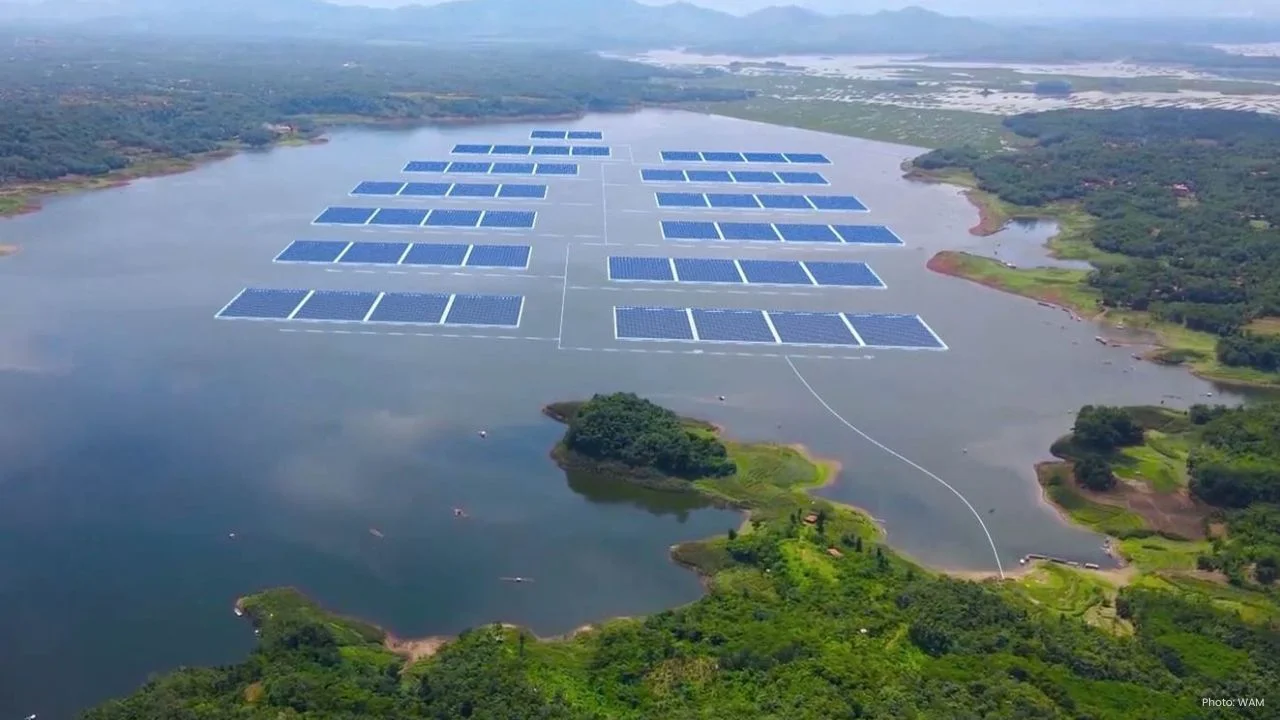
Masdar, TotalEnergies Launch $2.2bn Asia Clean Energy JV
Masdar and TotalEnergies sign $2.2bn JV to expand solar, wind and storage projects across Asia, targ
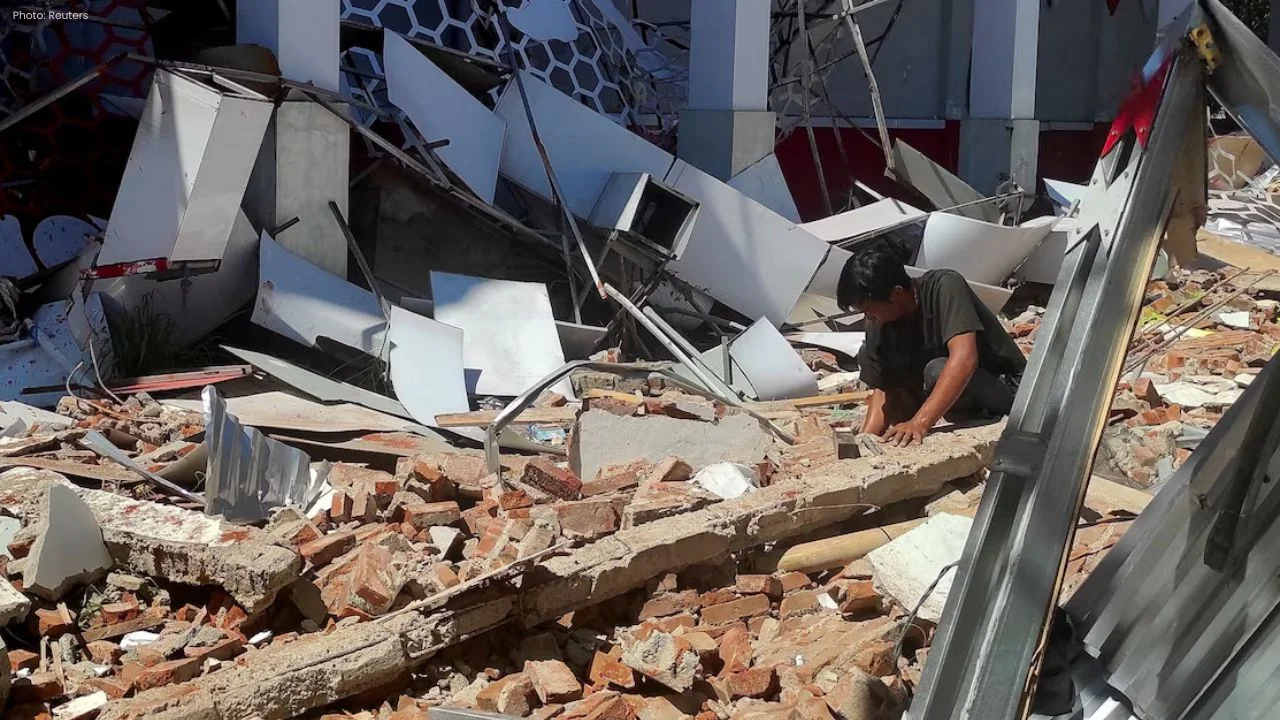
7.4 Quake Hits Indonesia, Tsunami Waves Recorded
A 7.4 magnitude earthquake off Indonesia triggered small tsunami waves, killing one person and damag
NASA Launches Artemis II Crew for 10-Day Lunar Mission
NASA launches Artemis II with four astronauts for a 10-day Moon mission, marking the first crewed lu

Abu Dhabi Launches Youth Emergency Response Initiative
Abu Dhabi launches youth emergency initiative to boost preparedness, train young talent, and strengt

NASA Launches Artemis II Crew for 10-Day Lunar Mission
NASA launches Artemis II with four astronauts for a 10-day Moon mission, marking the first crewed lu

Dubai RTA, Ministry Partner for Family First Programme
Dubai RTA and Ministry of Family partner to enhance transport, urban spaces, and services under Fami

Bank of Baroda Faces Abu Dhabi Legal Battle over NMC Collapse
Bank of Baroda’s involvement in Abu Dhabi litigation tied to the NMC Healthcare collapse raises repu

Top Museum Openings of 2026 Set to Transform Global Tourism
From Los Angeles to Abu Dhabi and Brussels, 2026 brings major museum launches—Lucas Museum, Guggenhe

UAE Tour Highlights UAE’s Strength in Hosting Global Sports Events
Abu Dhabi Sports Council says the successful UAE Tour reflects the UAE’s leading role in hosting maj

EU Seeks Clarity from US After Supreme Court IEEPA Ruling
European Commission urges full transparency from the US on steps after Supreme Court ruling, emphasi
SpaceX Launches 53 New Satellites for Expanding Starlink Network
SpaceX launches 53 Starlink satellites in two Falcon 9 missions, breaking reuse records and expandin

RTA Awards Contract for Phase II of Hessa Street Upgrade in Dubai
Phase II of Hessa Street Development to add bridges, tunnel, and upgraded intersections, doubling ca