Post by : Anis Karim
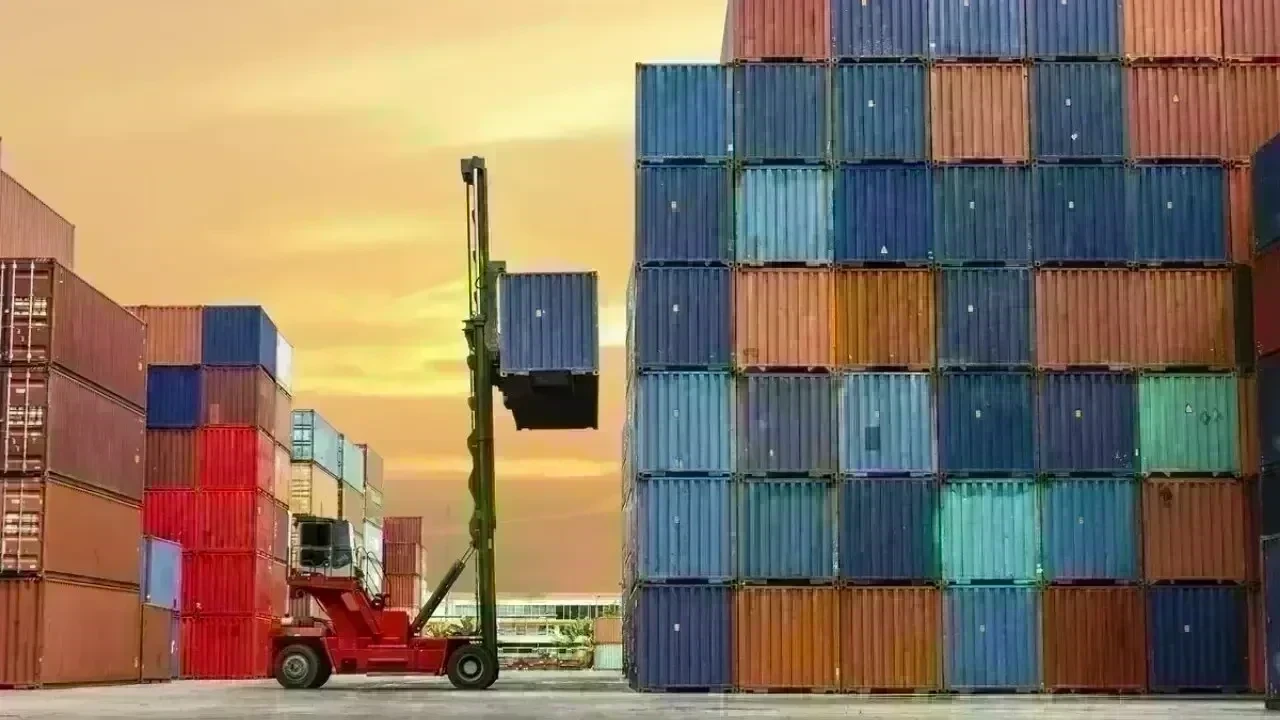
Mexico's recent decision to impose import tariffs up to 50 percent on Indian products is a notable disruption in bilateral trade. This marks a shift from Mexico's previous open trade policies, highlighting a strategic adjustment in its economic landscape and global positioning.
Effective January 1, 2026, the new tariffs will impact numerous product categories, including automobiles, textiles, and metal goods, which constitute a large portion of India's exports to Mexico.
This bold policy reflects Mexico's aim to strengthen its domestic manufacturing capabilities and reduce reliance on imports from Asia. For India, which has seen consistent export growth to Mexico over the past decade, this shift presents immediate challenges and long-term strategic hurdles.
The latest legislative changes outline a tiered tariff system, with duties spanning 5 to 50 percent on goods imported from nations without specified trade agreements, including India.
In addition to a wide range of products facing moderate tariffs, critical sectors like automobiles will incur the highest rates, potentially altering market dynamics considerably.
These tariffs will take effect in less than three years, providing Indian exporters a brief window to adapt their strategies and manage the increased costs that will come with this policy shift.
The new tariffs will affect around 1,400 product types, including:
passenger vehicles and commercial transportation
auto parts and engine elements
steel and other metals
machinery and industrial tools
home appliances
textiles and clothing
furniture, leather goods, and more
This extensive coverage indicates Mexico's commitment to bolstering local production.
The Mexican government has outlined several key objectives for the tariff increases, including:
supporting local industries
reducing reliance on Asian imports
protecting jobs within Mexico
addressing vulnerabilities in supply chains
stabilizing local pricing
In light of global competition and supply chain challenges, these tariff adjustments are Mexico’s primary tool for reinforcing its local economy.
Mexico's ability to set higher tariffs stems from the absence of a free trade agreement with India, allowing for greater flexibility in tariff imposition.
Countries benefiting from FTAs enjoy preferential tariff treatment, making Indian goods particularly susceptible to decreases in market competitiveness due to abrupt policy changes.
Mexico’s actions reflect a rising trend among nations to reconsider tariff structures in favor of national interests. The broader implications include:
strengthening domestic sectors
decreasing trade imbalances
enhancing bargaining power in global talks
As the U.S. has also raised tariffs on Indian products, Mexico's approach aligns with a more protectionist North American strategy.
With Mexico emerging as a key market for Indian automobiles, the imposition of a 50 percent tariff will:
escalate costs for Indian vehicles
erode competitive leverage
prompt Mexican buyers to consider local alternatives
threaten market share for automotive parts and accessories
Analyses predict significant revenue impacts, compelling Indian manufacturers to adjust their approaches to the Latin American market.
The textile and apparel sector, previously thriving due to competitive pricing, will now see:
heightened challenges in pricing
local Mexican manufacturers gaining ground
exporters needing to revisit supply chains
This change occurs amid already challenging conditions in global textile markets.
Indian exports of steel and machinery comprise a vital segment of Mexico's imports, and the tariff hikes will:
reduce demand for Indian industrial products
increase costs for Mexican firms reliant on Indian imports
elevate competitors’ positions from countries with trade agreements
Product categories such as plastics, appliances, furniture, and leather goods will affect smaller Indian businesses heavily reliant on exports.
In reaction to this tariff escalation, Indian trade associations are advocating for renewed FTA negotiations with Mexico, aiming to:
reduce or eliminate tariffs
restore competitiveness in the market
ensure long-term trade access
bolster trade relations in the region
While discussions have occurred previously, the recent tariff increase may push both countries to reassess their mutual trade interests.
Indian exporters are lobbying for diplomatic discussions to:
prolong the tariff implementation timeline
secure exemptions on certain products
obtain a phased rollout of the tariff increases
Success hinges on Mexico’s internal economic landscape and policy decisions.
Indian commerce entities are evaluating:
alternative trade opportunities
diversified market engagement in Latin America
supporting exporters in navigating new challenges
restructuring supply chains to lessen tariff risks
This situation may catalyze India’s broader FTA aspirations worldwide.
Mexico's new tariff landscape could lead to reshaped supply chains, nudging Asian exporters to reconsider their dependence on North American markets. Furthermore, it brings forth:
intensified competition among Asian and Latin American producers
increasing fragmentation in global trade flows
heightened politicization of economic policies
Countries globally are taking steps to protect their economies through tariffs, with Mexico embracing policies historically seen among larger economies.
This tariff episode underscores the need for nations like India to:
secure free trade agreements with key markets
remain alert to policy shifts
advocate for diverse export strategies
In light of these developments, India needs to balance immediate impacts with long-term trade strategies. Potential avenues to pursue include:
series of formal FTA discussions
enhancing diplomatic channels
providing assistance to exporters facing challenges
cultivating new partnerships within Latin America
seeking sector-based tariff concessions
Meanwhile, Mexico might adjust its tariff framework in response to domestic needs and industry concerns.
Both nations have opportunities for fruitful trade cooperation, and the next year could prove pivotal in deciding whether cooperation or conflict governs their economic partnership.
Mexico's implementation of up to 50 percent tariffs on Indian imports signals a turning point in trade relations. Framed as protective measures, they carry significant repercussions for exporters and trade diplomatic engagements.
India's challenge lies in absorbing immediate impacts while recalibrating its trade strategies to safeguard against future vulnerabilities. This episode powerfully illustrates that global trade is increasingly influenced by shifting geopolitical dynamics, underscoring the need for agility in policy adaptation.
Disclaimer: This article is based on current developments and economic analyses. It aims to provide a comprehensive overview of Mexico’s tariff policy change without serving as legal or financial guidance.

Aryna Sabalenka Survives Tough Battle at Miami Open
World No.1 Aryna Sabalenka wins a tight match vs Ann Li at Miami Open. Top seeds Alcaraz, Rybakina,

Abu Dhabi Opens Two New Bridges to Cut Traffic by 60%
DMT launches two high-capacity bridges linking Al Reem Island to E‑12, reducing travel time by 15 mi

Family Wins “Family of the Year 2026” at Noor Al Quran Event in Ras Al Khaimah
A family honored at the Noor Al Quran initiative in Ras Al Khaimah for Quran memorization and strong
US Approves $16.5B Arms Deal Amid Iran War Escalation
US approves $16.5B arms sale to Gulf allies and $7B to UAE, boosting defence amid Iran tensions whil

UAE Busts Hezbollah-Iran Terror Network, Members Held
UAE authorities have broken a terror network linked to Hezbollah and Iran, arresting members accused

Swiatek Stunned by Linette in Miami Open Upset Shock
Iga Swiatek suffered a shocking defeat to Magda Linette at the Miami Open, marking her first opening

UAE Orphan Fund Raises AED 3.3 Billion in Ramadan Drive
UAE’s Mother of the Nation Orphan Fund raises AED 3.3B in Ramadan, boosting support for education, h


Bank of Baroda Faces Abu Dhabi Legal Battle over NMC Collapse
Bank of Baroda’s involvement in Abu Dhabi litigation tied to the NMC Healthcare collapse raises repu

Top Museum Openings of 2026 Set to Transform Global Tourism
From Los Angeles to Abu Dhabi and Brussels, 2026 brings major museum launches—Lucas Museum, Guggenhe

UAE Tour Highlights UAE’s Strength in Hosting Global Sports Events
Abu Dhabi Sports Council says the successful UAE Tour reflects the UAE’s leading role in hosting maj

EU Seeks Clarity from US After Supreme Court IEEPA Ruling
European Commission urges full transparency from the US on steps after Supreme Court ruling, emphasi

SpaceX Launches 53 New Satellites for Expanding Starlink Network
SpaceX launches 53 Starlink satellites in two Falcon 9 missions, breaking reuse records and expandin

RTA Awards Contract for Phase II of Hessa Street Upgrade in Dubai
Phase II of Hessa Street Development to add bridges, tunnel, and upgraded intersections, doubling ca

UAE Gold Prices Today, Monday 16 February 2026: Dubai & Abu Dhabi Updated Rates
Gold prices in UAE on 16 Feb 2026 updated: 24K around AED 599.75/gm, 22K AED 555.25/gm, and 18K AED

Over 25 Ahmedabad Schools Receive Bomb Threat Email, Authorities Investigate
More than 25 schools in Ahmedabad evacuated after bomb threat emails mentioning Khalistan. Authoriti