Post by : Sam Jeet Rahman
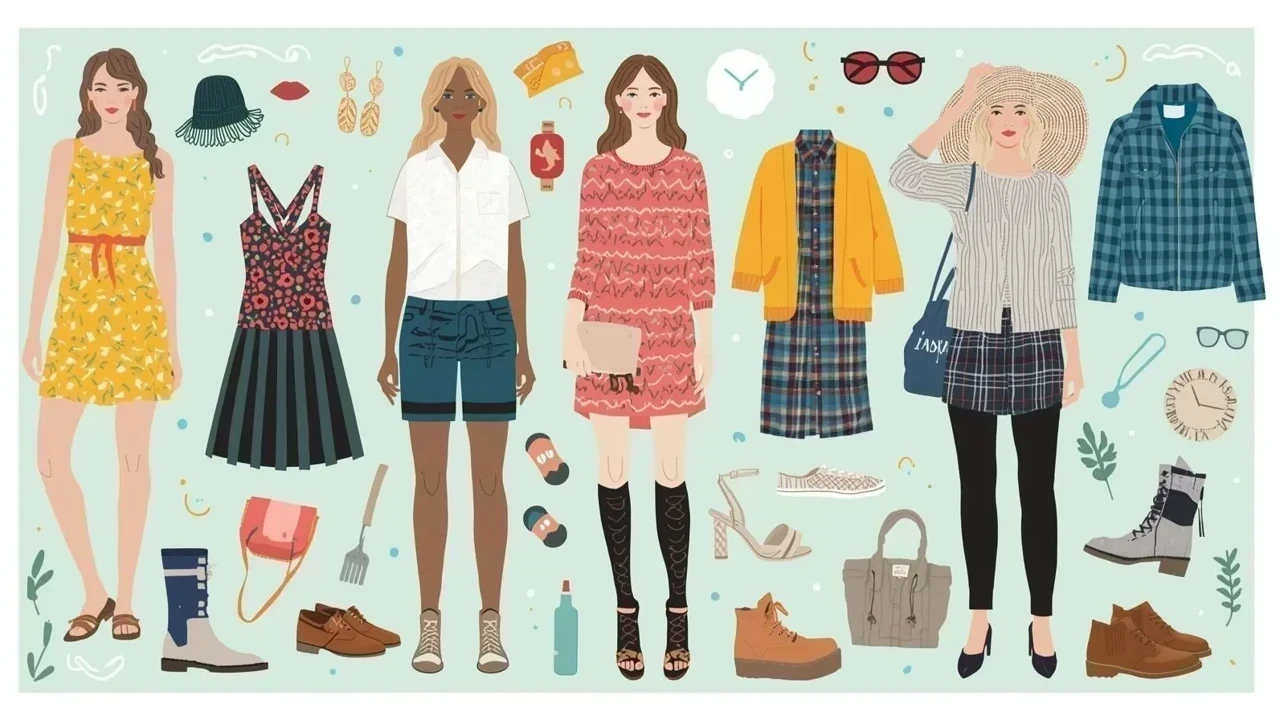
What people wear each day is rarely a random decision. Clothing choices are deeply influenced by local climate, often more than fashion trends, personal style, or brand preference. Temperature, humidity, rainfall, wind patterns, and seasonal shifts quietly dictate fabrics, colors, layering habits, and even footwear. Over time, these climate-driven decisions become cultural norms, shaping how communities dress for work, travel, social events, and daily routines.
Understanding how climate affects clothing choices helps explain why the same outfit feels comfortable in one place and unbearable in another. It also reveals how people adapt practically and creatively to their environment, balancing comfort, protection, and self-expression.
Climate determines the physical comfort zone of the human body. The body constantly works to maintain a stable internal temperature, and clothing plays a major role in this process. When the climate supports heat loss, people dress differently than in environments that demand heat retention.
In hot regions, clothing helps release heat and protect skin from sun exposure. In cold regions, clothing traps warmth and shields the body from wind and moisture. In variable climates, layering becomes essential. These needs override aesthetics when daily survival and comfort are involved.
In tropical and equatorial regions, high temperatures and humidity dominate most of the year. Clothing choices focus on breathability, airflow, and moisture control.
Lightweight fabrics such as cotton, linen, and bamboo are common because they allow air circulation and absorb sweat. Loose-fitting silhouettes reduce heat retention and prevent fabric from sticking to the skin. Light colors are preferred as they reflect sunlight rather than absorb heat.
Sleeves and longer garments may seem counterintuitive, but they protect against sunburn and heat exhaustion. In many hot regions, traditional clothing evolved to cover the body while still allowing ventilation, showing how climate shapes culture over generations.
Footwear also reflects climate. Open sandals or breathable shoes reduce discomfort caused by sweat and heat buildup. Accessories like hats, scarves, and sunglasses are functional tools rather than fashion statements.
Desert climates present extreme heat during the day and sharp temperature drops at night. Clothing must manage temperature variation and sun protection.
Loose, full-coverage garments protect skin from harsh sunlight and reduce dehydration. Fabrics are chosen for their ability to shield against UV rays while remaining breathable. Neutral and earthy tones dominate, as they absorb less heat and blend with dusty environments.
Layering is common even in hot deserts, allowing people to adapt quickly to changing temperatures. Head coverings protect against sun, wind, and sand, demonstrating how climate demands functional design.
In colder regions, clothing becomes a critical survival tool. The primary goal is retaining body heat while blocking wind and moisture.
Layering systems are common, typically involving a base layer to manage moisture, a middle layer for insulation, and an outer layer for weather protection. Fabrics like wool, fleece, and insulated synthetics dominate daily wear.
Clothing in cold climates tends to be heavier and structured. Accessories such as gloves, scarves, hats, and thermal socks are essential, not optional. Footwear prioritizes insulation, grip, and waterproofing to handle snow and ice.
Colors in cold regions often become darker during winter months, as they absorb more heat and hide stains caused by slush and salt. Style adapts to function, but personal expression still finds space through textures, patterns, and accessories.
Temperate climates experience seasonal variation, making flexibility the key clothing principle. People must prepare for warm afternoons, cool evenings, and sudden weather changes.
Layering allows easy adjustment without changing outfits entirely. Light jackets, cardigans, scarves, and versatile footwear become staples. Fabrics vary by season, with breathable materials in warmer months and insulating ones during colder periods.
Color palettes also change seasonally, reflecting mood and environmental tones. Clothing choices often balance comfort with social expectations, especially in professional settings.
Temperate climates encourage fashion experimentation because extreme survival needs are less dominant. However, practicality remains important, especially during transitional seasons.
Regions with frequent rainfall or high humidity require clothing that manages water exposure and drying time.
Water-resistant outerwear, quick-drying fabrics, and breathable layers become daily essentials. Footwear must handle wet surfaces without compromising comfort. Umbrellas, raincoats, and protective accessories become part of everyday life.
In coastal areas, wind plays a major role. Lightweight windbreakers and layered outfits help manage sudden temperature drops caused by sea breezes. Fabrics that resist salt air and moisture last longer and remain comfortable.
Color choices in rainy climates often lean darker, as lighter fabrics show stains and water marks easily.
Climate not only affects physical comfort but also emotional and psychological well-being. Clothing choices reflect mood, energy levels, and seasonal mindset.
During colder months, people gravitate toward heavier, comforting garments that create a sense of warmth and security. In warmer months, lighter clothing boosts mobility and mood, often influencing social behavior and activity levels.
Seasonal clothing routines provide structure and predictability, helping people mentally adapt to environmental changes.
Local climate interacts with urban environments in unique ways. Cities often experience heat retention due to concrete and reduced airflow, leading to warmer temperatures than surrounding rural areas.
Urban residents may choose lighter fabrics and breathable footwear even in cooler regions. Air-conditioned indoor spaces also affect clothing decisions, creating a need for adaptable layers.
In rural areas, exposure to natural elements shapes more rugged and protective clothing choices. Function often outweighs appearance, especially where outdoor work is common.
Clothing traditions often originate from long-term climate adaptation. What begins as a survival necessity becomes cultural identity.
Traditional garments, patterns, and materials reflect generations of climate experience. These styles persist even as modern fashion evolves, blending function with heritage.
Understanding climate-based clothing traditions helps explain why certain styles remain relevant despite global fashion trends.
As climate patterns shift, clothing habits are changing. Unpredictable weather increases demand for versatile, multi-season garments.
People now prioritize adaptability, durability, and sustainability. Lightweight layers, weather-resistant fabrics, and flexible designs reflect growing awareness of climate uncertainty.
Fashion brands increasingly respond to these changes, but individual clothing decisions still begin with local climate reality.
Choosing clothing aligned with climate improves comfort and longevity.
Prioritize fabric quality over trends
Build climate-appropriate wardrobes instead of seasonal overhauls
Choose adaptable pieces for unpredictable weather
Consider local climate first, lifestyle second, fashion third
These principles reduce waste and improve daily comfort.
When clothing works with the climate rather than against it, people experience less fatigue, fewer health issues, and greater confidence. Dressing appropriately reduces stress and supports productivity, especially during extreme weather.
Climate-aware dressing is not restrictive. It provides a framework within which personal style can thrive naturally.
Local climate quietly shapes daily clothing decisions more than most people realize. From fabric selection to outfit structure, climate influences comfort, health, and self-expression. Recognizing this connection helps individuals make smarter wardrobe choices that align with their environment rather than fight it.
Dressing well begins with understanding where you live, not just what you like.
This article is intended for general informational purposes only. Clothing preferences and comfort levels may vary based on individual health, lifestyle, and personal needs. The information provided does not replace professional medical or occupational advice related to climate exposure or clothing safety.
West Sumatra Imposes Restrictions on Retail Chains
West Sumatra curtails Alfamart and Indomaret's expansion to bolster local SMEs and stimulate economi

Taiwan Enhances Defense Strategy for Pratas Islands Amid Rising Chinese Pressure
Taiwan is strengthening defenses on the Pratas Islands due to increased maritime pressure from China

Starbucks Strikes Major Partnership for China Growth
Starbucks teams with Boyu Capital, selling a majority stake in China unit to ramp up store growth an
Abu Dhabi Launches Advanced Biobank for Smart Healthcare
Abu Dhabi launches a cutting-edge biobank linking genomic, clinical and lifestyle data to enable ear

Tesla Aims for Leadership in Japan's Automotive Sector
Tesla is set to expand in Japan with new stores and the Model Y L launch, aiming to capture the elec

Fuel Prices Soar in Pakistan Amid Ongoing Middle East Conflict
Pakistan sees petrol and diesel price hikes as global oil prices rise due to conflicts disrupting su

Couple Among Three Charged in Massive Meth Trafficking Case in Malaysia
Three charged in Malaysia for trafficking 510kg of meth; if convicted, they could face severe penalt


Starbucks Strikes Major Partnership for China Growth
Starbucks teams with Boyu Capital, selling a majority stake in China unit to ramp up store growth an

Couple Among Three Charged in Massive Meth Trafficking Case in Malaysia
Three charged in Malaysia for trafficking 510kg of meth; if convicted, they could face severe penalt

Murder Suspect Returns to Geylang Crime Scene for Investigation
Singapore police revisit Geylang as a 48-year-old suspect faces charges in the fatal stabbing of a 7

NASA Launches Artemis II Crew for 10-Day Lunar Mission
NASA launches Artemis II with four astronauts for a 10-day Moon mission, marking the first crewed lu

Dubai RTA, Ministry Partner for Family First Programme
Dubai RTA and Ministry of Family partner to enhance transport, urban spaces, and services under Fami

Bank of Baroda Faces Abu Dhabi Legal Battle over NMC Collapse
Bank of Baroda’s involvement in Abu Dhabi litigation tied to the NMC Healthcare collapse raises repu

Top Museum Openings of 2026 Set to Transform Global Tourism
From Los Angeles to Abu Dhabi and Brussels, 2026 brings major museum launches—Lucas Museum, Guggenhe

UAE Tour Highlights UAE’s Strength in Hosting Global Sports Events
Abu Dhabi Sports Council says the successful UAE Tour reflects the UAE’s leading role in hosting maj