Post by : Sam Jeet Rahman
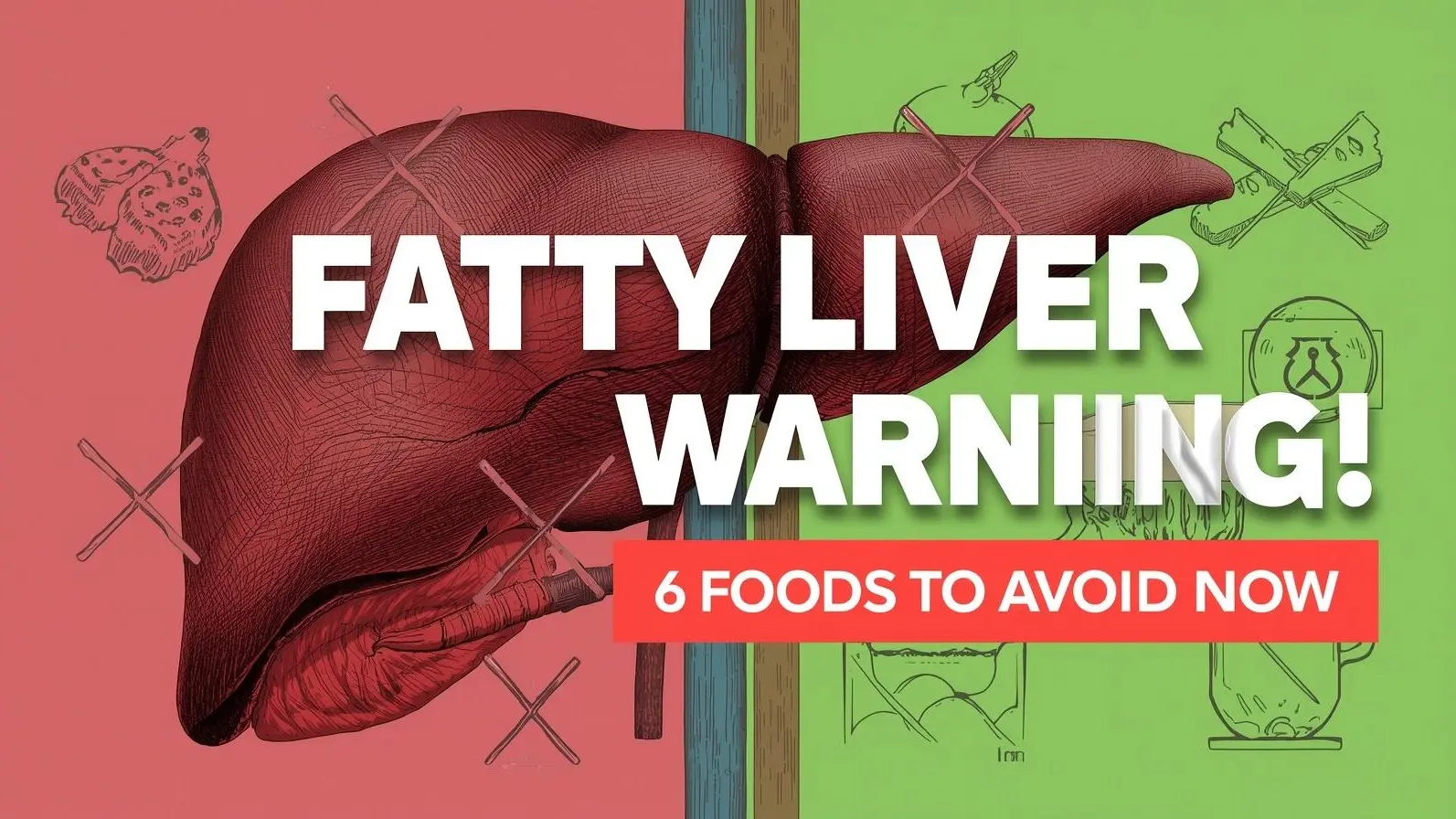
Fatty liver disease, medically known as Non-Alcoholic Fatty Liver Disease, has quietly become one of the most common lifestyle-related health conditions worldwide. It develops when excess fat builds up in liver cells, often due to poor diet, sedentary lifestyle, obesity, or metabolic issues. What makes this condition more concerning is that it usually shows no clear symptoms in the early stages, allowing it to progress silently.
The liver is one of the most important organs in the human body. It is responsible for detoxification, metabolism, digestion, and nutrient storage. When fat starts accumulating in the liver, these essential functions begin to slow down. Over time, if not managed properly, fatty liver can lead to inflammation, liver fibrosis, or even severe liver damage.
The good part is that fatty liver is often reversible, especially in its early stages. One of the most powerful tools for reversing it is diet control. While many people focus on adding healthy foods, experts strongly emphasize the importance of removing certain harmful foods from daily intake. These foods not only increase fat storage in the liver but also worsen metabolic health.
Understanding which foods to avoid—and why—is the first step toward protecting your liver and improving overall health.
Among all dietary risks, excess sugar consumption stands out as one of the most dangerous for fatty liver patients. This is particularly true for foods high in fructose, a type of sugar commonly found in soft drinks, packaged juices, desserts, and processed snacks.
When you consume high amounts of sugar, your body doesn’t always use it immediately for energy. Instead, the liver converts excess sugar into fat through a process called lipogenesis. This fat then gets stored in liver cells, contributing directly to conditions like Non-Alcoholic Fatty Liver Disease.
What makes sugary drinks especially harmful is that they deliver a large amount of sugar in a very short time. Unlike solid foods, they do not make you feel full, which means you end up consuming more calories without realizing it. Over time, this leads to insulin resistance, a key factor in fatty liver progression.
Regular consumption of sugary items can:
Even seemingly “healthy” options like fruit juices can contain high levels of sugar when consumed in excess. This is why experts recommend limiting or completely avoiding added sugars when managing fatty liver.
Fried foods and fast food items are another major concern. These foods are typically high in trans fats and saturated fats, which are difficult for the body to process and can directly contribute to fat buildup in the liver.
Common examples include deep-fried snacks, burgers, pizzas, packaged chips, and street food items that are cooked in reused oil. These foods are not only calorie-dense but also nutritionally poor.
When consumed regularly, they can:
One of the hidden dangers of fried food is the use of repeatedly heated oil, which produces harmful compounds. These compounds can damage liver cells over time and worsen the condition.
People often underestimate the impact of occasional junk food. However, even moderate but frequent consumption can gradually lead to significant liver fat accumulation. Reducing fried food intake is one of the most effective steps toward liver recovery.
Refined carbohydrates are another major contributor to fatty liver, although many people do not realize it. Foods like white bread, maida-based products, pasta, and excessive white rice are quickly broken down into glucose in the body.
This rapid breakdown causes spikes in blood sugar levels, which triggers insulin release. Over time, repeated spikes can lead to insulin resistance, a condition closely linked with Non-Alcoholic Fatty Liver Disease.
Once insulin resistance develops, the body becomes less efficient at using glucose for energy. As a result, excess glucose gets converted into fat and stored in the liver.
The problem with refined carbs is not just their sugar conversion—it’s also their lack of fiber. Fiber helps slow down digestion and keeps blood sugar levels stable. Without it, the body processes these foods too quickly, leading to metabolic stress.
Regular intake of refined carbs can:
Switching to whole grains like brown rice, oats, and whole wheat can significantly reduce these risks and support better liver health.
Even though Non-Alcoholic Fatty Liver Disease is not caused by alcohol, consuming alcohol can significantly worsen the condition. The liver is responsible for breaking down alcohol, and this process creates toxic byproducts that can damage liver cells.
When alcohol is consumed, the liver prioritizes its breakdown over other metabolic functions. This means fat metabolism slows down, leading to increased fat accumulation.
Over time, alcohol consumption can:
For individuals already dealing with fatty liver, even small amounts of alcohol can be harmful. Experts often recommend complete avoidance to allow the liver to heal and recover.
Processed foods are a major part of modern diets, but they pose serious risks for liver health. These foods often contain a combination of high sodium, unhealthy fats, added sugars, and artificial additives.
Items like instant noodles, frozen meals, packaged snacks, and ready-to-eat products may be convenient, but they come at a cost.
These foods can:
Another issue with processed foods is that they are designed to be highly palatable, encouraging overeating. This can lead to excess calorie intake, which directly contributes to fatty liver.
Reducing processed food consumption and focusing on fresh, whole foods can significantly improve liver function over time.
Red meat and high-fat animal products are rich in saturated fats, which can be difficult for the liver to process when consumed in excess. Foods like beef, mutton, processed meats, and full-fat dairy products can contribute to increased fat levels in the liver.
These foods can:
While protein is essential for the body, choosing the right sources is important. Lean proteins such as fish, chicken, and plant-based options are generally better for individuals with fatty liver.
Moderation is key. Completely eliminating red meat may not be necessary for everyone, but limiting its intake can help reduce stress on the liver.
Fatty liver is often reversible, but only if the right steps are taken at the right time. Avoiding harmful foods is not just about preventing further damage—it’s about giving the liver a chance to heal.
When you remove these foods from your diet:
The liver has a remarkable ability to regenerate, but it needs the right environment to do so.
Diet is just one part of the solution. Combining dietary changes with regular physical activity, proper sleep, and stress management can accelerate recovery.
Small, consistent changes can lead to:
The key is consistency. There is no quick fix for fatty liver, but a disciplined approach can deliver long-term results.
This article is for informational purposes only and should not be considered medical advice. Always consult a healthcare professional before making dietary or lifestyle changes.

Sri Lanka Unveils National QR Payment Initiative
Sri Lanka introduces a national QR payment initiative, eliminating fees for small transactions to en

Sri Lanka Enlists Belarus for Transport Enhancement
Sri Lanka seeks Belarusian assistance to elevate transport systems and foster bilateral ties in tech
Debris Incident in Northern Kuwait: Six Injured
Six people have minor injuries from debris fall in a northern Kuwait residential area linked to Iran

Trump's Executive Order Overhauls College Sports in the U.S.
President Trump aims to transform college athletics, focusing on financial fairness and athlete prot

Easter Blessings from the President of Sri Lanka
Sri Lanka's President urges unity and compassion this Easter amidst global strife.

World Airsoft Games 2026 Wraps Up in Abu Dhabi
World Airsoft Games 2026 concluded in Abu Dhabi with 60 teams from 20+ countries. UAE teams achieve

Trump Sends Stark Message to Iran Amid Rescue Operation Insights
Trump warns Iran to reopen the Strait of Hormuz, as details emerge about a daring rescue operation f


UAE Art Show in Seoul Challenges Stereotypes
Exhibition in Seoul highlights diverse UAE art, moving beyond luxury stereotypes to explore identity

Starbucks Strikes Major Partnership for China Growth
Starbucks teams with Boyu Capital, selling a majority stake in China unit to ramp up store growth an
Couple Among Three Charged in Massive Meth Trafficking Case in Malaysia
Three charged in Malaysia for trafficking 510kg of meth; if convicted, they could face severe penalt

Murder Suspect Returns to Geylang Crime Scene for Investigation
Singapore police revisit Geylang as a 48-year-old suspect faces charges in the fatal stabbing of a 7

NASA Launches Artemis II Crew for 10-Day Lunar Mission
NASA launches Artemis II with four astronauts for a 10-day Moon mission, marking the first crewed lu

Dubai RTA, Ministry Partner for Family First Programme
Dubai RTA and Ministry of Family partner to enhance transport, urban spaces, and services under Fami

Bank of Baroda Faces Abu Dhabi Legal Battle over NMC Collapse
Bank of Baroda’s involvement in Abu Dhabi litigation tied to the NMC Healthcare collapse raises repu

Top Museum Openings of 2026 Set to Transform Global Tourism
From Los Angeles to Abu Dhabi and Brussels, 2026 brings major museum launches—Lucas Museum, Guggenhe