Post by : Anis Karim
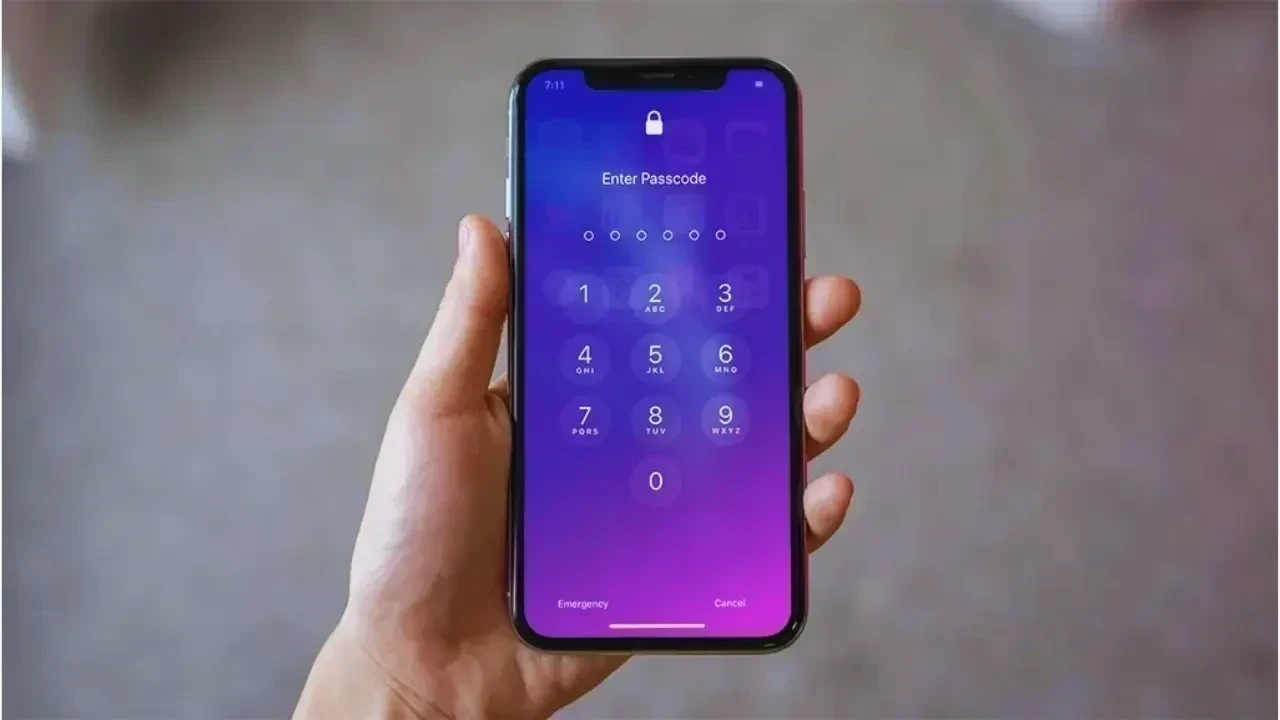
This week, online forums, repair centres, and tech support lines have reported a noticeable increase in OLED burn-in complaints across smartphones, TVs, tablets, gaming monitors, and even wearables. Users are noticing persistent shadows, ghost images, dull patches, and discoloured areas on their displays — effects that remain visible even after rebooting or changing content.
While OLED burn-in has been a known drawback of the technology for years, the surge in complaints this week is significantly higher than normal patterns. The recent rise has raised questions: Is this a seasonal spike? A device-specific flaw? A result of new content consumption habits? Or something deeper within the technology itself?
Understanding this surge requires examining both the technical aspects of OLED panels and the user behaviours contributing to display degradation. This week’s trend isn’t isolated — it points to ongoing challenges that OLED manufacturers and consumers must confront.
Screen burn-in refers to a permanent discoloration or image retention on a display where parts of the screen show faint outlines of previously displayed content. Unlike temporary image retention, burn-in does not fade quickly and may worsen over time.
This happens because OLED displays use organic compounds to emit light. Over time, these compounds degrade at different rates depending on usage patterns, brightness levels, and the type of content displayed. When certain pixels display static elements for long periods, they deteriorate faster than surrounding pixels, creating visible shadows or colour inconsistencies.
This week’s rise in reports signals accelerated degradation patterns across many devices, particularly those with heavy static content on the screen.
Multiple factors converged this week to fuel the spike in burn-in complaints. Analysing user behaviour, device updates, and environmental trends reveals a clearer pattern behind why so many users are facing this issue at the same time.
One of the biggest contributors this week is the extensive use of apps with long static UI elements.
Many apps have seen huge user engagement right now, including:
finance and stock-tracking apps
messaging apps with bright interface bars
video apps with static pause menus
gaming interfaces with fixed HUD elements
navigation apps with persistent icons
social apps with bright buttons and labels
When these apps are used for extended periods, certain pixels repeatedly display the same high-contrast elements, creating ideal conditions for burn-in.
The rise in usage of static-interface apps this week directly correlates to the spike in complaints.
Several manufacturers rolled out updates this week for smartphones, tablets, and TVs. Some updates included:
higher default brightness levels
less aggressive dimming
longer screen-on times
adjusted colour temperature profiles
changes in pixel-shift timing
These tweaks, though intended to improve visual experience, may have unintentionally increased the strain on OLED pixels, accelerating the appearance of burn-in on vulnerable devices.
Consumers rarely notice such background changes, but the impact becomes clear after several days of use.
Many regions have seen spikes in:
sports streaming
holiday specials
gaming marathons
long-duration live streams
static scoreboard overlays
news channels left running all day
Static logos, scoreboards, ticker bars, and branding elements remain fixed on the screen for hours. OLED displays pay the price.
This week’s rise in heavy streaming correlates strongly with the sudden appearance of burn-in issues on both TVs and smartphone screens.
Gamers have reported some of the sharpest burn-in complaints because many popular titles use:
mini-maps
health bars
ammo counters
navigation markers
static backgrounds
brightness-heavy menus
When these elements stay in the same position for hours, OLED panels degrade rapidly. This week’s release of several highly played games, combined with long gameplay sessions, has amplified the issue.
In many regions, weather patterns this week have been unusually bright and sunny. More users increased screen brightness outdoors, which accelerates pixel wear. Some devices automatically boost brightness temporarily — especially smartphones — causing certain areas of the screen to age faster than others.
When combined with apps that have static navigation or camera overlays, the impact becomes more noticeable.
Smartphones and wearables that feature always-on displays faced increased usage this week due to seasonal routines, fitness tracking, holiday travel patterns, and overnight charging habits.
Always-on displays typically show:
clock faces
battery icons
step counters
notifications
watch complications
Even though manufacturers design these features to minimise risk, prolonged night-time usage strains the OLED layers significantly.
Idle screens with static images are one of the biggest culprits of OLED degradation. This week, a higher-than-usual number of users left:
paused video screens
static homepages
open browser tabs
paused games
frozen casts to TVs
charging screens
running for extended periods.
Each idle period increases the risk of pixel fatigue.
Even without unusual usage, many OLED devices are reaching the age where burn-in becomes more common. As devices cross the two-year mark, pixel aging accelerates. This week’s spike in complaints indicates that many early generation devices released globally around the same time are hitting that threshold now.
Manufacturers rarely advertise the longevity of OLED panels, but the lifespan of organic pixels is finite. Older devices are simply showing the natural wear that comes with heavy multi-year usage.
Symptoms vary depending on the device and the severity of degradation.
Users commonly report:
faint shadows of app icons
visible outlines of keyboards
permanent brightness differences
tinted patches (pink, green, or yellow)
image retention that doesn’t fade
static elements appearing on all backgrounds
For TVs, logo burn-in often appears in the corners. For smartphones, the navigation bar and keyboard area are usually the first to show signs of damage.
OLED’s beauty lies in its ability to light each pixel individually. But this also makes it more vulnerable compared with LED or LCD displays.
Each OLED pixel comprises organic compounds that degrade when exposed to:
high brightness
static images
long display durations
blue-light-heavy content
As pixels degrade individually, uniformity issues emerge, creating visible burn-in patches.
LED and LCD displays use backlighting, which spreads wear across the entire panel and is less prone to pixel-specific damage.
The surge in complaints this week has led many users to contact service centres — only to learn that burn-in isn’t always covered.
Manufacturer policies often classify burn-in as:
“wear and tear”
“user-induced behaviour”
“result of improper usage patterns”
This leaves many consumers frustrated. However, burn-in can be unpredictable. Even with recommended usage habits, it may appear depending on app design, brightness levels, and overall device age.
Consumers can adopt several practical habits to significantly reduce the risk of burn-in.
High brightness accelerates aging. Keep it as low as comfortably possible.
Manufacturers include built-in tools to minimize static strain.
Switch apps, move screensavers, and avoid pausing screens for long periods.
Dark themes reduce pixel activation and extend screen lifespan.
Disable overnight or dim dramatically when not needed.
Shade the device or reduce brightness when possible.
Change channels, vary streaming services, or use screensavers.
Motion-based screensavers prevent prolonged pixel strain.
Use games that allow customizable HUD layouts or reduced static elements.
Some devices support gesture-based navigation to eliminate static bottom bars.
While users play an important role, manufacturers also need to strengthen panel durability.
More sophisticated algorithms can help balance pixel wear.
Better thermal management reduces degradation.
Advancements are being researched but need faster implementation.
Consumers should know the expected lifespan of OLED panels.
Given the natural behavior of OLED technology, coverage could reduce user frustration.
Competing display technologies are emerging that reduce or eliminate burn-in risks.
Mini-LED improves brightness and contrast without organic pixels.
MicroLED offers OLED-like quality without degradation.
However, these technologies remain costly or limited in availability. OLED remains dominant because of its superior blacks, contrast, and thin design.
The spike in OLED burn-in complaints this week is not an anomaly — it reflects a convergence of usage patterns, seasonal habits, software changes, and maturing devices. OLED technology delivers stunning visuals, but its organic nature makes it susceptible to long-term wear, especially when subjected to static elements, high brightness, and intensive daily use.
Understanding why burn-in occurs, how to identify early symptoms, and how to adopt preventive strategies is essential for users who want to extend the life of their OLED devices. As manufacturers refine their technologies and consumers adjust their habits, the goal is not to eliminate the risk — but to manage it intelligently.
This article offers general insights into OLED display behavior based on current trends. Device performance may vary depending on usage, model, age, and manufacturer specifications. Users experiencing severe issues should consult authorized service providers.
Family Wins “Family of the Year 2026” at Noor Al Quran Event in Ras Al Khaimah
A family honored at the Noor Al Quran initiative in Ras Al Khaimah for Quran memorization and strong

US Approves $16.5B Arms Deal Amid Iran War Escalation
US approves $16.5B arms sale to Gulf allies and $7B to UAE, boosting defence amid Iran tensions whil

UAE Busts Hezbollah-Iran Terror Network, Members Held
UAE authorities have broken a terror network linked to Hezbollah and Iran, arresting members accused

Swiatek Stunned by Linette in Miami Open Upset Shock
Iga Swiatek suffered a shocking defeat to Magda Linette at the Miami Open, marking her first opening

UAE Orphan Fund Raises AED 3.3 Billion in Ramadan Drive
UAE’s Mother of the Nation Orphan Fund raises AED 3.3B in Ramadan, boosting support for education, h

Ramadan in the UAE: Reflections on Humanity, Leadership, and Lasting Values
A heartfelt Ramadan reflection by Osama Regaah on UAE’s spirit of humility, unity, and leadership, a

Dhurandhar 2 Opens Big, Crosses ₹100 Cr on Day 1
Ranveer Singh starrer Dhurandhar 2 earns ₹102 Cr on day one despite delays, beating past Bollywood o


Bank of Baroda Faces Abu Dhabi Legal Battle over NMC Collapse
Bank of Baroda’s involvement in Abu Dhabi litigation tied to the NMC Healthcare collapse raises repu

Top Museum Openings of 2026 Set to Transform Global Tourism
From Los Angeles to Abu Dhabi and Brussels, 2026 brings major museum launches—Lucas Museum, Guggenhe

UAE Tour Highlights UAE’s Strength in Hosting Global Sports Events
Abu Dhabi Sports Council says the successful UAE Tour reflects the UAE’s leading role in hosting maj
EU Seeks Clarity from US After Supreme Court IEEPA Ruling
European Commission urges full transparency from the US on steps after Supreme Court ruling, emphasi

SpaceX Launches 53 New Satellites for Expanding Starlink Network
SpaceX launches 53 Starlink satellites in two Falcon 9 missions, breaking reuse records and expandin

RTA Awards Contract for Phase II of Hessa Street Upgrade in Dubai
Phase II of Hessa Street Development to add bridges, tunnel, and upgraded intersections, doubling ca
UAE Gold Prices Today, Monday 16 February 2026: Dubai & Abu Dhabi Updated Rates
Gold prices in UAE on 16 Feb 2026 updated: 24K around AED 599.75/gm, 22K AED 555.25/gm, and 18K AED

Over 25 Ahmedabad Schools Receive Bomb Threat Email, Authorities Investigate
More than 25 schools in Ahmedabad evacuated after bomb threat emails mentioning Khalistan. Authoriti