Post by : Sam Jeet Rahman
Thailand is a year-round destination, but choosing the right time can make a huge difference in hotel prices, crowd levels, and overall experience. While peak season offers perfect weather, it also comes with higher costs and packed tourist spots. If your goal is cheaper hotels, fewer crowds, and still enjoyable travel conditions, timing your trip smartly is essential.
Thailand’s tourism calendar is generally divided into three seasons: peak season, shoulder season, and low season. Each season affects hotel rates, flight prices, weather, and crowd density differently. Knowing how these seasons work helps travelers balance cost and comfort.
Peak season runs from November to February. This period has pleasant weather, low humidity, and minimal rainfall, making it ideal for sightseeing and beach travel. However, this is also when hotel prices are at their highest and popular destinations like Bangkok, Phuket, Chiang Mai, and Krabi feel crowded. Major festivals and international holidays further increase demand. If budget and crowd control are priorities, this is the least suitable time to visit.
Shoulder season is considered the best time for travelers seeking cheaper hotels with fewer crowds. This period usually falls in March, April, and early May, as well as late October. During these months, hotel rates drop compared to peak season, and tourist numbers are noticeably lower. Weather remains mostly good, though temperatures can be higher in March and April. Beach destinations are still enjoyable, and city attractions are less congested.
Low season runs from June to September, coinciding with the monsoon period in most parts of Thailand. This is the best time for the lowest hotel prices and minimal crowds. Luxury hotels often offer heavy discounts, and budget accommodations become extremely affordable. Rainfall is usually short and intense rather than constant, meaning travel is still possible. However, sea conditions may affect island hopping and ferry schedules, especially on the Andaman coast.
July, August, and September consistently offer the cheapest hotel rates across Thailand. Even premium resorts reduce prices significantly during this time. June also offers good deals, especially for longer stays. Travelers who are flexible with weather and activities can save a substantial amount by visiting during these months.
September is often the quietest month for tourism. Tourist attractions feel relaxed, beaches are less crowded, and restaurants are easier to access. June and early July also see fewer international tourists, making them suitable for peaceful travel experiences.
Thailand’s weather patterns vary by region. While the Andaman coast experiences heavier rainfall during the monsoon season, the Gulf of Thailand islands like Koh Samui, Koh Phangan, and Koh Tao often have better weather during the same period. Travelers focused on island stays can plan around regional weather to avoid rain while still enjoying low-season prices.
Bangkok sees lower hotel prices from May to September. Rainfall does not disrupt city travel significantly, as most attractions are indoors or accessible via public transport. Crowds reduce noticeably during this period, making sightseeing more comfortable and affordable.
Northern Thailand is best visited during shoulder season and early low season. March and April can be very hot, while June to August offers greenery and lower hotel prices. Avoid late February and March if air quality is a concern due to seasonal burning.
For Phuket, Krabi, and Phi Phi Islands, the cheapest and least crowded period is from May to October. For Koh Samui and nearby islands, September and October offer the best hotel deals with relatively stable weather. Planning islands based on coast-specific seasons maximizes savings and comfort.
Thai festivals like Songkran in April and international holidays such as Christmas and New Year cause temporary spikes in prices and crowds. Even during low season, these dates can be expensive. Avoiding festival weeks helps maintain budget-friendly travel.
Booking directly with hotels during low season often results in better deals. Long-stay discounts are common from June to September. Flexible cancellation policies allow travelers to adjust plans if weather changes. Mid-range hotels offer the best value during off-peak months.
Flights to Thailand are generally cheaper during low and shoulder seasons. Combined with discounted hotels, this significantly reduces total trip cost. Travelers booking both flight and accommodation during these periods can save a large percentage compared to peak season travel.
Low season is ideal for travelers who prioritize budget and peaceful experiences. While occasional rain may limit certain activities, many travelers find the trade-off worthwhile. Beaches, temples, markets, and cities feel more authentic without heavy tourist crowds.
For the best mix of cheap hotels, fewer crowds, and manageable weather, late June to early September stands out. Travelers wanting slightly better weather with still-reduced prices should consider late October or early May. These periods deliver excellent value without sacrificing too much comfort.
Thailand does not have a bad time to visit, but some months clearly offer better value than others. Travelers willing to avoid peak season can enjoy lower hotel prices, quieter attractions, and a more relaxed experience. Choosing the right season transforms Thailand from a busy tourist hotspot into a budget-friendly and peaceful destination.
This article is for informational purposes only. Weather patterns, hotel prices, and travel conditions may change. Always check local forecasts and accommodation policies before booking.

Abu Dhabi Opens Two New Bridges to Cut Traffic by 60%
DMT launches two high-capacity bridges linking Al Reem Island to E‑12, reducing travel time by 15 mi
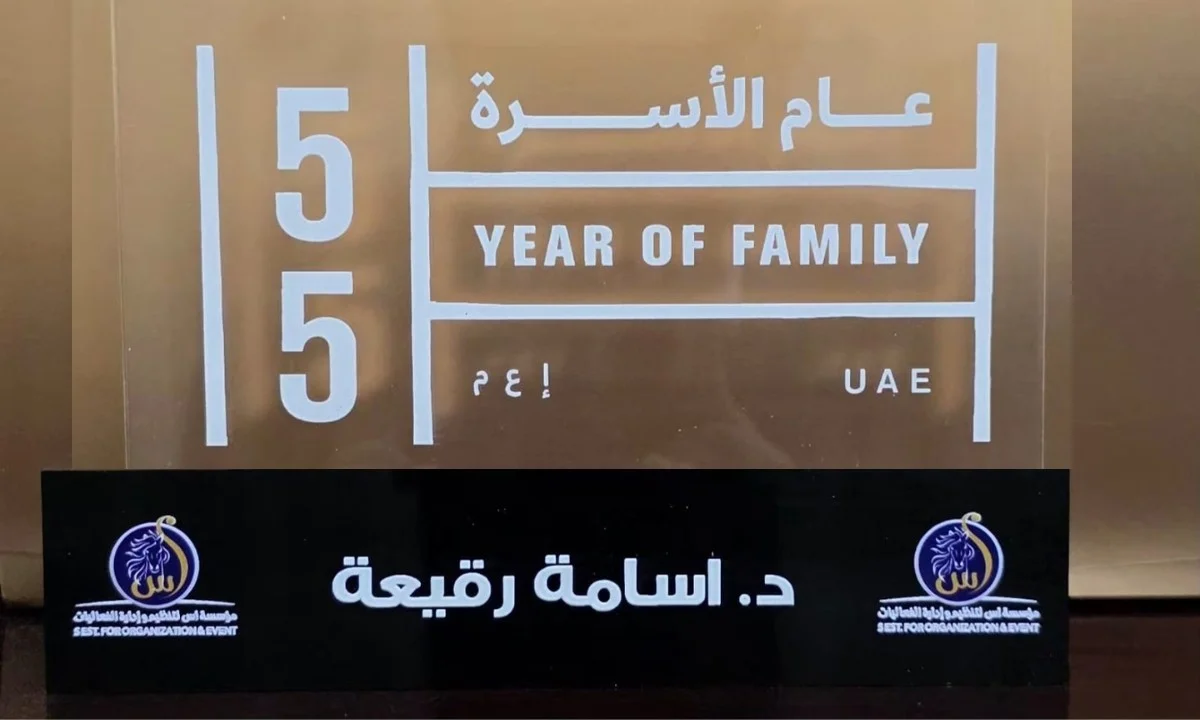
Family Wins “Family of the Year 2026” at Noor Al Quran Event in Ras Al Khaimah
A family honored at the Noor Al Quran initiative in Ras Al Khaimah for Quran memorization and strong

US Approves $16.5B Arms Deal Amid Iran War Escalation
US approves $16.5B arms sale to Gulf allies and $7B to UAE, boosting defence amid Iran tensions whil

UAE Busts Hezbollah-Iran Terror Network, Members Held
UAE authorities have broken a terror network linked to Hezbollah and Iran, arresting members accused

Swiatek Stunned by Linette in Miami Open Upset Shock
Iga Swiatek suffered a shocking defeat to Magda Linette at the Miami Open, marking her first opening

UAE Orphan Fund Raises AED 3.3 Billion in Ramadan Drive
UAE’s Mother of the Nation Orphan Fund raises AED 3.3B in Ramadan, boosting support for education, h

Ramadan in the UAE: Reflections on Humanity, Leadership, and Lasting Values
A heartfelt Ramadan reflection by Osama Regaah on UAE’s spirit of humility, unity, and leadership, a


Bank of Baroda Faces Abu Dhabi Legal Battle over NMC Collapse
Bank of Baroda’s involvement in Abu Dhabi litigation tied to the NMC Healthcare collapse raises repu

Top Museum Openings of 2026 Set to Transform Global Tourism
From Los Angeles to Abu Dhabi and Brussels, 2026 brings major museum launches—Lucas Museum, Guggenhe

UAE Tour Highlights UAE’s Strength in Hosting Global Sports Events
Abu Dhabi Sports Council says the successful UAE Tour reflects the UAE’s leading role in hosting maj

EU Seeks Clarity from US After Supreme Court IEEPA Ruling
European Commission urges full transparency from the US on steps after Supreme Court ruling, emphasi

SpaceX Launches 53 New Satellites for Expanding Starlink Network
SpaceX launches 53 Starlink satellites in two Falcon 9 missions, breaking reuse records and expandin

RTA Awards Contract for Phase II of Hessa Street Upgrade in Dubai
Phase II of Hessa Street Development to add bridges, tunnel, and upgraded intersections, doubling ca

UAE Gold Prices Today, Monday 16 February 2026: Dubai & Abu Dhabi Updated Rates
Gold prices in UAE on 16 Feb 2026 updated: 24K around AED 599.75/gm, 22K AED 555.25/gm, and 18K AED

Over 25 Ahmedabad Schools Receive Bomb Threat Email, Authorities Investigate
More than 25 schools in Ahmedabad evacuated after bomb threat emails mentioning Khalistan. Authoriti