Post by : Anis Karim
This week brought two impactful changes that directly affect multi-city itineraries. One country that previously offered visa-free entry to Indian nationals has ended that facility, making visas mandatory for travellers who once relied on easy access. At the same time, a major regional bloc revised its rules to make suspending visa-free access quicker and more flexible. These two changes, though separate, highlight a growing global trend: visa policies can shift rapidly, and travellers can no longer assume consistency across borders.
For those planning multi-city trips that involve connecting flights, side-trips or extended loops, these policy adjustments introduce new layers of complexity.
Multi-city itineraries are built on sequencing, flexibility and predictable entry rules. When one country alters its visa requirements—or when a regional group gains the authority to suspend visa-free access at short notice—it can disrupt an entire travel chain.
Because visa-free arrangements can now be suspended more quickly, travellers planning multi-country trips must prepare for rapid changes. A route that seems straightforward today may not remain so next week.
Destinations once considered easy add-ons now require full visa processing. Even brief stop-overs or day-trip plans may need re-evaluation.
Travellers using circular routes—A → B → C → A—must ensure that transit rules stay valid throughout the trip. A mid-journey rule change could impact entry at the final leg.
Because additional visas may now be required, travellers must factor in application timelines, documentation and processing delays.
Multi-city travel is more vulnerable to disruptions, making refundable bookings, flexible airfares and insurance coverage more essential than before.
Previously, travellers could design routes assuming certain countries would remain accessible without much paperwork. With the new environment, travellers may choose to begin their journey with destinations that have newly tightened visa policies or shift them to separate future trips.
“Bonus city” detours have always been a highlight of multi-city itineraries. Now, each added stop demands careful checking of visa status, transit permissions and possible policy shifts.
Travellers often assume that remaining within an airport during transit avoids visa hurdles. With changing transit rules, you may need to secure entry clearance even for airport-only transits under certain conditions.
Multi-week trips face extra vulnerability. A country you entered easily at the start of your journey may impose restrictions before your return route brings you back through its borders.
Travellers who plan to apply for onward visas mid-trip must now monitor rule changes more actively. A visa-free entry that existed when your journey began may not remain in place by the time you reach the next destination.
Check visa requirements for every country on your route—including transit points.
Assess whether previously visa-free destinations remain reliable.
Sequence your route so that destinations with stricter requirements appear earlier.
Add buffer days before the start of your trip for visa processing.
Choose flights with flexible change options or minimal penalties.
Prefer refundable hotel bookings until visas are confirmed.
Keep your travel insurance provider informed about your routing style.
Monitor news or official updates for all countries you’ll visit or transit through.
Store digital and printed copies of visas and entry documents.
Avoid spontaneous side-trips without checking visa status.
Re-assess your return route if any new rule emerges mid-trip.
Note any policy shifts you experienced. These insights will help shape future multi-city planning.
Maintain an updated personal “visa-risk tracker” for countries you visit frequently.
A traveller planning a month-long route—India → one West Asian country → UAE → Italy → India—might previously have assumed smooth entry into the first country because of visa-free access. With that facility now revoked, the journey begins with a mandatory visa. Meanwhile, the new rule that allows faster suspension of visa-free access in parts of Europe introduces uncertainty for the final leg.
To protect the rest of the itinerary, the traveller must now:
Apply for the newly required visa well in advance
Reconsider the order of destinations
Evaluate cancellation or re-routing costs
Prepare a backup itinerary if conditions shift during the journey
This example illustrates how a single policy update can affect the entire structure of a multi-city trip.
Countries and regions are increasingly reserving the right to halt or modify visa-free arrangements at short notice.
Even airport-only connections could require pre-approved permissions depending on country-specific shifts.
Flexible bookings, research, and buffer time are becoming essential parts of advanced itinerary planning.
Visa policies are now more responsive to political, security or migration patterns, increasing unpredictability.
Travellers may prioritise countries with predictable, consistent entry rules over those with frequent shifts.
This week’s visa-policy updates highlight an emerging reality: multi-city travel now requires more vigilance, planning and flexibility than ever. Whether you’re planning a two-country loop or a five-stop international itinerary, the rules that define your journey can shift without much notice.
The safest approach is simple: stay informed, avoid assumptions, choose flexible bookings and monitor policies throughout your trip—not just before departure. Multi-city travel remains one of the most rewarding forms of exploration, but in the current global environment, awareness and adaptability are just as important as excitement and curiosity.
Family Wins “Family of the Year 2026” at Noor Al Quran Event in Ras Al Khaimah
A family honored at the Noor Al Quran initiative in Ras Al Khaimah for Quran memorization and strong

US Approves $16.5B Arms Deal Amid Iran War Escalation
US approves $16.5B arms sale to Gulf allies and $7B to UAE, boosting defence amid Iran tensions whil
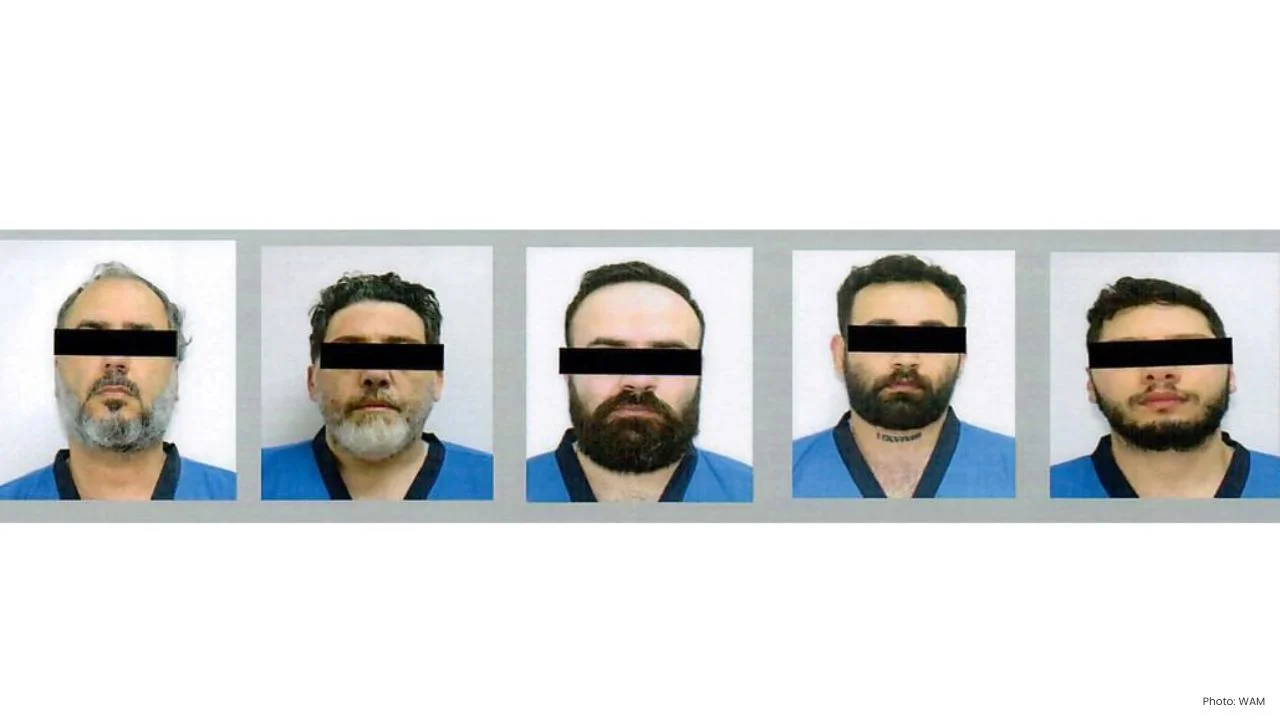
UAE Busts Hezbollah-Iran Terror Network, Members Held
UAE authorities have broken a terror network linked to Hezbollah and Iran, arresting members accused

Swiatek Stunned by Linette in Miami Open Upset Shock
Iga Swiatek suffered a shocking defeat to Magda Linette at the Miami Open, marking her first opening

UAE Orphan Fund Raises AED 3.3 Billion in Ramadan Drive
UAE’s Mother of the Nation Orphan Fund raises AED 3.3B in Ramadan, boosting support for education, h

Ramadan in the UAE: Reflections on Humanity, Leadership, and Lasting Values
A heartfelt Ramadan reflection by Osama Regaah on UAE’s spirit of humility, unity, and leadership, a

Dhurandhar 2 Opens Big, Crosses ₹100 Cr on Day 1
Ranveer Singh starrer Dhurandhar 2 earns ₹102 Cr on day one despite delays, beating past Bollywood o


Bank of Baroda Faces Abu Dhabi Legal Battle over NMC Collapse
Bank of Baroda’s involvement in Abu Dhabi litigation tied to the NMC Healthcare collapse raises repu
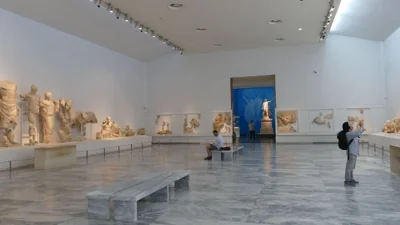
Top Museum Openings of 2026 Set to Transform Global Tourism
From Los Angeles to Abu Dhabi and Brussels, 2026 brings major museum launches—Lucas Museum, Guggenhe

UAE Tour Highlights UAE’s Strength in Hosting Global Sports Events
Abu Dhabi Sports Council says the successful UAE Tour reflects the UAE’s leading role in hosting maj
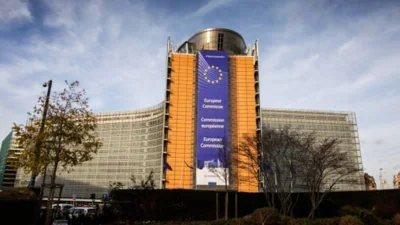
EU Seeks Clarity from US After Supreme Court IEEPA Ruling
European Commission urges full transparency from the US on steps after Supreme Court ruling, emphasi
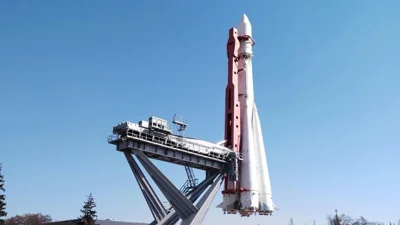
SpaceX Launches 53 New Satellites for Expanding Starlink Network
SpaceX launches 53 Starlink satellites in two Falcon 9 missions, breaking reuse records and expandin
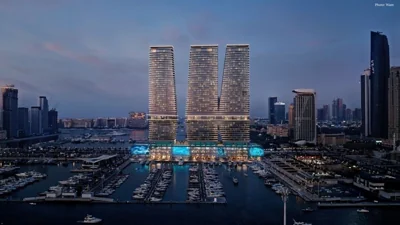
RTA Awards Contract for Phase II of Hessa Street Upgrade in Dubai
Phase II of Hessa Street Development to add bridges, tunnel, and upgraded intersections, doubling ca

UAE Gold Prices Today, Monday 16 February 2026: Dubai & Abu Dhabi Updated Rates
Gold prices in UAE on 16 Feb 2026 updated: 24K around AED 599.75/gm, 22K AED 555.25/gm, and 18K AED

Over 25 Ahmedabad Schools Receive Bomb Threat Email, Authorities Investigate
More than 25 schools in Ahmedabad evacuated after bomb threat emails mentioning Khalistan. Authoriti