Post by : Anis Karim
Geopolitical flashpoints often develop from a progression of events rather than a singular incident. Military maneuvers, diplomatic tensions, disrupted trade routes, and heightened rhetoric have characterized the emergence of this new flashpoint, attracting the attention of leaders, defense organizations, and economic stakeholders globally.
Initially perceived as a localized security dilemma, the implications are now on a worldwide scale. Intertwined strategic interests and tested alliances have prompted concerns, illustrating the interconnectedness of our current global environment where disturbances in one location can resonate across oceans.
It's critical for both policymakers and the public to understand the unfolding scenario, as global stability impacts everyone, from businesses to individual citizens.
This escalating tension is centered on a region pivotal to international trade and security. Its key location near essential shipping lanes and regional power hubs amplifies the stakes involved, transforming local friction into a matter of global concern.
The region’s significance is not purely geographical; it encompasses crucial energy supply routes and essential commercial goods, all of which are vital for sustaining the global economy.
Historically, this area has experienced sporadic tensions fueled by territorial disputes, security issues, and conflicting strategic agendas. The current situation differs in the extent of international engagement and the velocity at which events are progressing.
Recent escalations have not stemmed from a singular incident but from a chain of provocations, including intensified military activities, aggressive exchanges, and actions perceived as threatening by opposing entities.
This cycle of reciprocal counteractions has created a challenging environment, complicating efforts to de-escalate.
Existing pathways for communication and trust-building seem strained, with diplomacy not entirely halted but failing to mitigate the escalating tensions.
Various local powers are key players in this unfolding drama, each driven by distinct security needs and strategic clutter shaped by their internal and external dynamics.
Various global superpowers are also engaged, either directly or diplomatically. Their involvement brings both the possibility of miscalculations and avenues for de-escalation.
The international community, including institutions like the United Nations, has called for calm, emphasizing collective concern regarding the situation’s potential trajectory.
One pressing concern includes the safety of fundamental shipping lanes. Any extended disruption could critically impact supply chains, energy pricing, and inflation globally.
Tensions linked to waterways close to the Red Sea and adjacent corridors have raised alarms among governments and shipping industries.
The area is integral to oil and gas transport, and further escalation could lead to increasing energy costs, adversely affecting economies already strained by inflation.
There’s been a marked rise in naval and aerial operations. Though termed defensive, these actions heighten the likelihood of unforeseen confrontations.
In high-stakes environments, minor incidents can escalate quickly. Analysts caution that unclear engagement protocols foster the risk of unintentional conflict.
Despite outwardly assertive rhetoric, backchannel negotiations are purportedly happening, working to prevent misunderstandings and facilitate building trust.
Certain nations are taking on mediation roles, attempting to guide dialogue while remaining impartial. Their success hinges on trust and the willingness of involved parties to engage.
Financial markets typically respond rapidly to geopolitical unrest. Early indicators show volatility in commodity prices, wary equity market movements, and rising demand for safe-haven investments.
Increasing perceptions of risk have already resulted in higher insurance rates for vessels operating in proximity to the affected zones, expenses likely passed to consumers.
This incident is part of a broader trend of geopolitical tensions flaring in various regions, stretching the diplomatic and military capacities of involved nations.
Repeated crises have exposed the inadequacies of global conflict-prevention frameworks. Although these institutions can mediate, enforcing compliance remains a significant challenge.
Alliances are being tested as partners navigate the complexities of support. An aggressive reaction may escalate tensions, while a passive stance could appear as neglect.
Allies do not uniformly share interests; factors such as economic ties, political climates, and regional considerations shape varied responses.
Each side is constructing its version of events to influence global perception. Social media and state-supported messaging intensify this information warfare.
Prompt information exchanges raise the specter of misinformation, complicating diplomatic maneuvers and exacerbating public sentiment.
Civilian populations bear the brunt of escalations, facing disrupted livelihoods, increased living costs, and heightened security anxieties.
International bodies are closely observing developments, crafting contingency strategies in anticipation of worsening conditions.
Experts propose various scenarios - from managed tensions to the possibility of conflict or extended standoffs.
Misinterpretation of actions, internal political dynamics, or external provocations could further exacerbate the situation.
Initiatives like communication hotlines and reduced overlapping military activities could help stabilize tensions.
Incremental reductions in tension may prove more feasible than dramatic resolutions in the short term.
Prolonged unrest threatens the economy of all involved, making de-escalation a rational, albeit politically challenging, choice.
In a world facing numerous challenges, a new major conflict would stretch the limits of global resilience even further.
Previous crises illustrate the speed at which miscalculations can escalate and the importance of sustained diplomatic efforts to avert the worst outcomes.
Maintaining open communication channels has proven critical in distinguishing between escalation and resolution.
Observers are tracking military operations, diplomatic messages, and multilateral talks for insights into future directions.
Market dynamics often reflect perceptions of risk, with sustained volatility indicating mounting concerns.
This flashpoint reveals the precarious nature of global stability, with multiple actors competing in tight strategic frameworks.
This situation calls for reevaluated diplomatic strategies that address present-day realities rather than relying on outdated Cold War paradigms.
The rise of this geopolitical flashpoint underscores that peace requires ongoing effort. Vulnerable regions remain at risk of escalation, and the intertwined global landscape ensures no crisis remains contained.
As the scenario develops, decisions made in the short term could influence outcomes for years to come. Restraint, effective communication, and diplomacy must be prioritized as critical components in a world where conflict can have cascading effects on economic health and human welfare.
The global community watches closely, hoping to see that learned lessons from past incidents are not ignored.
This article is for informational purposes. Geopolitical situations are dynamic. Readers should stay updated by following authoritative sources for real-time developments.
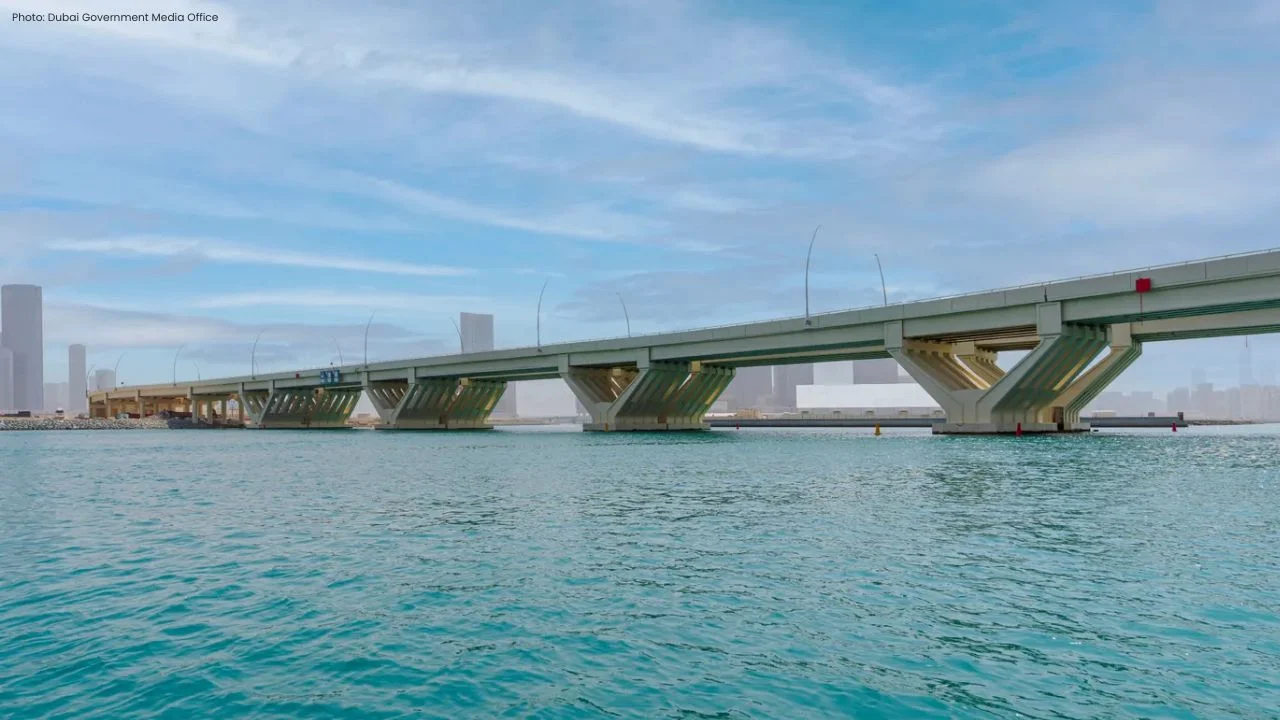
Abu Dhabi Opens Two New Bridges to Cut Traffic by 60%
DMT launches two high-capacity bridges linking Al Reem Island to E‑12, reducing travel time by 15 mi
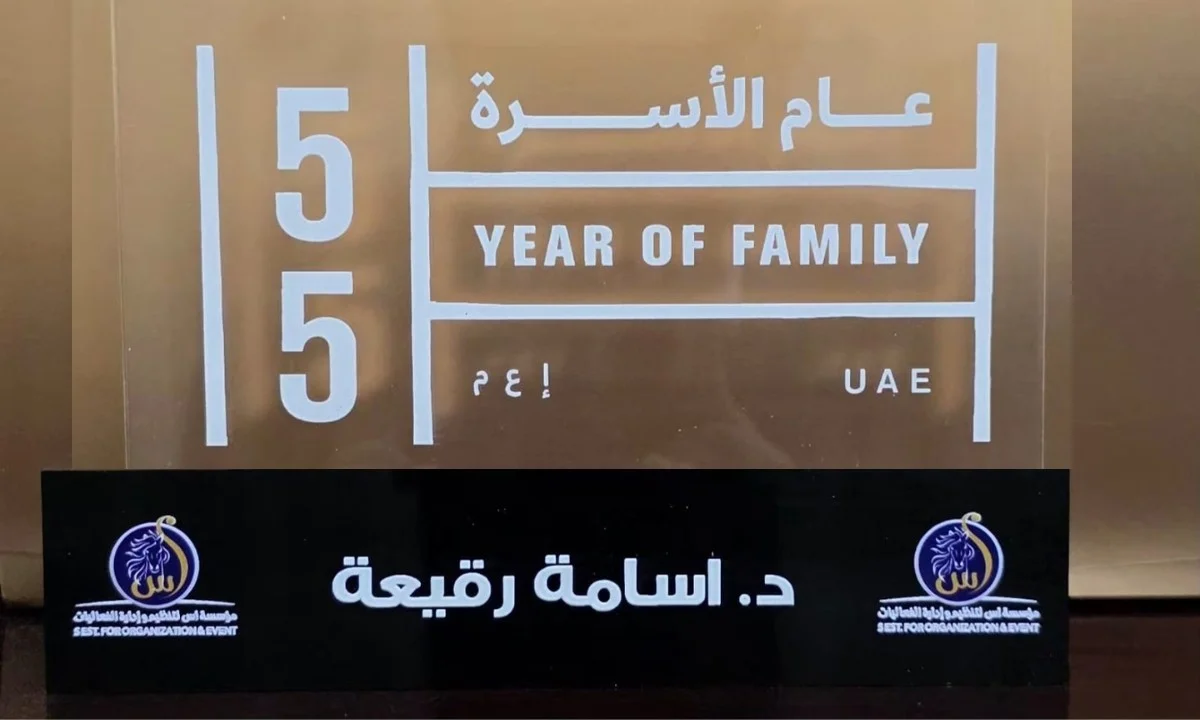
Family Wins “Family of the Year 2026” at Noor Al Quran Event in Ras Al Khaimah
A family honored at the Noor Al Quran initiative in Ras Al Khaimah for Quran memorization and strong
US Approves $16.5B Arms Deal Amid Iran War Escalation
US approves $16.5B arms sale to Gulf allies and $7B to UAE, boosting defence amid Iran tensions whil

UAE Busts Hezbollah-Iran Terror Network, Members Held
UAE authorities have broken a terror network linked to Hezbollah and Iran, arresting members accused

Swiatek Stunned by Linette in Miami Open Upset Shock
Iga Swiatek suffered a shocking defeat to Magda Linette at the Miami Open, marking her first opening

UAE Orphan Fund Raises AED 3.3 Billion in Ramadan Drive
UAE’s Mother of the Nation Orphan Fund raises AED 3.3B in Ramadan, boosting support for education, h

Ramadan in the UAE: Reflections on Humanity, Leadership, and Lasting Values
A heartfelt Ramadan reflection by Osama Regaah on UAE’s spirit of humility, unity, and leadership, a


Bank of Baroda Faces Abu Dhabi Legal Battle over NMC Collapse
Bank of Baroda’s involvement in Abu Dhabi litigation tied to the NMC Healthcare collapse raises repu

Top Museum Openings of 2026 Set to Transform Global Tourism
From Los Angeles to Abu Dhabi and Brussels, 2026 brings major museum launches—Lucas Museum, Guggenhe

UAE Tour Highlights UAE’s Strength in Hosting Global Sports Events
Abu Dhabi Sports Council says the successful UAE Tour reflects the UAE’s leading role in hosting maj

EU Seeks Clarity from US After Supreme Court IEEPA Ruling
European Commission urges full transparency from the US on steps after Supreme Court ruling, emphasi

SpaceX Launches 53 New Satellites for Expanding Starlink Network
SpaceX launches 53 Starlink satellites in two Falcon 9 missions, breaking reuse records and expandin

RTA Awards Contract for Phase II of Hessa Street Upgrade in Dubai
Phase II of Hessa Street Development to add bridges, tunnel, and upgraded intersections, doubling ca

UAE Gold Prices Today, Monday 16 February 2026: Dubai & Abu Dhabi Updated Rates
Gold prices in UAE on 16 Feb 2026 updated: 24K around AED 599.75/gm, 22K AED 555.25/gm, and 18K AED

Over 25 Ahmedabad Schools Receive Bomb Threat Email, Authorities Investigate
More than 25 schools in Ahmedabad evacuated after bomb threat emails mentioning Khalistan. Authoriti