Post by : Sam Jeet Rahman
Disclaimer: This article is for general informational purposes only. Readers should seek professional guidance for specific business or leadership decisions.
The Middle East has evolved into one of the world’s most influential business regions, driven by rapid economic diversification, large-scale development projects, and a growing openness to global innovation. Leaders operating here must not only master universal leadership principles but also understand the region’s cultural values and workplace expectations. Success depends on balancing modern strategy with local traditions, building trust, and motivating diverse teams. This comprehensive guide explores the top leadership skills required to achieve long-term business success in the Middle East while maintaining consistent growth and performance.
The Middle East blends traditional values with modern economic ambitions. Leaders must understand that workplaces here are diverse, multicultural, and relationship-driven. Business success relies not only on expertise but also on cultural understanding, respect, and the ability to communicate effectively. With governments pushing for digital transformation and global competitiveness, leadership roles are becoming even more demanding. The following skills are essential for anyone aiming to lead confidently and effectively in this region.
Cultural awareness is one of the most valuable leadership skills in the Middle East. Leaders must understand that traditions, social etiquette, and respect-based communication shape daily business interactions. Decision-making often includes personal trust, and leaders who ignore cultural norms risk damaging relationships. Sensitivity toward religious practices, holidays, and formalities helps build stronger bonds, especially in long-term partnerships. This awareness builds a positive work culture where employees feel respected and understood.
Clear communication is essential in workplaces filled with professionals from different nationalities and backgrounds. Leaders must express ideas simply and respectfully, avoiding overly direct criticism or confrontational language. Respect remains central to communication styles in the Middle East, especially when interacting with senior management or government representatives. When communicating across cultures, leaders benefit from adjusting tone and approach to ensure understanding and maintain harmony.
Business in the Middle East thrives on strong relationships. Leaders must dedicate time to building trust, as many decisions depend on personal rapport rather than purely contractual agreements. Networking, face-to-face meetings, and consistent follow-through are crucial. Trust, once established, leads to long-term stability, repeat business, and increased loyalty. Leaders who invest in genuine connections experience smoother negotiations and stronger team commitment.
The Middle East is one of the fastest-changing regions, driven by bold transformation visions, major investments, and rapid modernization. Leaders must remain flexible, adjusting strategies in response to market shifts or government policies. Whether it is adapting to technological changes, economic shifts, or evolving consumer expectations, adaptability allows leaders to stay competitive. Leaders who embrace change rather than resist it set their organizations up for long-term success.
Long-term planning is essential in a region known for mega-projects and future-focused national agendas. Leaders must understand industry trends, economic drivers, and potential risks. Strategic thinking enables leaders to set clear goals, allocate resources effectively, and anticipate challenges before they arise. In markets driven by innovation and investment, leaders must adopt a forward-thinking approach that aligns with the region’s long-term development goals.
Emotional intelligence strengthens teamwork, especially in multicultural workplaces. Leaders must understand individual team members’ motivations, challenges, and cultural backgrounds. High emotional intelligence helps leaders handle conflicts, provide constructive feedback, and maintain morale during stressful situations. When employees feel understood and valued, they perform better, stay loyal, and contribute positively to the company’s vision.
Digital transformation is reshaping Middle Eastern industries, especially in the UAE and Saudi Arabia. Leaders must stay informed about emerging technologies such as artificial intelligence, automation, cybersecurity, and smart city systems. Encouraging innovation within teams, supporting upskilling, and investing in digital solutions help companies remain competitive. Leaders who value technology are better equipped to guide their organizations into the future.
Ethical behavior is a major expectation in Middle Eastern business culture. Transparency, fairness, and honesty guide strong leadership. Ethical leaders build trust among employees, clients, and partners by acting consistently and responsibly. They follow regulations, maintain accountability, and promote professional integrity. This approach strengthens the organization’s reputation and builds long-lasting credibility in the market.
The region’s dynamic business environment often requires quick decisions, especially in high-growth sectors. Leaders must analyze information wisely, evaluate risks, and act confidently. Delays may result in lost opportunities, especially in highly competitive markets. Strong decision-making combines intuition with data-driven insights, ensuring the best outcomes while maintaining stability during challenging periods.
Empowering employees plays a vital role in long-term success. Leaders must provide resources, training, and mentorship to help teams improve their skills and performance. Delegating responsibilities boosts confidence and efficiency, while recognizing achievements strengthens motivation. With an increasing emphasis on local talent development, leaders must focus on nurturing both local and international employees to create a balanced and capable workforce.
With multicultural teams, disagreements are natural. Leaders must approach conflicts with diplomacy, ensuring fairness and maintaining harmony. Instead of confrontation, leaders should listen carefully, understand perspectives, and work toward mutually beneficial solutions. Diplomacy not only resolves issues efficiently but also strengthens team relationships and prevents long-term misunderstandings.
Effective leaders take responsibility for outcomes, whether positive or negative. Accountability builds trust, especially in a region where reputation holds significant value. Leaders must inspire teams by demonstrating ownership of decisions, results, and challenges. This attitude encourages employees to adopt similar levels of responsibility, creating a culture of reliability and professionalism.
Leaders must inspire teams by sharing a clear vision and purpose. Employees in the Middle East value stability, career growth, and recognition. By communicating goals clearly and aligning team efforts with organizational objectives, leaders create a sense of direction. Motivation comes from consistent support, recognition, and clear opportunities for advancement.
Workplaces in the Middle East often include people from numerous countries, each with different work ethics, communication styles, and expectations. Leaders must manage this diversity with understanding and fairness. Respecting cultural differences and creating an inclusive environment improves teamwork, creativity, and engagement. Leaders who value diversity outperform others in innovation and productivity.
Economic shifts, political changes, and global events can impact Middle Eastern markets. Leaders must be equipped to handle crises calmly and strategically. Resilience allows leaders to maintain stability, reassure teams, and implement solutions effectively. By preparing for uncertainties and responding with confidence, leaders strengthen the organization’s ability to overcome challenges.
Leadership in the Middle East requires a balanced combination of cultural understanding, strategic planning, resilience, and innovation. Leaders who embrace the region’s values, respect its traditions, and encourage collaboration will see greater business success. By mastering these essential leadership skills, professionals can create strong organizations, build loyal teams, and contribute to the region’s growing global influence. The Middle East offers immense opportunities for those who lead with integrity, adaptability, and vision.
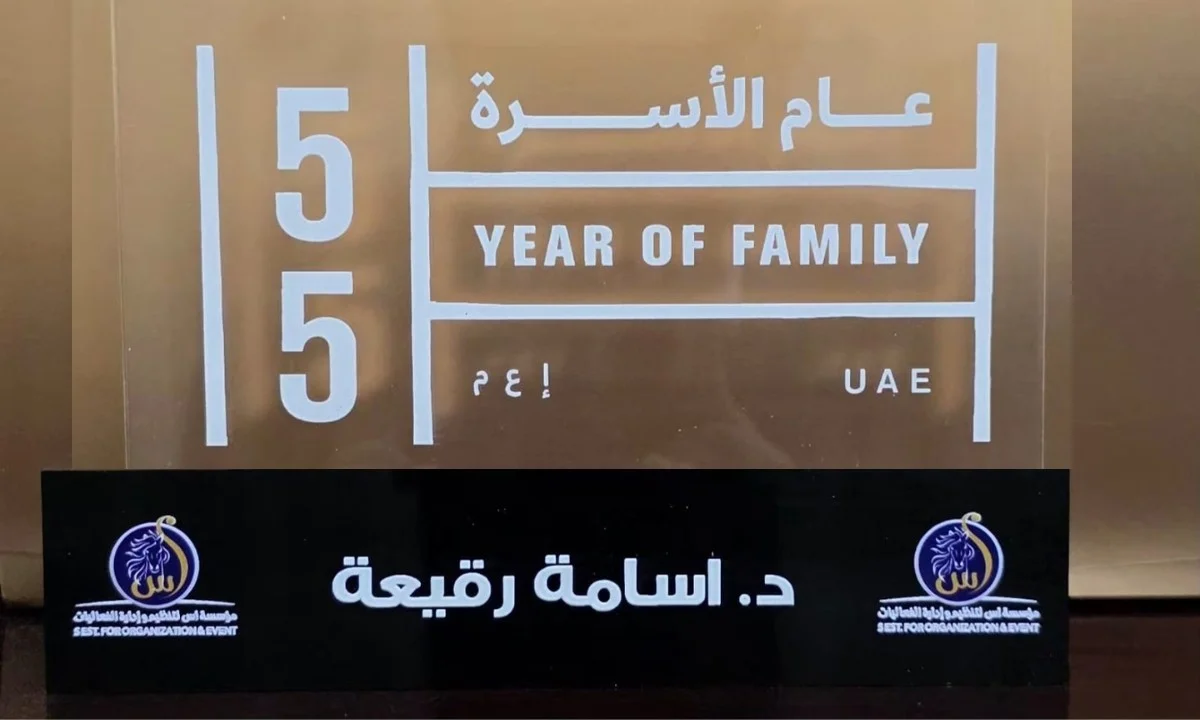
Family Wins “Family of the Year 2026” at Noor Al Quran Event in Ras Al Khaimah
A family honored at the Noor Al Quran initiative in Ras Al Khaimah for Quran memorization and strong
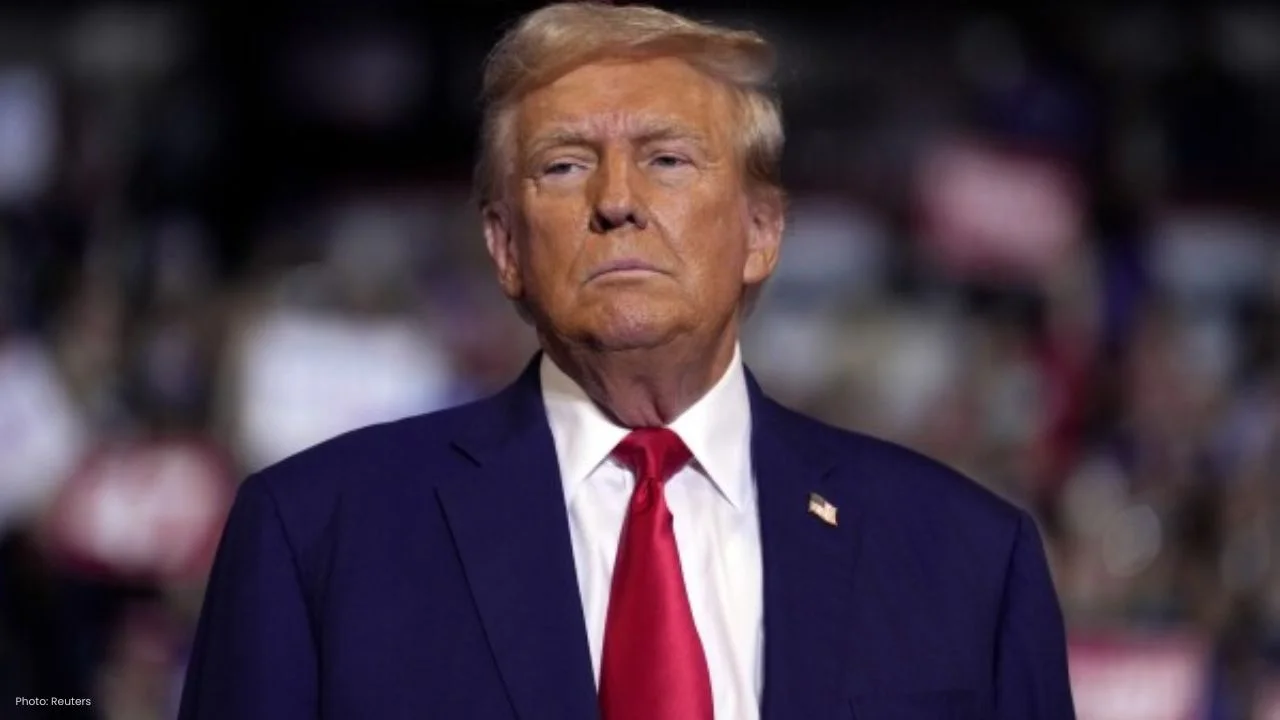
US Approves $16.5B Arms Deal Amid Iran War Escalation
US approves $16.5B arms sale to Gulf allies and $7B to UAE, boosting defence amid Iran tensions whil
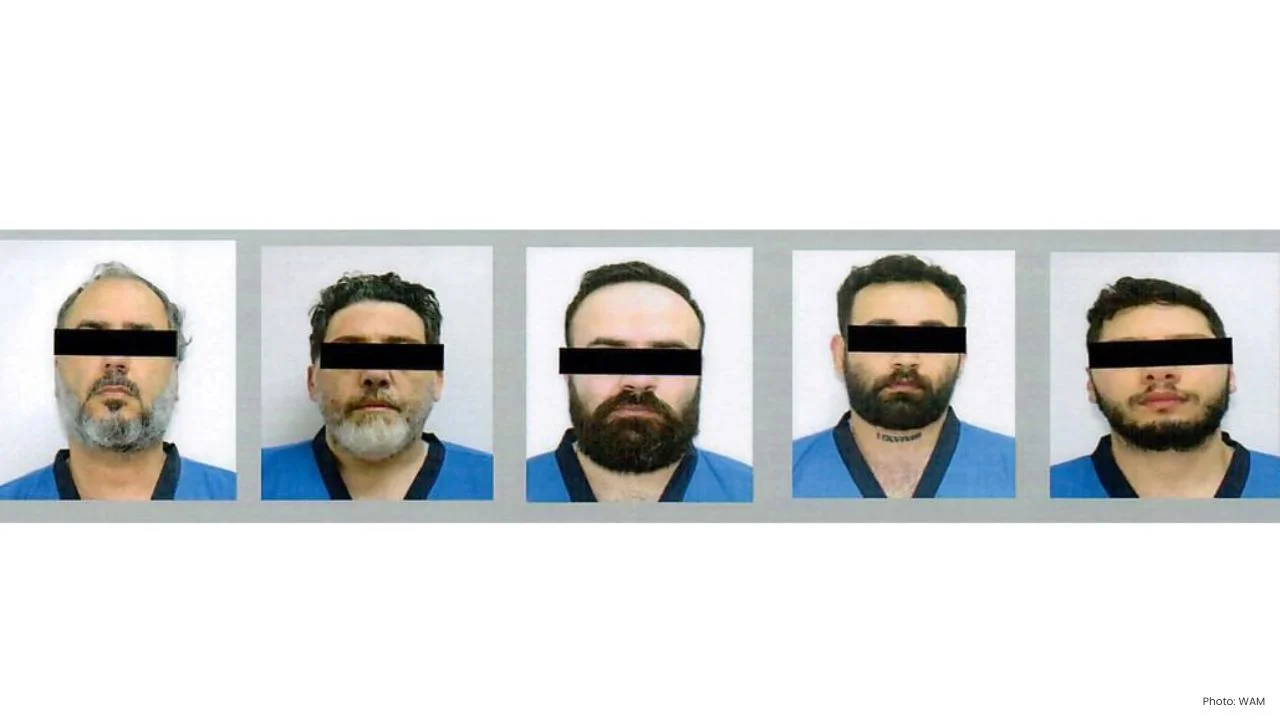
UAE Busts Hezbollah-Iran Terror Network, Members Held
UAE authorities have broken a terror network linked to Hezbollah and Iran, arresting members accused

Swiatek Stunned by Linette in Miami Open Upset Shock
Iga Swiatek suffered a shocking defeat to Magda Linette at the Miami Open, marking her first opening

UAE Orphan Fund Raises AED 3.3 Billion in Ramadan Drive
UAE’s Mother of the Nation Orphan Fund raises AED 3.3B in Ramadan, boosting support for education, h
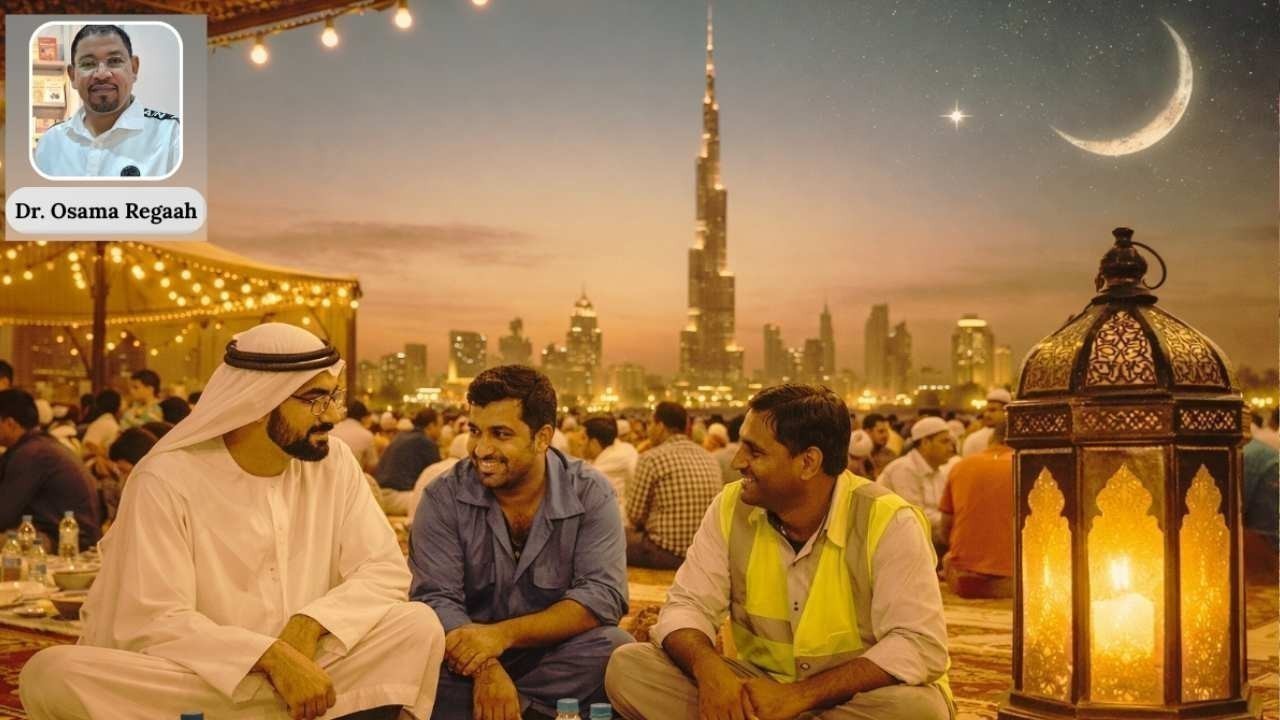
Ramadan in the UAE: Reflections on Humanity, Leadership, and Lasting Values
A heartfelt Ramadan reflection by Osama Regaah on UAE’s spirit of humility, unity, and leadership, a

Dhurandhar 2 Opens Big, Crosses ₹100 Cr on Day 1
Ranveer Singh starrer Dhurandhar 2 earns ₹102 Cr on day one despite delays, beating past Bollywood o


Bank of Baroda Faces Abu Dhabi Legal Battle over NMC Collapse
Bank of Baroda’s involvement in Abu Dhabi litigation tied to the NMC Healthcare collapse raises repu
Top Museum Openings of 2026 Set to Transform Global Tourism
From Los Angeles to Abu Dhabi and Brussels, 2026 brings major museum launches—Lucas Museum, Guggenhe

UAE Tour Highlights UAE’s Strength in Hosting Global Sports Events
Abu Dhabi Sports Council says the successful UAE Tour reflects the UAE’s leading role in hosting maj

EU Seeks Clarity from US After Supreme Court IEEPA Ruling
European Commission urges full transparency from the US on steps after Supreme Court ruling, emphasi

SpaceX Launches 53 New Satellites for Expanding Starlink Network
SpaceX launches 53 Starlink satellites in two Falcon 9 missions, breaking reuse records and expandin

RTA Awards Contract for Phase II of Hessa Street Upgrade in Dubai
Phase II of Hessa Street Development to add bridges, tunnel, and upgraded intersections, doubling ca

UAE Gold Prices Today, Monday 16 February 2026: Dubai & Abu Dhabi Updated Rates
Gold prices in UAE on 16 Feb 2026 updated: 24K around AED 599.75/gm, 22K AED 555.25/gm, and 18K AED

Over 25 Ahmedabad Schools Receive Bomb Threat Email, Authorities Investigate
More than 25 schools in Ahmedabad evacuated after bomb threat emails mentioning Khalistan. Authoriti