Post by : Anis Karim
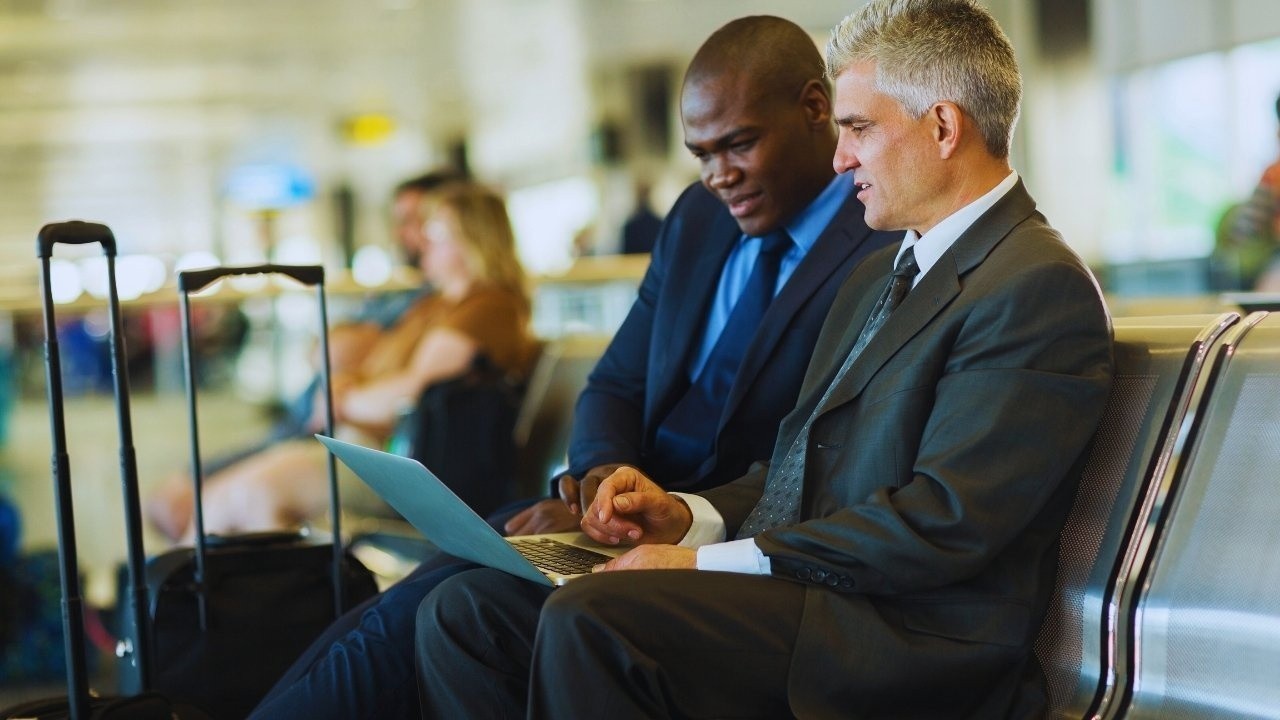
The once-clear divide between work and vacation has blurred. Professionals are no longer flying in, finishing meetings, and returning home the next day. Instead, they’re extending business trips into personal mini-holidays, exploring local culture, cuisine, and attractions. This new trend, called bleisure—a blend of business and leisure—has evolved beyond convenience into a lifestyle statement.
What began as a niche phenomenon among frequent flyers has now become a global movement. Companies have started encouraging employees to mix leisure into their corporate travel schedules, recognizing the benefits it brings in reducing burnout, enhancing creativity, and strengthening job satisfaction.
The seeds of bleisure were planted years ago, but the pandemic accelerated its growth. As remote work became normal, employees realized that location no longer dictated productivity. The ability to “work from anywhere” opened doors to new travel possibilities. When borders reopened, business travelers carried that mindset forward—combining work duties with personal exploration.
According to recent travel industry data, more than 60% of business travelers now plan to add leisure days to work trips. Major travel agencies and hotel chains have restructured their offerings to accommodate this growing segment. Flexible check-ins, work-friendly rooms, and local experiences tailored for professionals have become the new standard.
For the modern workforce, bleisure is not just about fun—it’s about balance. The relentless pace of digital work has made downtime essential. Extending a work trip into a weekend getaway allows professionals to decompress without the need for separate vacation planning.
Employees see it as a way to make the most of their travel expenses. If a company covers the airfare and partial stay, using personal time for exploration becomes financially smart. Many see bleisure as a form of self-care that combats workplace stress while enriching personal growth.
More importantly, the psychological benefits are undeniable. Employees return home refreshed, inspired, and more loyal to employers who allow such flexibility. Companies are learning that supporting bleisure policies can improve morale, retention, and even productivity in the long run.
Companies once wary of mixing business and personal time now view it as an asset. The focus has shifted from strict travel rules to outcome-based policies. As long as work goals are met, many employers are happy to grant employees flexibility to explore on their own terms.
Global corporations such as Google, Deloitte, and Salesforce have already integrated flexible travel options into their corporate wellness programs. Some even offer travel credits for employees to extend their stays, encouraging cultural exposure and creativity.
HR departments now collaborate with travel management firms to design “bleisure-friendly” packages that ensure safety, insurance coverage, and seamless transitions from work to relaxation. It’s no longer a gray area—it’s part of the corporate ecosystem.
Not all cities are equally suited for bleisure travel. Urban hubs with rich cultural offerings, strong digital infrastructure, and easy accessibility top the charts.
Cities like Singapore, Dubai, Bangkok, and Kuala Lumpur have become global centers for bleisure travelers. Their business districts coexist with world-class dining, entertainment, and nature experiences—offering professionals the best of both worlds.
Dubai, for instance, attracts executives attending conferences at the World Trade Centre who then unwind by the beaches of Jumeirah or explore the desert dunes. In Southeast Asia, Bangkok’s coworking cafés and vibrant street culture make it an ideal bleisure hotspot.
Even smaller cities are catching up, investing in digital infrastructure, high-speed internet, and lifestyle-friendly facilities to cater to remote workers and business visitors seeking longer stays.
Technology is the invisible engine driving this revolution. AI-based travel apps curate personalized itineraries, suggesting local activities that fit within meeting schedules. Smart hotel rooms now feature ergonomic workstations, high-speed Wi-Fi, and wellness amenities for guests who blur the lines between work and rest.
Digital travel assistants are being integrated into business platforms, allowing professionals to manage bookings, video calls, and expense reports in one place. The rise of “smart hospitality” means travelers can attend a virtual conference from a mountain lodge or reply to client emails between snorkeling sessions.
With the advent of the metaverse, virtual networking events even allow professionals to connect with colleagues globally while staying physically mobile. Technology isn’t just enabling bleisure—it’s perfecting it.
The shift toward bleisure has significant implications for the global travel economy. Business travel used to be predictable and limited to weekdays. Now, travelers extend their stays through weekends, boosting revenue for hotels, local restaurants, and attractions.
The travel industry has responded quickly. Airlines offer mixed packages, combining corporate discounts with family-friendly extensions. Hotels design loyalty programs that reward longer stays. Tourism boards are promoting “workation-friendly” destinations to attract international professionals.
As a result, bleisure travelers contribute billions in additional spending each year. Local economies benefit from increased cultural engagement, off-season travel, and community-based tourism, creating a sustainable balance between business and leisure demand.
Interestingly, the bleisure trend aligns with sustainable travel goals. By extending stays, travelers reduce the frequency of flights, cutting down their carbon footprint. Moreover, staying longer promotes slow tourism—engaging more deeply with local communities rather than hopping from city to city.
Businesses are also adopting eco-conscious policies that tie into bleisure principles. Instead of multiple short business trips, employees are encouraged to combine several meetings into one extended visit, maximizing efficiency and minimizing travel emissions.
Sustainability has thus become an integral part of the bleisure conversation—connecting environmental awareness with mindful work-life integration.
Despite its growing popularity, bleisure travel raises questions. Who bears responsibility for insurance coverage during personal time? How are expenses divided between company and individual use?
Some corporations remain cautious due to legal and financial gray areas. Employers must establish clear guidelines regarding liability, reimbursement, and data security while employees use corporate devices abroad.
Another challenge is maintaining productivity. While flexible travel encourages creativity, it can also blur boundaries. Striking the right balance between relaxation and responsibility remains essential for both sides.
Nonetheless, as companies refine their policies and technology simplifies oversight, these challenges are gradually being addressed.
The rise of bleisure signals a deeper cultural transformation. Work is no longer confined to an office, nor is travel purely recreational. The two worlds have merged into a hybrid model where professional goals and personal well-being coexist harmoniously.
In the coming years, bleisure is expected to evolve into “work-life tourism,” where people spend months in a city working remotely while exploring new cultures. Governments and tourism boards are already responding with digital nomad visas, allowing extended stays without traditional work permits.
This shift redefines success—not as hours worked but as experiences gained. The modern professional doesn’t want to just earn; they want to live, learn, and travel meaningfully.
Bleisure 2.0 represents the evolution of how we view work and leisure—not as opposites, but as partners in a balanced lifestyle. It’s a reflection of a generation that values flexibility, mental health, and cultural engagement over rigid corporate norms.
For companies, embracing this trend means nurturing happier, more loyal, and creative employees. For travelers, it’s a gateway to richer experiences without sacrificing professional growth.
The future of work travel is no longer about efficiency alone—it’s about fulfillment. Bleisure is not a passing fad; it’s the blueprint for how the global workforce will live and move in the years ahead.
This article is for informational and editorial purposes only. It reflects current trends and general insights into the bleisure travel phenomenon. Readers should verify travel and corporate policies independently before making decisions.
Dubai Property Market Faces War-Driven Slowdown
Dubai’s real estate market shows early slowdown as Iran war impacts investor confidence, with fallin

Trump Hints at Ending Military Ops as US Eases Iran Oil Sanctions
Trump may soon end US military action in the Middle East as Iran attacks continue. US temporarily ea

Aryna Sabalenka Survives Tough Battle at Miami Open
World No.1 Aryna Sabalenka wins a tight match vs Ann Li at Miami Open. Top seeds Alcaraz, Rybakina,
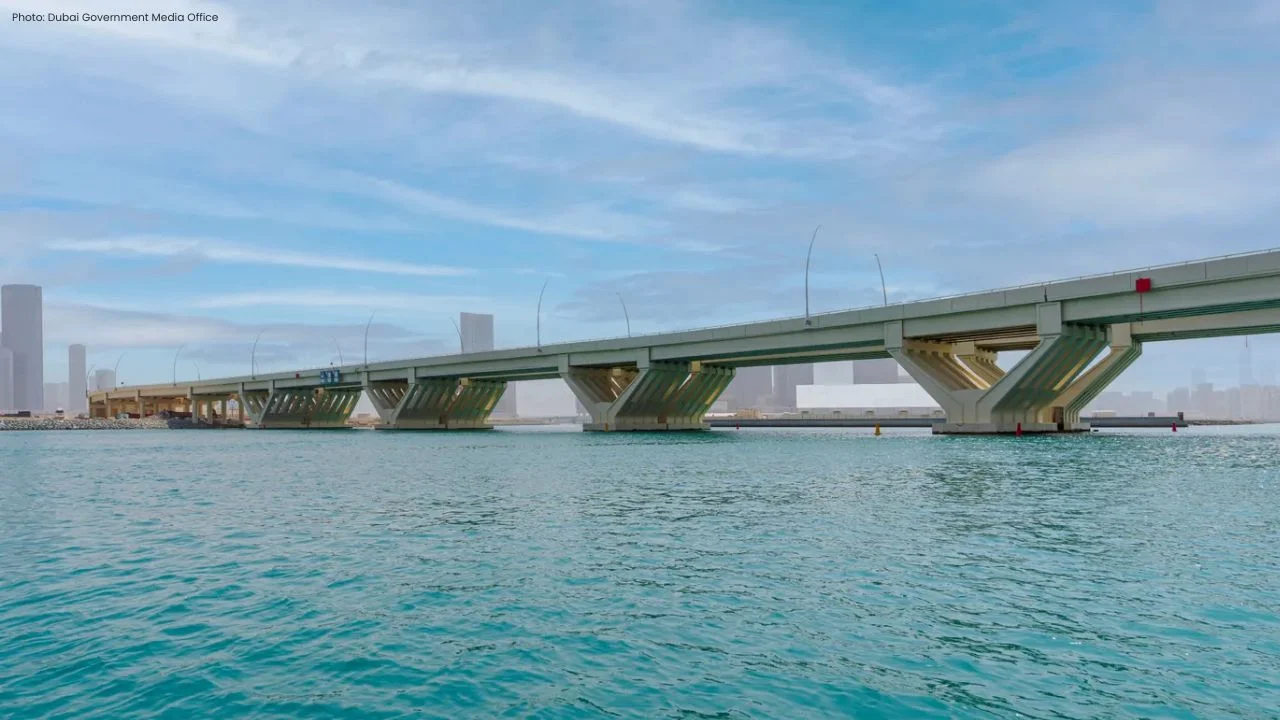
Abu Dhabi Opens Two New Bridges to Cut Traffic by 60%
DMT launches two high-capacity bridges linking Al Reem Island to E‑12, reducing travel time by 15 mi
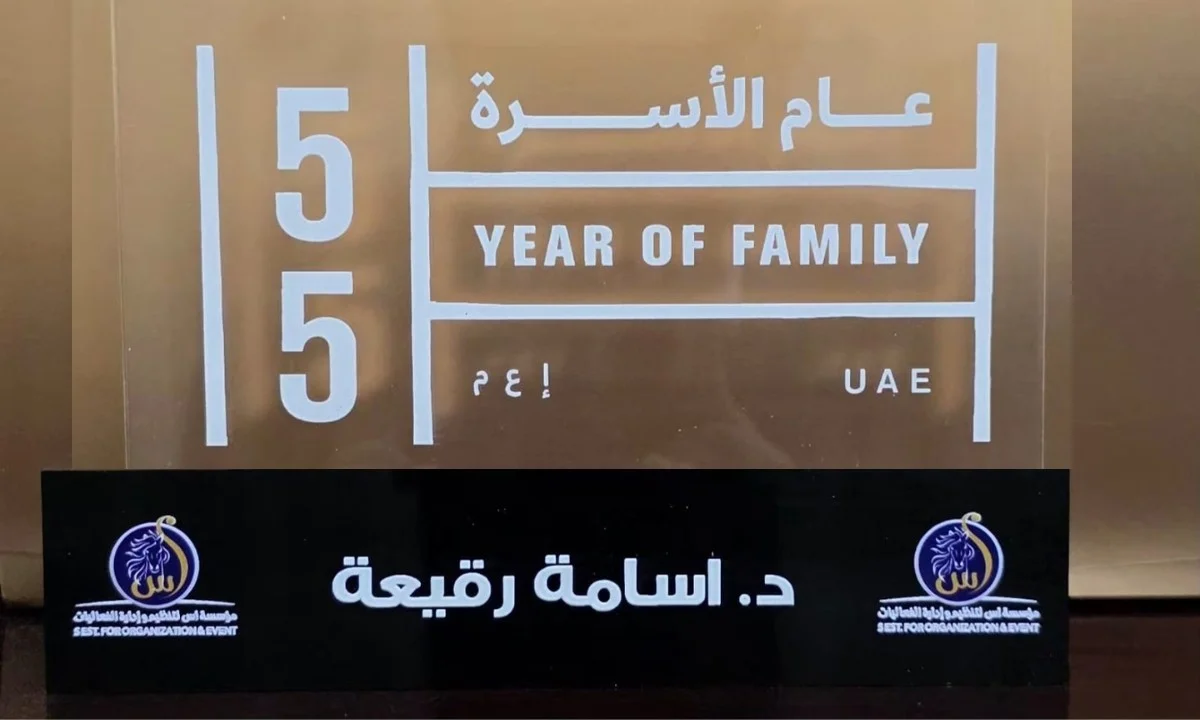
Family Wins “Family of the Year 2026” at Noor Al Quran Event in Ras Al Khaimah
A family honored at the Noor Al Quran initiative in Ras Al Khaimah for Quran memorization and strong

US Approves $16.5B Arms Deal Amid Iran War Escalation
US approves $16.5B arms sale to Gulf allies and $7B to UAE, boosting defence amid Iran tensions whil
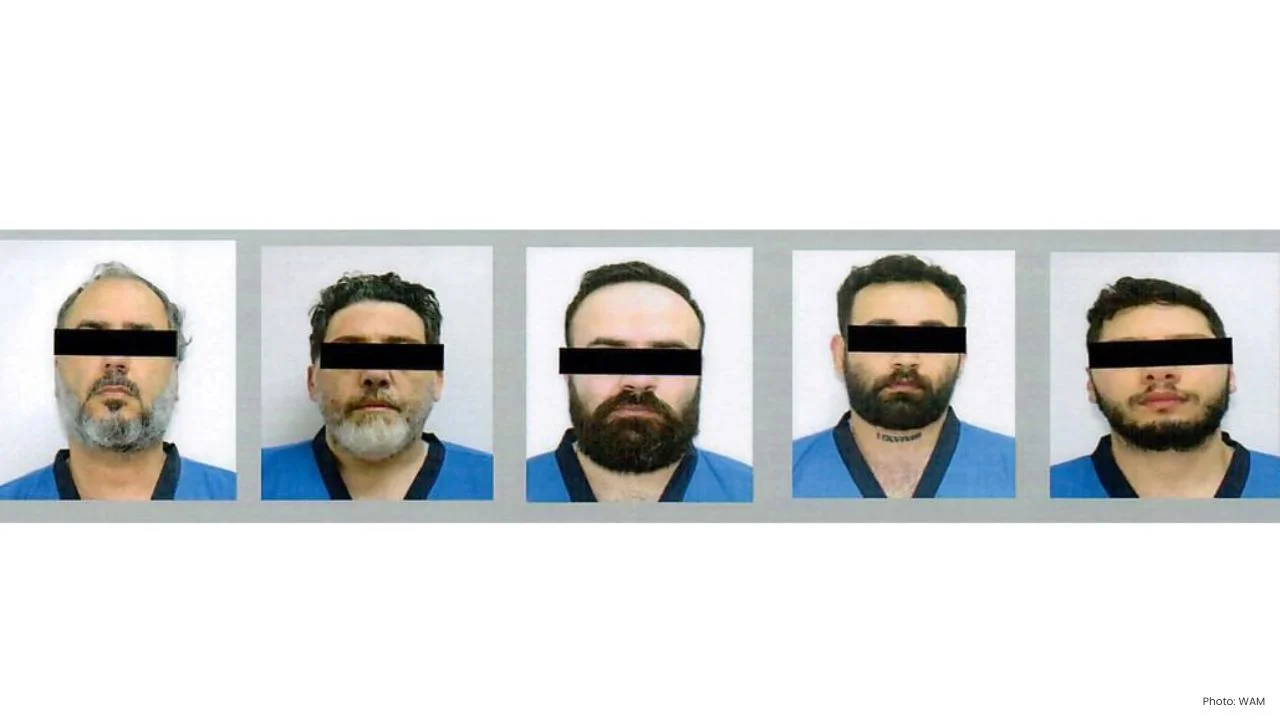
UAE Busts Hezbollah-Iran Terror Network, Members Held
UAE authorities have broken a terror network linked to Hezbollah and Iran, arresting members accused


Bank of Baroda Faces Abu Dhabi Legal Battle over NMC Collapse
Bank of Baroda’s involvement in Abu Dhabi litigation tied to the NMC Healthcare collapse raises repu
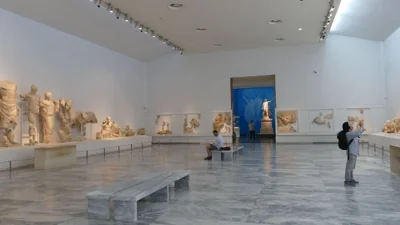
Top Museum Openings of 2026 Set to Transform Global Tourism
From Los Angeles to Abu Dhabi and Brussels, 2026 brings major museum launches—Lucas Museum, Guggenhe
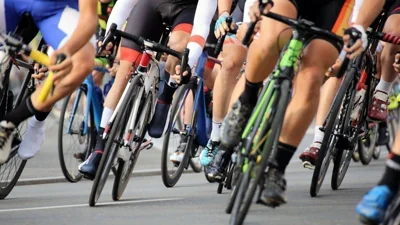
UAE Tour Highlights UAE’s Strength in Hosting Global Sports Events
Abu Dhabi Sports Council says the successful UAE Tour reflects the UAE’s leading role in hosting maj
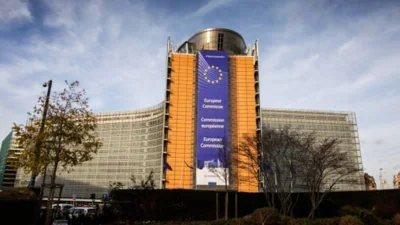
EU Seeks Clarity from US After Supreme Court IEEPA Ruling
European Commission urges full transparency from the US on steps after Supreme Court ruling, emphasi
SpaceX Launches 53 New Satellites for Expanding Starlink Network
SpaceX launches 53 Starlink satellites in two Falcon 9 missions, breaking reuse records and expandin
RTA Awards Contract for Phase II of Hessa Street Upgrade in Dubai
Phase II of Hessa Street Development to add bridges, tunnel, and upgraded intersections, doubling ca

UAE Gold Prices Today, Monday 16 February 2026: Dubai & Abu Dhabi Updated Rates
Gold prices in UAE on 16 Feb 2026 updated: 24K around AED 599.75/gm, 22K AED 555.25/gm, and 18K AED

Over 25 Ahmedabad Schools Receive Bomb Threat Email, Authorities Investigate
More than 25 schools in Ahmedabad evacuated after bomb threat emails mentioning Khalistan. Authoriti