Post by : Zayd Kamal
Football, a sport that ignites passion and unites people across continents, has an intriguing history that spans centuries. From humble beginnings in ancient civilizations to its rise as a global phenomenon, the journey of football is one of transformation, cultural exchange, and universal appeal. The journey of football from ancient times to worldwide recognition is a tale of evolution, where diverse traditions and societies contributed to shaping the modern game we cherish today. In this article, we explore the rich history of football, its early origins, and how it blossomed into the global sport it is today.
Football, in its earliest form, can be traced back to ancient civilizations, where different cultures developed games that shared similarities with today’s football. In ancient China, a game called cuju was played during the Han Dynasty (206 BC – 220 AD), where players used a leather ball to kick through a net. This game, while not identical to modern football, laid the foundation for the sport's development.
Similarly, ancient Greeks played a game called Episkyros, which was a team-based game with a ball, often compared to rugby, but with some elements resembling football. The Romans also had a version of football known as Harpastum, a fast-paced game that was played with a small ball, though it was more akin to a mix of rugby and soccer.
However, the true evolution of football as we know it today began to take shape in medieval England. During the 8th to 12th centuries, various forms of the game were played, often referred to as mob football, where teams of villagers competed in chaotic matches that could involve hundreds of players and entire towns. The objective was simple: to move a ball, made of inflated animal bladders, to the opposing team's goal, using anything but violence.
The modern history of football began to take shape in the 19th century in England, where a desire for standard rules led to the creation of what we now recognize as association football. In 1863, the Football Association (FA) was formed, and they established the first official rules, distinguishing it from other forms of football, such as rugby. The invention of the FA's rulebook allowed for the codification of the game, setting standards that would spread across the world.
The establishment of rules made football more structured and organized, leading to its acceptance in schools, clubs, and universities across Britain. The growth of clubs, including renowned institutions such as Notts County and Fulham, played a significant role in popularizing the sport.
Once standardized in England, football spread rapidly across the globe. British traders, sailors, and soldiers carried the game to various countries, sparking a worldwide interest in the sport. The globalization of football was propelled by the British Empire’s reach, as well as the increasing movement of people and ideas through international trade and travel.
By the late 19th century, football had taken root in countries like Argentina, Brazil, Spain, and Italy, where it was embraced with great enthusiasm. The establishment of clubs and local competitions in these regions gave rise to fierce rivalries, which would become an integral part of the sport's cultural fabric.
The 20th century marked a period of immense growth for football, as it became a major part of international culture. The creation of the FIFA World Cup in 1930, the first ever global football tournament, cemented football's status as the world's most popular sport. Countries from all corners of the globe now had the opportunity to showcase their talent on the world stage, further uniting nations through the universal language of the game.

As the 20th century progressed, football's influence and popularity only grew. From its early days as a pastime for English schoolboys, it had evolved into a major global event. Television broadcasts brought major football leagues and tournaments into people's homes, creating a mass following for the sport. Football clubs, like FC Barcelona, Manchester United, and Real Madrid, became international brands, attracting millions of fans worldwide.
The late 20th and early 21st centuries saw football evolve into a multi-billion-dollar industry, with lucrative sponsorship deals, endorsements, and media rights contributing to its financial success. World-famous footballers, such as Pelé, Diego Maradona, Lionel Messi, and Cristiano Ronaldo, became household names, symbolizing the global reach of the sport.
International tournaments, like the FIFA World Cup, the UEFA Champions League, and regional tournaments such as the Copa América, further boosted football’s popularity. These events showcased the best players from around the world, attracting millions of viewers, making football a shared experience that transcends borders, languages, and cultures.
Today, football is more than just a game—it is a global phenomenon that connects billions of people. With its massive fan base, football continues to influence various aspects of life, from culture and politics to economics and social movements. The sport has become a vehicle for social change, used to promote unity, peace, and even political agendas.
As the sport continues to evolve, the introduction of technology, like VAR (Video Assistant Referee), has transformed how football is played and officiated, enhancing fairness and accuracy. The sport's growth in emerging markets, such as Asia and Africa, promises to bring fresh talent and perspectives to the global football community.
The journey of football from ancient times to worldwide recognition is an ongoing story. As the game continues to evolve, it remains a constant reminder of the power of sport to unite people from different walks of life, fostering a sense of global community. The love for football transcends generations, and its future is as exciting as its past.
The journey of football from ancient times to worldwide recognition shows how football evolved from ancient games to the modern sport we all know today. The sport started in ancient civilizations like China and Greece, where people played ball games. Over time, the journey of football from ancient times to worldwide recognition grew, with many countries adopting the game. In the 19th century, England developed the rules, and football began to spread across the world. The journey of football from ancient times to worldwide recognition became even more exciting with the creation of the FIFA World Cup, which brought countries together. Today, football is the world’s most popular sport, connecting millions of people across different cultures and nations. The game continues to grow, making the journey of football from ancient times to worldwide recognition a story that never ends.
Disclaimer: The views expressed in this article are based on publicly available information and reflect the author's understanding of the subject. This content is brought to you by dxb news network and is intended for informational purposes only.
Football history, Ancient football games, Football evolution, Football's global spread, Football rules, FIFA World Cup, Football's worldwide recognition, Football origins, Modern football, Football's cultural impact, Football clubs, Football development, Football fans, Football growth, Global football, Football tournament history, Football's universal appeal

Dubai Property Market Faces War-Driven Slowdown
Dubai’s real estate market shows early slowdown as Iran war impacts investor confidence, with fallin
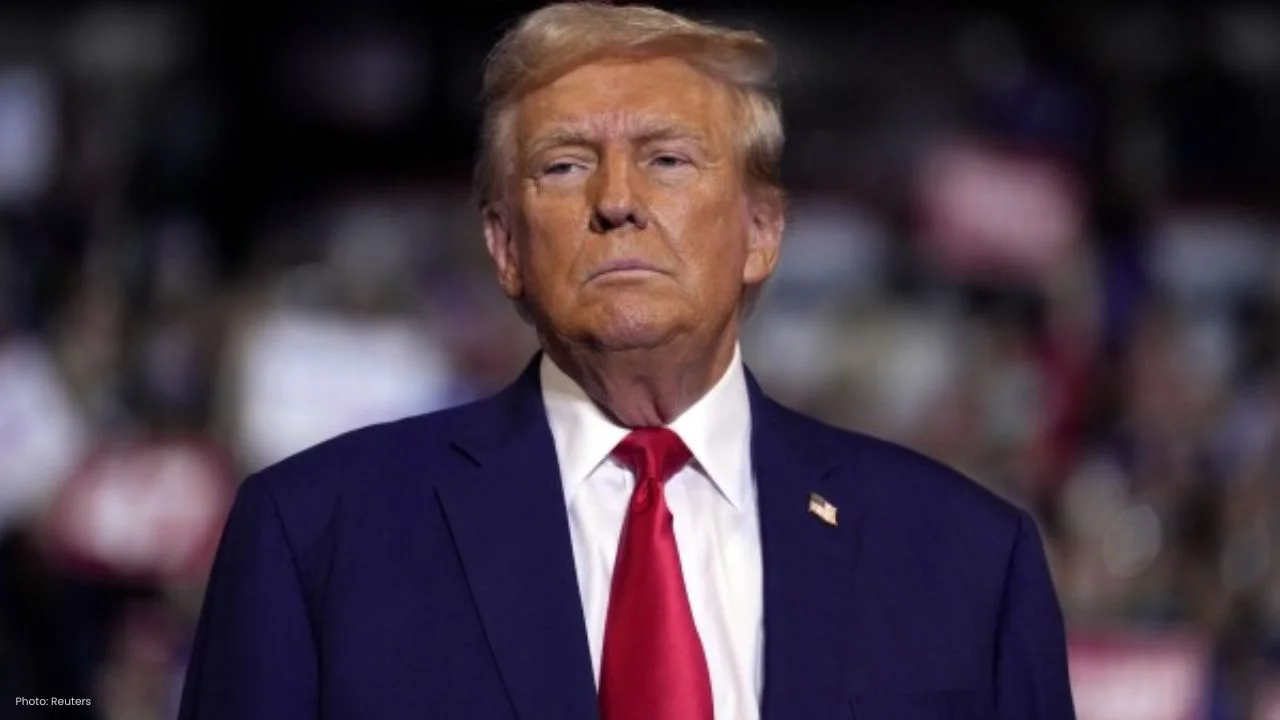
Trump Hints at Ending Military Ops as US Eases Iran Oil Sanctions
Trump may soon end US military action in the Middle East as Iran attacks continue. US temporarily ea

Aryna Sabalenka Survives Tough Battle at Miami Open
World No.1 Aryna Sabalenka wins a tight match vs Ann Li at Miami Open. Top seeds Alcaraz, Rybakina,

Abu Dhabi Opens Two New Bridges to Cut Traffic by 60%
DMT launches two high-capacity bridges linking Al Reem Island to E‑12, reducing travel time by 15 mi
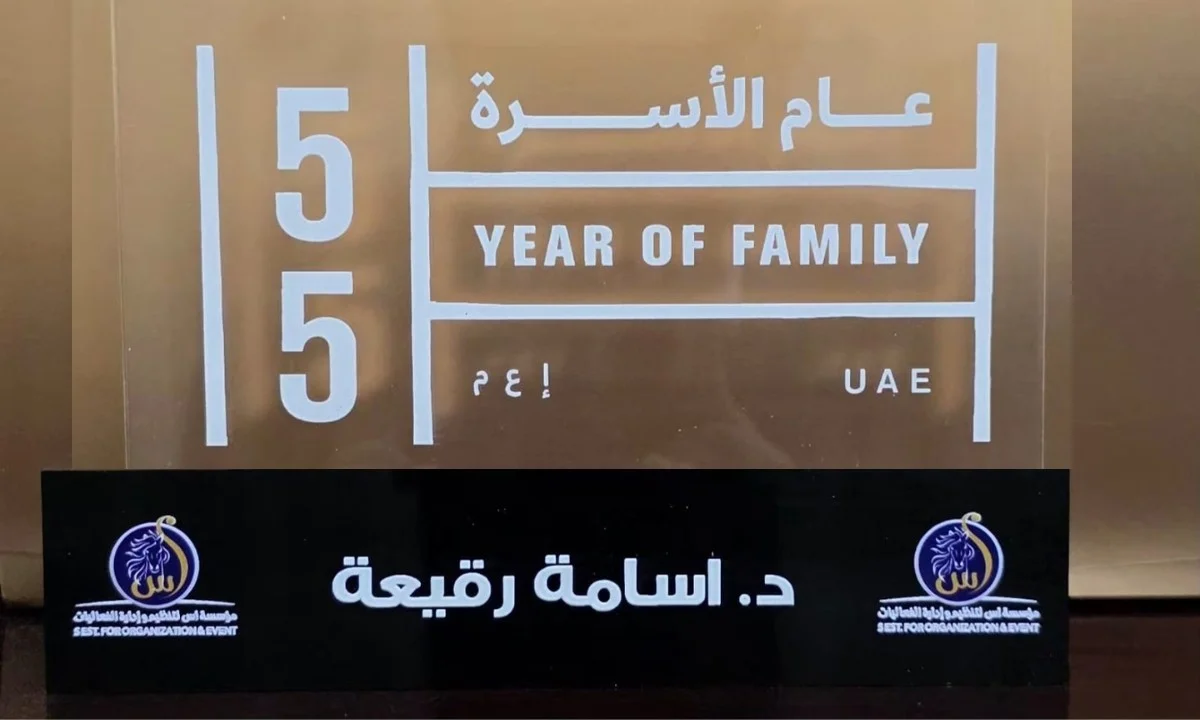
Family Wins “Family of the Year 2026” at Noor Al Quran Event in Ras Al Khaimah
A family honored at the Noor Al Quran initiative in Ras Al Khaimah for Quran memorization and strong
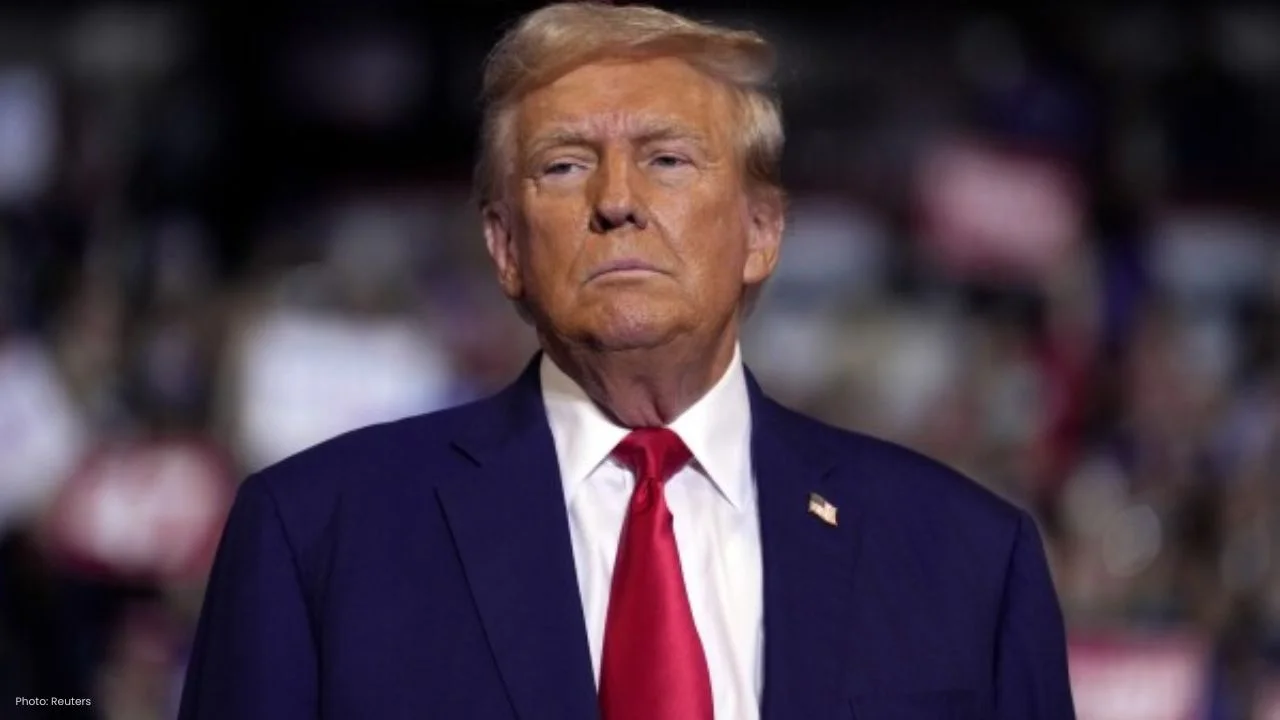
US Approves $16.5B Arms Deal Amid Iran War Escalation
US approves $16.5B arms sale to Gulf allies and $7B to UAE, boosting defence amid Iran tensions whil

UAE Busts Hezbollah-Iran Terror Network, Members Held
UAE authorities have broken a terror network linked to Hezbollah and Iran, arresting members accused


Bank of Baroda Faces Abu Dhabi Legal Battle over NMC Collapse
Bank of Baroda’s involvement in Abu Dhabi litigation tied to the NMC Healthcare collapse raises repu

Top Museum Openings of 2026 Set to Transform Global Tourism
From Los Angeles to Abu Dhabi and Brussels, 2026 brings major museum launches—Lucas Museum, Guggenhe

UAE Tour Highlights UAE’s Strength in Hosting Global Sports Events
Abu Dhabi Sports Council says the successful UAE Tour reflects the UAE’s leading role in hosting maj
EU Seeks Clarity from US After Supreme Court IEEPA Ruling
European Commission urges full transparency from the US on steps after Supreme Court ruling, emphasi
SpaceX Launches 53 New Satellites for Expanding Starlink Network
SpaceX launches 53 Starlink satellites in two Falcon 9 missions, breaking reuse records and expandin

RTA Awards Contract for Phase II of Hessa Street Upgrade in Dubai
Phase II of Hessa Street Development to add bridges, tunnel, and upgraded intersections, doubling ca

UAE Gold Prices Today, Monday 16 February 2026: Dubai & Abu Dhabi Updated Rates
Gold prices in UAE on 16 Feb 2026 updated: 24K around AED 599.75/gm, 22K AED 555.25/gm, and 18K AED

Over 25 Ahmedabad Schools Receive Bomb Threat Email, Authorities Investigate
More than 25 schools in Ahmedabad evacuated after bomb threat emails mentioning Khalistan. Authoriti