Post by : Zayd Kamal
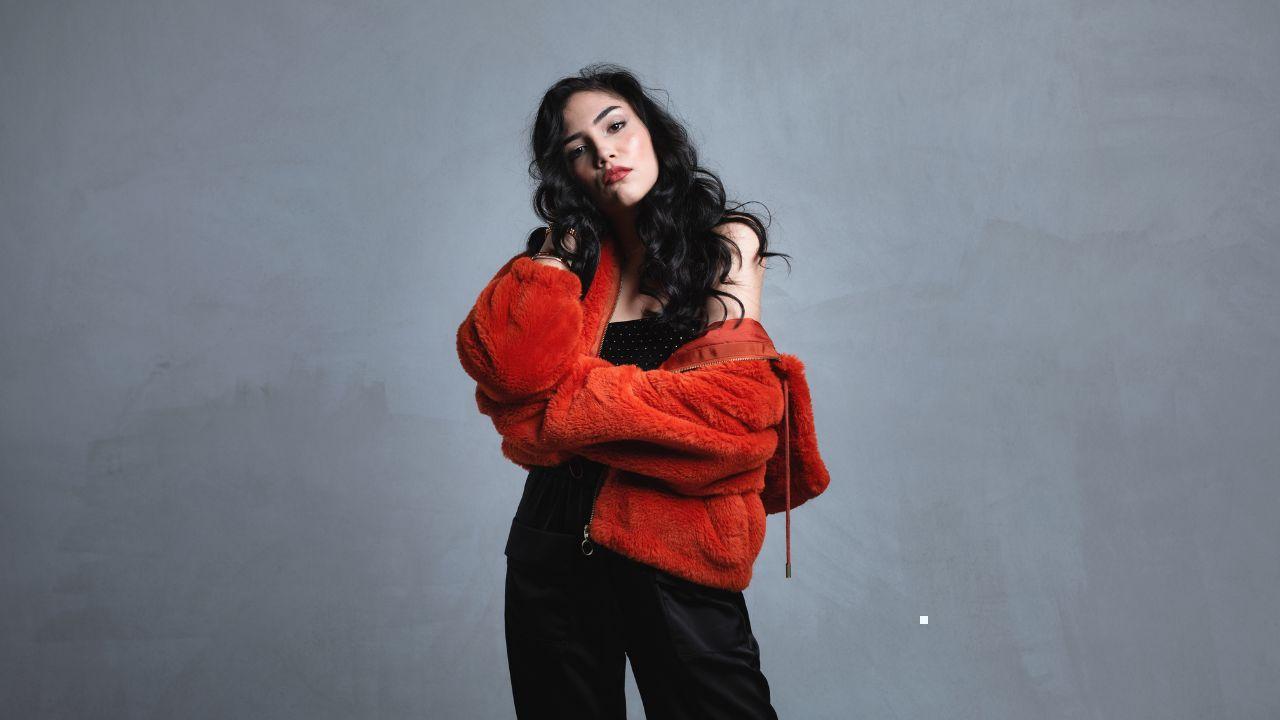
In recent years, the entertainment and fashion industries have witnessed a groundbreaking change—the rise of virtual influencers. These digital personas, created using computer graphics and artificial intelligence, are making waves across social media, advertising, and brand marketing. The growth of virtual models: a new challenge for influencers in 2025 is an important topic to explore, especially as the influence of technology in the influencer marketing space continues to expand. As we approach 2025, traditional influencers are beginning to see their roles challenged by these fully digital creations. With the ability to maintain a constant online presence, change appearance, and collaborate with top brands without the limitations of real-world constraints, virtual models are reshaping the influencer landscape.
Virtual models are entirely computer-generated characters that can perform like real-life models, promoting products and services, and engaging with online communities. Created using sophisticated computer graphics, these digital beings can be dressed in various fashion styles, placed in diverse environments, and even interact with followers. They are controlled by a team of developers, designers, and content creators who shape their online personalities and social media profiles. Unlike human influencers, virtual models never need breaks, rest, or makeup sessions, making them a cost-effective and highly versatile option for brands. While virtual models have been gaining traction over the past few years, their popularity is expected to continue growing rapidly as we approach 2025, with more companies opting for digital personalities to represent their products and services.
There are several reasons why virtual models are becoming increasingly popular. First and foremost, they present a cost-effective solution for brands. Unlike real human models, digital models do not require expenses such as travel, lodging, or make-up, making them a much more budget-friendly option for companies. Brands also have full control over virtual models, allowing them to tailor their appearance, style, and behavior to perfectly match the messaging they want to deliver to their target audience. This level of customization and flexibility is an attractive feature that real-life influencers cannot offer, which contributes to the rise in virtual models.
Additionally, virtual models cater to a new generation of consumers—particularly Gen Z and millennials—who are digital natives and accustomed to interacting with technology, gaming, and virtual environments. These younger generations are more likely to embrace the concept of virtual influencers as they spend increasing amounts of time on digital platforms. This shift in consumer behavior, combined with the growth of streaming platforms and social media, has made virtual models a natural fit in the digital landscape.
As virtual models become more widespread and popular, traditional influencers are facing a new set of challenges. One of the most immediate concerns is the competition from digital influencers. Virtual models are becoming increasingly sophisticated, with some even possessing the ability to engage in real-time interactions, making them strong competitors to human influencers. Brands are realizing that they can collaborate with digital personas that are cost-effective, versatile, and highly adaptable to different campaign needs. This has led to an influx of virtual model collaborations, making it harder for human influencers to stand out.
Another challenge for real influencers is the growing demand for personalization and authenticity in content. While virtual models can be made to appear flawless and tailored to specific brand requirements, they often lack the personal connection that human influencers can provide. The power of storytelling, vulnerability, and relatability that real-life influencers bring to their audiences is difficult for digital characters to replicate. Audiences increasingly value authenticity, and the risk is that virtual models, despite their visual appeal, may struggle to create the same emotional bond with followers as human influencers do.
While the rise of virtual models presents challenges for traditional influencers, it also opens up opportunities for those who are willing to adapt. One way influencers can stay relevant in the face of this digital shift is by embracing technology and working with virtual models to create innovative and unique collaborations. By combining the human connection and storytelling that real influencers offer with the high-tech precision and flexibility of digital models, influencers can produce content that appeals to both human and virtual audiences.
Additionally, influencers can focus on staying authentic and genuine, qualities that are still highly valued by followers. The personal touch, human experiences, and emotional resonance that real influencers provide will remain a significant advantage as virtual models may lack the depth that comes with real-life stories and connections. Real influencers should continue to nurture relationships with their followers, ensuring that they maintain their authenticity even as the virtual world grows.
Lastly, influencers can diversify their content and engage with newer technologies, such as live streaming, virtual reality, and interactive experiences. By offering fresh and dynamic content that embraces the future of digital media, influencers can stay ahead of trends and ensure they remain a significant part of the online ecosystem.
This article explores the growth of virtual models: a new challenge for influencers in 2025. It delves into the rise of digital influencers, created using computer graphics and AI, and how they are transforming the landscape of influencer marketing. Virtual models offer brands cost-effectiveness, full control over appearances, and constant availability, making them appealing in an increasingly tech-driven world. However, traditional influencers face competition from these digital personas and must adapt by embracing technology, maintaining authenticity, and fostering deeper connections with their audiences. Ultimately, the future of influencer marketing may blend both human and virtual elements to create innovative campaigns.
The information provided in this article is for general informational purposes only. While we strive for accuracy and relevance, DXB News Network does not guarantee the completeness, timeliness, or reliability of the content. Readers should independently verify any information before making decisions or taking action based on it.

Family Wins “Family of the Year 2026” at Noor Al Quran Event in Ras Al Khaimah
A family honored at the Noor Al Quran initiative in Ras Al Khaimah for Quran memorization and strong

US Approves $16.5B Arms Deal Amid Iran War Escalation
US approves $16.5B arms sale to Gulf allies and $7B to UAE, boosting defence amid Iran tensions whil

UAE Busts Hezbollah-Iran Terror Network, Members Held
UAE authorities have broken a terror network linked to Hezbollah and Iran, arresting members accused

Swiatek Stunned by Linette in Miami Open Upset Shock
Iga Swiatek suffered a shocking defeat to Magda Linette at the Miami Open, marking her first opening

UAE Orphan Fund Raises AED 3.3 Billion in Ramadan Drive
UAE’s Mother of the Nation Orphan Fund raises AED 3.3B in Ramadan, boosting support for education, h

Ramadan in the UAE: Reflections on Humanity, Leadership, and Lasting Values
A heartfelt Ramadan reflection by Osama Regaah on UAE’s spirit of humility, unity, and leadership, a

Dhurandhar 2 Opens Big, Crosses ₹100 Cr on Day 1
Ranveer Singh starrer Dhurandhar 2 earns ₹102 Cr on day one despite delays, beating past Bollywood o


Bank of Baroda Faces Abu Dhabi Legal Battle over NMC Collapse
Bank of Baroda’s involvement in Abu Dhabi litigation tied to the NMC Healthcare collapse raises repu

Top Museum Openings of 2026 Set to Transform Global Tourism
From Los Angeles to Abu Dhabi and Brussels, 2026 brings major museum launches—Lucas Museum, Guggenhe

UAE Tour Highlights UAE’s Strength in Hosting Global Sports Events
Abu Dhabi Sports Council says the successful UAE Tour reflects the UAE’s leading role in hosting maj

EU Seeks Clarity from US After Supreme Court IEEPA Ruling
European Commission urges full transparency from the US on steps after Supreme Court ruling, emphasi

SpaceX Launches 53 New Satellites for Expanding Starlink Network
SpaceX launches 53 Starlink satellites in two Falcon 9 missions, breaking reuse records and expandin

RTA Awards Contract for Phase II of Hessa Street Upgrade in Dubai
Phase II of Hessa Street Development to add bridges, tunnel, and upgraded intersections, doubling ca

UAE Gold Prices Today, Monday 16 February 2026: Dubai & Abu Dhabi Updated Rates
Gold prices in UAE on 16 Feb 2026 updated: 24K around AED 599.75/gm, 22K AED 555.25/gm, and 18K AED

Over 25 Ahmedabad Schools Receive Bomb Threat Email, Authorities Investigate
More than 25 schools in Ahmedabad evacuated after bomb threat emails mentioning Khalistan. Authoriti