Post by : Sam Jeet Rahman
Fast fashion has revolutionized the clothing industry by providing trendy, affordable garments at unprecedented speed. Brands like Zara, H&M, and Shein have made it possible for consumers to access the latest styles almost instantly. However, behind the glamour of cheap, fast-moving clothing lies a harsh reality—one that affects workers, communities, and the environment. Understanding the social and environmental costs of fast fashion is crucial for making conscious choices as a consumer.
Fast fashion is one of the most polluting industries globally, contributing heavily to climate change, water pollution, and waste.
The fashion industry accounts for 10% of global carbon emissions, more than international flights and maritime shipping combined.
Constant production cycles, transportation of goods, and energy-intensive manufacturing increase the industry’s carbon footprint.
Producing a single cotton t-shirt can use up to 2,700 liters of water.
Textile dyeing releases toxic chemicals into rivers, harming aquatic life and contaminating drinking water in many countries.
Fast fashion encourages frequent purchases and disposability, resulting in millions of tons of clothing waste annually.
Most discarded clothes end up in landfills or incinerators, taking decades to decompose.
The environmental toll of fast fashion highlights the urgent need for sustainable alternatives and responsible consumption.
The human cost of cheap, fast-moving garments is equally alarming.
Many garments are produced in developing countries where labor laws are weak or poorly enforced.
Workers, often women and children, face low wages, long hours, and unsafe working conditions.
Sweatshops remain a significant concern, with limited access to workers’ rights and unionization.
Poorly regulated factories often lack basic safety measures, exposing workers to accidents, chemical exposure, and respiratory issues.
Notable incidents, such as the Rana Plaza collapse in Bangladesh, revealed the devastating human consequences of unsafe garment production.
Fast fashion perpetuates a cycle where big brands profit immensely while workers in supply chains remain underpaid.
Local economies often struggle to compete with cheap imports, impacting small-scale textile artisans.
These social costs emphasize that cheap fashion comes at a human price, often hidden from the consumer.
Fast fashion also affects consumers psychologically:
Overconsumption: Constant exposure to trends encourages people to buy more than needed.
Unsustainable Mindset: The focus on disposability fosters a “wear once, discard” culture.
Financial Strain: Frequent purchases of low-cost items can cumulatively impact personal budgets.
Awareness of these effects can encourage more mindful purchasing habits.
While fast fashion dominates the market, there are ways to mitigate its social and environmental impact:
Choose Quality Over Quantity: Invest in durable, timeless pieces instead of fleeting trends.
Support Ethical Brands: Opt for companies with transparent supply chains and fair labor practices.
Buy Secondhand: Thrift stores, resale apps, and vintage shops reduce demand for new production.
Recycle and Upcycle: Donate old clothes, repurpose textiles, or use recycling programs offered by brands.
Educate and Advocate: Awareness campaigns and consumer advocacy can push brands toward sustainability.
Small changes in buying habits collectively contribute to a more sustainable and ethical fashion industry.
Policy changes and corporate responsibility are critical in addressing fast fashion’s impact:
Governments can enforce stricter labor laws, environmental regulations, and supply chain audits.
Brands can adopt circular fashion models, sustainable materials, and transparency initiatives.
International collaborations can create standards for ethical production and environmental accountability.
These measures are essential to transform fast fashion from a destructive industry into a responsible, sustainable one.
The fast fashion industry may offer convenience and affordability, but its social and environmental costs are staggering. From exploited workers to polluted rivers and overflowing landfills, the consequences are far-reaching. Consumers, corporations, and governments all play a role in shaping a more sustainable future for fashion. By making ethical choices, supporting sustainable brands, and advocating for stronger regulations, we can reduce the dark side of fast fashion and create a fashion industry that values people and the planet.
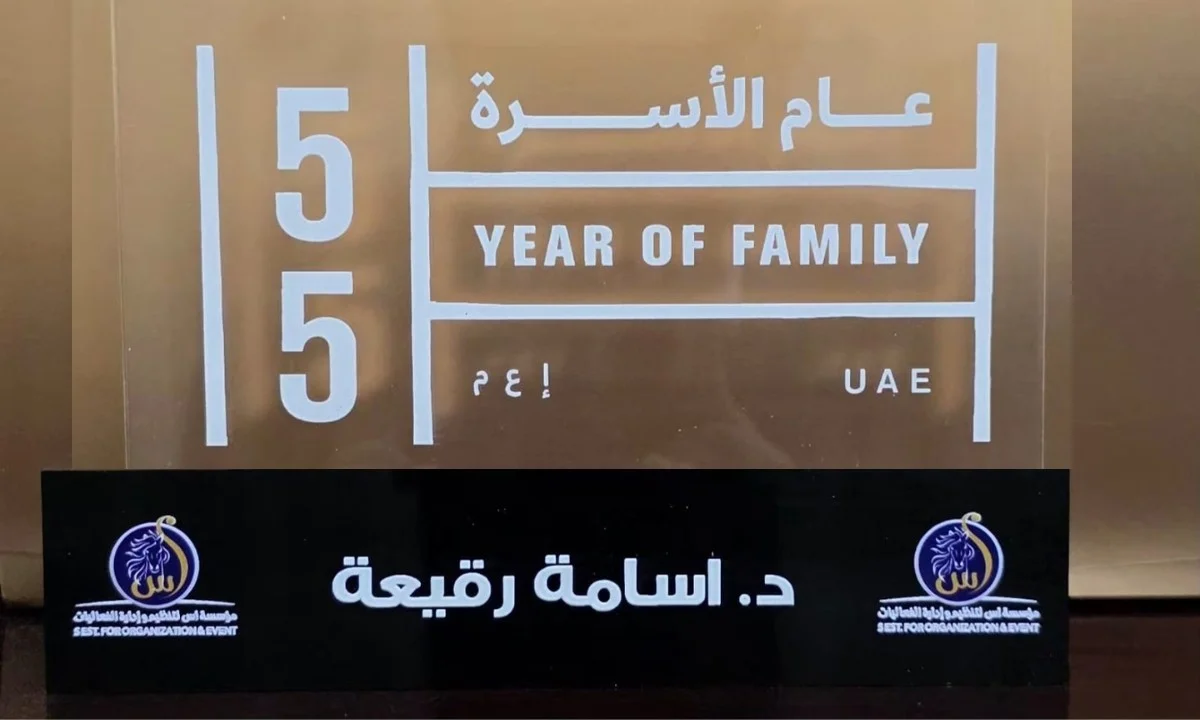
Family Wins “Family of the Year 2026” at Noor Al Quran Event in Ras Al Khaimah
A family honored at the Noor Al Quran initiative in Ras Al Khaimah for Quran memorization and strong

US Approves $16.5B Arms Deal Amid Iran War Escalation
US approves $16.5B arms sale to Gulf allies and $7B to UAE, boosting defence amid Iran tensions whil

UAE Busts Hezbollah-Iran Terror Network, Members Held
UAE authorities have broken a terror network linked to Hezbollah and Iran, arresting members accused

Swiatek Stunned by Linette in Miami Open Upset Shock
Iga Swiatek suffered a shocking defeat to Magda Linette at the Miami Open, marking her first opening

UAE Orphan Fund Raises AED 3.3 Billion in Ramadan Drive
UAE’s Mother of the Nation Orphan Fund raises AED 3.3B in Ramadan, boosting support for education, h

Ramadan in the UAE: Reflections on Humanity, Leadership, and Lasting Values
A heartfelt Ramadan reflection by Osama Regaah on UAE’s spirit of humility, unity, and leadership, a

Dhurandhar 2 Opens Big, Crosses ₹100 Cr on Day 1
Ranveer Singh starrer Dhurandhar 2 earns ₹102 Cr on day one despite delays, beating past Bollywood o


Bank of Baroda Faces Abu Dhabi Legal Battle over NMC Collapse
Bank of Baroda’s involvement in Abu Dhabi litigation tied to the NMC Healthcare collapse raises repu

Top Museum Openings of 2026 Set to Transform Global Tourism
From Los Angeles to Abu Dhabi and Brussels, 2026 brings major museum launches—Lucas Museum, Guggenhe

UAE Tour Highlights UAE’s Strength in Hosting Global Sports Events
Abu Dhabi Sports Council says the successful UAE Tour reflects the UAE’s leading role in hosting maj
EU Seeks Clarity from US After Supreme Court IEEPA Ruling
European Commission urges full transparency from the US on steps after Supreme Court ruling, emphasi

SpaceX Launches 53 New Satellites for Expanding Starlink Network
SpaceX launches 53 Starlink satellites in two Falcon 9 missions, breaking reuse records and expandin

RTA Awards Contract for Phase II of Hessa Street Upgrade in Dubai
Phase II of Hessa Street Development to add bridges, tunnel, and upgraded intersections, doubling ca

UAE Gold Prices Today, Monday 16 February 2026: Dubai & Abu Dhabi Updated Rates
Gold prices in UAE on 16 Feb 2026 updated: 24K around AED 599.75/gm, 22K AED 555.25/gm, and 18K AED

Over 25 Ahmedabad Schools Receive Bomb Threat Email, Authorities Investigate
More than 25 schools in Ahmedabad evacuated after bomb threat emails mentioning Khalistan. Authoriti