Post by : Aaryan Singh
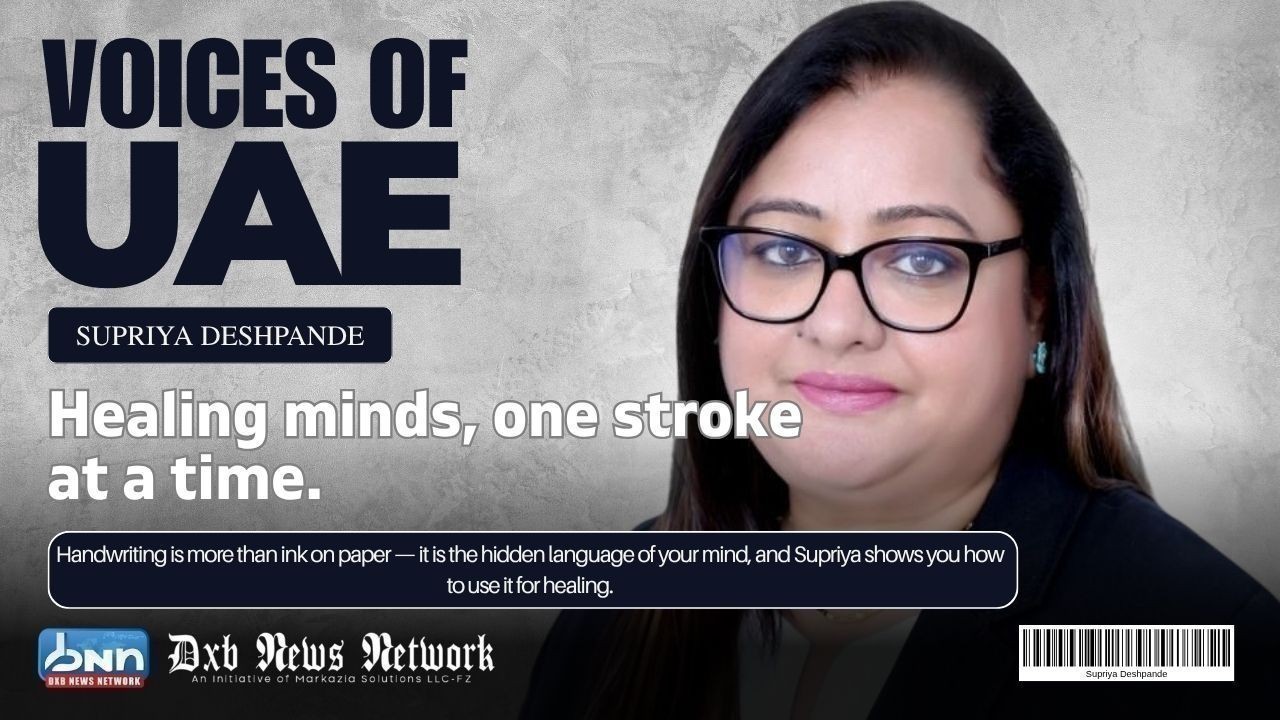
Handwriting is one of those things most of us take for granted. We scribble notes, sign documents, or jot down a quick reminder without much thought. But behind every loop, slant, or space lies something deeper. For Supriya Deshpande, Certified Handwriting Analyst, Grapho-Analytical Therapist, and Emotion Coach, handwriting is far more than words on a page. It is a living language of the mind, body, and emotions. It reflects personality, reveals hidden struggles, and can even guide people toward healing.
Supriya’s journey into this world began with her own struggles. She describes herself as an Emotion Coach because she learned firsthand how unprocessed emotions can shape daily life. Personal challenges became her teachers, reminding her that emotions cannot be ignored. They must be acknowledged, understood, and transformed into strength. That realization turned into a mission: to help others heal byf unlocking the stories their handwriting holds. For her, writing is not just a mechanical skill—it is energy. Every word we write carries an unspoken part of our soul.
Science supports what she experiences every day in her practice. Handwriting is a complex skill involving motor control, memory, coordination, and emotion. When the brain or body is under stress, trauma, or disease, it shows in the way we write. A 2020 study in Frontiers in Psychology revealed that children with dysgraphia had underlying motor coordination challenges, showing that handwriting difficulties are rarely about laziness. Other research has shown that illnesses such as Parkinson’s or Alzheimer’s often first appear in subtle handwriting changes—tremors, shrinking letters, uneven pressure, or irregular rhythm. These signs are not random; they are windows into neurological health.
Supriya has witnessed this connection in real life. She recalls moments when handwriting revealed truths even before words were spoken. A client’s shrinking, shaky writing hinted at early neurological issues long before diagnosis. A child’s messy strokes reflected emotional stress that had gone unnoticed by parents and teachers. “Handwriting is often more honest than spoken words,” she says. “It reveals what is happening deep inside, long before someone feels ready to talk about it.”
But handwriting is not only a mirror; it can also be a tool for change. This is where graphotherapy comes in. Graphotherapy uses targeted handwriting exercises to bring balance to emotions and clarity to the mind. Supriya compares it to physical therapy—by adjusting movement patterns, you retrain both the body and the brain. Heavy pressure on the page often signals bottled-up grief or suppressed tension. Through writing drills, clients learn to lighten their grip, slow their rhythm, and soften their strokes. Over time, this physical change supports emotional release. Supriya recalls one client, a woman with severe anxiety, whose handwriting was filled with hard strokes that nearly tore the page. Through regular graphotherapy exercises, her writing softened—and so did her confidence.
These small changes in writing often lead to bigger shifts in thinking. When someone learns to make larger, more open letters, it reflects an expansion of confidence. When rhythm becomes steadier, the person feels calmer inside. For Supriya, each stroke is an opportunity to guide the hand, and through it, the heart and mind. She has seen children transform from shy, withdrawn personalities into confident voices simply by practicing more open writing styles. She has also seen adults reduce anxiety by learning to control the pressure of their pen.
Children’s handwriting holds a special place in her work. Parents often approach her worried about “messy writing.” Too often, children are scolded for this, when in fact it may be a signal of something deeper. Research published in BMC Pediatrics in 2019 showed that children with ADHD displayed unique handwriting patterns—irregular spacing, uneven pressure, and rushed strokes. These are not signs of laziness, but reflections of motor and attention challenges. For Supriya, children’s strokes are raw expressions of their inner world. A scribble can reflect excitement, frustration, or stress. She gently reminds parents that instead of punishing messy writing, they should see it as an invitation to understand their child better. Through simple exercises—rhythm practice, posture awareness, and gentle drills—children not only improve their handwriting but also their self-esteem and emotional regulation. One of her proudest moments was seeing a shy child who barely spoke begin writing larger, clearer letters, and over time, that confidence began to show in their personality as well.
Supriya also understands the criticisms surrounding graphology. Some dismiss it as pseudoscience, pointing to broad and unreliable personality claims. She agrees that it should not be used to label people or make sweeping predictions. Instead, she focuses on measurable features like pressure, slant, rhythm, and fluency—areas where graphology overlaps with psychology and neuroscience. For her, the value is not in telling someone whether they are honest or dishonest but in helping them see patterns, recognize struggles early, and use graphotherapy as a complementary tool alongside established medical and psychological methods. “It’s not about labeling people,” she explains. “It’s about supporting them—helping them gain awareness, balance, and clarity.”
Her perspective is shaped by her upbringing between India and the UAE. From India, she absorbed the richness of tradition and the depth of emotional expression. From the UAE, she learned resilience, diversity, and openness. These combined lessons gave her a unique lens through which she views emotions and identity. They also fuel her mission to position handwriting as more than an outdated skill—it is a bridge between emotion and science, tradition and innovation.
Supriya is also an author of two books, where she used writing as her own therapy. Every chapter was a release, every page a healing process. “Writing has been my safe space,” she says. “It helped me let go of emotions I couldn’t always speak aloud.” For her, if life were a handwritten page, it would show strong strokes of determination, wide spaces for growth, and heavy marks where pain turned into strength. Through her books, she hopes readers feel lighter, more understood, and inspired to embrace their own emotions as guides rather than burdens.
If she had to leave just one handwritten note for the world, it would read: “Your emotions are not your weakness. They are your guide to strength.” This message reflects the essence of her philosophy—that emotions, no matter how heavy, are not something to fear. They are signals guiding us toward healing and growth.
Supriya’s work has touched lives across different age groups. She has helped professionals ease anxiety before major exams or interviews, guided parents in understanding their children better, and supported adults carrying unspoken grief. She emphasizes that graphology is not a replacement for therapy or medicine, but a powerful complement that allows people to discover hidden parts of themselves. “When someone sees their handwriting change, they feel the shift inside. It’s proof they can transform,” she says.
As digital tools take over our lives, handwriting is often pushed to the margins. Schools and workplaces rely on keyboards, and many young people hardly write with pen and paper anymore. Yet Supriya argues that handwriting is more important now than ever. It is one of the last truly personal expressions of the self, a unique signature of thoughts and emotions. Unlike typing, it cannot be copied or standardized. Each stroke is original, alive, and deeply human. “A screen can’t reflect emotions the way a handwritten page can,” she insists.
She also believes schools should bring handwriting back into focus—not only as a skill but as a form of therapy. Handwriting strengthens focus, improves memory, and boosts self-esteem. Simple handwriting practices in classrooms could help children manage stress, regulate emotions, and feel more confident in themselves. For adults, picking up a pen is an act of slowing down in a rushed digital age. It offers a moment to reconnect with the inner self, to listen to thoughts and feelings that often get drowned out by screens.
Through her workshops, books, and one-on-one sessions, Supriya continues to spread the message that handwriting is more than ink. It is a hidden language—one that reveals, heals, and empowers. She wants people to remember her work as a bridge between emotions, science, and healing. For her, broken strokes and uneven lines are not signs of weakness. They are signs of life, of experiences lived, of resilience carried forward. As she says: “Broken crayons still colour. Every setback can become a comeback.”
Her story and her mission echo in every client she guides. From a woman who found relief from anxiety, to a child who gained confidence, to adults who rediscovered balance through writing exercises, each journey is proof of handwriting’s quiet power. It reminds us that healing does not always require grand gestures. Sometimes it starts with something as simple as a pen on paper.
In a digital world drowning in screens, Supriya Deshpande stands for something timeless. She shows us that handwriting is not disappearing—it is waiting to be rediscovered as medicine for the mind and heart. The next time you pick up a pen, she urges, notice the strokes, the pressure, the rhythm. Listen to what your handwriting is trying to tell you. Within those marks lies a story, and perhaps, the first step to your own healing.
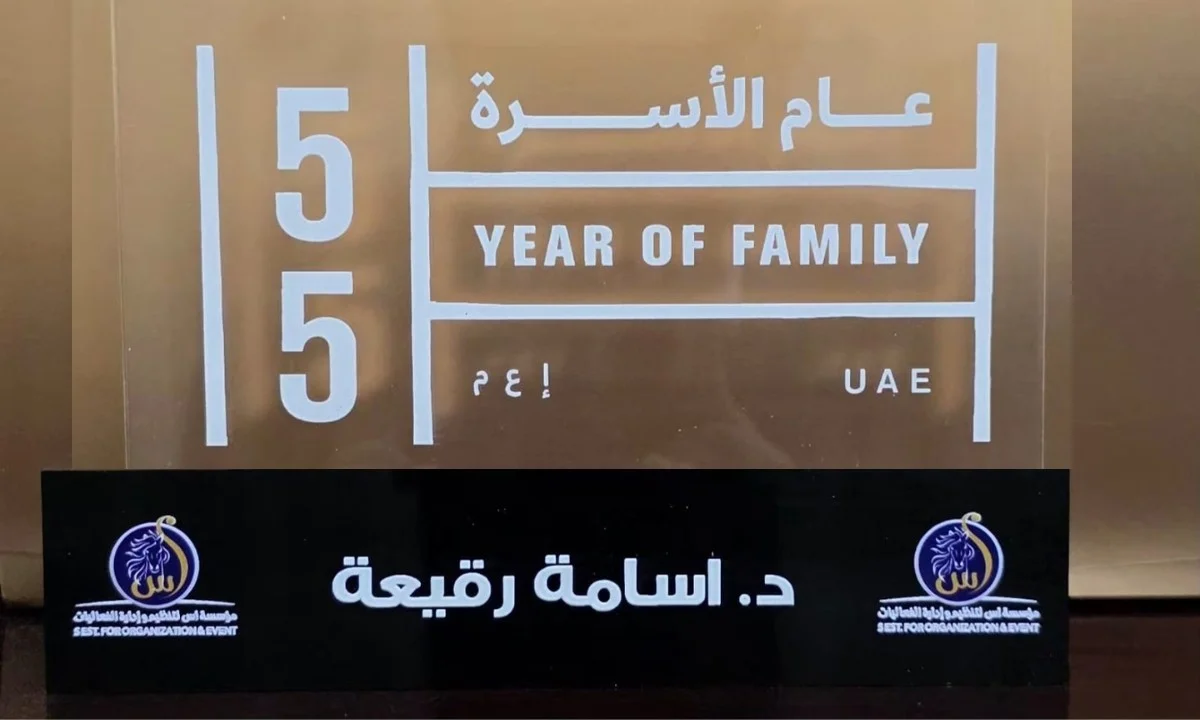
Family Wins “Family of the Year 2026” at Noor Al Quran Event in Ras Al Khaimah
A family honored at the Noor Al Quran initiative in Ras Al Khaimah for Quran memorization and strong

US Approves $16.5B Arms Deal Amid Iran War Escalation
US approves $16.5B arms sale to Gulf allies and $7B to UAE, boosting defence amid Iran tensions whil
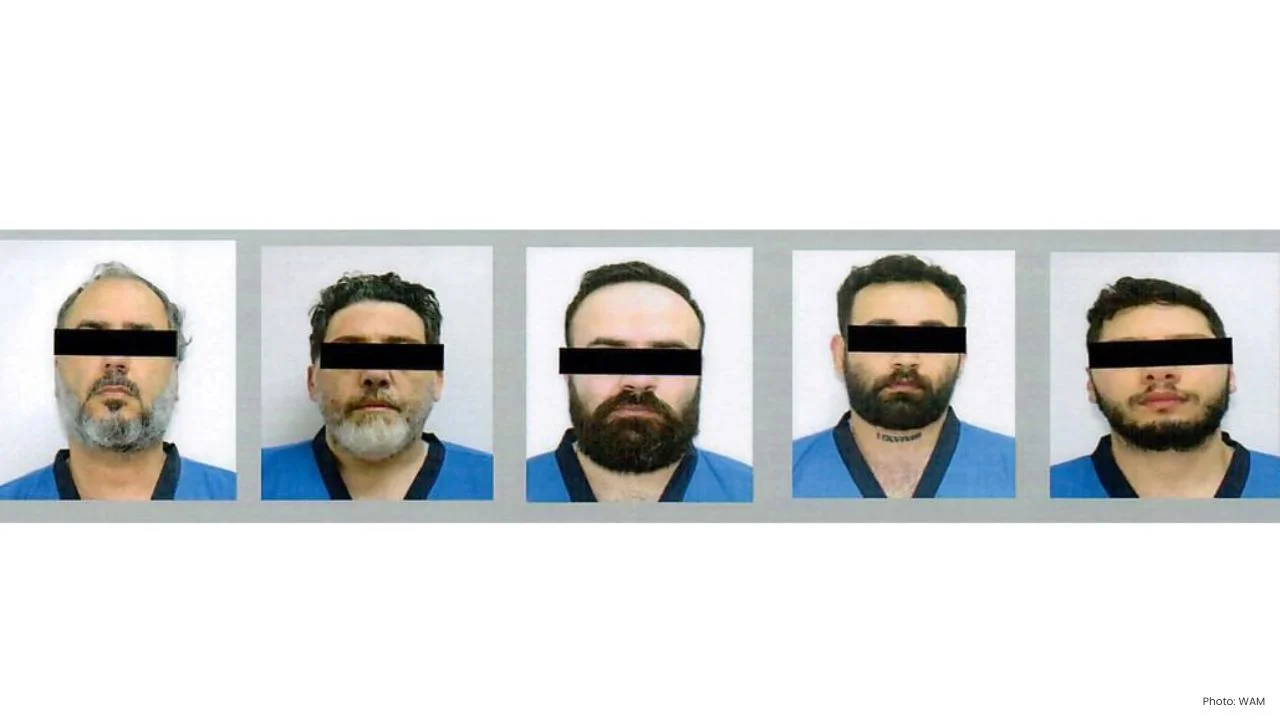
UAE Busts Hezbollah-Iran Terror Network, Members Held
UAE authorities have broken a terror network linked to Hezbollah and Iran, arresting members accused
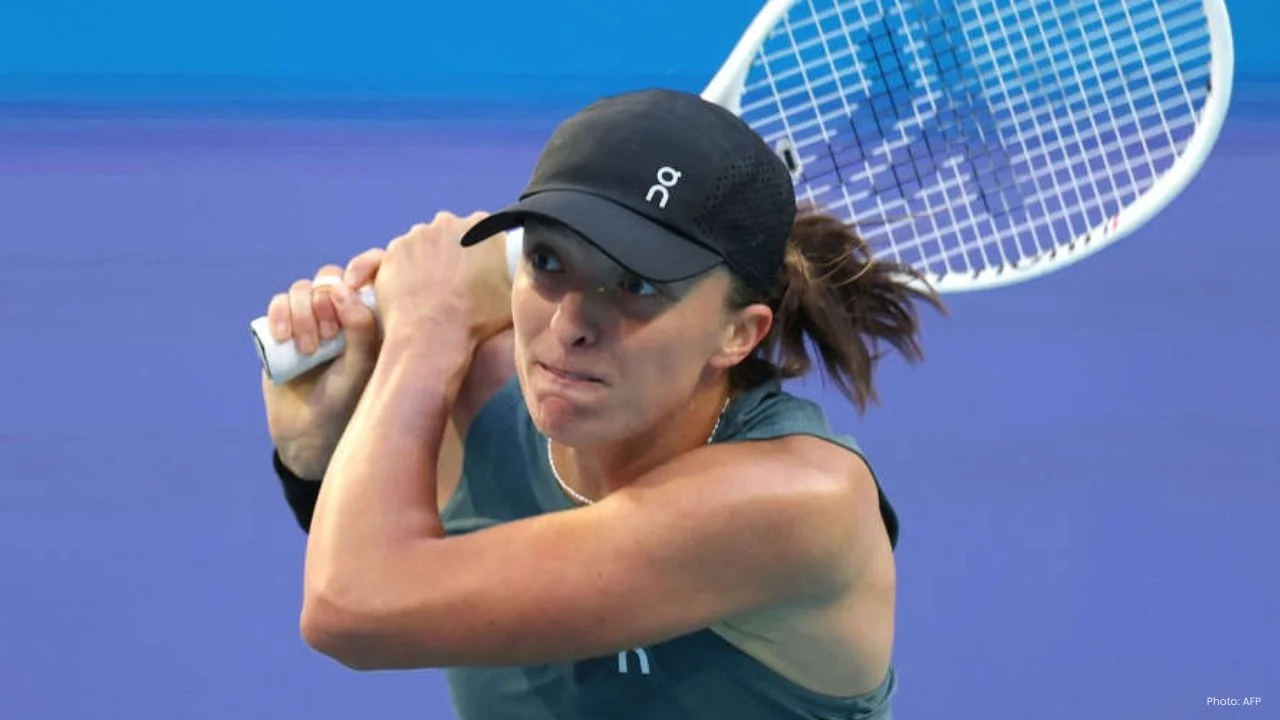
Swiatek Stunned by Linette in Miami Open Upset Shock
Iga Swiatek suffered a shocking defeat to Magda Linette at the Miami Open, marking her first opening
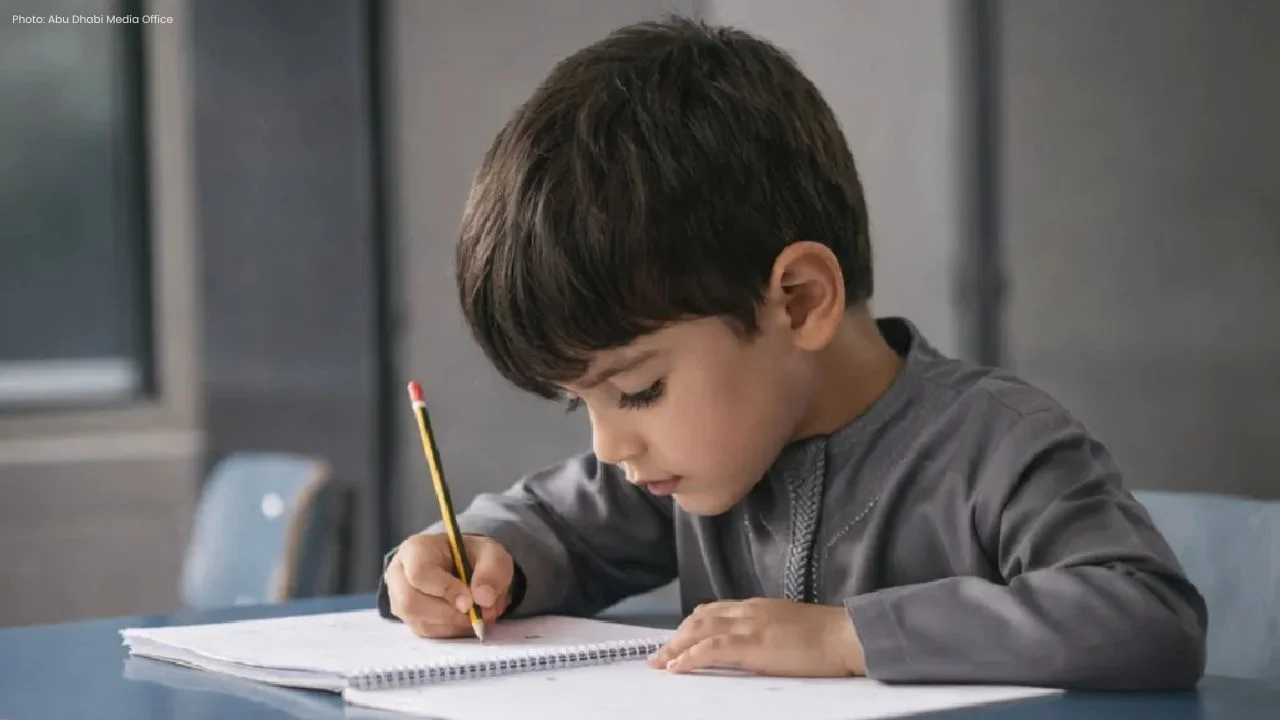
UAE Orphan Fund Raises AED 3.3 Billion in Ramadan Drive
UAE’s Mother of the Nation Orphan Fund raises AED 3.3B in Ramadan, boosting support for education, h

Ramadan in the UAE: Reflections on Humanity, Leadership, and Lasting Values
A heartfelt Ramadan reflection by Osama Regaah on UAE’s spirit of humility, unity, and leadership, a

Dhurandhar 2 Opens Big, Crosses ₹100 Cr on Day 1
Ranveer Singh starrer Dhurandhar 2 earns ₹102 Cr on day one despite delays, beating past Bollywood o


Bank of Baroda Faces Abu Dhabi Legal Battle over NMC Collapse
Bank of Baroda’s involvement in Abu Dhabi litigation tied to the NMC Healthcare collapse raises repu
Top Museum Openings of 2026 Set to Transform Global Tourism
From Los Angeles to Abu Dhabi and Brussels, 2026 brings major museum launches—Lucas Museum, Guggenhe

UAE Tour Highlights UAE’s Strength in Hosting Global Sports Events
Abu Dhabi Sports Council says the successful UAE Tour reflects the UAE’s leading role in hosting maj

EU Seeks Clarity from US After Supreme Court IEEPA Ruling
European Commission urges full transparency from the US on steps after Supreme Court ruling, emphasi

SpaceX Launches 53 New Satellites for Expanding Starlink Network
SpaceX launches 53 Starlink satellites in two Falcon 9 missions, breaking reuse records and expandin

RTA Awards Contract for Phase II of Hessa Street Upgrade in Dubai
Phase II of Hessa Street Development to add bridges, tunnel, and upgraded intersections, doubling ca

UAE Gold Prices Today, Monday 16 February 2026: Dubai & Abu Dhabi Updated Rates
Gold prices in UAE on 16 Feb 2026 updated: 24K around AED 599.75/gm, 22K AED 555.25/gm, and 18K AED
Over 25 Ahmedabad Schools Receive Bomb Threat Email, Authorities Investigate
More than 25 schools in Ahmedabad evacuated after bomb threat emails mentioning Khalistan. Authoriti