Post by : Anis Karim
Urban life in India has always thrived on movement — bustling markets, morning office rush, late-night chai runs, delivery bikes humming through narrow lanes, metro trains filled with students and executives, and endless streams of buses and rickshaws weaving through the streets. Mobility defines city rhythm. But with rapid urbanisation, rising population density, car ownership growth, and expanding commercial zones, that rhythm has often felt strained, stuck, and stressed.
From bumper-to-bumper peak hour chaos to daily frustration over signal delays, road rage, and long commutes eating into personal time — traffic has become one of the biggest pain points of modern Indian city life.
But there’s a shift underway.
Cities now see technology not as luxury, but necessity. Artificial intelligence, IoT-based monitoring, smart signals, adaptive traffic lights, predictive flow algorithms, digital surveillance, intelligent parking systems, and integrated public transport networks are stepping in. India is moving away from manual, reaction-based traffic management to AI-enabled, proactive, and predictive mobility systems that think faster, learn continuously, and optimise for real-time efficiency.
The era of smart roads and intelligent cities is here — and it’s transforming how people move, how cities breathe, and how tomorrow’s India will function.
Indian metros and tier-2 cities are expanding at record pace. With higher incomes and aspirations, car and two-wheeler ownership has surged. Roads haven’t expanded at the same rate — leading to chronic traffic loads.
Hours lost in jams translate to fatigue, slower economic movement, and decline in overall productivity. For working professionals, commute fatigue is becoming a real mental-wellness concern.
Idling vehicles emit heat and harmful gases — raising pollution levels and contributing to urban heat island effects. Smart traffic systems cut idle times, reducing emissions.
Data-driven traffic systems help monitor speeding, prevent collisions, and guide traffic in emergencies. Safety is no longer reactive — it becomes planned and predictive.
Cities are preparing for electric mobility, autonomous tech, drone deliveries, connected vehicles, and multi-modal transportation ecosystems. AI is the foundation for this future.
Forget fixed timers. Smart signals:
Change timing based on real-time vehicle load
Prioritise emergency vehicles
Balance traffic between main and side roads
Coordinate across junction clusters
The result? Smoother movement, reduced honking, faster clearances.
Modern cameras do more than record visuals. They:
Detect speeding
Identify wrong-lane usage
Flag red-signal violations
Record unusual road behaviour
Support automated fines
Monitor pedestrian flow
Technology enforces discipline where manual policing falls short.
AI models study patterns to predict:
Traffic peaks
Weekend rush
Festival & holiday surges
Weather-linked slowdowns
Construction-based diversions
Cities can plan ahead instead of reacting late.
Ambulance & fire services get AI-assisted priority corridors. Traffic lights clear the route automatically — saving crucial minutes and lives.
Buses, metros, and cabs integrate data for:
Real-time arrival info
Smooth interchange
Crowd management
Efficient route planning
Public transport becomes smarter, faster, and more reliable.
Installed along roads & signals to collect data on:
Vehicle density
Pedestrian movement
Speed patterns
Interpret live CCTV feeds for actionable insights — like detecting rule violations or identifying jam formation.
Store & analyse massive traffic data to detect long-term patterns.
Navigation apps, delivery fleets, ride-hailing platforms all feed live mobility data — creating a city-wide intelligence network.
City operation hubs monitor live roads, deploy emergency responses, coordinate signals, and manage events.
Digital parking space mapping
App-based slot booking
Automated payments
Cameras verifying vehicle entry and exit
Less circling, less fuel waste, less frustration.
Geofencing & monitoring tools prevent illegal parking and improve pedestrian flow.
Pedestrian signals adapt to traffic and crowd movement.
Ensures safe paths & prevents vehicle encroachment.
Speed control and alert systems around campuses protect children.
AI can redirect traffic and signal emergency warnings.
Predictive algorithms help authorities prepare in advance.
During smog alerts, systems can optimise traffic to reduce peak emissions.
A 45-minute jam could become a 20-minute smooth drive in future.
Predictable travel restores work-life balance and mental peace.
Reduced fuel burning improves public health.
Data-driven rules reduce accidents and reckless driving.
Safe infrastructure encourages healthy mobility habits.
Technology deployment requires significant investment.
Surveillance systems must maintain strict privacy protocols.
Old infrastructure + new tech = engineering challenges.
Systems should be intuitive enough for all citizens to benefit — not just tech-savvy users.
Technology works best when citizens cooperate and respect rules.
Cities preparing smart lanes, digital signage & AI communication nodes.
Charging stations, energy routing, and grid load balancing.
Real-time aerial checks for quicker control.
Managing long-distance logistics and freight routes.
One platform to show:
Traffic
Parking
Metro timing
Public bus tracking
Pollution levels
Weather alerts
One city brain. One movement system.
India’s future cities will not simply be bigger — they will be smarter, faster, cleaner, and more humane. As AI and smart traffic systems expand, urban life will shift from frustrating daily grind to smoothly choreographed motion. The car honks will quieten, queues will shrink, commute anger will fade, and the idea of living in a city will feel exciting again — not exhausting.
Smart mobility is not just engineering — it is quality of life. It is time saved, stress reduced, cleaner skies, safer streets, and thoughtful progress.
The journey has begun. And the road ahead is intelligent.
This article offers general insights on technology and mobility developments. Smart-city initiatives, policies, and timelines vary across regions. Citizens and planners should review official sources and city-specific details for implementation updates.
Family Wins “Family of the Year 2026” at Noor Al Quran Event in Ras Al Khaimah
A family honored at the Noor Al Quran initiative in Ras Al Khaimah for Quran memorization and strong

US Approves $16.5B Arms Deal Amid Iran War Escalation
US approves $16.5B arms sale to Gulf allies and $7B to UAE, boosting defence amid Iran tensions whil
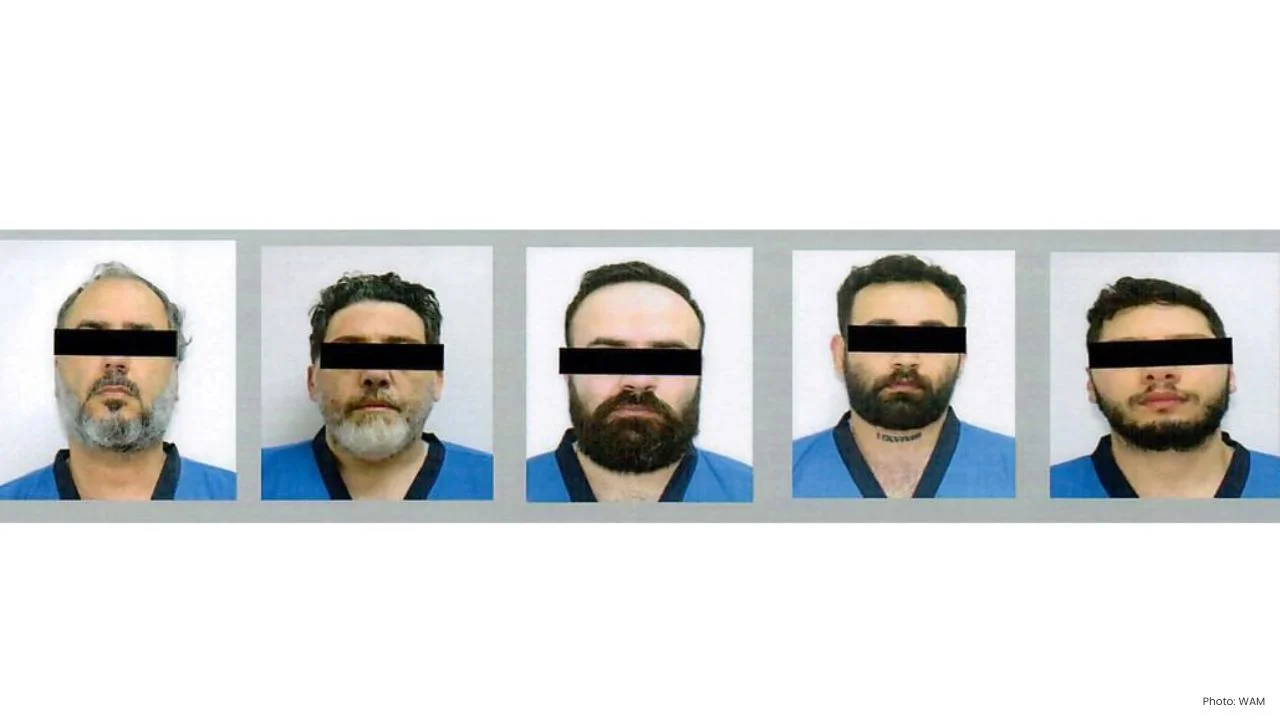
UAE Busts Hezbollah-Iran Terror Network, Members Held
UAE authorities have broken a terror network linked to Hezbollah and Iran, arresting members accused

Swiatek Stunned by Linette in Miami Open Upset Shock
Iga Swiatek suffered a shocking defeat to Magda Linette at the Miami Open, marking her first opening

UAE Orphan Fund Raises AED 3.3 Billion in Ramadan Drive
UAE’s Mother of the Nation Orphan Fund raises AED 3.3B in Ramadan, boosting support for education, h
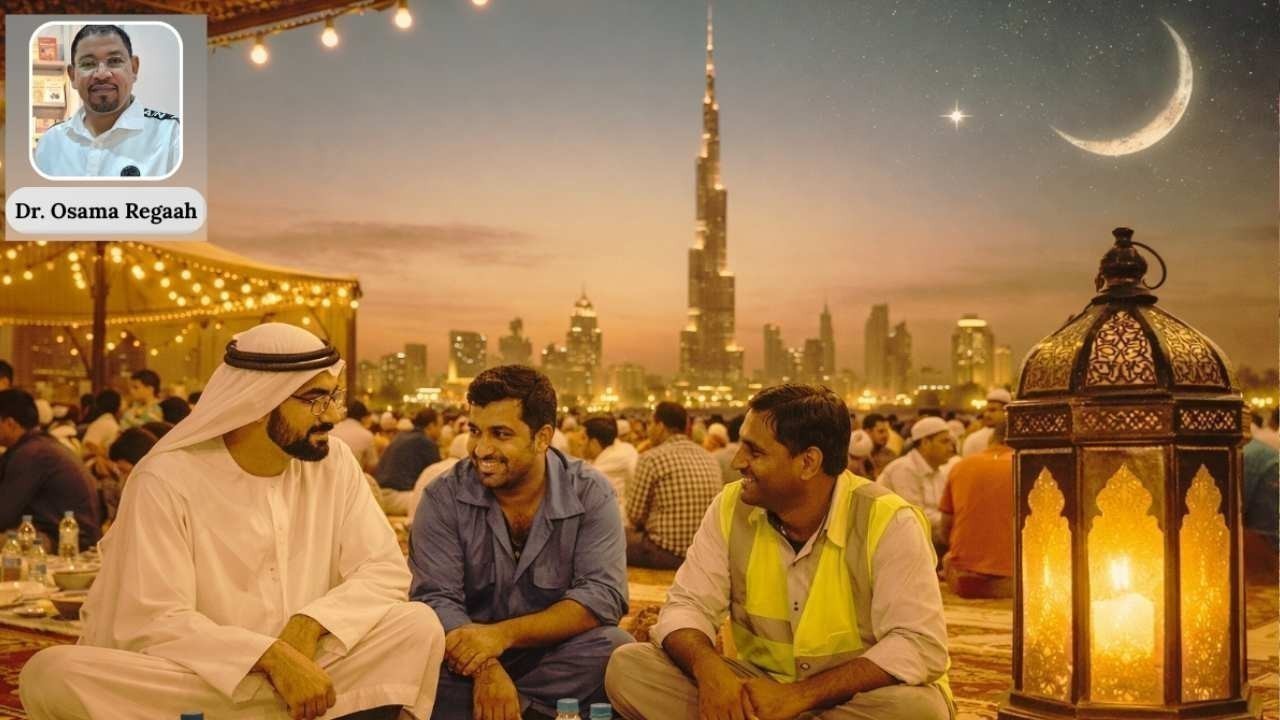
Ramadan in the UAE: Reflections on Humanity, Leadership, and Lasting Values
A heartfelt Ramadan reflection by Osama Regaah on UAE’s spirit of humility, unity, and leadership, a

Dhurandhar 2 Opens Big, Crosses ₹100 Cr on Day 1
Ranveer Singh starrer Dhurandhar 2 earns ₹102 Cr on day one despite delays, beating past Bollywood o


Bank of Baroda Faces Abu Dhabi Legal Battle over NMC Collapse
Bank of Baroda’s involvement in Abu Dhabi litigation tied to the NMC Healthcare collapse raises repu
Top Museum Openings of 2026 Set to Transform Global Tourism
From Los Angeles to Abu Dhabi and Brussels, 2026 brings major museum launches—Lucas Museum, Guggenhe
UAE Tour Highlights UAE’s Strength in Hosting Global Sports Events
Abu Dhabi Sports Council says the successful UAE Tour reflects the UAE’s leading role in hosting maj
EU Seeks Clarity from US After Supreme Court IEEPA Ruling
European Commission urges full transparency from the US on steps after Supreme Court ruling, emphasi
SpaceX Launches 53 New Satellites for Expanding Starlink Network
SpaceX launches 53 Starlink satellites in two Falcon 9 missions, breaking reuse records and expandin
RTA Awards Contract for Phase II of Hessa Street Upgrade in Dubai
Phase II of Hessa Street Development to add bridges, tunnel, and upgraded intersections, doubling ca

UAE Gold Prices Today, Monday 16 February 2026: Dubai & Abu Dhabi Updated Rates
Gold prices in UAE on 16 Feb 2026 updated: 24K around AED 599.75/gm, 22K AED 555.25/gm, and 18K AED

Over 25 Ahmedabad Schools Receive Bomb Threat Email, Authorities Investigate
More than 25 schools in Ahmedabad evacuated after bomb threat emails mentioning Khalistan. Authoriti