Post by : Anis Karim
Artificial Intelligence (AI) has rapidly evolved from a futuristic concept to a transformative force shaping economies, governments, and daily life. From healthcare and education to defense and finance, AI systems are making decisions that were once solely human. Yet, this immense potential comes with risk. Without proper oversight, AI could deepen inequalities, spread misinformation, or act beyond ethical boundaries.
In 2025, the world stands at a critical juncture. Nations, corporations, and research institutions are working to create global frameworks for AI governance—rules that ensure accountability, transparency, and safety in the age of intelligent machines. But regulating AI isn’t just about setting limits; it’s about defining the values that will guide humanity’s partnership with technology.
Over the past decade, the ethical dimension of AI has moved from academic debate to a matter of international policy. Questions once reserved for philosophers—like fairness, bias, and responsibility—now dominate discussions in corporate boardrooms and legislative chambers.
The rise of generative AI, autonomous systems, and deep learning has intensified this focus. Governments now recognize that unregulated AI could reshape societies faster than existing laws can adapt. This realization has led to the creation of AI ethics boards, data privacy laws, and international coalitions focused on setting shared standards for the responsible use of machine intelligence.
Unlike traditional technologies, AI evolves dynamically—it learns, adapts, and even modifies its own behavior. This makes static laws insufficient. A rule written today may be outdated tomorrow as AI models become more sophisticated or autonomous.
Additionally, AI is borderless. A model trained in one country can influence global markets, politics, and public opinion. Regulating such systems requires coordination among nations with differing cultural values, political priorities, and economic interests.
The challenge, therefore, lies not just in creating laws but in building a flexible, cooperative system that can evolve as AI does.
At the heart of AI ethics lies a fundamental question: can machines be fair? AI systems learn from data, and that data often reflects human biases—racial, gender-based, or socio-economic. Without intervention, AI can reinforce and even amplify these prejudices.
For instance, recruitment algorithms may inadvertently favor certain demographics, or predictive policing tools might target specific communities. Ethical governance requires mechanisms to detect, measure, and correct such biases before AI decisions impact lives.
This calls for transparency in data sources, diversity in development teams, and accountability mechanisms to trace how AI models reach their conclusions.
AI feeds on data, and personal information has become its lifeblood. From medical records to browsing habits, data collection powers every intelligent system we interact with. However, this raises deep concerns about privacy, consent, and surveillance.
Regions like the European Union have taken the lead with frameworks such as the General Data Protection Regulation (GDPR), which ensures individuals retain control over their personal data. In 2025, similar laws are being drafted across Asia, the Americas, and Africa, focusing on ethical data use and individual rights.
The challenge is ensuring that innovation doesn’t come at the expense of privacy—balancing progress with protection.
When a self-driving car causes an accident or an algorithm makes a faulty financial decision, who should be held accountable—the developer, the user, or the machine itself? These questions lie at the heart of AI governance.
Legal experts argue that accountability must follow the “human-in-the-loop” principle—keeping humans ultimately responsible for decisions made with or by AI systems. However, as AI becomes more autonomous, assigning responsibility becomes increasingly complex.
Policymakers are exploring frameworks that ensure traceability—systems where every AI action can be audited and its decision-making process explained.
AI’s impact transcends national borders, making international collaboration essential. The United Nations, OECD, UNESCO, and World Economic Forum have all initiated AI governance programs aimed at developing shared ethical standards.
In 2025, several countries are pushing for a “Global AI Accord”—an international treaty modeled after climate agreements—to ensure cooperation on safety, transparency, and data governance. Such efforts aim to prevent an AI arms race while promoting trust and equitable access to technology.
Without coordination, competing national strategies could lead to fragmented regulations and uneven ethical standards, undermining global safety.
Technology companies like Google, OpenAI, and Microsoft play an outsized role in shaping AI’s future. Their innovations drive global adoption—but they also face scrutiny over the ethics of deployment and data handling.
Many tech firms have created internal ethics boards and published AI principles emphasizing fairness, accountability, and transparency. However, critics argue that self-regulation alone isn’t enough. Governments must establish independent oversight bodies to audit AI systems and enforce compliance.
Public-private partnerships may be the key to building robust, enforceable, and balanced regulatory ecosystems.
Ironically, governments are also turning to AI to improve governance itself—using predictive analytics for urban planning, public safety, and economic policy. Yet, this trend raises new questions about transparency and human oversight in policymaking.
If an algorithm recommends who receives welfare benefits or which neighborhoods need policing, citizens must have the right to know how those decisions are made. Ensuring transparency in public-sector AI use is critical to maintaining trust in democratic systems.
Accountable AI isn’t just about technology—it’s about preserving human dignity in the face of automation.
One of the biggest challenges in global governance is accommodating cultural diversity. What one society views as ethical may differ elsewhere. For example, Western nations often emphasize individual privacy, while some Asian models prioritize collective welfare and national security.
Building a unified ethical framework for AI must therefore respect cultural values while maintaining universal principles such as fairness, safety, and human rights. Ethical pluralism—the ability to coexist with multiple moral systems—will be crucial to achieving global consensus.
The future of AI governance lies in adaptability. Policymakers are exploring dynamic regulation—laws that evolve with technology through periodic review and algorithmic auditing.
Transparency will be key: AI systems must be explainable, and their data sources disclosed. Inclusion is equally important—regulations must involve ethicists, sociologists, technologists, and affected communities in decision-making processes.
By combining innovation with responsibility, nations can build governance structures that foster both technological progress and social stability.
AI regulation should not be about limiting innovation but guiding it responsibly. When designed thoughtfully, governance can empower societies—protecting citizens, ensuring fairness, and fostering trust in technology.
As AI becomes an inseparable part of our lives, global governance will shape not just the machines we build but the values we uphold as a species. The future of AI will depend less on algorithms and more on ethics—the shared moral code that defines what it means to be human in an age of intelligence.
This article is intended for informational purposes only. It does not constitute legal, policy, or ethical advice. Readers should consult qualified professionals or official guidelines for specific insights into AI regulation or compliance requirements.
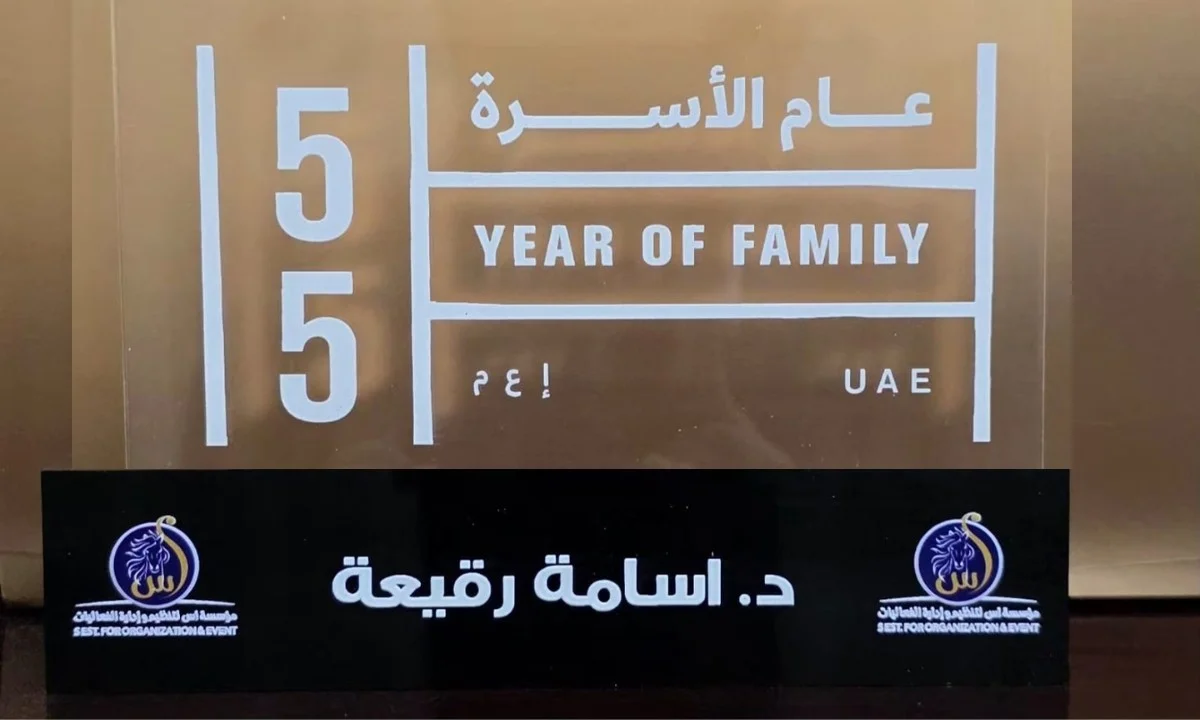
Family Wins “Family of the Year 2026” at Noor Al Quran Event in Ras Al Khaimah
A family honored at the Noor Al Quran initiative in Ras Al Khaimah for Quran memorization and strong
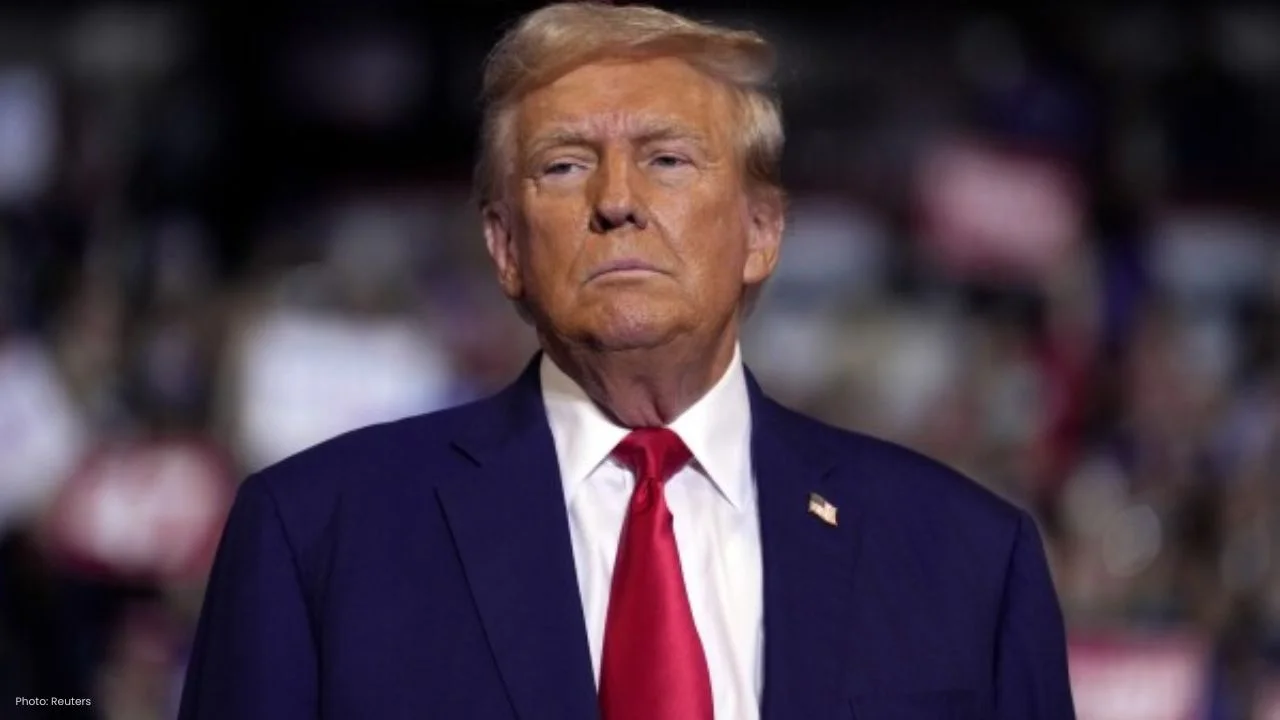
US Approves $16.5B Arms Deal Amid Iran War Escalation
US approves $16.5B arms sale to Gulf allies and $7B to UAE, boosting defence amid Iran tensions whil

UAE Busts Hezbollah-Iran Terror Network, Members Held
UAE authorities have broken a terror network linked to Hezbollah and Iran, arresting members accused

Swiatek Stunned by Linette in Miami Open Upset Shock
Iga Swiatek suffered a shocking defeat to Magda Linette at the Miami Open, marking her first opening

UAE Orphan Fund Raises AED 3.3 Billion in Ramadan Drive
UAE’s Mother of the Nation Orphan Fund raises AED 3.3B in Ramadan, boosting support for education, h

Ramadan in the UAE: Reflections on Humanity, Leadership, and Lasting Values
A heartfelt Ramadan reflection by Osama Regaah on UAE’s spirit of humility, unity, and leadership, a

Dhurandhar 2 Opens Big, Crosses ₹100 Cr on Day 1
Ranveer Singh starrer Dhurandhar 2 earns ₹102 Cr on day one despite delays, beating past Bollywood o


Bank of Baroda Faces Abu Dhabi Legal Battle over NMC Collapse
Bank of Baroda’s involvement in Abu Dhabi litigation tied to the NMC Healthcare collapse raises repu

Top Museum Openings of 2026 Set to Transform Global Tourism
From Los Angeles to Abu Dhabi and Brussels, 2026 brings major museum launches—Lucas Museum, Guggenhe

UAE Tour Highlights UAE’s Strength in Hosting Global Sports Events
Abu Dhabi Sports Council says the successful UAE Tour reflects the UAE’s leading role in hosting maj

EU Seeks Clarity from US After Supreme Court IEEPA Ruling
European Commission urges full transparency from the US on steps after Supreme Court ruling, emphasi

SpaceX Launches 53 New Satellites for Expanding Starlink Network
SpaceX launches 53 Starlink satellites in two Falcon 9 missions, breaking reuse records and expandin

RTA Awards Contract for Phase II of Hessa Street Upgrade in Dubai
Phase II of Hessa Street Development to add bridges, tunnel, and upgraded intersections, doubling ca

UAE Gold Prices Today, Monday 16 February 2026: Dubai & Abu Dhabi Updated Rates
Gold prices in UAE on 16 Feb 2026 updated: 24K around AED 599.75/gm, 22K AED 555.25/gm, and 18K AED

Over 25 Ahmedabad Schools Receive Bomb Threat Email, Authorities Investigate
More than 25 schools in Ahmedabad evacuated after bomb threat emails mentioning Khalistan. Authoriti