Post by : Anis Karim
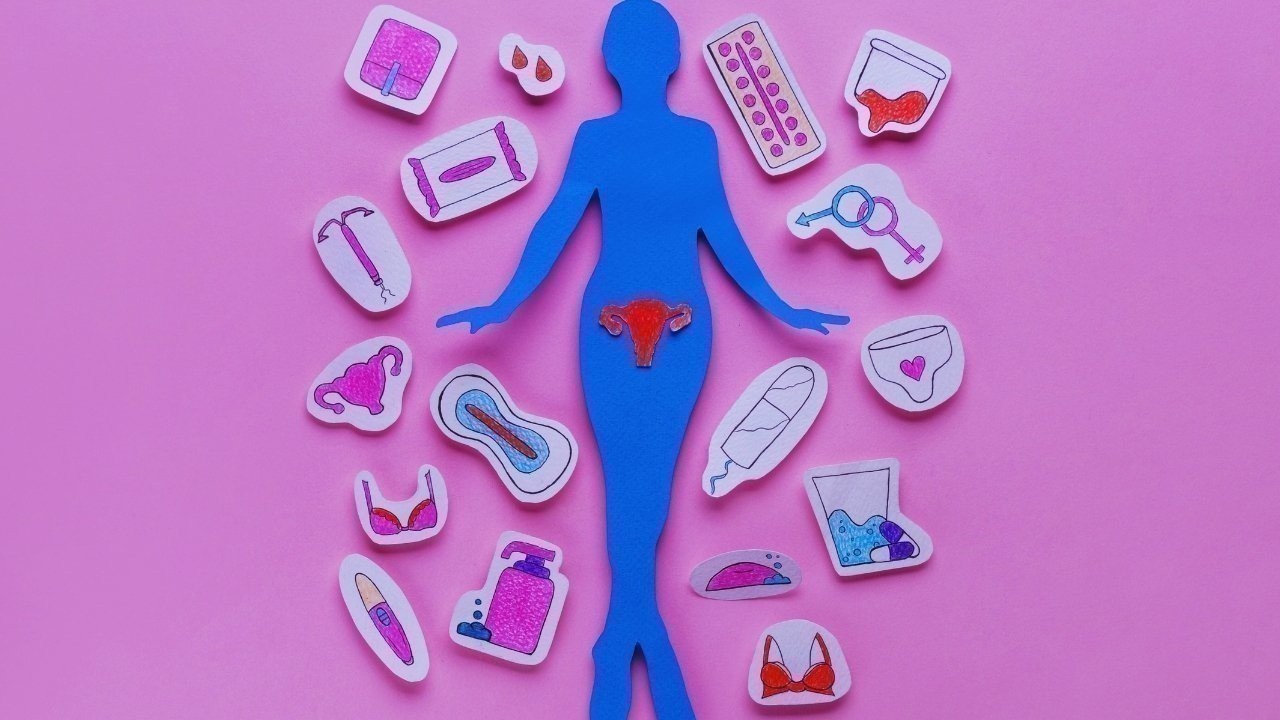
For decades, topics like menstruation and menopause were pushed to the sidelines—spoken about in hushed tones or treated as medical afterthoughts. But that silence is finally breaking. Around the world, women’s wellness is entering a transformative phase where menstrual health and menopause care are no longer taboo but celebrated aspects of holistic well-being.
In 2025, the conversation has evolved from simple awareness to innovation and empowerment. From advanced hormone diagnostics to AI-driven cycle tracking, women today have access to tools that help them understand their bodies like never before. This revolution is not only technological but deeply cultural—reshaping how society views women’s health at every stage of life.
One of the biggest catalysts for this transformation is the rise of FemTech—a rapidly growing sector of health technology focused specifically on women’s needs. FemTech startups have introduced smart menstrual cups, AI-based fertility trackers, and personalized hormone monitoring systems that give women greater control over their reproductive health.
Apps that once simply logged periods now use artificial intelligence to predict hormonal fluctuations, moods, and potential fertility windows with incredible accuracy. They also provide insights into PMS management, sleep quality, and nutritional needs during different cycle phases. These innovations go beyond convenience—they’re creating an entirely new ecosystem of digital healthcare where women are the priority.
Menopause, long viewed as a quiet struggle, is now a public conversation. Modern medicine and wellness companies are finally addressing it as a critical stage of life rather than a condition to “get through.” Hormone replacement therapies (HRT) are being redefined with safer, more natural alternatives, while wearable devices now track symptoms like hot flashes, mood swings, and sleep disruptions.
The conversation has also become more inclusive. Workplace policies are beginning to recognize menopause as part of employee health programs, offering leave flexibility, stress management support, and even menopause-inclusive insurance coverage. Celebrities, doctors, and wellness influencers are openly discussing their experiences, helping to normalize a stage that affects half of the global population.
At the heart of both menstrual and menopause wellness lies hormonal balance. Hormones regulate not just reproductive health but mood, metabolism, and energy levels. In 2025, hormone-focused wellness programs are gaining traction, helping women monitor estrogen, progesterone, and cortisol levels through non-invasive testing methods.
Personalized hormone therapy has emerged as a major innovation. Instead of one-size-fits-all treatments, women can now receive individualized hormone-balancing supplements or bioidentical hormones based on lab results. This precision-driven approach helps manage symptoms like fatigue, brain fog, and weight changes with better safety and efficiency.
Food and fitness are playing crucial roles in this women’s health revolution. Nutritionists and wellness coaches now emphasize “cycle syncing”—a practice of aligning diet and exercise with hormonal changes throughout the menstrual cycle. During the follicular phase, for instance, higher-energy workouts and iron-rich foods are encouraged, while the luteal phase calls for restorative exercise and magnesium intake to combat bloating and fatigue.
Menopause nutrition focuses on maintaining bone density, metabolism, and heart health. Plant-based diets rich in phytoestrogens—found in soy, flaxseeds, and chickpeas—are gaining popularity for supporting natural hormone balance. Mindfulness, yoga, and meditation are also being embraced as essential tools for stress management, improving both mental and physical well-being.
Despite the progress, cultural stigma still lingers around menstruation and menopause in many parts of the world. However, advocacy groups and educational campaigns are changing the narrative. Schools are introducing menstrual education programs for both boys and girls, while governments in several countries are providing free sanitary products to ensure accessibility and dignity for all women.
Public campaigns highlighting menopause awareness are also reshaping workplace cultures. Open discussions are helping employers understand that menopause isn’t an illness—it’s a natural transition that deserves empathy and support. As these taboos dissolve, more women are speaking up, demanding equal access to healthcare and respect for their biological experiences.
Beyond biology, emotional wellness plays a major role in women’s health journeys. Period pain, hormonal mood shifts, and menopausal anxiety can take a significant psychological toll. Fortunately, mental health integration into reproductive care has become a new standard. Therapy platforms now offer specialized support for menstrual-related depression or menopausal stress, and mindfulness-based stress reduction techniques are being recommended by doctors.
This holistic approach acknowledges that wellness isn’t just about managing symptoms—it’s about understanding the emotional rhythm of hormonal life. Empowering women to embrace their bodies instead of fighting them is the essence of this new wellness mindset.
Corporate wellness programs are expanding to include women’s reproductive health, with employers offering paid menstrual leave, flexible work hours during menopause, and access to telehealth consultations. Countries like Japan, Spain, and parts of the UK have already introduced menstrual leave policies, and many private firms worldwide are following suit.
Additionally, health insurance plans are starting to cover fertility treatments, hormonal therapies, and menopause care under standard wellness benefits. This marks a significant step toward gender equity in healthcare, ensuring women receive the same level of care and attention as other medical conditions.
Artificial intelligence and data science are set to make the next leap in women’s health. Predictive analytics can now anticipate menstrual irregularities, hormonal imbalances, or even early signs of perimenopause before symptoms arise. Smart wearables are beginning to detect changes in body temperature, heart rate, and skin conductivity to alert users of upcoming hormonal shifts.
In the coming years, we could see AI-driven virtual gynecologists capable of offering real-time advice, symptom tracking, and treatment recommendations tailored to each individual. These technologies promise to reduce the delay in diagnosis for conditions like endometriosis, PCOS, and premature menopause—disorders that have long been underdiagnosed due to lack of awareness and research.
Education is perhaps the most powerful driver of change. Schools, workplaces, and digital platforms are focusing on menstrual literacy—teaching not just hygiene but the biological and emotional aspects of reproductive health. Social media influencers and doctors are using platforms like Instagram and YouTube to share accurate, stigma-free information about periods, hormones, and menopause.
This democratization of knowledge empowers women to make informed choices about their health. When awareness meets accessibility, wellness stops being a privilege and becomes a right.
The modern narrative of women’s health celebrates empowerment. From menstruation being seen as a monthly inconvenience to menopause viewed as a decline, perceptions are shifting to see both as natural markers of strength and evolution. Women today are embracing period tracking, hormone education, and menopause preparedness as forms of self-care rather than struggle.
Global movements celebrating “menstrual equity” and “menopause awareness month” are bringing women together, reinforcing the idea that these phases are not the end of youth but the beginning of wisdom, balance, and renewed energy.
Looking ahead, the next frontier in women’s wellness will blend biology, technology, and empathy. Researchers are exploring gene-based solutions to hormonal disorders, while wellness companies are investing in AI-driven nutrition and exercise plans tailored to each stage of a woman’s life.
By 2030, experts predict that the female health market will double, driven by increasing awareness and innovation. The message is clear—women’s health is no longer an afterthought but a dynamic field leading the global wellness movement.
This article is intended for informational purposes only. It should not replace professional medical advice, diagnosis, or treatment. Readers experiencing menstrual or menopausal symptoms are encouraged to consult healthcare professionals for personalized guidance.
Family Wins “Family of the Year 2026” at Noor Al Quran Event in Ras Al Khaimah
A family honored at the Noor Al Quran initiative in Ras Al Khaimah for Quran memorization and strong
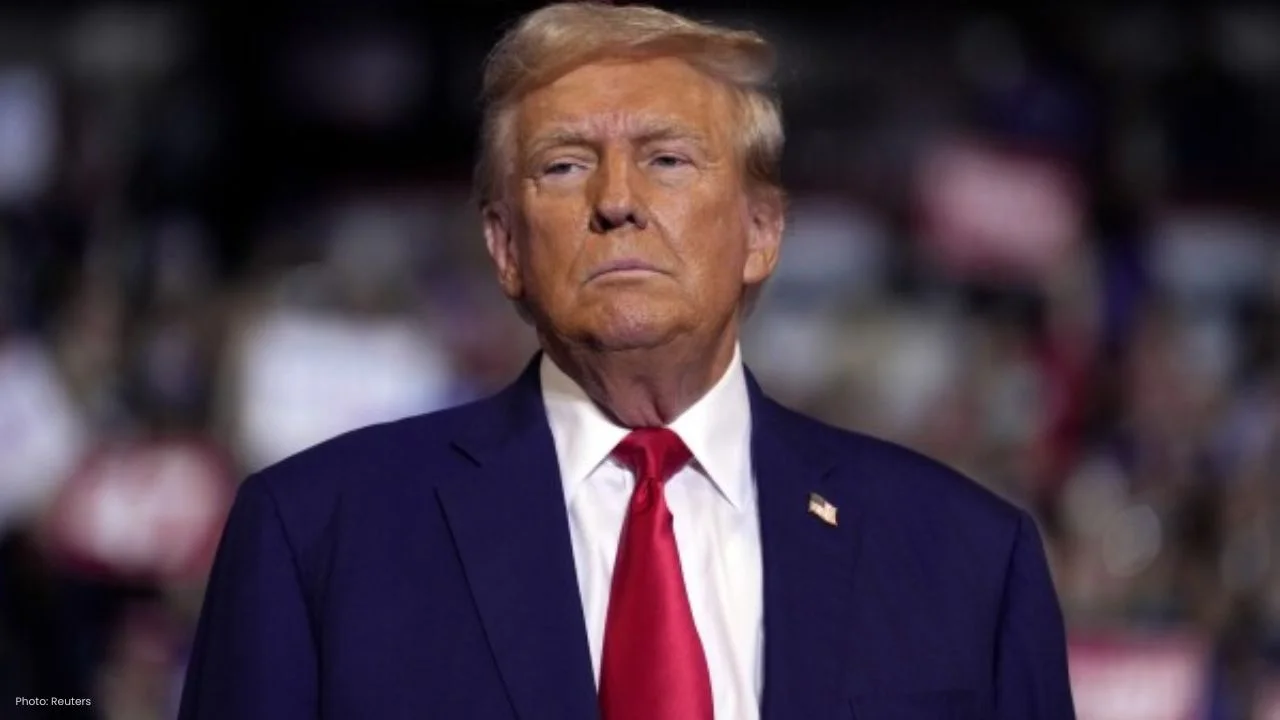
US Approves $16.5B Arms Deal Amid Iran War Escalation
US approves $16.5B arms sale to Gulf allies and $7B to UAE, boosting defence amid Iran tensions whil
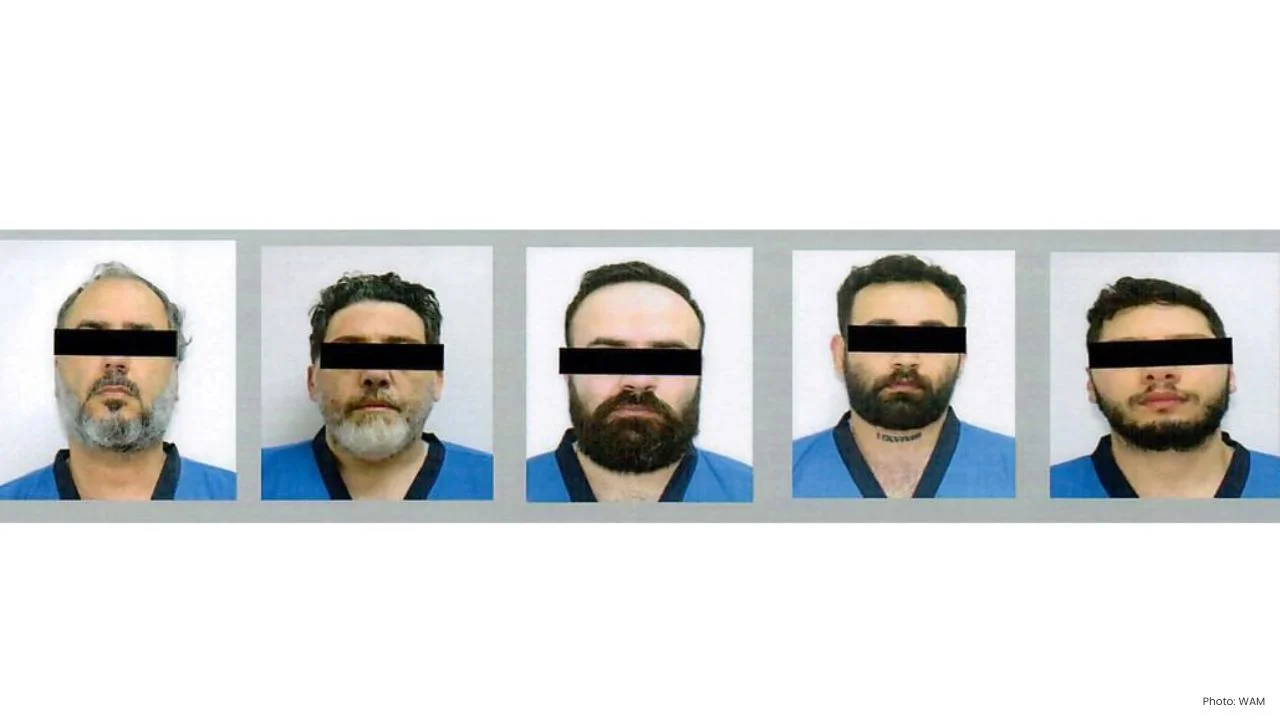
UAE Busts Hezbollah-Iran Terror Network, Members Held
UAE authorities have broken a terror network linked to Hezbollah and Iran, arresting members accused
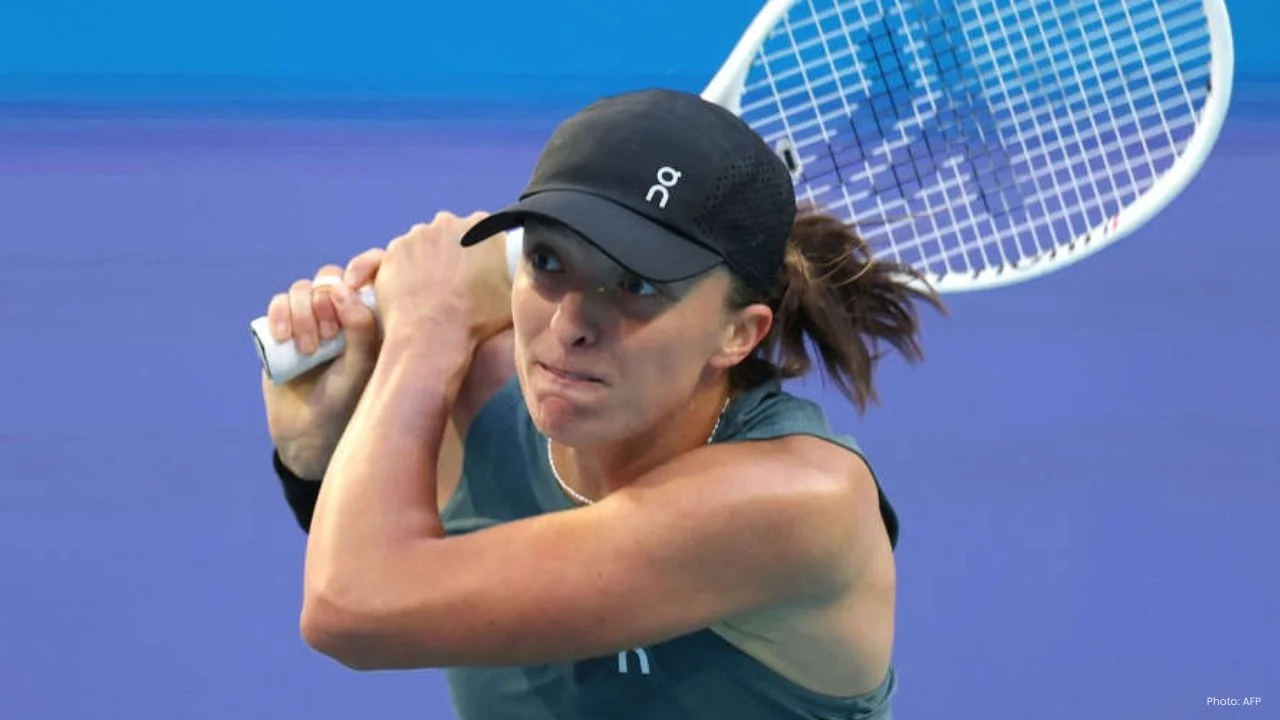
Swiatek Stunned by Linette in Miami Open Upset Shock
Iga Swiatek suffered a shocking defeat to Magda Linette at the Miami Open, marking her first opening
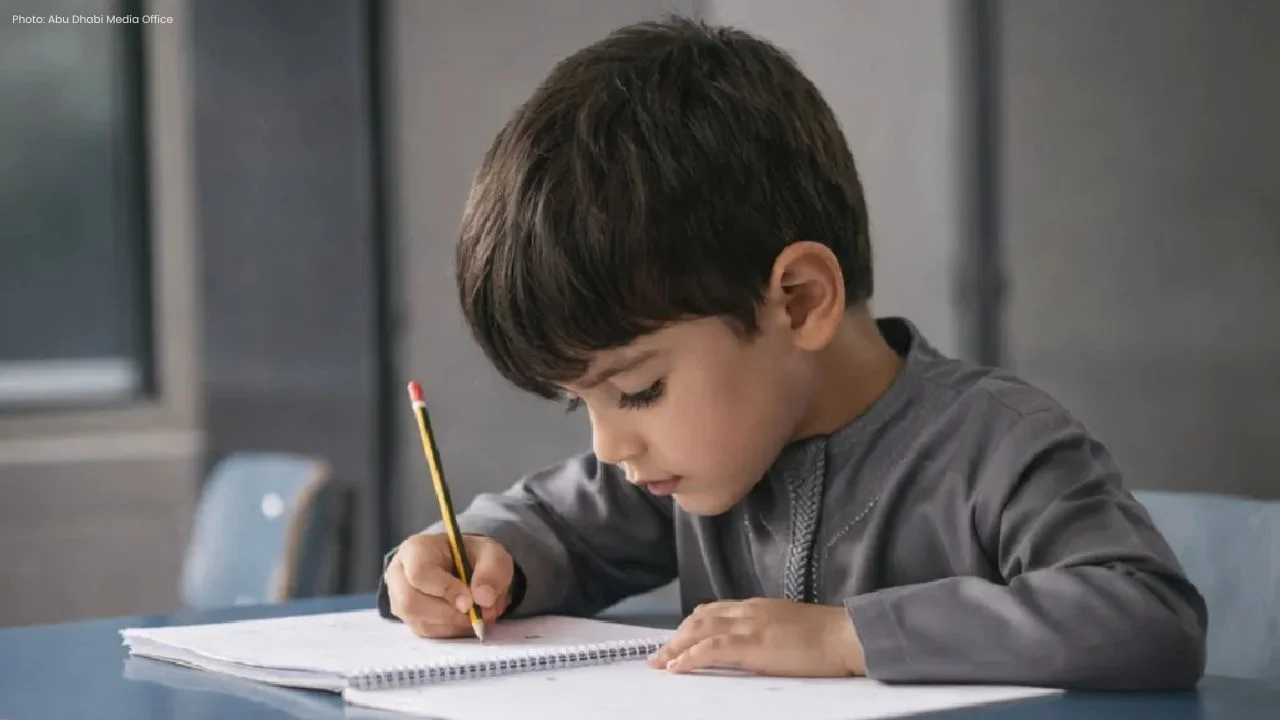
UAE Orphan Fund Raises AED 3.3 Billion in Ramadan Drive
UAE’s Mother of the Nation Orphan Fund raises AED 3.3B in Ramadan, boosting support for education, h
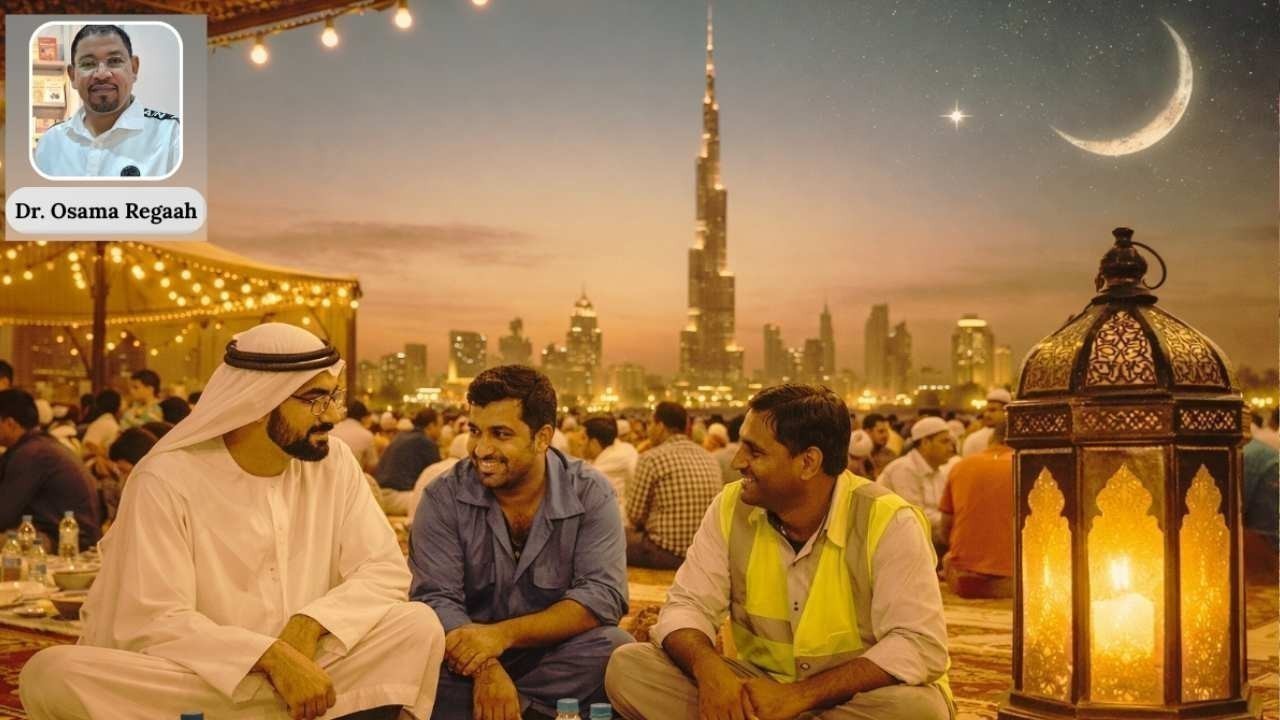
Ramadan in the UAE: Reflections on Humanity, Leadership, and Lasting Values
A heartfelt Ramadan reflection by Osama Regaah on UAE’s spirit of humility, unity, and leadership, a

Dhurandhar 2 Opens Big, Crosses ₹100 Cr on Day 1
Ranveer Singh starrer Dhurandhar 2 earns ₹102 Cr on day one despite delays, beating past Bollywood o


Bank of Baroda Faces Abu Dhabi Legal Battle over NMC Collapse
Bank of Baroda’s involvement in Abu Dhabi litigation tied to the NMC Healthcare collapse raises repu

Top Museum Openings of 2026 Set to Transform Global Tourism
From Los Angeles to Abu Dhabi and Brussels, 2026 brings major museum launches—Lucas Museum, Guggenhe
UAE Tour Highlights UAE’s Strength in Hosting Global Sports Events
Abu Dhabi Sports Council says the successful UAE Tour reflects the UAE’s leading role in hosting maj
EU Seeks Clarity from US After Supreme Court IEEPA Ruling
European Commission urges full transparency from the US on steps after Supreme Court ruling, emphasi
SpaceX Launches 53 New Satellites for Expanding Starlink Network
SpaceX launches 53 Starlink satellites in two Falcon 9 missions, breaking reuse records and expandin

RTA Awards Contract for Phase II of Hessa Street Upgrade in Dubai
Phase II of Hessa Street Development to add bridges, tunnel, and upgraded intersections, doubling ca
UAE Gold Prices Today, Monday 16 February 2026: Dubai & Abu Dhabi Updated Rates
Gold prices in UAE on 16 Feb 2026 updated: 24K around AED 599.75/gm, 22K AED 555.25/gm, and 18K AED
Over 25 Ahmedabad Schools Receive Bomb Threat Email, Authorities Investigate
More than 25 schools in Ahmedabad evacuated after bomb threat emails mentioning Khalistan. Authoriti