Post by : Anis Karim
History brings about moments of reflection, rare instances where societies pause amidst relentless growth and progress. In 2026, we find ourselves in such a moment of introspection. Across governments and communities, there's a rising impetus to question even the most settled beliefs.
Currently, the inquiries are profound and human. They encompass economic frameworks, governance structures, technology management, and social equity in rapidly shifting landscapes. These inquiries stem not from single crises but from a tapestry of pressures revealing the shortcomings of traditional solutions.
Historically, economic growth has been synonymous with success; however, many now scrutinize this notion. Communities wonder if growth that amplifies inequality and environmental degradation is genuine progress.
Rather than outright rejecting growth, there's a push to redefine it. Decision-makers are considering whether factors such as wellbeing and sustainability deserve equal importance to output and profits.
Recent economic upheavals illustrate that rapid growth often masks underlying vulnerabilities. From supply chain issues to inflation, the narrative is shifting towards a sustainable balance between prosperity and stability.
A critical question arises: Why do economic systems deliver such disparate outcomes? While global wealth and innovation expand, benefits remain unevenly distributed.
This inequality has renewed conversations about fairness and opportunity, challenging whether current frameworks genuinely aim to be inclusive or merely favor the privileged.
The aspiration for economic mobility feels increasingly elusive. Rising living costs and job instability undermine the belief in merit-based improvement. This leads to broader moral inquiries on how to foster trust and reopen avenues of possibility.
Democratic systems face pressing challenges posed by global issues such as climate change and technological disruption that demand far-sighted solutions. Yet, political cycles often favour short-termism.
Citizens are questioning if democracies can evolve to effectively address complex challenges while maintaining accountability and citizen participation.
Diminishing trust in institutions characterizes our times; many individuals feel alienated from the decision-making process. This disconnect raises significant questions regarding representation and the ability of existing political frameworks to reflect the public's priorities.
The rapid evolution of technology has reshaped everyday life. Yet, with this innovation comes a pressing question about the extent of control we relinquish to uncharted systems and algorithms.
Although innovation promises efficiency, unchecked power can bring about ethical dilemmas and social challenges.
This situation leads to critical discussions about governance—who determines the trajectory of technology's development and regulation? As various stakeholders navigate their roles, accountability remains fragmented.
Such uncertainties musings ignite debates over privacy, fairness, and control in this advancing digital era.
As 24/7 news cycles and social media amplify crises, perceptions of instability increase. However, indicators suggest advancements in areas like health and education.
Thus, societies grapple with the question: are we facing a truly riskier world, or is our perception skewed?
The omnipresence of international events can impact mental health and decision-making. The challenge lies in remaining informed without succumbing to fear or misinformation.
Climate change is an immediate concern, manifesting through extreme weather and resource limitations. The pressing inquiry remains: can actions align with the urgency of the crisis?
Despite pledges, gaps in implementation often lead to skepticism among the public.
Another pivotal debate revolves around equitable responsibility. As different nations contribute variably to climate issues, discussions around shared burdens continue to challenge consensus.
Security isn't solely about militarization anymore. With pervasive cyber threats and disinformation campaigns, contemporary definitions are evolving.
The global community is pondering how to safeguard societies against diffuse, often hidden dangers.
Security efforts often clash with rising tensions among superpowers, sparking critical questions surrounding the feasibility of collective safety in a competitive landscape.
Globalization once heralded connection and opportunity; however, today, its legacy is mixed. While it has yielded growth, it has also facilitated job displacement and concentrated power.
Societies are considering if global collaboration can be reshaped to prioritize equitable service to all.
The challenge remains in blending global reach with local stability, emphasizing the need for solutions that protect communities without isolating them.
As automation transforms job landscapes, prevailing concerns linger regarding career paths and purpose. Individuals question whether work should emphasize stability, flexibility, or meaningful engagement.
As machines take over routine tasks, the importance of uniquely human qualities—creativity and empathy—becomes increasingly evident. Education systems must adapt to prioritize and harness these traits.
Mental health issues are on the rise, spurred by societal pressures and persistent uncertainty. The debate now revolves around how societies should effectively tackle this pressing concern.
Healthcare, workplaces, and educational systems are undergoing evaluations through this lens.
Acknowledging that mental wellbeing reflects systemic influences shifts accountability towards more collective care strategies.
Modern discussions about fairness increasingly differentiate between equal treatment and the pursuit of equitable outcomes, recognizing that context matters.
The prevailing inquiry centers on how to create systems that embrace diversity while mitigating division.
Concerns about fairness extend to the next generation, as decisions made today regarding climate and economic policies will determine their opportunities.
Institutions often lag in adapting while crises unfold rapidly, raising concerns about their relevance and efficacy in a rapidly changing world.
Although reform discussions abound, implementing those changes remains a challenge.
For institutions to function effectively, they must be trusted. Expectations for transparency, accountability, and adaptability are increasingly seen as essential.
Global issues such as climate change necessitate cooperation; however, geopolitical tensions complicate collective efforts.
The essential question is whether urgency for shared solutions can prevail over strategic competition.
Rather than forming grand coalitions, future collaborations may need to be more pragmatic and issue-focused, mirroring today’s global realities.
The concentration of power within governments, corporations, and technology platforms triggers concerns regarding accountability.
Communities are questioning how to equitably distribute power to foster innovation while preserving democratic principles.
Increased emphasis is being placed on citizen engagement beyond elections. Encouraging dialogue, involvement, and local decision-making can help bolster legitimacy.
Today's governance often falls into a reactive pattern, which catalyzes a shift towards fostering a positive, long-term vision instead of merely responding to crises.
Societies are increasingly exploring what they envision for a desirable future.
Political and economic decisions are increasingly being influenced by core values such as equity, sustainability, and dignity, making alignment imperative.
Connecting these inquiries is a shared experience of uncertainty. In a world navigating change, questioning becomes an important and essential step.
By asking better questions, societies can pursue wiser decisions.
In complex systems, rigid responses can falter. Open conversations enable communities to evolve with changing circumstances.
The vital questions of our time reveal not just transition but also a sense of reflection. Old certainties are diminishing as new paradigms form, creating discomfort that stems from necessary contemplation rather than hasty reactions.
As we navigate through 2026, the solutions are plentiful, yet the re-evaluation of priorities is critical. How current questions will influence future policies, institutions, and lives is significant. This pivotal period may be marked by fragmentation or rejuvenation, dependent on how societies respond to the challenges at hand.
Ultimately, advancement is driven not by absolute answers but by the bravery to question with sincerity. That courage encapsulates the prevailing sentiment across the globe today.
Disclaimer:
This article serves exclusively for informational and analytical purposes, reflecting broad global trends and does not represent the views of any government or institution.
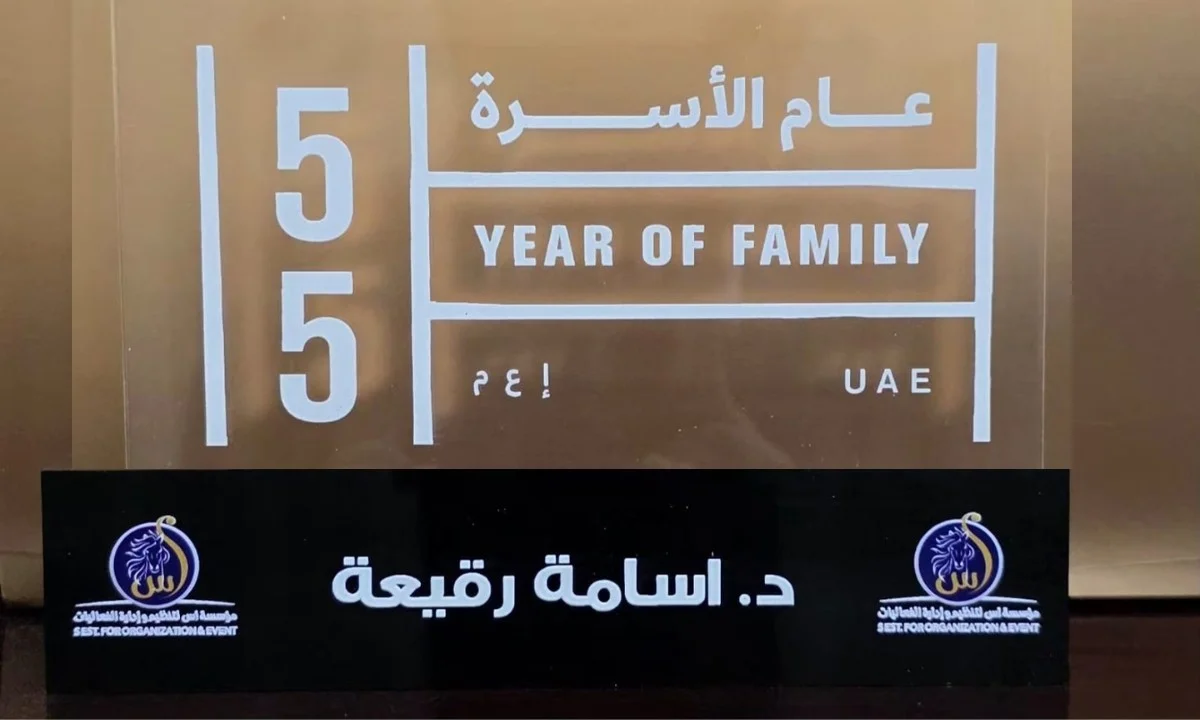
Family Wins “Family of the Year 2026” at Noor Al Quran Event in Ras Al Khaimah
A family honored at the Noor Al Quran initiative in Ras Al Khaimah for Quran memorization and strong
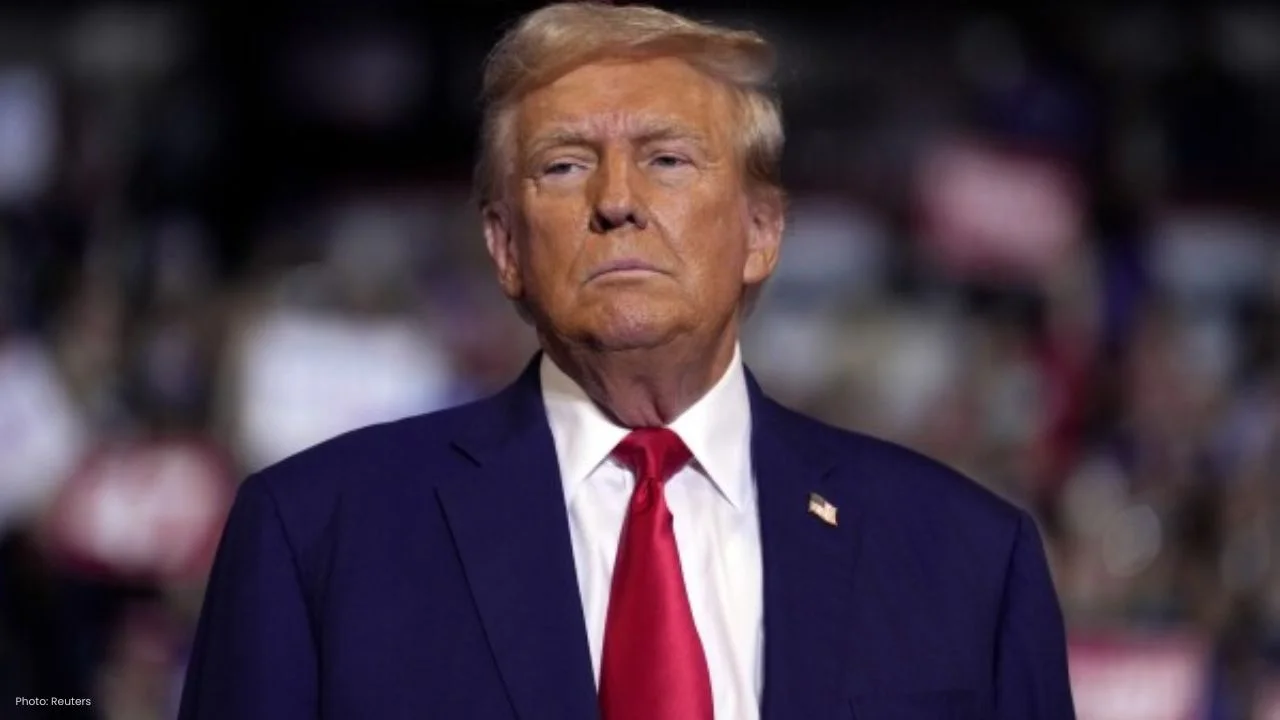
US Approves $16.5B Arms Deal Amid Iran War Escalation
US approves $16.5B arms sale to Gulf allies and $7B to UAE, boosting defence amid Iran tensions whil

UAE Busts Hezbollah-Iran Terror Network, Members Held
UAE authorities have broken a terror network linked to Hezbollah and Iran, arresting members accused

Swiatek Stunned by Linette in Miami Open Upset Shock
Iga Swiatek suffered a shocking defeat to Magda Linette at the Miami Open, marking her first opening

UAE Orphan Fund Raises AED 3.3 Billion in Ramadan Drive
UAE’s Mother of the Nation Orphan Fund raises AED 3.3B in Ramadan, boosting support for education, h
Ramadan in the UAE: Reflections on Humanity, Leadership, and Lasting Values
A heartfelt Ramadan reflection by Osama Regaah on UAE’s spirit of humility, unity, and leadership, a

Dhurandhar 2 Opens Big, Crosses ₹100 Cr on Day 1
Ranveer Singh starrer Dhurandhar 2 earns ₹102 Cr on day one despite delays, beating past Bollywood o


Bank of Baroda Faces Abu Dhabi Legal Battle over NMC Collapse
Bank of Baroda’s involvement in Abu Dhabi litigation tied to the NMC Healthcare collapse raises repu

Top Museum Openings of 2026 Set to Transform Global Tourism
From Los Angeles to Abu Dhabi and Brussels, 2026 brings major museum launches—Lucas Museum, Guggenhe

UAE Tour Highlights UAE’s Strength in Hosting Global Sports Events
Abu Dhabi Sports Council says the successful UAE Tour reflects the UAE’s leading role in hosting maj
EU Seeks Clarity from US After Supreme Court IEEPA Ruling
European Commission urges full transparency from the US on steps after Supreme Court ruling, emphasi
SpaceX Launches 53 New Satellites for Expanding Starlink Network
SpaceX launches 53 Starlink satellites in two Falcon 9 missions, breaking reuse records and expandin

RTA Awards Contract for Phase II of Hessa Street Upgrade in Dubai
Phase II of Hessa Street Development to add bridges, tunnel, and upgraded intersections, doubling ca

UAE Gold Prices Today, Monday 16 February 2026: Dubai & Abu Dhabi Updated Rates
Gold prices in UAE on 16 Feb 2026 updated: 24K around AED 599.75/gm, 22K AED 555.25/gm, and 18K AED

Over 25 Ahmedabad Schools Receive Bomb Threat Email, Authorities Investigate
More than 25 schools in Ahmedabad evacuated after bomb threat emails mentioning Khalistan. Authoriti