Post by : Dr. Amrinder Singh
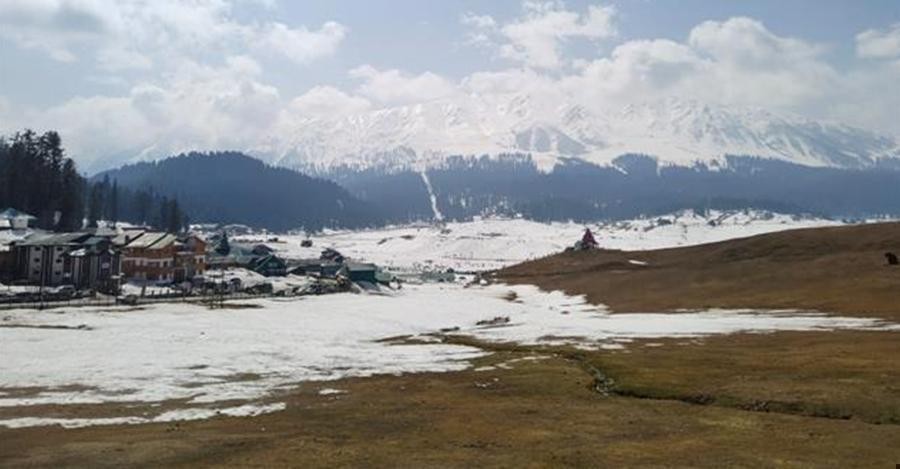
In December, the western Himalayan region faced an unprecedented meteorological challenge, with an alarming 80% deficit in precipitation. This scarcity of rainfall continued into January, characterized by a remarkably dry spell. The India Meteorological Department (IMD) attributes this unusual weather phenomenon to the absence of active western disturbances during the winter season. Typically originating in the Mediterranean region, these disturbances are responsible for bringing unseasonal rainfall to northwest India.
The lack of active western disturbances has not only led to the precipitation shortfall but has also contributed to the persistent layer of fog that has blanketed the plains in the region since December 25. The IMD notes that the absence of these disturbances has resulted in an atypical weather pattern, with implications for various aspects of the region's ecosystem.
The precipitation deficit has far-reaching consequences, particularly on freshwater availability in the Himalayan region. This scarcity is expected to impact horticulture and agricultural production. Sonam Lotus, the head of the meteorological center in Leh, Ladakh, expressed concern about the unusually warm weather in Ladakh and Kashmir during the peak winter season, leading to crops blooming earlier than usual.
The Chillai Kalan period, spanning from December 21 to January 29, usually witnesses substantial snowfall, serving as the primary freshwater source for the region before the southwest monsoon. However, the prolonged dry spell has resulted in reduced water levels in rivers and streams, posing a threat to the delicate balance of the region's ecosystems.
According to IMD scientists Krishna Mishra, Naresh Kumar, and RK Jenamani, maximum temperatures have consistently been below normal by 5-8 degrees Celsius over the northern plains since December 29. The ongoing fog, attributed to the absence of active western disturbances, reached its peak on January 14.
The IMD report highlights that while two western disturbances affected the country, one in December and another in January, their impact remained limited to specific regions. The unprecedented precipitation deficit in the western Himalayan region in December set the tone for a series of climatic anomalies.
The weather anomalies observed this year are marked by an extended dry spell, posing challenges to the region's water resources and ecosystems. The scarcity of precipitation has prompted experts to raise concerns about potential impacts on freshwater availability, with the Chillai Kalan snowfall period failing to provide the usual replenishment.
One of the notable aspects of this meteorological situation is the unseasonal warmth experienced in Ladakh and Kashmir during peak winter. Despite being the coldest period of the year, the temperatures in these regions have been unusually high, leading to early blooming of crops and disrupting the natural agricultural cycle.
The report by IMD scientists underscores the severity of the weather conditions and identifies three main factors contributing to this phenomenon. The lack of active western disturbances is a significant factor, coupled with prevailing El-Nino conditions and a strong jet stream. El-Nino, characterized by abnormal warming in the central Pacific Ocean, is known to influence global weather patterns.
Furthermore, the mechanics of fog formation have played a crucial role in shaping the current weather scenario. Scientists explain that three conditions are required for fog formation: weak low-level winds, moisture, and overnight cooling. The absence of strong western disturbances disrupts these conditions, leading to the prolonged fog cover observed in the region.
The persistence of strong jet streams over north India for the last five days has led to the subsidence of cold air, intensifying cold wave and cold day conditions. These prevailing conditions are expected to continue over the next five days, further complicating the challenges posed by the ongoing weather anomalies.
In conclusion, the complex interplay of factors such as the absence of active western disturbances, El-Nino conditions, and a strong jet stream has resulted in unprecedented weather conditions in the western Himalayan region. The far-reaching consequences, from an 80% precipitation deficit to disruptions in agricultural cycles and ecosystems, highlight the need for comprehensive understanding and mitigation strategies in the face of evolving climate patterns. The ongoing challenges underscore the importance of continued research and collaborative efforts to address the dynamic nature of regional weather systems and their impact on communities and ecosystems.

Abu Dhabi Opens Two New Bridges to Cut Traffic by 60%
DMT launches two high-capacity bridges linking Al Reem Island to E‑12, reducing travel time by 15 mi
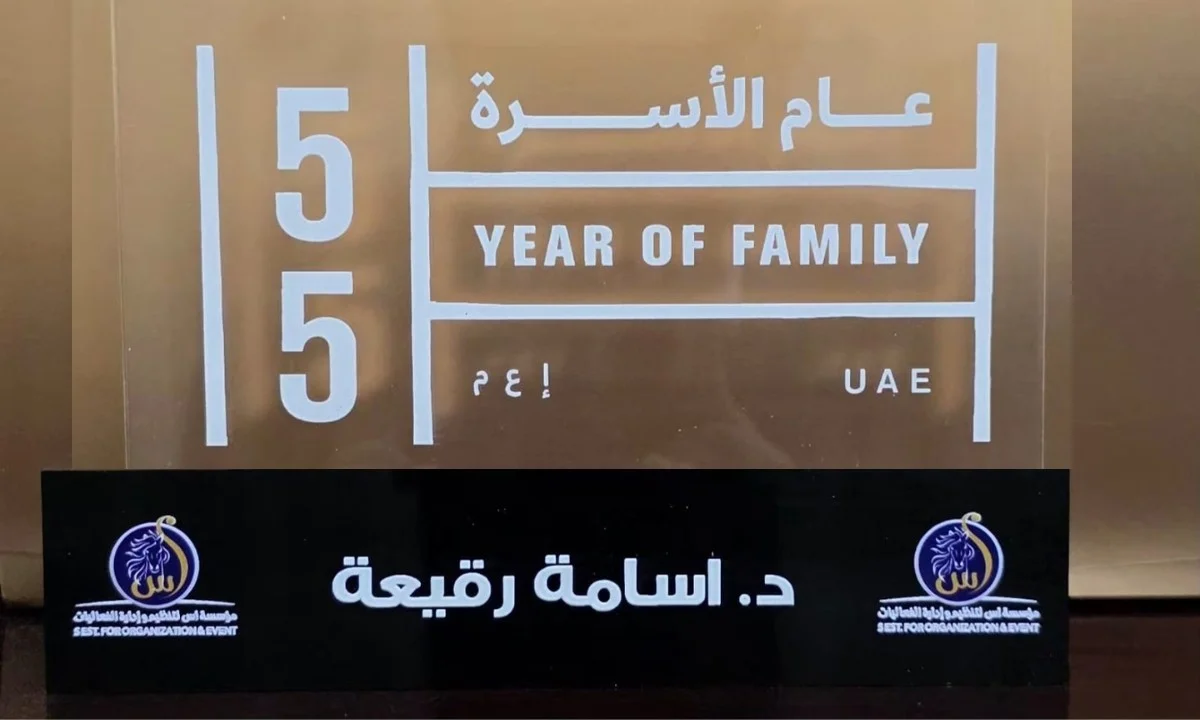
Family Wins “Family of the Year 2026” at Noor Al Quran Event in Ras Al Khaimah
A family honored at the Noor Al Quran initiative in Ras Al Khaimah for Quran memorization and strong

US Approves $16.5B Arms Deal Amid Iran War Escalation
US approves $16.5B arms sale to Gulf allies and $7B to UAE, boosting defence amid Iran tensions whil

UAE Busts Hezbollah-Iran Terror Network, Members Held
UAE authorities have broken a terror network linked to Hezbollah and Iran, arresting members accused

Swiatek Stunned by Linette in Miami Open Upset Shock
Iga Swiatek suffered a shocking defeat to Magda Linette at the Miami Open, marking her first opening

UAE Orphan Fund Raises AED 3.3 Billion in Ramadan Drive
UAE’s Mother of the Nation Orphan Fund raises AED 3.3B in Ramadan, boosting support for education, h

Ramadan in the UAE: Reflections on Humanity, Leadership, and Lasting Values
A heartfelt Ramadan reflection by Osama Regaah on UAE’s spirit of humility, unity, and leadership, a


Bank of Baroda Faces Abu Dhabi Legal Battle over NMC Collapse
Bank of Baroda’s involvement in Abu Dhabi litigation tied to the NMC Healthcare collapse raises repu

Top Museum Openings of 2026 Set to Transform Global Tourism
From Los Angeles to Abu Dhabi and Brussels, 2026 brings major museum launches—Lucas Museum, Guggenhe

UAE Tour Highlights UAE’s Strength in Hosting Global Sports Events
Abu Dhabi Sports Council says the successful UAE Tour reflects the UAE’s leading role in hosting maj

EU Seeks Clarity from US After Supreme Court IEEPA Ruling
European Commission urges full transparency from the US on steps after Supreme Court ruling, emphasi
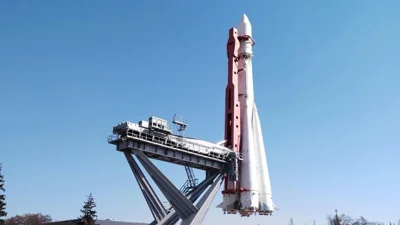
SpaceX Launches 53 New Satellites for Expanding Starlink Network
SpaceX launches 53 Starlink satellites in two Falcon 9 missions, breaking reuse records and expandin

RTA Awards Contract for Phase II of Hessa Street Upgrade in Dubai
Phase II of Hessa Street Development to add bridges, tunnel, and upgraded intersections, doubling ca

UAE Gold Prices Today, Monday 16 February 2026: Dubai & Abu Dhabi Updated Rates
Gold prices in UAE on 16 Feb 2026 updated: 24K around AED 599.75/gm, 22K AED 555.25/gm, and 18K AED

Over 25 Ahmedabad Schools Receive Bomb Threat Email, Authorities Investigate
More than 25 schools in Ahmedabad evacuated after bomb threat emails mentioning Khalistan. Authoriti