Post by : Anis Karim
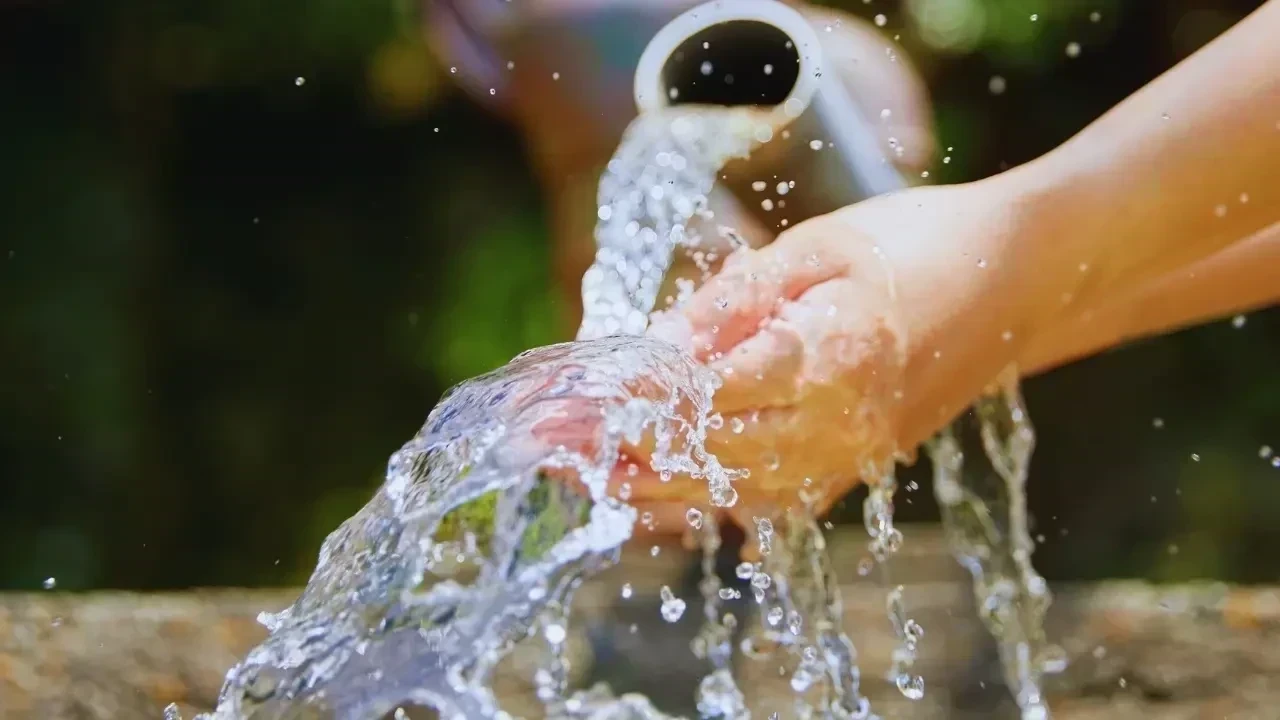
Clean water, essential for life, is increasingly becoming one of the most scarce resources on Earth. While our planet is covered in water, less than 1% is accessible for human use. Rapid population growth, industrial demands, and the impacts of climate change are pushing the availability of clean water to critical levels.
Experts predict that by 2026, clean water could surpass oil, natural gas, and rare minerals in both economic and geopolitical significance. This urgent situation is driven by depleting freshwater sources, rising pollution, global warming, agricultural pressures, and urban expansion.
This article dives into why clean water is set to become the most essential commodity, examining the scientific, economic, environmental, and political dynamics at play.
For decades, warnings about freshwater shortages were considered theoretical, but now the situation is dire:
Major rivers are drying up
Groundwater reserves are historic lows
Lakes are receding
Glaciers are melting rapidly
Seasonal rain patterns are becoming erratic
Cities in Asia, Africa, and even various regions in Europe and the U.S. are grappling with chronic water shortages.
Though the Earth is often called the "blue planet," this perception is misleading. Most water is:
Saltwater (97%)
Trapped in glaciers and ice caps
Contaminated beyond use
The dwindling supply available is threatened by:
Overuse
Mismanagement
Poor infrastructure
Lack of conservation
This declining availability is the crux of why clean water may soon be the world's most prized asset.
With the global population surging, the need for drinking water, sanitation, agricultural use, and industry rises sharply. Urban migration compounds these challenges, as infrastructure tends to lag behind demand.
By 2035, it is estimated that nearly two-thirds of the world's population will reside in areas experiencing water stress.
Climate change disrupts the natural hydration cycle:
Rainfall is becoming less predictable
Drought periods are lengthening
Flooding leads to freshwater contamination
Heat waves cause increased evaporation
These alterations compromise the reliability of conventional water sources such as rivers and aquifers.
Glaciers function as natural reservoirs; their swift melting can create temporary water surpluses, but lead to long-term shortages, impacting millions.
Factories, farms, and chemical plants introduce pollutants into rivers and lakes. The presence of heavy metals and pesticides renders water unsafe for consumption.
Many cities lack adequate sewage systems, resulting in untreated wastewater contaminating freshwater sources.
Nearly half of the world’s drinking water comes from groundwater, yet over-extraction has led to significant drops in water tables in nations like India, China, and the United States.
As access becomes harder, the costs rise, driving up the value of clean water.
Agriculture is the largest consumer of water, accounting for up to 80% of freshwater use in some countries. As food demand spikes, water-intensive agricultural practices intensify the strain on water supplies.
Many regions still depend on flood irrigation, wasting excessive amounts of water, and this trend will worsen without modernization.
Numerous industries, from manufacturing to data centers, rely heavily on water for:
Cooling
Processing
Cleaning
Chemical reactions
As industrial activity increases, so too does competition for this vital resource.
Converting seawater into drinkable water requires energy-intensive methods like reverse osmosis. While effective, these methods are:
Capital heavy
Environmental burdens due to brine waste
Dependent on a stable energy supply
As freshwater becomes scarcer, desalination projects will become necessary, albeit costly, naturally enhancing the market value of organically sourced clean water.
Investors and corporations are increasingly recognizing water as a valuable commodity. In various nations, water rights are already trading hands in financial markets. As scarcity escalates, water prices are likely to rise significantly.
Items that require considerable water for production—such as textiles, dairy, and electronics—are likely to become pricier.
With diminished water availability, crop yields will fall, livestock will suffer, and food production will be unpredictable. Water constraints in agriculture may lead to soaring global food prices, impacting millions.
Communities experiencing serious water shortages are likely to migrate in search of stable access, shifting demographic patterns internationally.
Several major rivers, including the Nile and Indus, traverse international borders. As water scarcity worsens, tensions between upstream and downstream nations may heighten.
North Africa
South Asia
Middle East
Southeast Asia
Rivalry over river water could incite diplomatic strains or localized hostilities.
Countries with abundant water resources may utilize them for:
Trade leverage
Diplomatic clout
Regional influence
Water security will become integral to national security policies.
To avoid conflicts, nations may need to create treaties focused on:
Water sharing
Sustainable extraction limits
River basin management
Pollution control
Technology collaboration
Partnerships will be crucial to alleviate global water tensions.
Utilizing sensors and AI can help cities and industries minimize waste and enhance resource distribution.
Leak detection in real-time
Automated irrigation
Water usage analytics
Smart household meters
New energy-efficient desalination methods are in development, powered by:
Solar energy
Graphene membranes
Advanced membrane technologies
These advancements could dramatically cut costs in the future.
Modern purification technologies can convert wastewater into usable water for:
Agricultural purposes
Industrial use
Recharge of groundwater
Drinking water in specific regions
This circular model could prolong the availability of water resources.
Cities are beginning to require rooftop systems and urban harvest solutions to collect seasonal rainwater and lessen reliance on outside resources.
Small changes in daily habits can lead to significant water savings.
Choosing products from farms that prioritize conservation helps encourage sustainability.
Public advocacy can prompt governmental improvements in water management systems.
Smart technology can help monitor and reduce household water consumption.
Clean water is swiftly emerging as one of the most significant and contested resources of our age. As climate-related pressures increase and demand surpasses supply, water scarcity will reshape economy, society, and geopolitics worldwide. The transformation is underway, influencing agriculture, industry, urban strategies, and national security.
However, there is still hope. With innovative technologies, sensible policies, and responsible consumption, humanity can tackle this challenge and cultivate a sustainable, water-secure future. The next few decades will determine whether the world adapts successfully or faces one of its most pressing resource crises.
Once seen as plentiful, clean water is now becoming the defining resource of the 21st century.
This article serves as an informational piece and does not substitute for scientific or policy recommendations.
Family Wins “Family of the Year 2026” at Noor Al Quran Event in Ras Al Khaimah
A family honored at the Noor Al Quran initiative in Ras Al Khaimah for Quran memorization and strong

US Approves $16.5B Arms Deal Amid Iran War Escalation
US approves $16.5B arms sale to Gulf allies and $7B to UAE, boosting defence amid Iran tensions whil

UAE Busts Hezbollah-Iran Terror Network, Members Held
UAE authorities have broken a terror network linked to Hezbollah and Iran, arresting members accused

Swiatek Stunned by Linette in Miami Open Upset Shock
Iga Swiatek suffered a shocking defeat to Magda Linette at the Miami Open, marking her first opening

UAE Orphan Fund Raises AED 3.3 Billion in Ramadan Drive
UAE’s Mother of the Nation Orphan Fund raises AED 3.3B in Ramadan, boosting support for education, h

Ramadan in the UAE: Reflections on Humanity, Leadership, and Lasting Values
A heartfelt Ramadan reflection by Osama Regaah on UAE’s spirit of humility, unity, and leadership, a

Dhurandhar 2 Opens Big, Crosses ₹100 Cr on Day 1
Ranveer Singh starrer Dhurandhar 2 earns ₹102 Cr on day one despite delays, beating past Bollywood o


Bank of Baroda Faces Abu Dhabi Legal Battle over NMC Collapse
Bank of Baroda’s involvement in Abu Dhabi litigation tied to the NMC Healthcare collapse raises repu

Top Museum Openings of 2026 Set to Transform Global Tourism
From Los Angeles to Abu Dhabi and Brussels, 2026 brings major museum launches—Lucas Museum, Guggenhe

UAE Tour Highlights UAE’s Strength in Hosting Global Sports Events
Abu Dhabi Sports Council says the successful UAE Tour reflects the UAE’s leading role in hosting maj

EU Seeks Clarity from US After Supreme Court IEEPA Ruling
European Commission urges full transparency from the US on steps after Supreme Court ruling, emphasi
SpaceX Launches 53 New Satellites for Expanding Starlink Network
SpaceX launches 53 Starlink satellites in two Falcon 9 missions, breaking reuse records and expandin

RTA Awards Contract for Phase II of Hessa Street Upgrade in Dubai
Phase II of Hessa Street Development to add bridges, tunnel, and upgraded intersections, doubling ca

UAE Gold Prices Today, Monday 16 February 2026: Dubai & Abu Dhabi Updated Rates
Gold prices in UAE on 16 Feb 2026 updated: 24K around AED 599.75/gm, 22K AED 555.25/gm, and 18K AED

Over 25 Ahmedabad Schools Receive Bomb Threat Email, Authorities Investigate
More than 25 schools in Ahmedabad evacuated after bomb threat emails mentioning Khalistan. Authoriti