Post by : Anis Karim
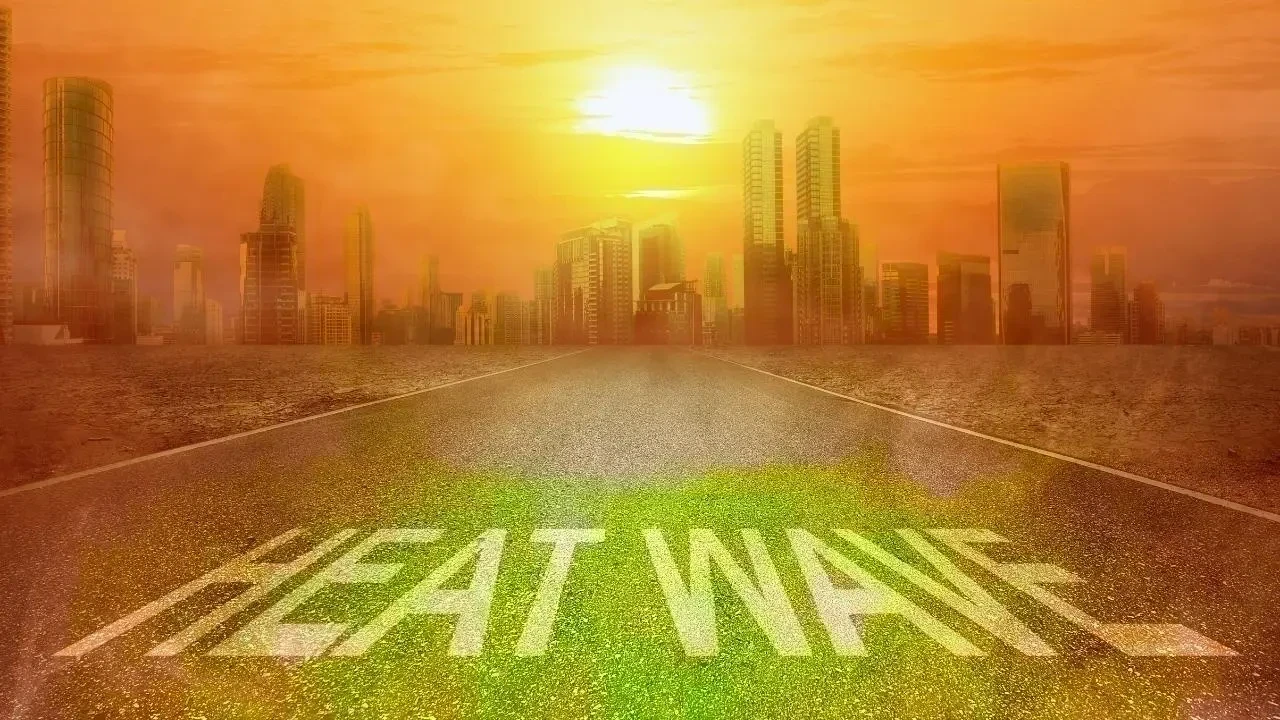
Heatwaves represent periods of extreme temperature increases that persist markedly above seasonal norms. Recently, both Europe and North America have contended with an alarming rise in the frequency and intensity of these extreme heat events, a direct consequence of climate change and human impact on natural systems.
Forecast models suggest that 2026 may stand out as one of the hottest years globally, thus portending a continuation of these intense heat occurrences. The escalating heat can jeopardize public health, disrupt agricultural productivity, strain energy systems, and challenge ecosystems. Heatwaves initiate a cascade of consequential issues, particularly threatening vulnerable groups.
European countries have faced unprecedented temperature spikes in recent years. Nations like Spain, Portugal, Italy, and France are grappling with persistent heatwave alerts, as temperatures have surged past 40 degrees Celsius during the summer months. These alarming conditions have prompted health advisories, school closures, and robust emergency preparedness efforts.
In numerous areas, ongoing heatwaves exacerbate drought conditions, elevate wildfire hazards, and stress water and electricity infrastructure. Both inland and coastal cities contend with unrelenting high temperatures, often with minimal nighttime relief.
North America is similarly affected by severe heat events. Although winter forecasts for 2025-26 indicate cold spells, historical trends reveal long-lasting summer heat that surpasses average temperatures. Western and central regions of the U.S. and southern Canada face intensified emergency service demands as heatwaves become commonplace.
Increased hospital visits related to heat illnesses, infrastructure overloads, and fatalities are common during these events. Urban heat islands amplify temperature impacts, while rural areas with insufficient cooling infrastructure are also at significant risk.
Recent scientific assessments show that average temperatures globally have risen over decades, with 2026 expected to be markedly warmer than the pre-industrial period. This increasing baseline means that heatwaves are expected to escalate in severity and duration.
Atmospheric phenomena, such as high-pressure systems—often dubbed heat domes—trap hot air over extensive areas, hindering natural cooling and facilitating extended periods of excessive heat. Notably, these atmospheric conditions were linked to extreme summer temperatures across Europe.
The rise in greenhouse gas emissions, driven by human activities, has considerably raised average temperatures, making extreme heat events more prevalent. This warming trend disrupts traditional weather patterns and increases the likelihood of breaking records.
Heatwaves present substantial threats to health and safety, especially during extended exposure to high temperatures.
As the body struggles to cool itself, instances of heat exhaustion and heat stroke can occur. Symptoms can include heavy sweating, weakness, confusion, dizziness, and potentially loss of consciousness in severe cases. Immediate medical intervention is vital.
Elevated temperatures can exacerbate respiratory issues and impose extra strain on cardiovascular systems. Those with pre-existing conditions, such as heart or lung ailments, alongside older adults, are particularly at risk. Children and outdoor laborers are equally vulnerable.
Extreme heat creates immense pressure on power supplies, often due to extensive use of air conditioning, leading to potential outages. Infrastructure such as roads and rails also suffers, often leading to dangerous conditions.
European and North American authorities are implementing strategies to mitigate heatwave impacts. Key measures include:
Advisory frameworks to alert the public about health risks related to heat
Cooling centers providing safe havens for residents without air conditioning
Public initiatives promoting hydration, shade, and minimizing outdoor activities
Healthcare readiness for anticipated heat-related medical cases
Special attention is placed on vulnerable communities, especially seniors, children, and people with existing health issues, as they face heightened risks during prolonged heat periods.
Governments collaborate with meteorological and health organizations to issue timely alerts, granting communities crucial time to prepare and respond effectively.
Individuals can employ several strategies to safeguard their health during heatwaves:
It's critical to consume plenty of water. Avoiding alcohol and caffeine can help maintain dryness levels.
During the hottest hours of the day, generally from noon to late afternoon, remaining indoors within cooler environments reduces the risk of heat-related stress.
Wearing light, loose-fitting, and light-colored attire helps reflect heat and increases airflow. Accessories like hats and sunglasses also diminish heat exposure.
Cool showers, wet cloths, and shaded areas help control body temperature. Relying solely on portable fans may not suffice during extreme heat.
Community outreach is crucial. Regularly checking up on elderly or mobility-limited neighbors ensures their safety and hydration.
Heatwaves can impact tourism and travel schedules. In regions under heat advisories, local authorities may recommend avoiding non-essential excursions, adjusting outdoor activities or temporarily closing attractions during heat peaks.
Countries in Europe, particularly those in southern regions like Spain, Portugal, and Italy, have issued heat-related travel warnings where summer conditions consistently exceed comfort levels. Local measures often include added safety signage and medical readiness during extreme heat.
While travel isn't entirely ruled out, familiarizing yourself with local weather patterns and planning activities during cooler intervals enhances safety and comfort.
Heatwaves transcend mere weather patterns; they are entwined with larger climate dynamics. Continuous monitoring of baseline temperatures and atmospheric behaviors will unveil insights into climate change's effects on extreme heat prevalence.
Predictions indicate that global temperatures will remain elevated relative to historical norms, which will likely result in a frequency increase of severe heat events. This outcome emphasizes the need for sustainable adaptation practices—like enhancing green spaces, optimizing building designs for natural cooling, and creating resilient infrastructure.
This article is intended for informational purposes only and does not replace medical or emergency advice. Readers should consult local health authorities and meteorological agencies for real-time updates and specific protective actions.

Family Wins “Family of the Year 2026” at Noor Al Quran Event in Ras Al Khaimah
A family honored at the Noor Al Quran initiative in Ras Al Khaimah for Quran memorization and strong

US Approves $16.5B Arms Deal Amid Iran War Escalation
US approves $16.5B arms sale to Gulf allies and $7B to UAE, boosting defence amid Iran tensions whil

UAE Busts Hezbollah-Iran Terror Network, Members Held
UAE authorities have broken a terror network linked to Hezbollah and Iran, arresting members accused

Swiatek Stunned by Linette in Miami Open Upset Shock
Iga Swiatek suffered a shocking defeat to Magda Linette at the Miami Open, marking her first opening

UAE Orphan Fund Raises AED 3.3 Billion in Ramadan Drive
UAE’s Mother of the Nation Orphan Fund raises AED 3.3B in Ramadan, boosting support for education, h

Ramadan in the UAE: Reflections on Humanity, Leadership, and Lasting Values
A heartfelt Ramadan reflection by Osama Regaah on UAE’s spirit of humility, unity, and leadership, a

Dhurandhar 2 Opens Big, Crosses ₹100 Cr on Day 1
Ranveer Singh starrer Dhurandhar 2 earns ₹102 Cr on day one despite delays, beating past Bollywood o


Bank of Baroda Faces Abu Dhabi Legal Battle over NMC Collapse
Bank of Baroda’s involvement in Abu Dhabi litigation tied to the NMC Healthcare collapse raises repu

Top Museum Openings of 2026 Set to Transform Global Tourism
From Los Angeles to Abu Dhabi and Brussels, 2026 brings major museum launches—Lucas Museum, Guggenhe
UAE Tour Highlights UAE’s Strength in Hosting Global Sports Events
Abu Dhabi Sports Council says the successful UAE Tour reflects the UAE’s leading role in hosting maj

EU Seeks Clarity from US After Supreme Court IEEPA Ruling
European Commission urges full transparency from the US on steps after Supreme Court ruling, emphasi
SpaceX Launches 53 New Satellites for Expanding Starlink Network
SpaceX launches 53 Starlink satellites in two Falcon 9 missions, breaking reuse records and expandin

RTA Awards Contract for Phase II of Hessa Street Upgrade in Dubai
Phase II of Hessa Street Development to add bridges, tunnel, and upgraded intersections, doubling ca

UAE Gold Prices Today, Monday 16 February 2026: Dubai & Abu Dhabi Updated Rates
Gold prices in UAE on 16 Feb 2026 updated: 24K around AED 599.75/gm, 22K AED 555.25/gm, and 18K AED

Over 25 Ahmedabad Schools Receive Bomb Threat Email, Authorities Investigate
More than 25 schools in Ahmedabad evacuated after bomb threat emails mentioning Khalistan. Authoriti