Post by : Anis Karim
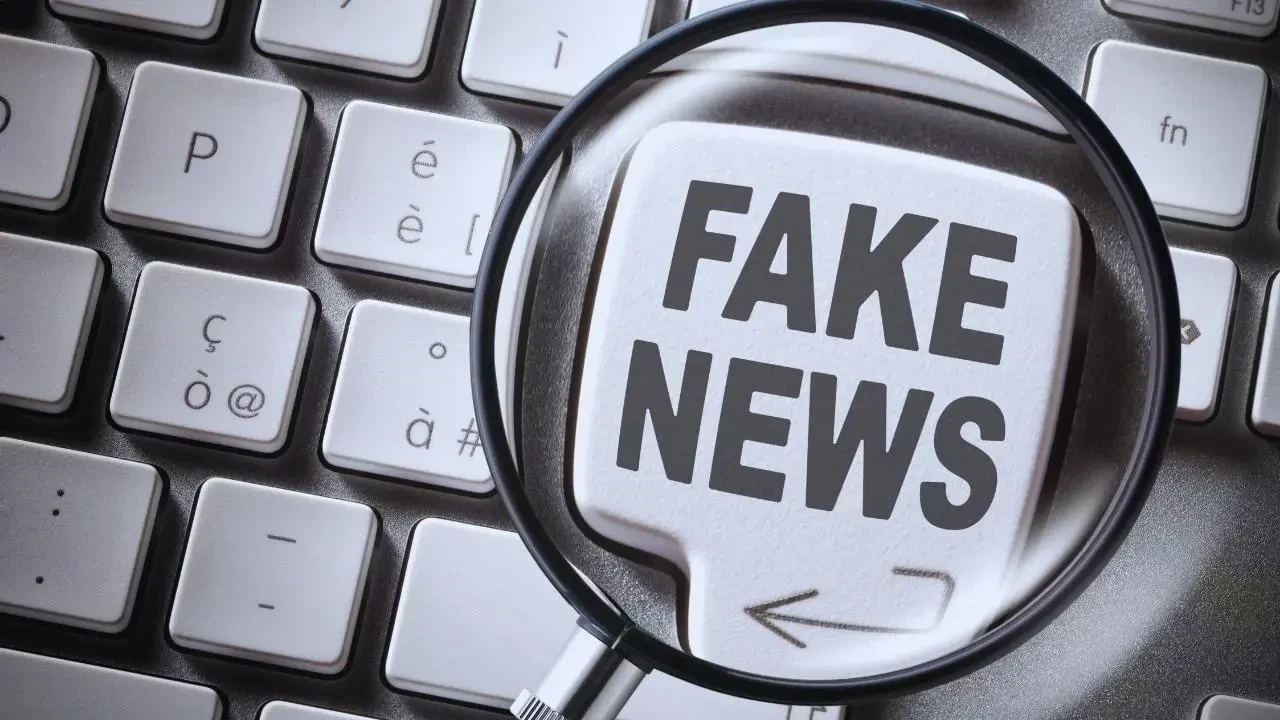
In a world inundated with constant news updates, information flows faster than ever. Social media is relentless, news websites are in perpetual motion, and influencers share viewpoints with a click. While this access allows unprecedented information availability, it also brings significant challenges: rampant misinformation, misleading narratives, and biases that subtly alter perceptions.
Recognizing fake news isn't just beneficial; it’s essential. From political events to health emergencies, misinformation can rapidly overshadow the truth. Media bias also plays a hidden role, shaping narratives and public opinion in ways that often go unnoticed. Amid this upheaval, distinguishing fact from falsehood is paramount for every individual.
This article explores various strategies, indicators, and warning signs that empower individuals to spot fake news and comprehend media bias in today’s fast-moving digital landscape.
The instantaneous nature of social media allows anyone to disseminate information at lightning speed. When numerous users share the same news without validating it, false narratives proliferate. Since emotional responses often overshadow rational thinking, misinformation can spread far more quickly than verified information.
Fake news tends to simplify intricate issues into digestible sound bites. Genuine explanations, however, often require thorough investigation and nuance. Faced with information overload, individuals frequently prefer straightforward narratives, even if they are deceptive.
Digital algorithms prioritize engagement over accuracy. Content that elicits strong reactions—be it controversial or emotionally charged—garner more clicks, subsequently receiving unwarranted visibility.
Each news organization has a unique style, mission, and target demographic. Some outlets lean toward emotive reporting, while others emphasize specific narratives or political viewpoints. This framing affects readers’ understanding; two different outlets might portray the same fact yet lead to divergent interpretations.
Journalists can harbor unconscious biases influenced by their backgrounds and environments. These internal filters can subtly shape the language, emphasis, and outlook of a news story.
Media bias isn't solely about misinformation. It can also manifest in coverage choices. When only select voices or stories gain attention, consumers receive a distorted view of reality.
Before accepting any news, consider:
Who is behind this publication?
Do they have a reputation for credible journalism?
Are they known for sensationalist or satirical content?
Fake outlets often imitate legitimate websites, frequently with slight alterations in spelling or less common domain endings.
Reputable organizations clearly outline their guidelines, accountability, and editorial teams. In contrast, fake news platforms typically lack transparency.
Be wary of posts that repurpose older articles to match contemporary narratives. Always verify the timeliness and relevance of the content.
Headlines that employ vociferous terms like “unbelievable,” “shocking,” or “the dangerous truth” are often designed to manipulate emotions rather than inform.
Authentic news articles typically include:
Data and statistics
Expert testimonials
Contextual background
Conversely, fake news often makes vague claims, such as “experts say” or “sources indicate,” without attributing them.
Reputable news platforms uphold high writing standards. Therefore, elements like grammatical errors, odd font choices, all-caps headings, and an overabundance of emojis are red flags.
If a dramatic story is reported solely by one outlet while traditional media remains silent, chances are it’s exaggerated or false.
Credible narratives reference:
Official statements
Government announcements
Scholarly research
Verified quotations
Fake news usually fails to provide solid references.
Fake posts frequently utilize outdated or irrelevant imagery to propagate misleading narratives. Employing reverse image search can unveil original photo sources.
Sometimes, satirical sites generate content meant as parody. Although not designed to mislead, these stories often spread widely without necessary context.
Consider the following variations:
“Protesters clashed with law enforcement.”
“Citizens demanded accountability.”
Both statements depict gatherings, but they evoke different emotional reactions.
Featured articles, breaking news notifications, and prominent headlines reveal what publications deem important. Conversely, less-prominent stories receive minimal attention, despite their significance.
At times, a sensational headline contrasts with more neutral content in the article. Many individuals skim headlines, failing to absorb the complete narrative.
If a piece mainly cites one perspective or type of expertise, it could be skewed, whether intentionally or otherwise.
People tend to consume information that aligns with their pre-existing beliefs, making them more susceptible to misinformation.
Worrying headlines elicit quick emotional responses, prompting users to share as warnings to others.
Following only like-minded pages and influencers skews perspectives, creating a one-dimensional view of the world.
The more sensational a post, the greater the likelihood of exaggerated claims.
While comments can sometimes debunk misinformation, they can also propagate falsehoods. Approach them as clues rather than definitive facts.
Screenshots are easily manipulated. When encountering one, search for the original article to verify authenticity.
Many influencers share news without verification. Popularity isn’t synonymous with reliability.
Media often highlight emotionally charged topics their audience engages with, skewing perceptions of importance.
Biased articles may subtly label individuals or groups as heroes or villains without explicit statements.
Photos can evoke emotions like sympathy or anger, influencing reader sentiment before they even read the text.
Numbers can be presented deceitfully. For instance, stating “crime rates doubled” can appear alarming without sufficient context.
Relying mainly on one or two platforms can warp perceptions. A varied selection helps mitigate any single bias.
Continuous exposure can induce stress and confusion. Regulating consumption promotes clearer understanding.
Self-awareness is a robust defense mechanism. Understanding your biases leads to more impartial judgment of information.
Constructive conversations challenge assumptions and help combat misinformation.
Global issues, elections, economic shifts, and rapid advancements make the information landscape rich yet emotionally volatile.
Children and teens are exposed to unprecedented levels of misinformation. Instilling media literacy early is vital for safeguarding their understanding.
Fake news can mislead individuals and sway national policies, diplomatic relations, and market stability.
In an age marked by noise, deceit, and bias, every reader’s best strategy is to ask:
Who benefits if I accept this information as truth?
By practicing critical thinking, verifying facts, and recognizing emotional responses, you can shield yourself from manipulation. While fake news and media bias will persist, adopting the right mindset and skills enables you to navigate the complex global news environment with assurance and clarity.
This article serves merely as an informative resource and does not substitute for professional training in journalism or media literacy. Always cross-verify facts and apply critical reasoning when evaluating news sources.
Family Wins “Family of the Year 2026” at Noor Al Quran Event in Ras Al Khaimah
A family honored at the Noor Al Quran initiative in Ras Al Khaimah for Quran memorization and strong
US Approves $16.5B Arms Deal Amid Iran War Escalation
US approves $16.5B arms sale to Gulf allies and $7B to UAE, boosting defence amid Iran tensions whil

UAE Busts Hezbollah-Iran Terror Network, Members Held
UAE authorities have broken a terror network linked to Hezbollah and Iran, arresting members accused

Swiatek Stunned by Linette in Miami Open Upset Shock
Iga Swiatek suffered a shocking defeat to Magda Linette at the Miami Open, marking her first opening

UAE Orphan Fund Raises AED 3.3 Billion in Ramadan Drive
UAE’s Mother of the Nation Orphan Fund raises AED 3.3B in Ramadan, boosting support for education, h

Ramadan in the UAE: Reflections on Humanity, Leadership, and Lasting Values
A heartfelt Ramadan reflection by Osama Regaah on UAE’s spirit of humility, unity, and leadership, a

Dhurandhar 2 Opens Big, Crosses ₹100 Cr on Day 1
Ranveer Singh starrer Dhurandhar 2 earns ₹102 Cr on day one despite delays, beating past Bollywood o


Bank of Baroda Faces Abu Dhabi Legal Battle over NMC Collapse
Bank of Baroda’s involvement in Abu Dhabi litigation tied to the NMC Healthcare collapse raises repu

Top Museum Openings of 2026 Set to Transform Global Tourism
From Los Angeles to Abu Dhabi and Brussels, 2026 brings major museum launches—Lucas Museum, Guggenhe

UAE Tour Highlights UAE’s Strength in Hosting Global Sports Events
Abu Dhabi Sports Council says the successful UAE Tour reflects the UAE’s leading role in hosting maj
EU Seeks Clarity from US After Supreme Court IEEPA Ruling
European Commission urges full transparency from the US on steps after Supreme Court ruling, emphasi

SpaceX Launches 53 New Satellites for Expanding Starlink Network
SpaceX launches 53 Starlink satellites in two Falcon 9 missions, breaking reuse records and expandin

RTA Awards Contract for Phase II of Hessa Street Upgrade in Dubai
Phase II of Hessa Street Development to add bridges, tunnel, and upgraded intersections, doubling ca

UAE Gold Prices Today, Monday 16 February 2026: Dubai & Abu Dhabi Updated Rates
Gold prices in UAE on 16 Feb 2026 updated: 24K around AED 599.75/gm, 22K AED 555.25/gm, and 18K AED

Over 25 Ahmedabad Schools Receive Bomb Threat Email, Authorities Investigate
More than 25 schools in Ahmedabad evacuated after bomb threat emails mentioning Khalistan. Authoriti