Author : Colin Harischandra
Media policies are the institutional frameworks, laws, regulations, and guidelines developed by governments to regulate, protect, and promote media activities within a country. These policies cover a wide range of areas, including media freedom, the right to access information, digital media regulation, and censorship of media organizations. The nature of these policies varies greatly depending on a country’s political system, economic situation, and cultural background.
Understanding media policies across different nations reveals the diversity of global media systems and current trends, highlighting how democratic countries prioritize media freedom while authoritarian regimes impose strong government control.
The United States’ media policy is primarily grounded in the First Amendment of the Constitution, which protects freedom of speech, religion, and the press. This amendment prohibits government censorship and ensures the press operates independently.
The Federal Communications Commission (FCC) regulates media, including issuing licenses for radio, TV, and satellite broadcasting, with renewals every four years.
The FCC also promotes media pluralism by limiting the number of media outlets one individual or entity can own.
While there are no comprehensive federal laws regulating social media, state laws protect journalists’ information and address social media issues.
The U.S. media environment values independence and minimal government interference, though legal amendments have been suggested to better protect media freedom.
China’s media policy is characterized by strict government control, with media used to promote the political goals of the Chinese Communist Party.
The General Administration of Press and Publication (GAPP) oversees censorship of print, electronic, and online media.
China employs satellite receivers and shortwave radio jamming to block foreign news.
The Great Firewall represents one of the world’s most sophisticated internet censorship systems, blocking foreign websites and content.
Key laws include the Electronic Commerce Law, Advertising Law, and Cybersecurity Law.
Although these controls are justified by the government as necessary for national security and social stability, they result in extensive pressure on journalists and severe limitations on media freedom.
The UK’s media policy is based on codes of practice and regulatory frameworks designed to balance press freedom and content regulation.
The Office of Communications (Ofcom) is the main regulatory body overseeing broadcasting, social media, and content compliance.
The Media Act 2024 updates laws to improve competition among public service broadcasters.
The Broadcasting Services Act 1992 limits advertising to 20% of daily broadcast time and protects the integrity of newspapers.
UK media policy seeks a balance between press freedom and historical censorship, influenced also by the European Union’s regulations.
India’s media is mainly self-regulated through organizations like the Press Council of India and the News Broadcasting Standards Authority.
Press freedom is protected under Article 19(1)(A) of the Constitution.
However, legacy laws from the British colonial era continue to influence media regulation.
Publishing fake news is prohibited and can lead to penalties such as imprisonment or newspaper closures.
The Electronic Commerce Act 2023 and the National Broadcasting Policy regulate media licensing and tariffs.
Despite democratic policies, government interference has increased in recent years.
Russia’s media policy is marked by strong government control and censorship.
The Mass Media Law restricts media freedom.
Since the 2022 invasion of Ukraine, many independent media outlets have been banned.
Foreign ownership of media is capped at 20%.
Social media regulations include banned content lists and prison sentences for spreading false information, reinforcing state control over the media landscape.
Australia regulates its media through the Australian Communications and Media Authority (ACMA).
The Broadcasting Services Act 1992 governs TV and radio content.
Australia imposes age restrictions on social media use and is considering banning social media for users under 16.
While there is no constitutional protection for press freedom, the country provides freedom to communicate political ideas.
Policies emphasize social security and media pluralism.
At the EU level, media policies aim to protect media freedom and pluralism across member states.
The European Media Freedom Act (EMFA) is a key legislation safeguarding these values.
The EU has implemented rules regulating social media to protect users.
Media laws within the EU balance cultural diversity with economic interests.
Transparency of media ownership is mandatory to promote media harmony and accountability.
EU policies reflect the impact of globalization and digitalization, requiring a balance between media freedom and security.
Democratic countries like the United States, United Kingdom, and European Union nations emphasize media freedom, pluralism, and independent regulation.
Authoritarian regimes such as China and Russia impose strict state control, censorship, and limitations on media ownership.
Countries like India and Australia exhibit a hybrid model, combining self-regulation with varying degrees of government intervention.
The ongoing evolution of media policies worldwide reflects the challenges of balancing freedom, security, transparency, and ethical governance in an increasingly digital and interconnected world.
Public trust is essential for effective media governance and can be strengthened by:
Encouraging broad public participation in media policy formulation.
Ensuring transparency, ethical standards, digital integrity, and media independence.
Striving for policies that balance freedom of expression with security and social responsibility.
Media policies worldwide are diverse and complex, shaped by political ideologies, cultural contexts, and technological advances. Understanding this spectrum—from democratic media freedoms to authoritarian controls—provides insight into the global landscape of media governance today.
Family Wins “Family of the Year 2026” at Noor Al Quran Event in Ras Al Khaimah
A family honored at the Noor Al Quran initiative in Ras Al Khaimah for Quran memorization and strong
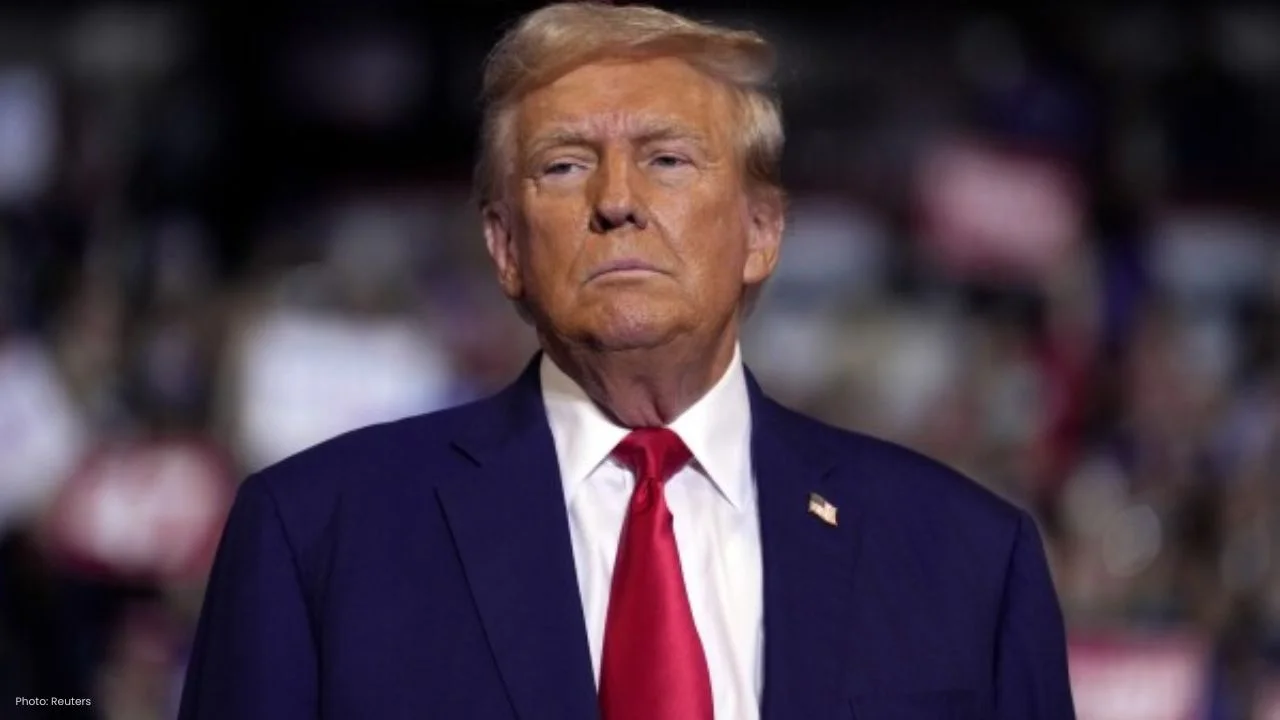
US Approves $16.5B Arms Deal Amid Iran War Escalation
US approves $16.5B arms sale to Gulf allies and $7B to UAE, boosting defence amid Iran tensions whil
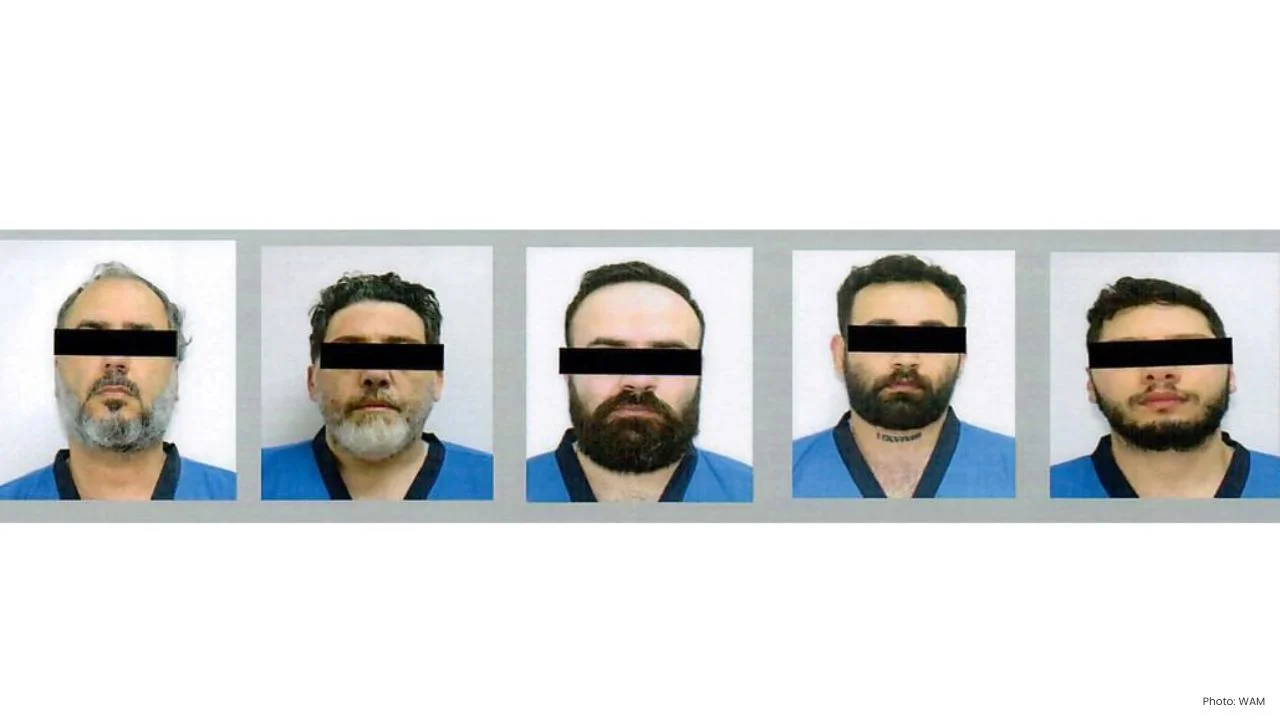
UAE Busts Hezbollah-Iran Terror Network, Members Held
UAE authorities have broken a terror network linked to Hezbollah and Iran, arresting members accused
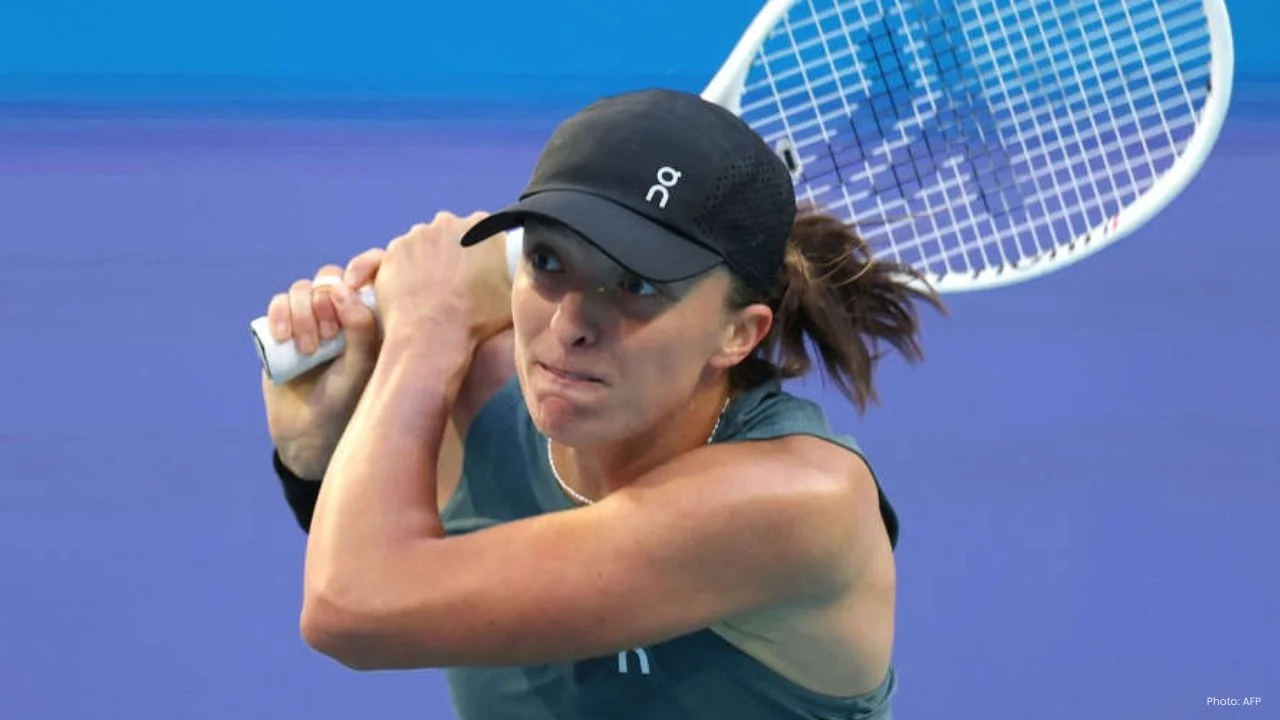
Swiatek Stunned by Linette in Miami Open Upset Shock
Iga Swiatek suffered a shocking defeat to Magda Linette at the Miami Open, marking her first opening

UAE Orphan Fund Raises AED 3.3 Billion in Ramadan Drive
UAE’s Mother of the Nation Orphan Fund raises AED 3.3B in Ramadan, boosting support for education, h
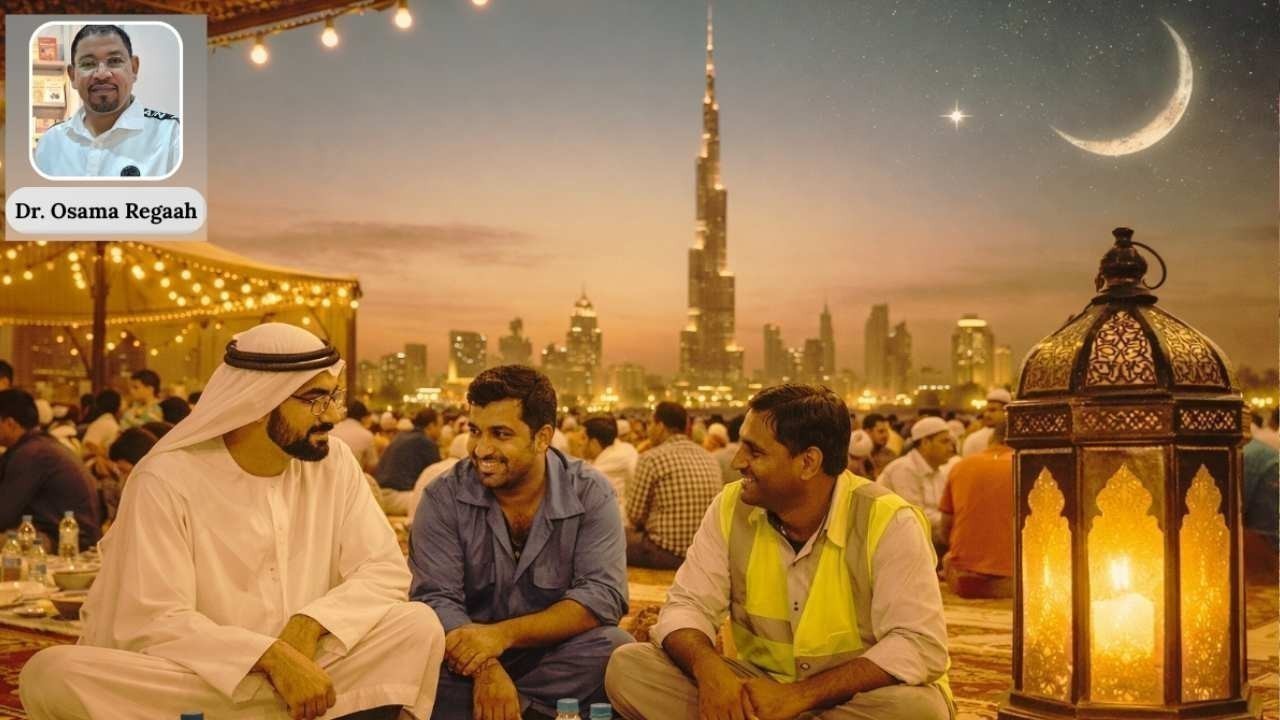
Ramadan in the UAE: Reflections on Humanity, Leadership, and Lasting Values
A heartfelt Ramadan reflection by Osama Regaah on UAE’s spirit of humility, unity, and leadership, a

Dhurandhar 2 Opens Big, Crosses ₹100 Cr on Day 1
Ranveer Singh starrer Dhurandhar 2 earns ₹102 Cr on day one despite delays, beating past Bollywood o


Bank of Baroda Faces Abu Dhabi Legal Battle over NMC Collapse
Bank of Baroda’s involvement in Abu Dhabi litigation tied to the NMC Healthcare collapse raises repu
Top Museum Openings of 2026 Set to Transform Global Tourism
From Los Angeles to Abu Dhabi and Brussels, 2026 brings major museum launches—Lucas Museum, Guggenhe

UAE Tour Highlights UAE’s Strength in Hosting Global Sports Events
Abu Dhabi Sports Council says the successful UAE Tour reflects the UAE’s leading role in hosting maj
EU Seeks Clarity from US After Supreme Court IEEPA Ruling
European Commission urges full transparency from the US on steps after Supreme Court ruling, emphasi
SpaceX Launches 53 New Satellites for Expanding Starlink Network
SpaceX launches 53 Starlink satellites in two Falcon 9 missions, breaking reuse records and expandin
RTA Awards Contract for Phase II of Hessa Street Upgrade in Dubai
Phase II of Hessa Street Development to add bridges, tunnel, and upgraded intersections, doubling ca

UAE Gold Prices Today, Monday 16 February 2026: Dubai & Abu Dhabi Updated Rates
Gold prices in UAE on 16 Feb 2026 updated: 24K around AED 599.75/gm, 22K AED 555.25/gm, and 18K AED

Over 25 Ahmedabad Schools Receive Bomb Threat Email, Authorities Investigate
More than 25 schools in Ahmedabad evacuated after bomb threat emails mentioning Khalistan. Authoriti